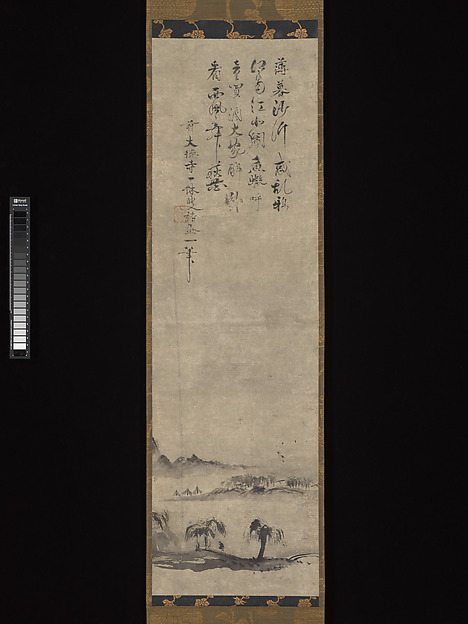
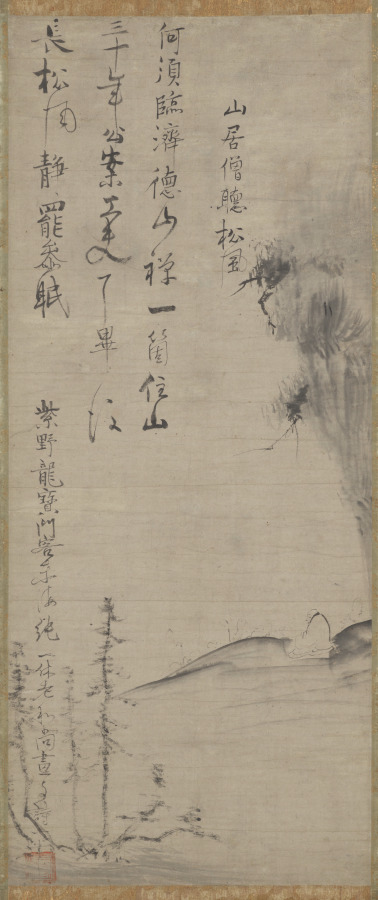
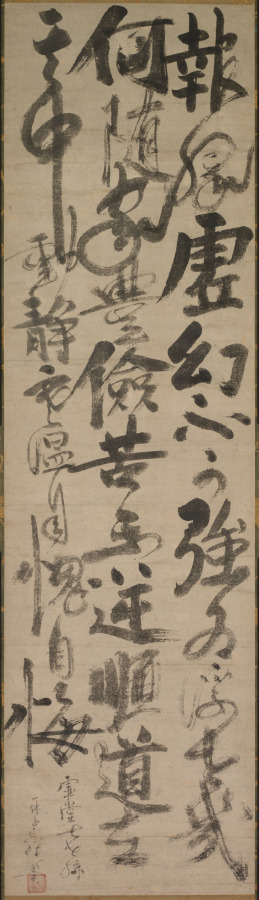
In the collection of Cleveland Museum of Art, Cleveland — check current display status with the museum.
FROM THE CLEVELAND MUSEUM OF ART’S CATALOG
The famed Buddhist monk Ikkyū is best remembered for his calligraphy. Calligraphic conventions of his time called for brushwork that did not vary much in style from character to character. However, as Ikkyū’s lines progress, his brushwork wanders between standard script and a sort of shorthand, marked by an uneven distribution of ink and a reduction of the characters to only the most necessary strokes. Ikkyū’s direct communication of emotion via brushwork became characteristic of the works produced by monks affiliated with the temple Daitokuji later in the Edo period (1615–1868).
Be the first to share your thoughts.
Sign in to join the discussion.
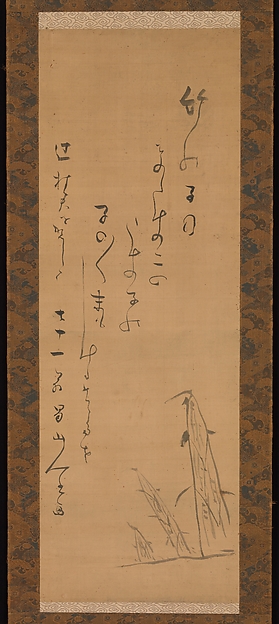 Shokusanjin (Ōta Nanpo) — 蜀山人(大田南畝)筆 筍図|Bamboo Shoots
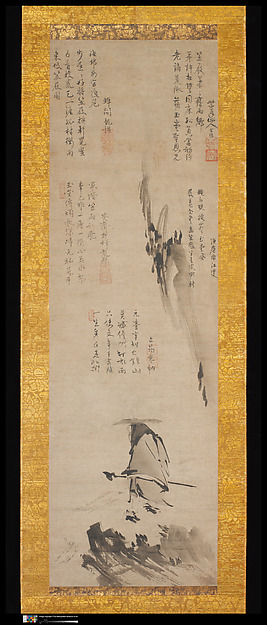 Kyūen Ryūchin|Kōshi Ehō|Nankō Sōgen|Zuigan Ryūsei|Chikkō Zen
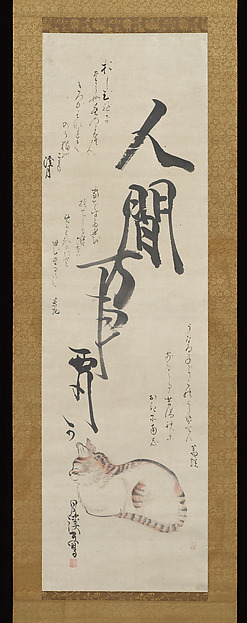 Matsumura Goshun
 Hakuin Ekaku — 'JOY: In joy lie the seeds of sufferings; in
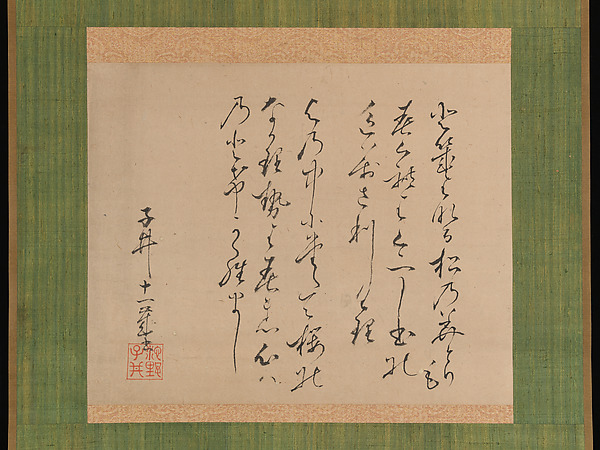 Ike Taiga
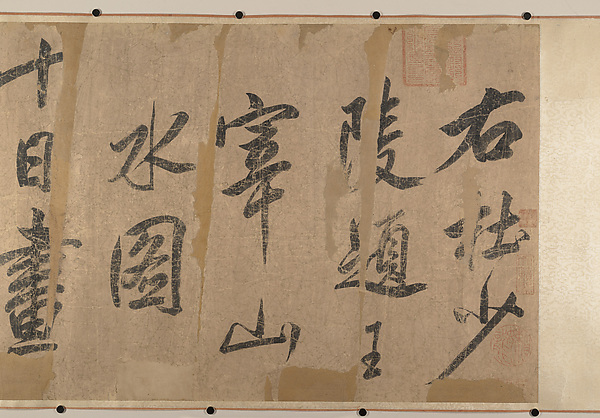 Unidentified artist
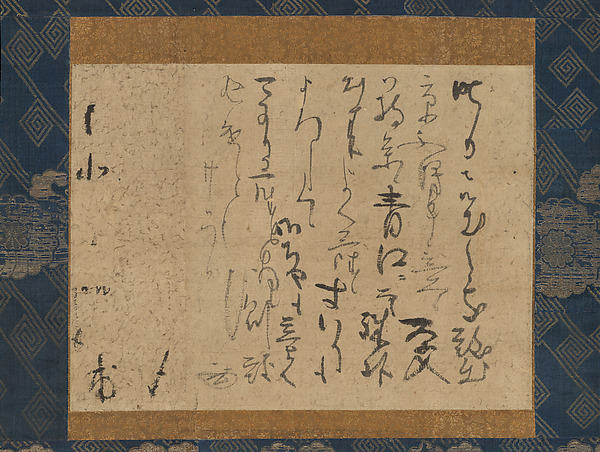 Kobori Enshū
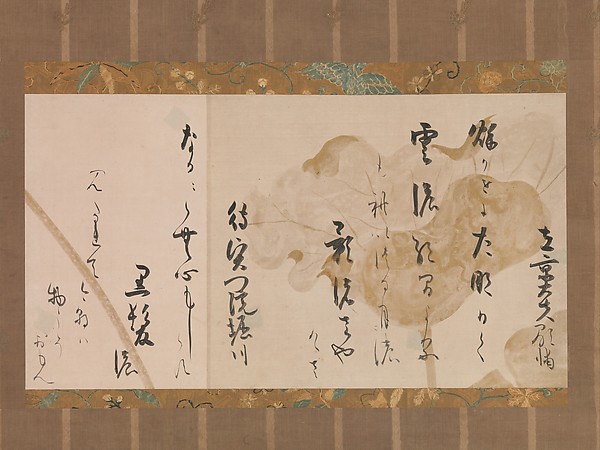 Hon'ami Kōetsu|Tawaraya Sōtatsu — 本阿弥光悦書・俵屋宗達下絵 小倉百人一首和歌巻断簡|
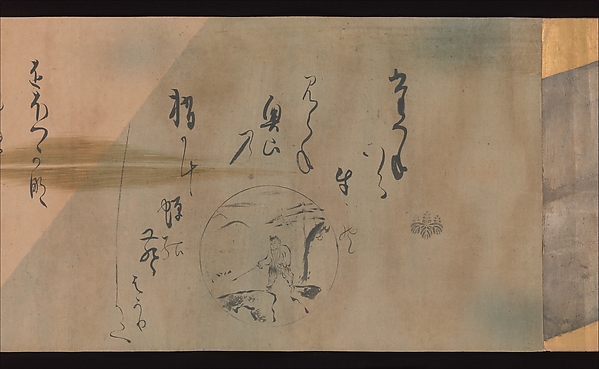 Karasumaru Mitsuhiro — 烏丸光広筆 十牛図歌賛図巻|Ten Oxherding Songs
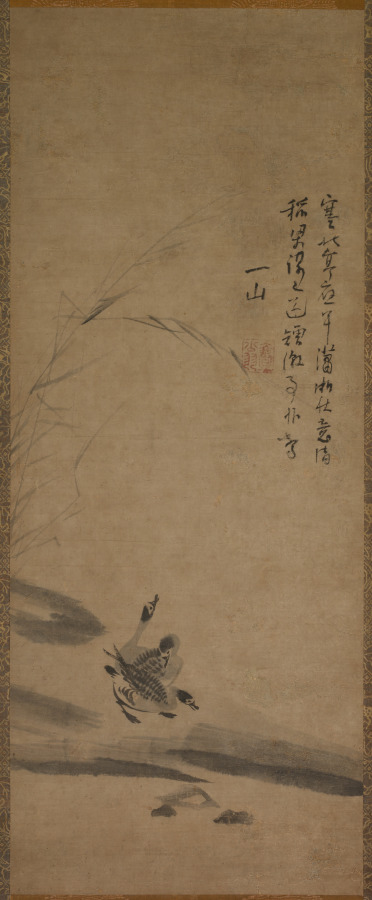 Yishan Yining [Issan Ichinei] (Chinese, 1247–1317) — Reeds a
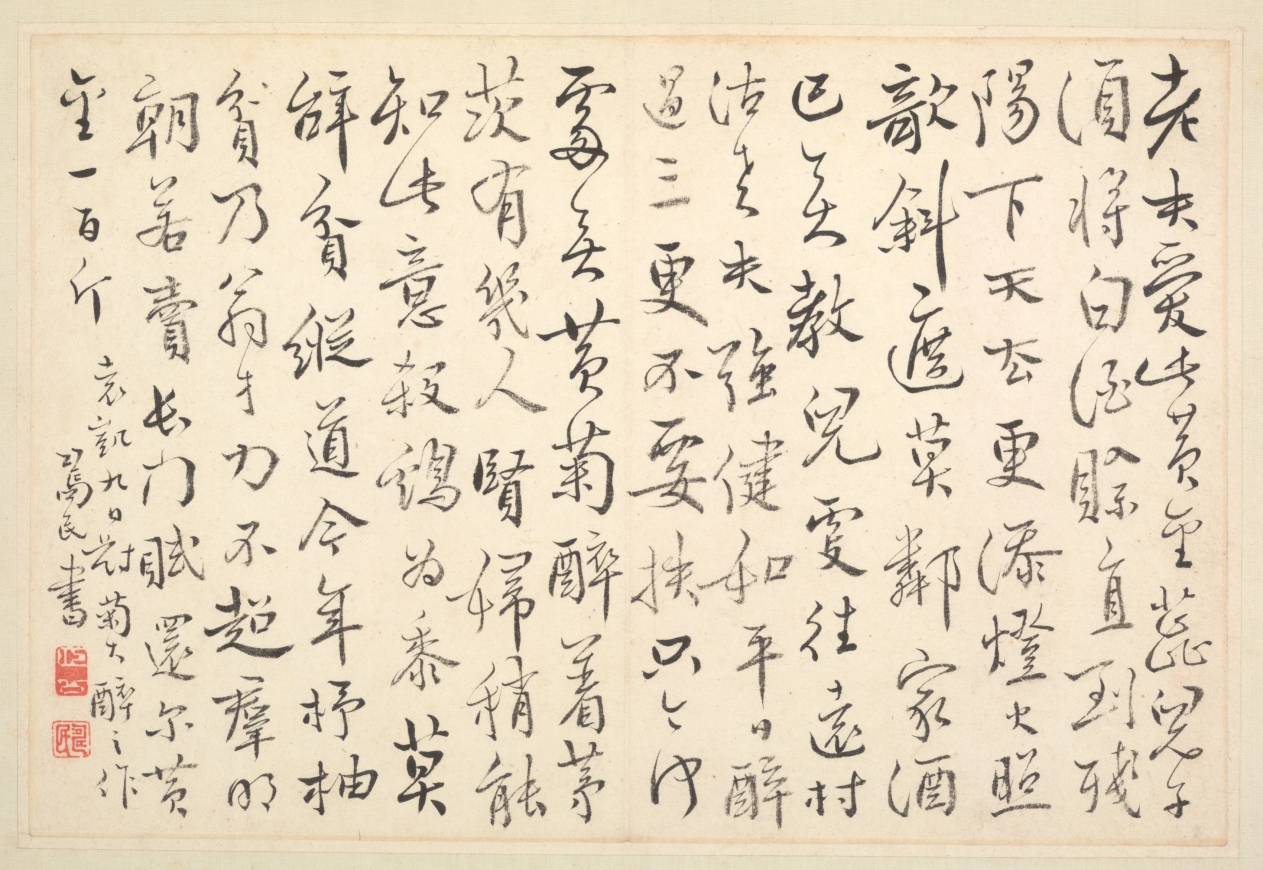 Bian Shoumin (Chinese, 1684–1752) — Album of Calligraphy and
 Dong Qichang — Calligraphy