Talisman
Ottoman dynasty (1299–1923), 1825
Silk, plain weave; edged with plain weave; embroidered with silk and gilt-metal-strip-wrapped silk in chain and lattice filled with twisted picot stitches.
Lining: silk, 4/1 satin weave
32.4 × 24.4 cm (12.8 × 9.6 in)
SEE IT IN PERSON
● On view now — Gallery 58
Art Institute of Chicago, Chicago · verified July 2026
Discussion
FROM THE ART INSTITUTE OF CHICAGO’S CATALOG
Protective talismans are common throughout Asia and Africa, often placed in or near openings or spaces that are considered to be particularly vulnerable. In earlier centuries, Turkish owners installed an inscribed tile or board directly above the entrance to their house to protect those inside. This object is one of only two such talismans made of cloth that we know of. The embroidery illustrates the architectural plan of a mosque and the inscription at the bottom includes pleas to God for blessings and protection.
Be the first to share your thoughts.
Sign in to join the discussion.
More by Turkey


More like this
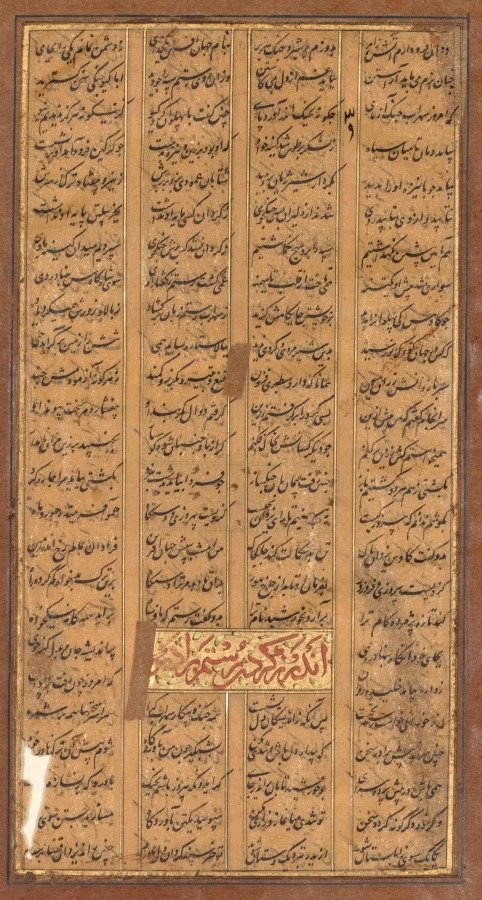 Text of Rustam and Suhrab, from the Shah-nama of Firdausi (P
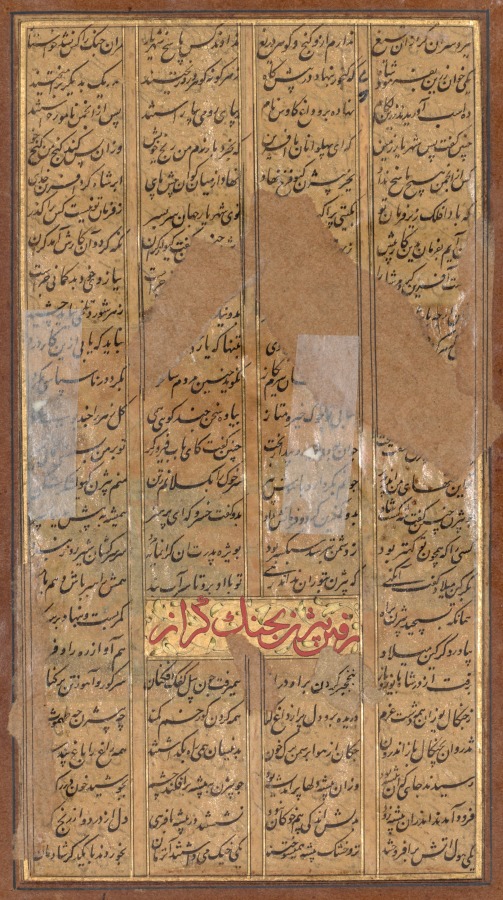 Bijan killing the wild boars of Irman, from a Shah-nama (Boo
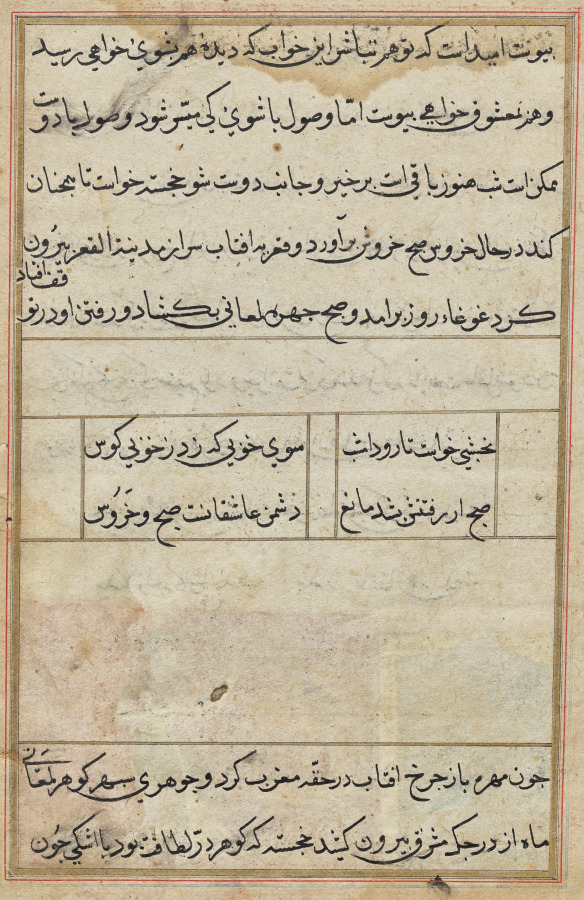 Page from Tales of a Parrot (Tuti-nama): text page
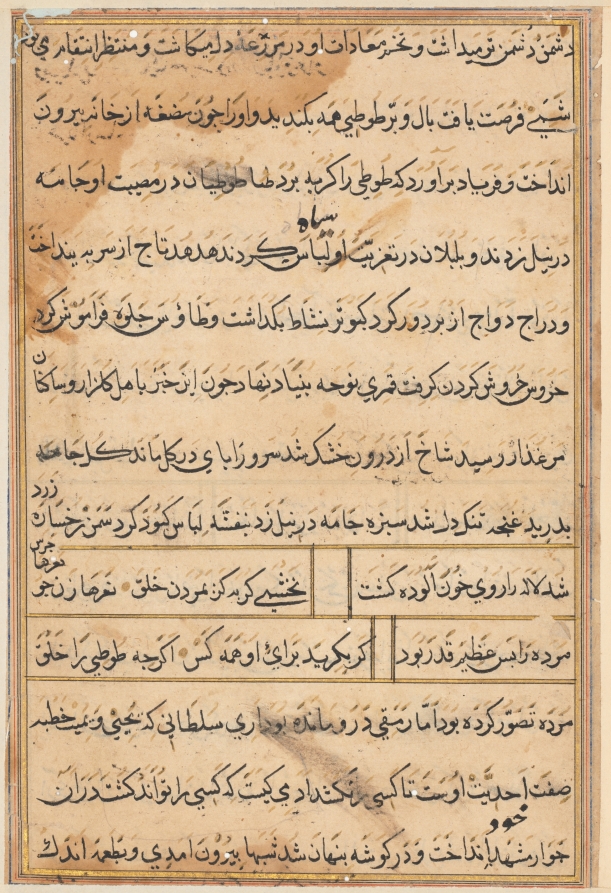 Tuti-Nama (Tales of a Parrot)
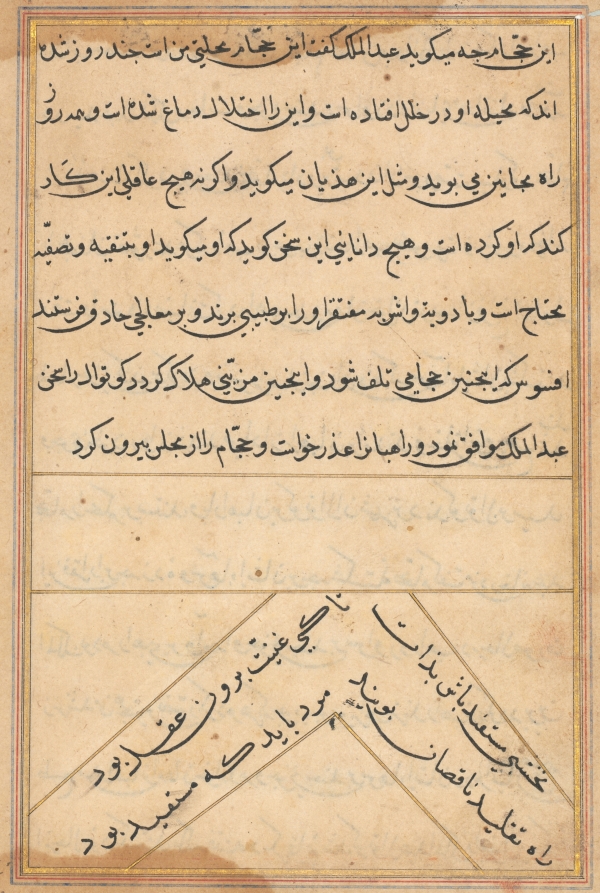 Page from Tales of a Parrot (Tuti-nama): text page
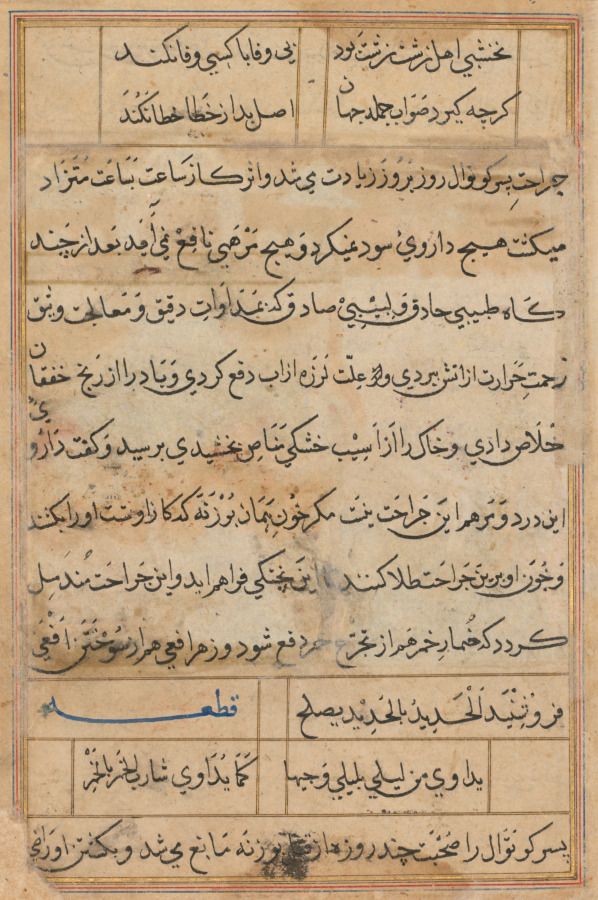 Page from Tales of a Parrot (Tuti-nama): text page
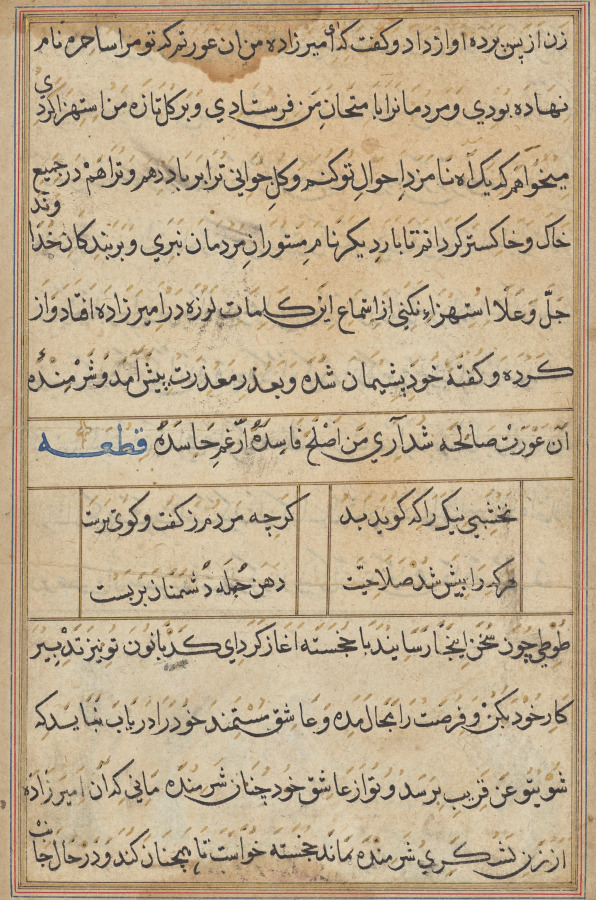 Page from Tales of a Parrot (Tuti-nama): text page
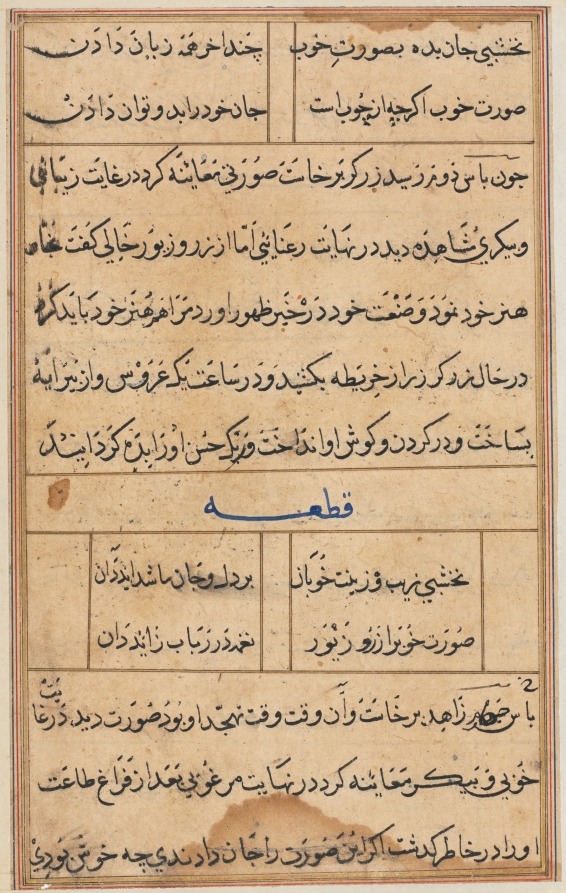 Page from Tales of a Parrot (Tuti-nama): text page
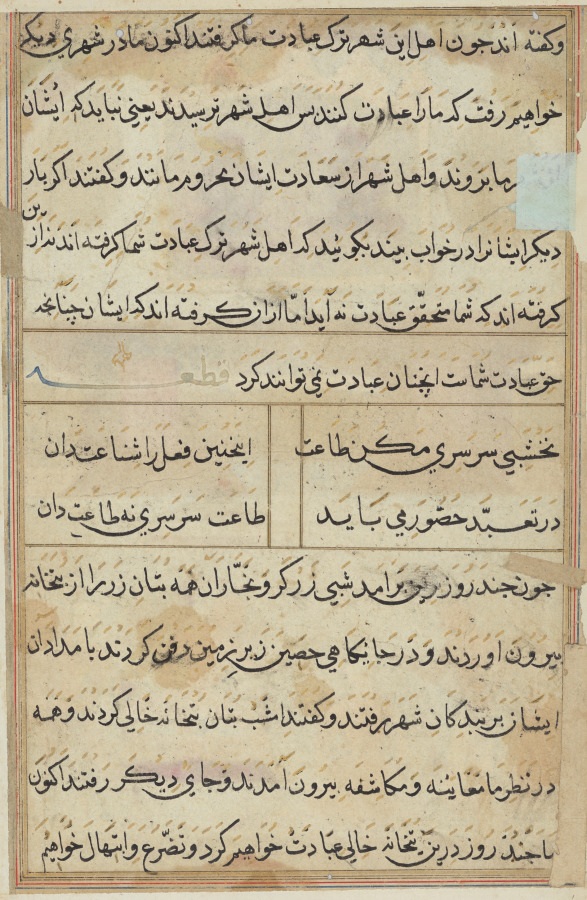 Page from Tales of a Parrot (Tuti-nama): text page
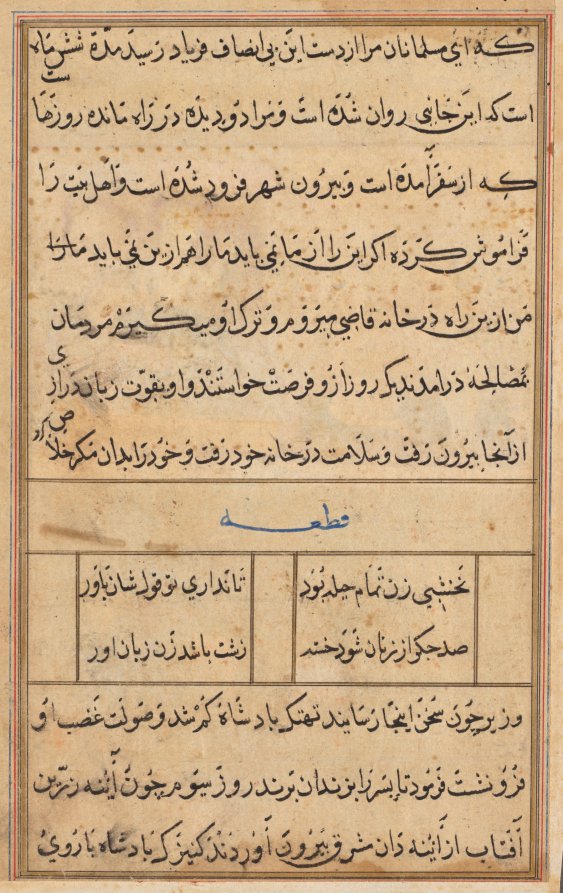 Page from Tales of a Parrot (Tuti-nama): text page
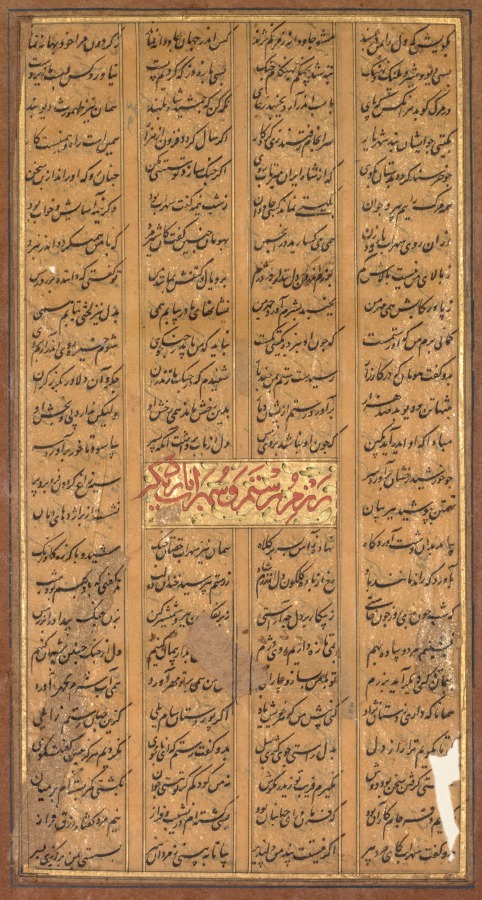 Text of Rustam and Suhrab, from the Shah-nama of Firdausi (P
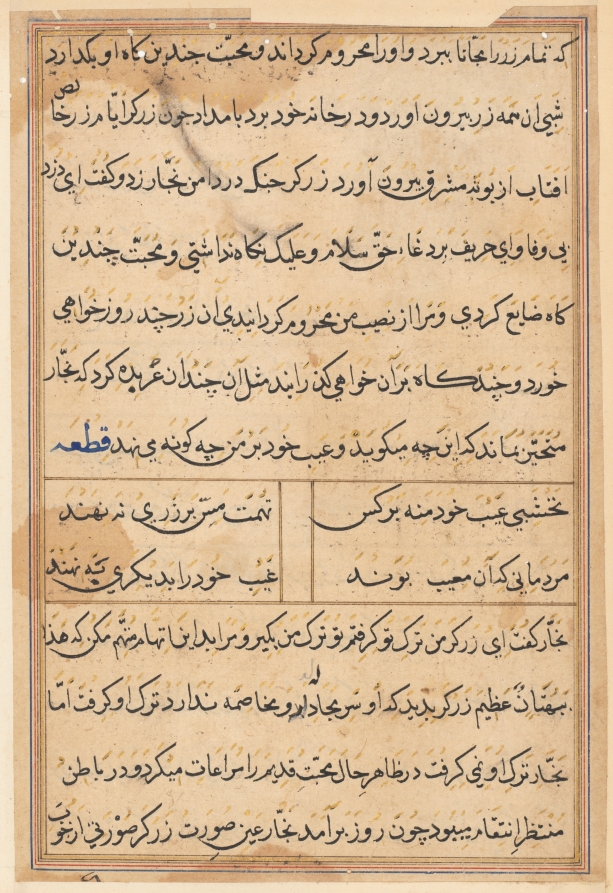 Page from Tales of a Parrot (Tuti-nama): text page