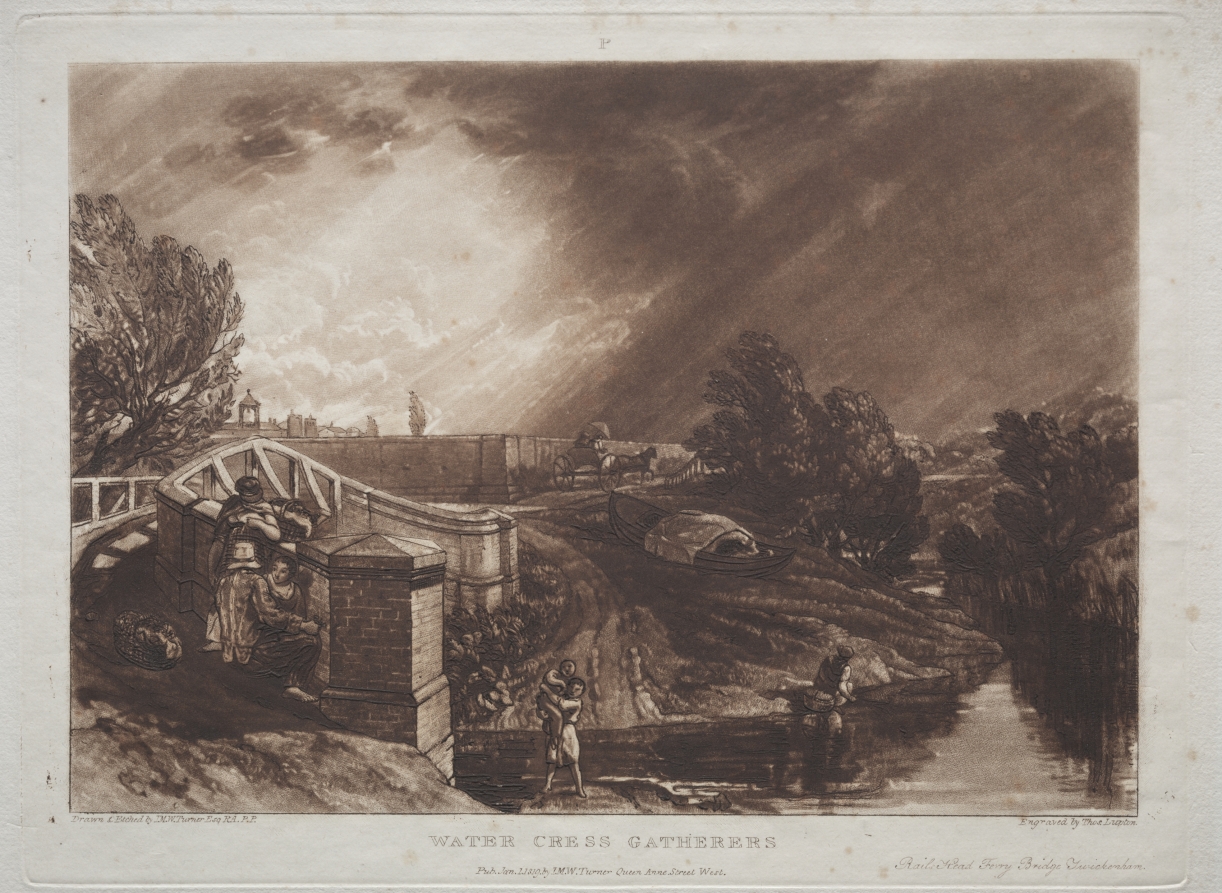
Watercress Gatherers, plate 62 from Liber Studiorum
SEE IT IN PERSON
Not currently on view
In the collection of Art Institute of Chicago, Chicago · as of July 2026
Discussion
FROM THE ART INSTITUTE OF CHICAGO’S CATALOG
J. M. W. Turner is known primarily as a painter, but demonstrated his passion for landscape through printmaking in this mezzotint, which comes from a series of 71 prints called Liber Studiorum (Book of Studies) . Turner categorized the types of landscape with a lettering system at the top of each sheet: A (Architectural), H (Historical), M (Marine or Mountainous), P (Pastoral), and the more obscure EP (Epic Pastoral). The play of light and shade on the water, mountains, fields, and distant views exemplifies Turner’s approach to landscape as an emotive interpretation of reality rather than a topographically accurate one. He chose to use mezzotint, an engraving process that creates tonal gradations similar to the effects of oil painting, to emphasize these light and dark effects.
Be the first to share your thoughts.
Sign in to join the discussion.
More by Joseph Mallord William Turner
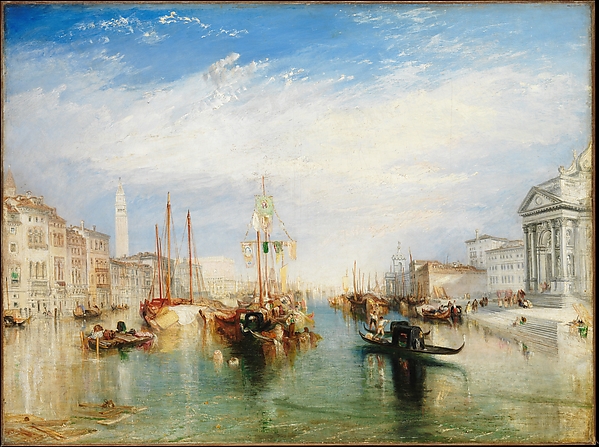 Venice, from the Porch of Madonna della Salute
 The Lake of Zug
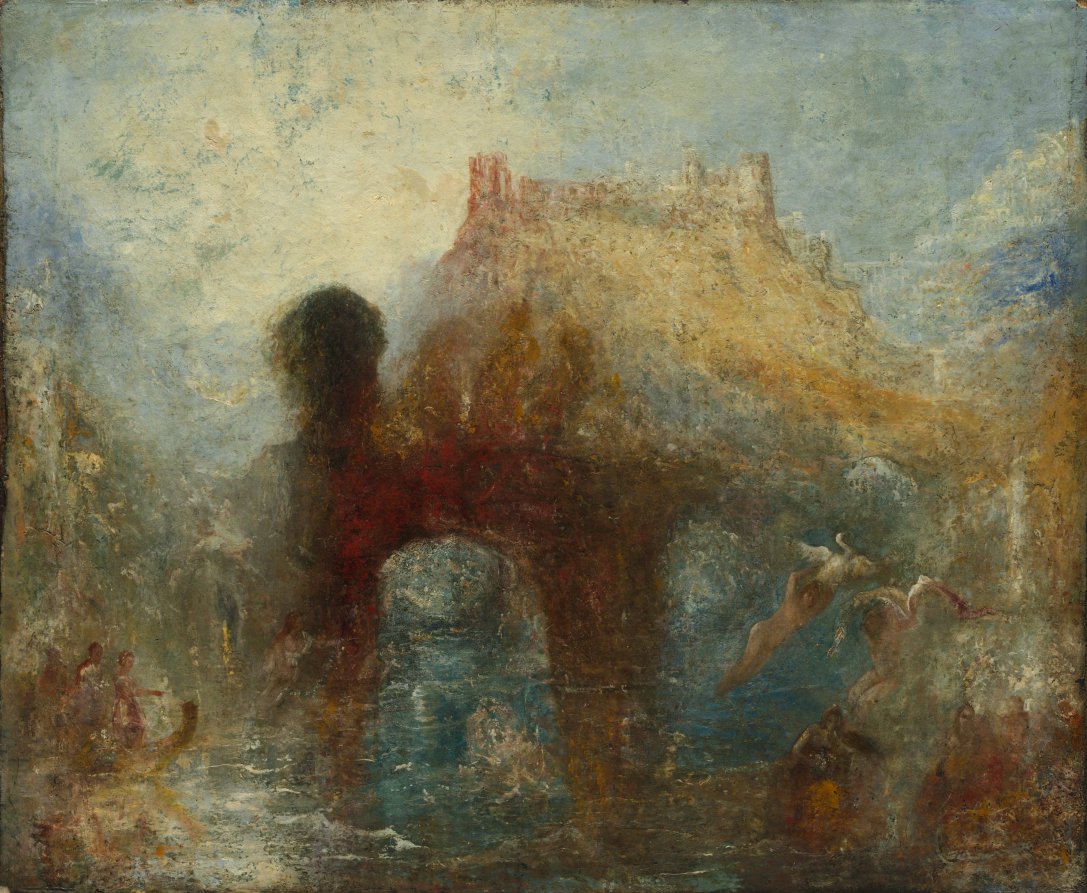 Queen Mab's Cave
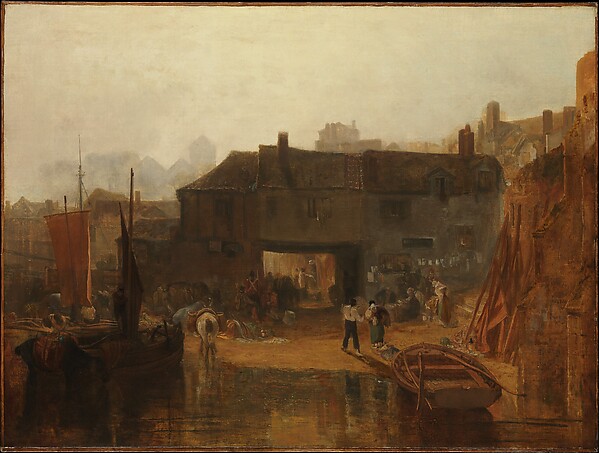 Saltash with the Water Ferry, Cornwall
 Valley of Aosta: Snowstorm, Avalanche, and Thunderstorm
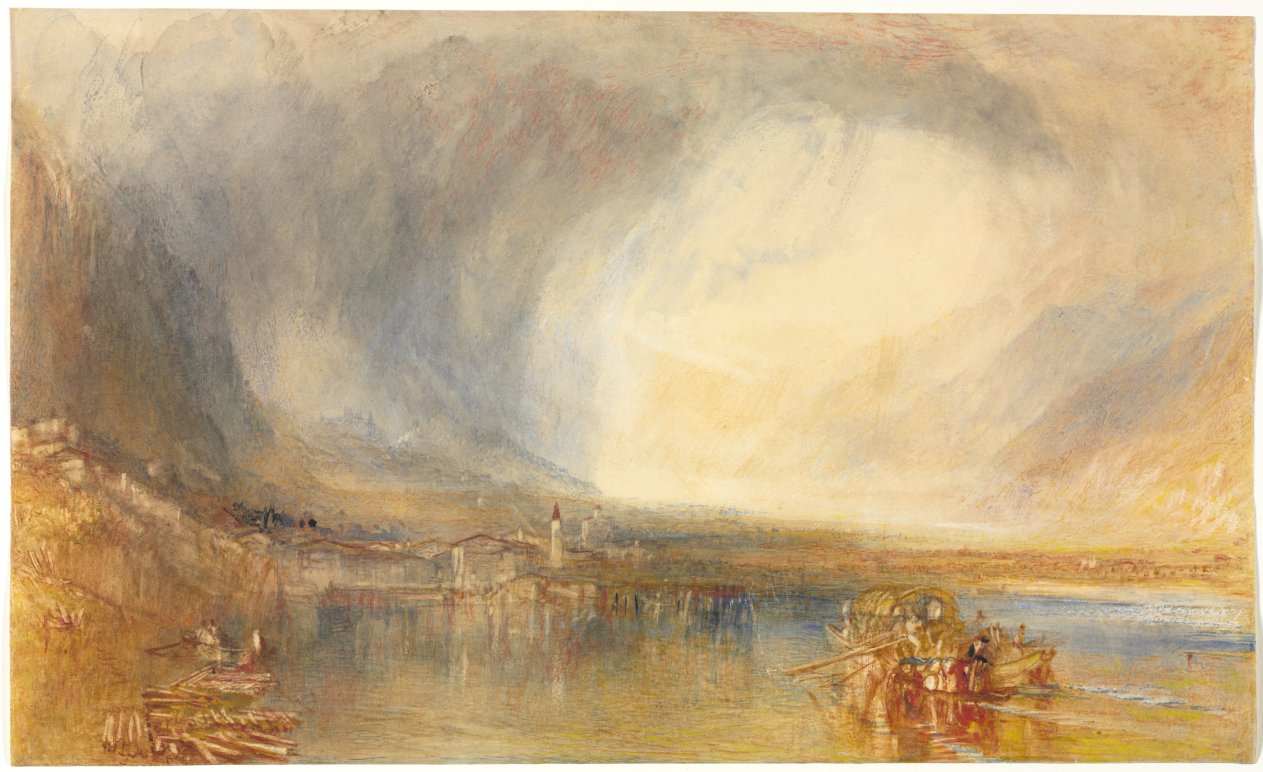 Flüelen, from the Lake of Lucerne
 The Burning of the Houses of Lords and Commons, 16 October 1
 Fishing Boats with Hucksters Bargaining for Fish
More like this
 David Lucas — Glebe Farm
 Joseph Mallord William Turner|Charles Turner — The Bridge in
 Gillis van Scheyndel — Pond before Wooden Bridge and a House
 David Lucas|John Constable — A Lock on the Stour
 Joseph Mallord William Turner|William Say — Apuleia in Searc
 Theodore Henry Fielding — Valies-Vale, Near Frome
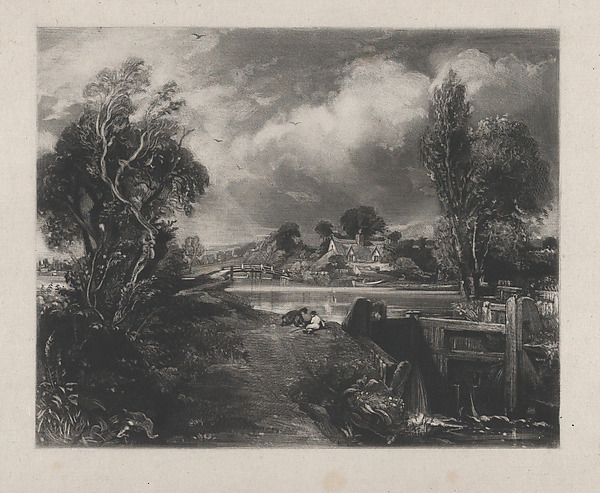 David Lucas|John Constable — A Lock on the Stour
 David Lucas — A Lock on the Stour, Suffolk
 Joseph Mallord William Turner (British, 1775–1851) — Liber S
 Charles François Daubigny — Approaching Storm
 John Hill — Burning of Savannah, plate four of the second nu
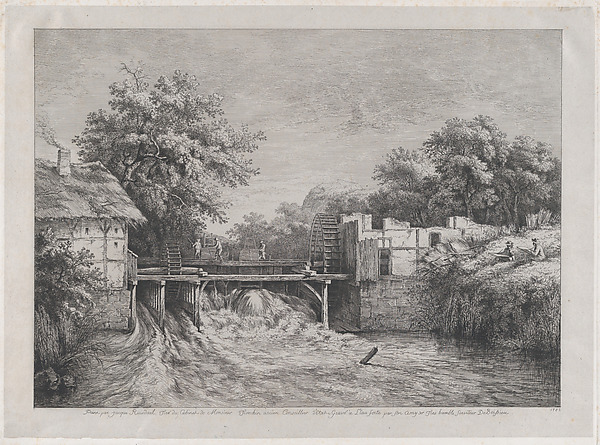 Jean Jacques de Boissieu|Jacob van Ruisdael — The Watermill,