Cleveland Museum of Art: A First-Timer’s Guide
One of America’s great art museums — and one of the very few that’s completely free.
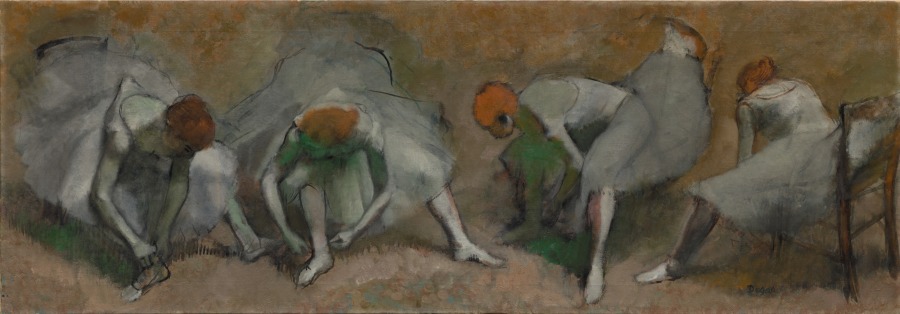
The Cleveland Museum of Art holds one of the finest encyclopedic collections in the United States — and admission to its permanent collection is free. Highlights span Monet’s water lilies, Degas’s dancers, Cézanne’s bathers, and deep holdings in Asian, medieval, and ancient art. It’s a world-class museum without the world-class crowds.
The Cleveland Museum of Art is one of America's great encyclopedic museums, and one of the very few you can walk into for nothing. It doesn't have the name recognition of New York's or Chicago's institutions, which is exactly why a visit feels like a secret worth keeping.
Why is Cleveland's museum special?
The Cleveland Museum of Art pairs a world-class encyclopedic collection with free admission to its permanent galleries — a genuine rarity among museums of its rank. That single fact changes how you visit. There's no pressure to extract your money's worth in one exhausting sweep; you can come for an hour, see three things properly, and leave. You can come back next week.
The collection is deep and wide: European painting, one of the finest Asian art holdings in the country, plus medieval, ancient, and African galleries. It's the kind of place where a casual afternoon turns into a real education. The building itself helps — a serene white-marble neoclassical core opening onto a glass-roofed atrium, with a leafy park and lagoon just outside the doors.
What are the highlights?
A first visit could reasonably orbit these, all in the permanent collection: - *Monet's Water Lilies (Agapanthus)* — a shimmering late panel from [Claude Monet's](/artist/Claude%20Monet) Giverny pond, painted as his vision blurred. (More on that in [Monet going blind](/blog/monet-going-blind-water-lilies).) - Degas's dancers — the ballet studies that made Edgar Degas famous, caught mid-adjustment rather than mid-performance. - Cézanne's The Bathers** — Paul Cézanne building figures out of blocks of color, a bridge straight into modern art.
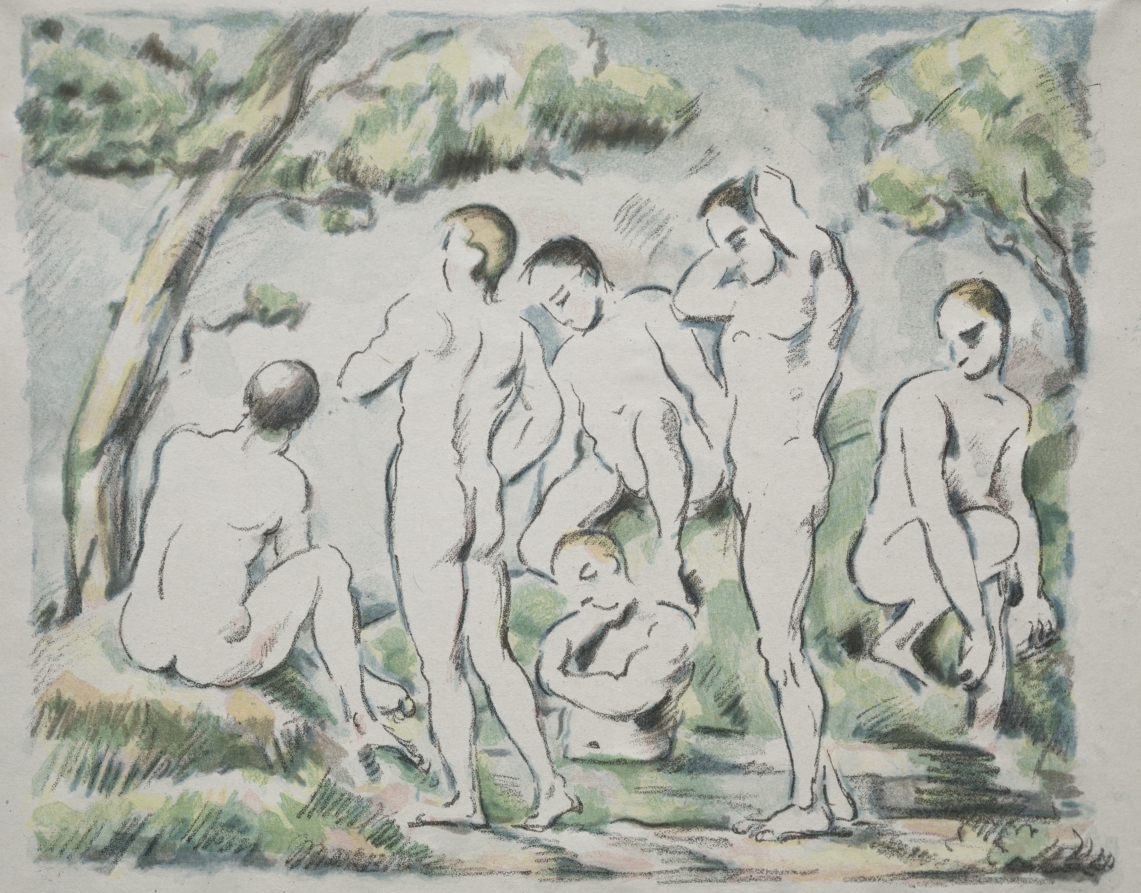
Beyond the marquee names, don't skip the armor court and the Asian galleries; they're among the reasons scholars rank Cleveland's collection with the very best. Specific works do rotate and travel, so it's worth confirming what's on view with the museum before a special trip.
How does it compare to bigger museums?
Cleveland offers a lot of what the Met or the Louvre offer, with a fraction of the crowds. You won't fight through a scrum for a glimpse of a masterpiece here — you can stand in front of a Monet for as long as you like, which is the whole point.
That's the DiscoverArt idea made physical: slowness is a feature. The best museums aren't the ones you rush through; they're the ones quiet enough to let you actually look. Browse Cleveland's works on DiscoverArt first, react to what draws you, and you'll walk in already knowing which room to find. Start with the feed.
Sources
Discussion
Be the first to share your thoughts.
Sign in to join the discussion.