The Barnes Foundation: The Strangest Great Art Collection in America
Renoirs stacked to the ceiling, hung beside door hinges and iron keys. There’s a method to it.
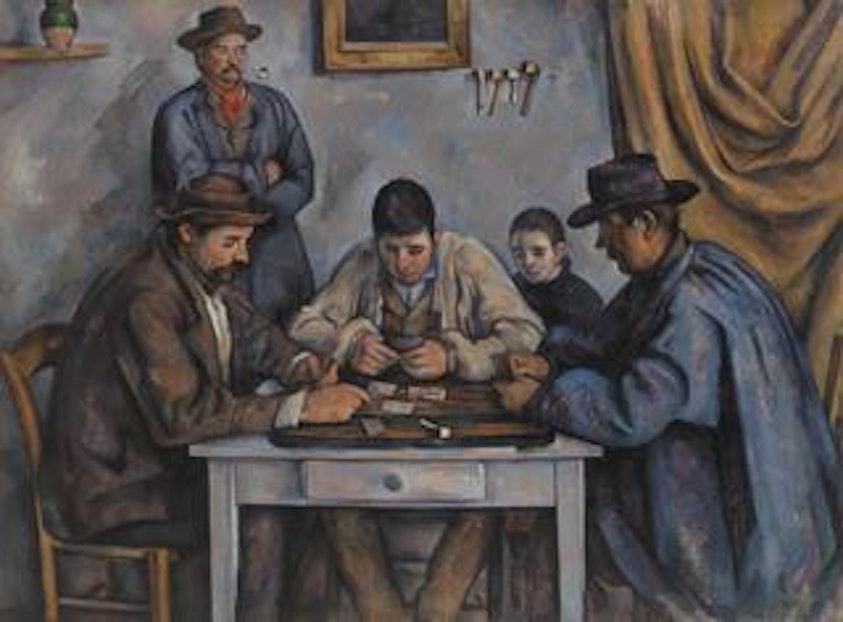
The Barnes Foundation in Philadelphia holds one of the greatest collections of Impressionist and Post-Impressionist art in the world — including dozens of Renoirs and Cézannes. What makes it unique is the hang: founder Albert Barnes arranged paintings in dense, symmetrical “ensembles” mixed with ironwork and furniture, and that arrangement is preserved exactly to this day.
Most great museums want you to walk past one masterpiece at a time, spotlit and alone. The Barnes Foundation in Philadelphia does the opposite. Here paintings are packed edge to edge, floor to ceiling, mixed in with door hinges, keys, and old chairs — and it is, by common consent, one of the finest collections of Impressionist and Post-Impressionist art anywhere on earth.
Who was Albert Barnes?
Albert Barnes was a chemist who got rich, then spent the fortune on art. Around 1900 he co-invented a silver-based antiseptic, made millions, and began buying paintings by the crate — often before the rest of America had caught up to them. He amassed one of the deepest holdings of Renoir and Cézanne in existence, alongside Matisse, Picasso, and Seurat.
Barnes did not see himself as a mere collector. He built a whole theory of how to look at pictures, and he wanted his collection to teach it. The Foundation opened in 1922 not as a museum but as a school.
Why are the paintings hung so strangely?
The strange hang is the whole point: Barnes arranged his rooms as "ensembles," symmetrical wall groupings designed to train your eye rather than march you through history. A Renoir might sit beside a medieval chest and a wrought-iron latch, because Barnes wanted you to notice the same curve, color, or fall of light echoing across centuries and materials.
He cared about form and line, not labels or dates. That is why the works carry almost no wall text, and why a Titian can hang above a piece of Pennsylvania Dutch ironwork.
Barnes wrote his arrangement into the Foundation's rules: it can never change. When the collection controversially moved to a new building in central Philadelphia in 2012, every wall was recreated exactly, ensemble for ensemble, down to the spacing between frames.
What are the highlights?
There is too much to see in one visit, so a few anchors help:
- *Cézanne's The Card Players*** — one of the artist's celebrated studies of Provençal men at a table, quiet and monumental at once.
- Renoir, in extraordinary depth — the Barnes holds more of his canvases than any place in the world, from luminous nudes to bathers and portraits.
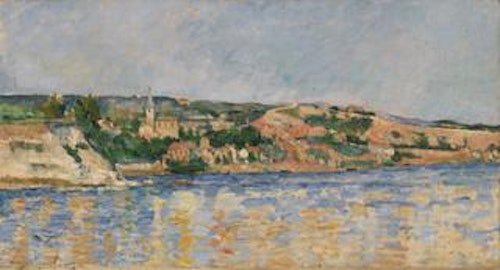
- *Cézanne's Bathers and landscapes* — proof of why later painters called him the father of modern art.
- Seurat, Matisse, and Picasso — including a Matisse mural made for the very walls it hangs on.

Planning a visit
The Barnes sits on Philadelphia's Benjamin Franklin Parkway, near the city's other museums, and tickets are timed — book ahead. Give yourself longer than you think; the density that overwhelms at first becomes the pleasure once you slow down and start reading the walls the way Barnes intended.
If you want to build up to it, our guide to where to see Impressionist art in America puts the Barnes in context alongside the country's other great collections. And you can meet many of these Renoirs and Cézannes first on DiscoverArt — react to a few and see which ones you most want to stand in front of.
Sources
Discussion
Be the first to share your thoughts.
Sign in to join the discussion.