More like this
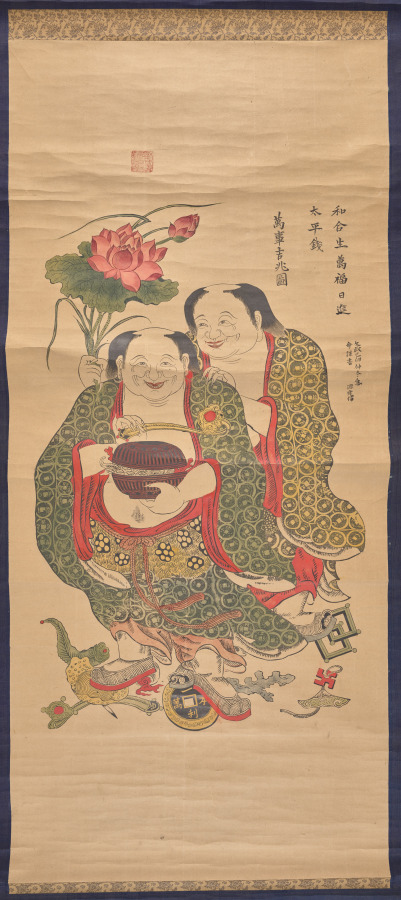 The Two Immortals of Harmony and Unity
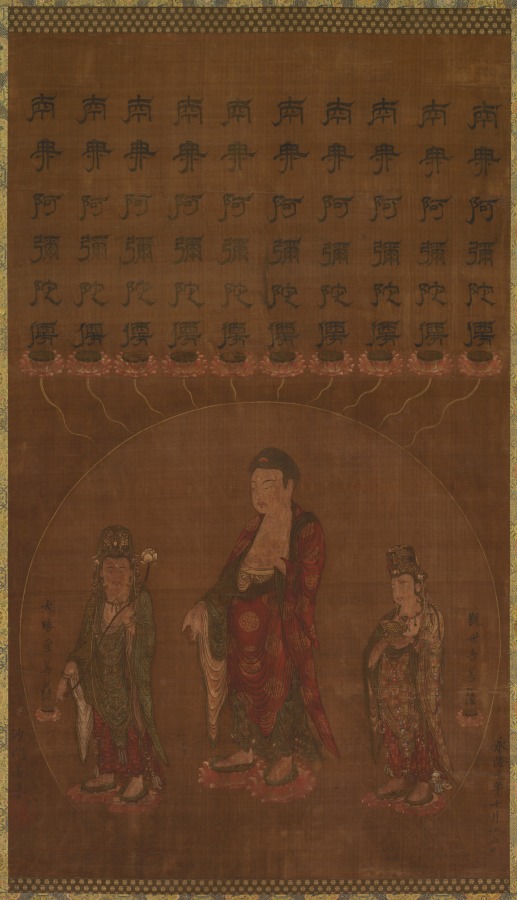 Buddha Amitābha with Two Attending Bodhisattvas
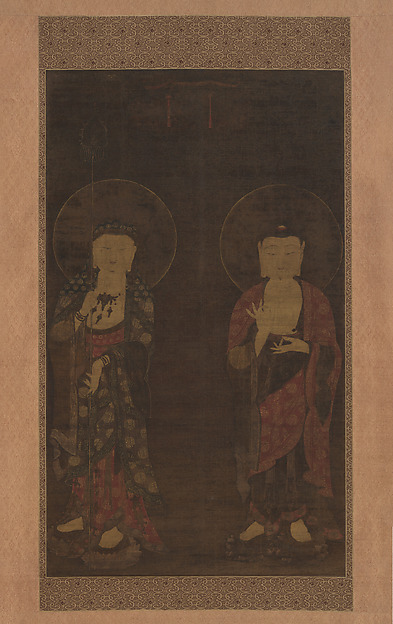 Unidentified artist — 아미타불과 지장보살도 고려|阿彌陀佛・地藏菩薩圖 高麗|Amitabha
 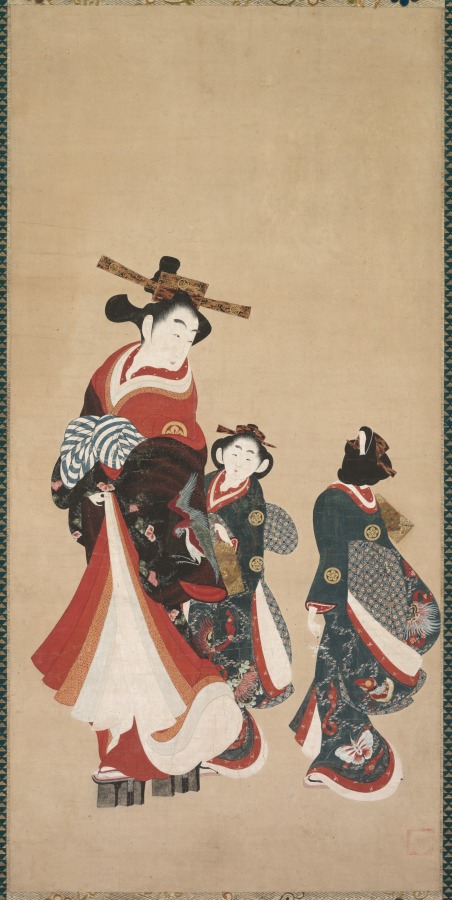 Engetsudō (Japanese) — Courtesan and Attendants
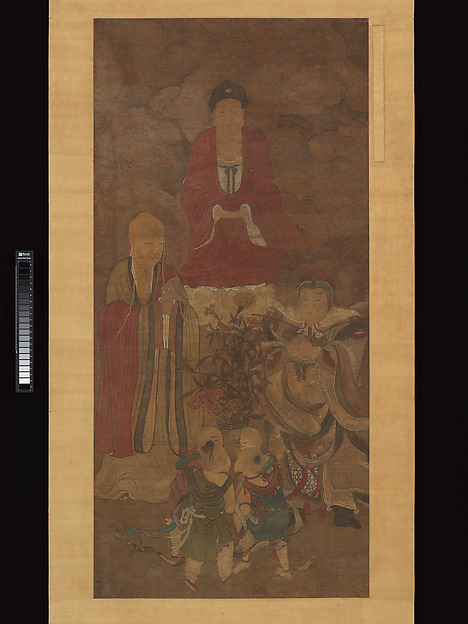 Unidentified artist — 明 佚名 禮佛圖 軸|Shakyamuni with luoha
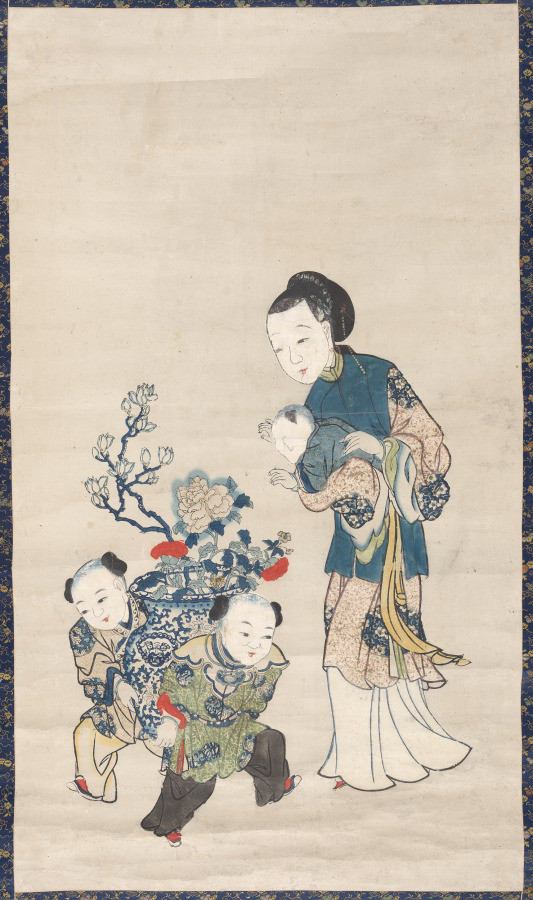 Mother and Sons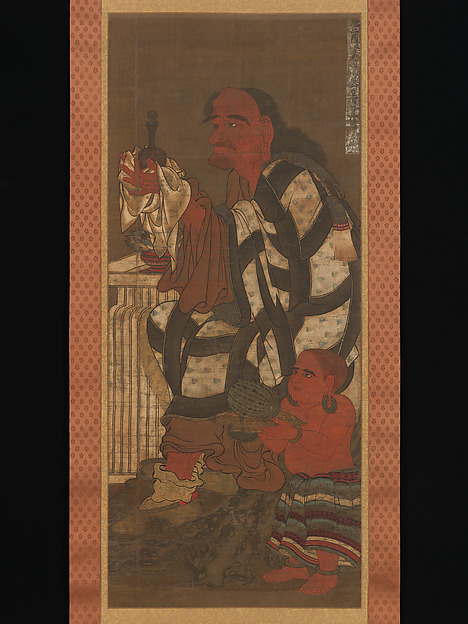
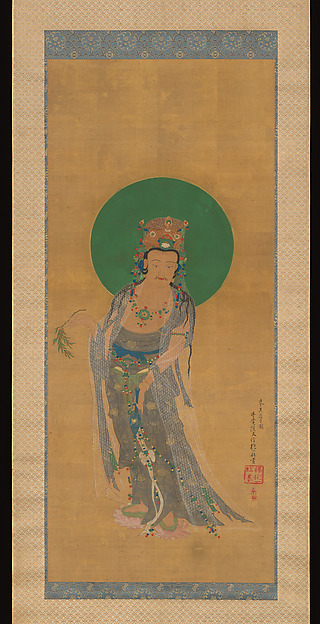 Sakai Hōitsu — 酒井抱一筆 楊柳観音図|Willow Kannon
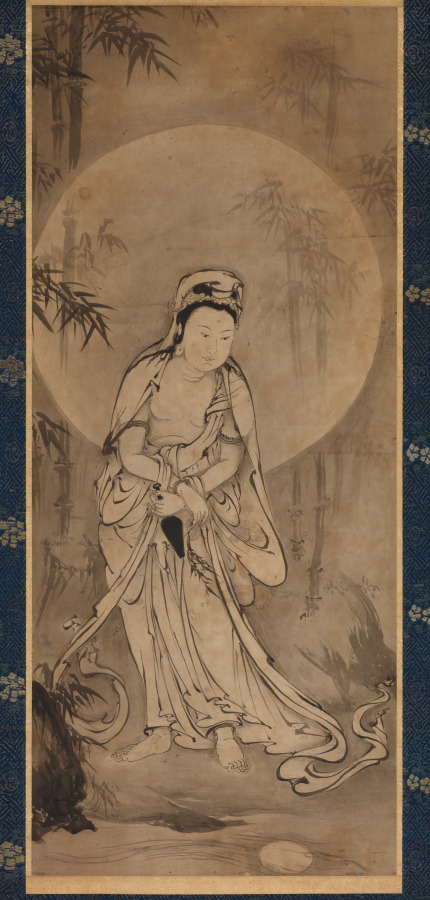 Gakuō Zōkyū (Japanese, active about 1482–1514) — Willow-and-
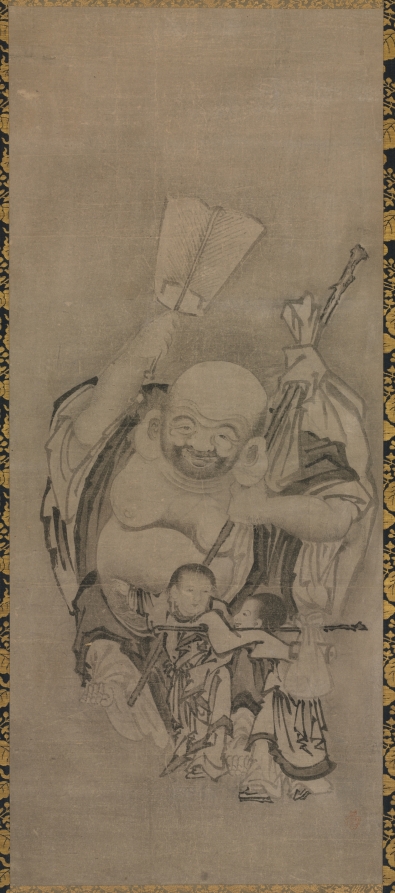 Kyūseki Tomonobu (Japanese, 1653–1721) — Hotei with Daoist I
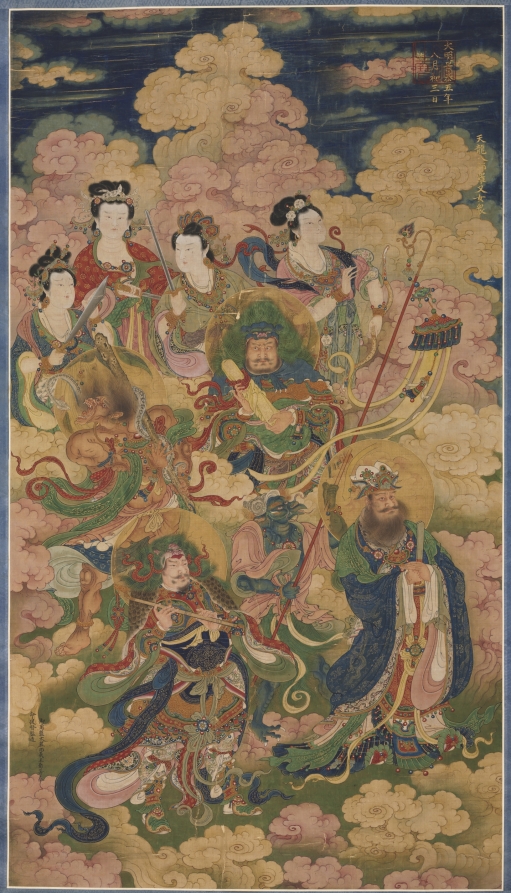 The Eight Hosts of Deva, Naga, and Yakshi
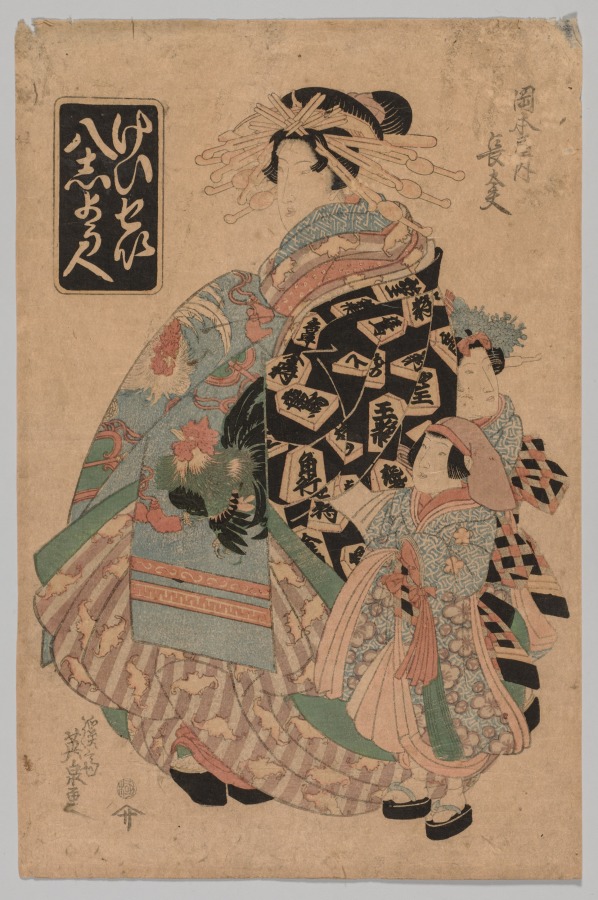 Keisai Eisen (Japanese, 1790–1848) — Chōdayu of the Okamotoy