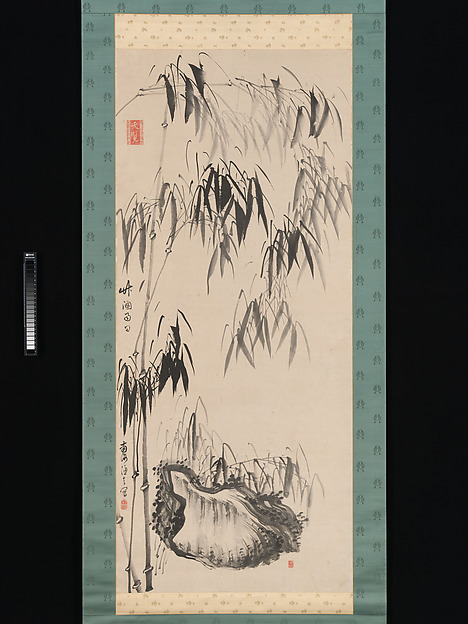
In the collection of Cleveland Museum of Art, Cleveland — check current display status with the museum.
FROM THE CLEVELAND MUSEUM OF ART’S CATALOG
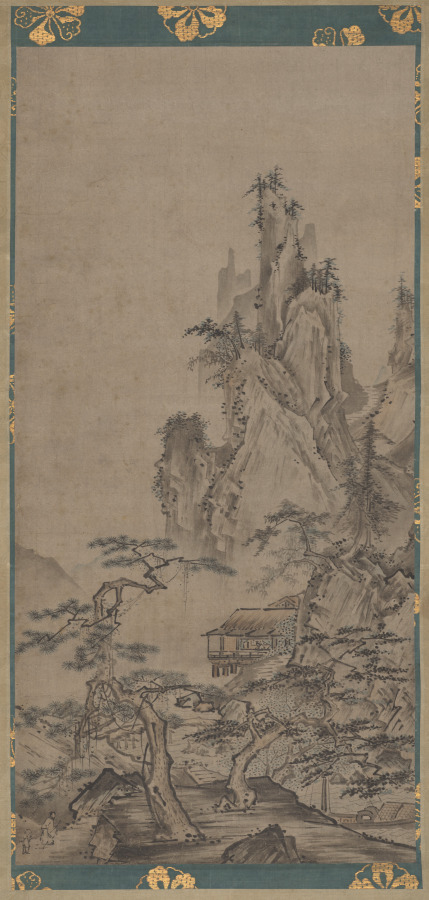
A teacher of Confucian ethics, the Chinese philosophical system focused on social harmony and familial responsibility, Gion Nankai was also a painter. Ike Taiga (池大雅) (1723–1776) was among his students. Nankai inscribed this landscape with one of 24 poems for painting subjects composed by the scholar and painter Tang Yin (唐寅) (Chinese, 1470–1524). It reads as follows: The mountain pavilion is desolate, visitors are rare. Mud patches the brushwood gate; leaves patch my clothes. Rising not from the bamboo bed, my head like snow. Already without intent, I abandon questions of Zen.
Be the first to share your thoughts.
Sign in to join the discussion.
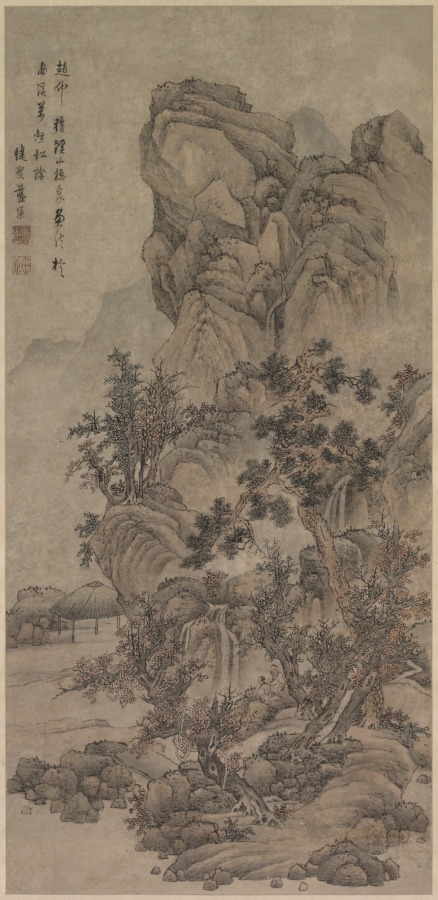 Landscape with Figures
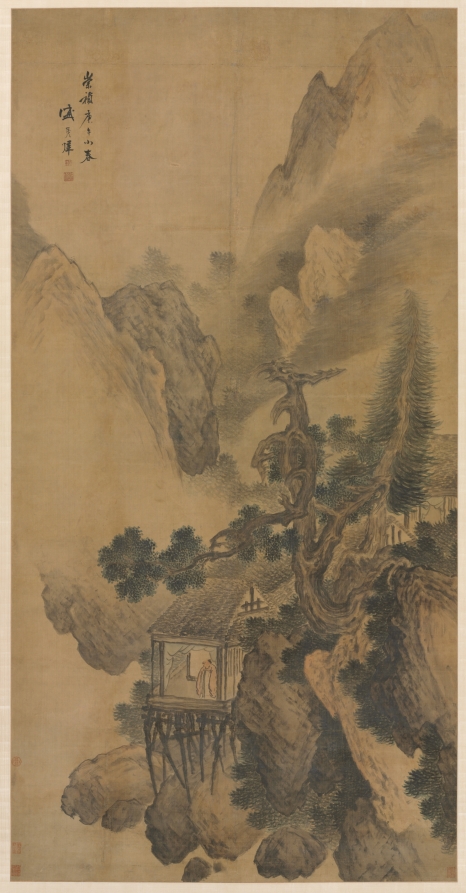 Sheng Maoye (Chinese, active early 1600s) — Lonely Retreat O
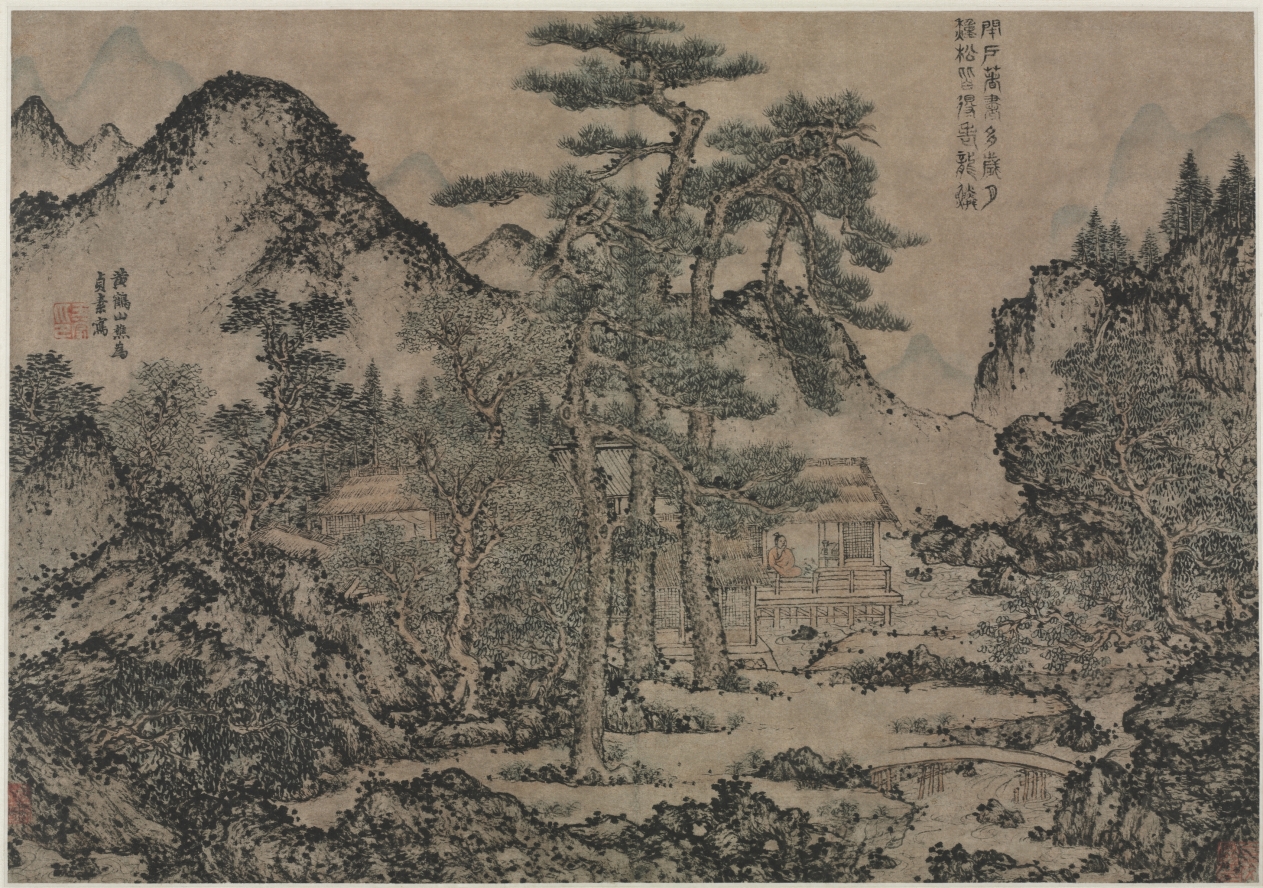 Wang Meng (Chinese, c. 1308–1385) — Writing Books under the
  Scholar's Visit
 Chen Jiru — Landscape
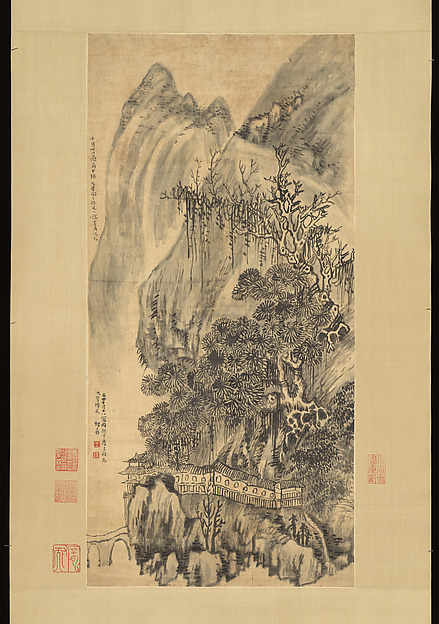 Wang Duo — 明/清 王鐸 山水圖 軸|Landscape
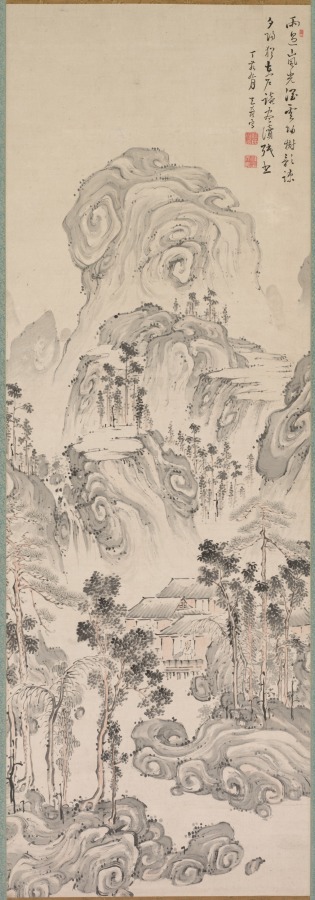 Kan Tenju (Japanese, 1727–1795) — Landscape with Gentle Peak
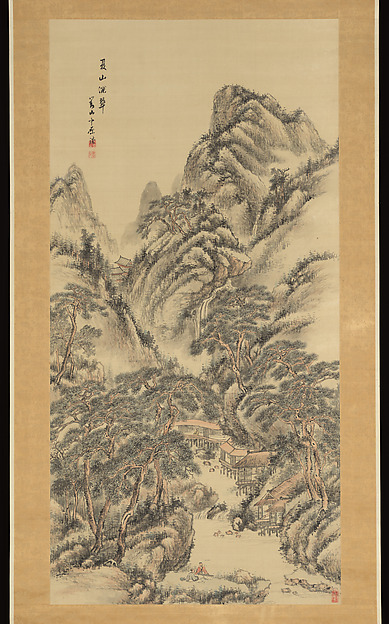 Hine Taizan 日根對山 — 「夏山深翠」(Kazan shinsui) |“The Deep Green of
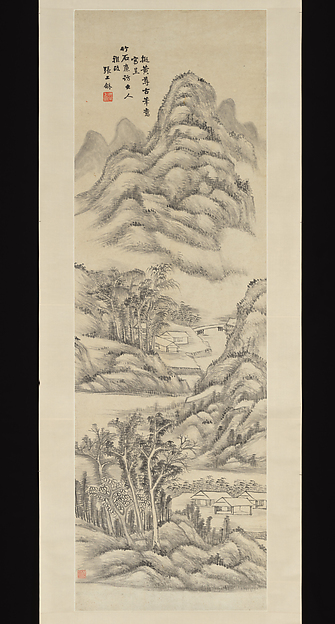 Zhang Shanghe — 清 張上龢 山水 軸|Landscape
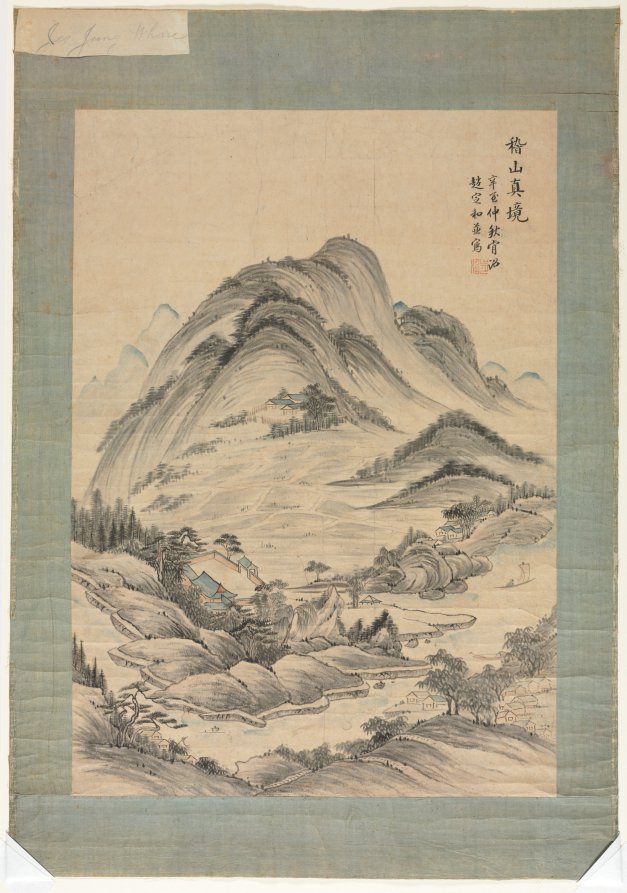 Landscape with Streams and Mountains
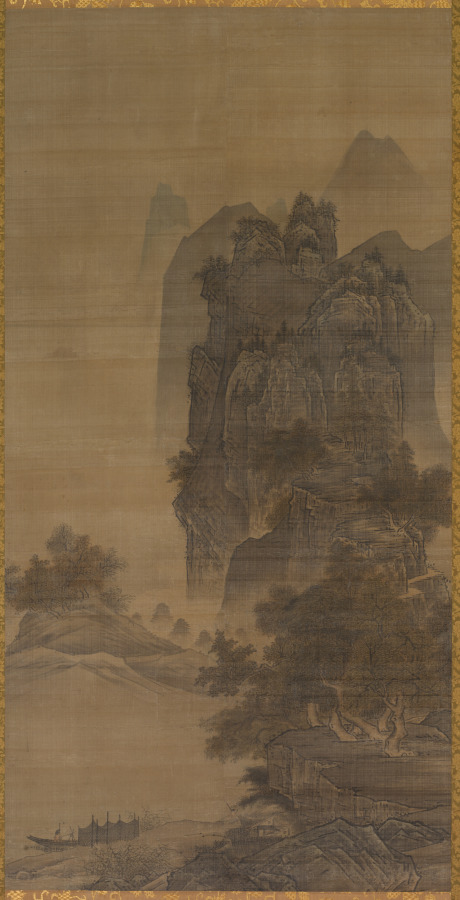 Sesshū Tōyō (Japanese, 1420–1506) — Sunset Glow over a Fishi
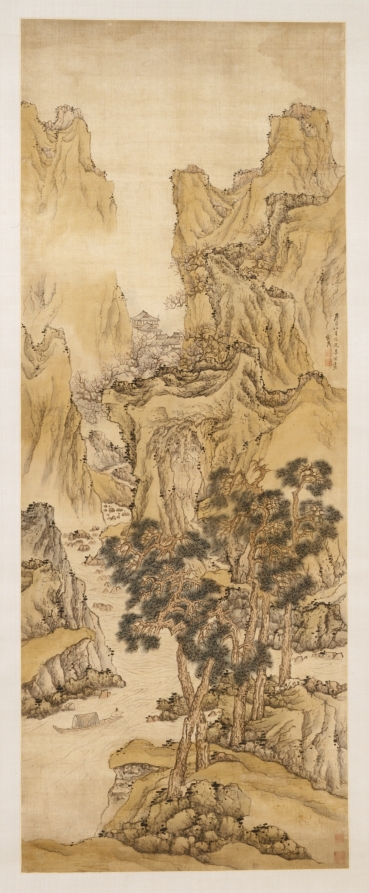 Liu Du (Chinese, active c. 1628-after 1653) — The Peach Blos