In the collection of Cleveland Museum of Art, Cleveland — check current display status with the museum.
FROM THE CLEVELAND MUSEUM OF ART’S CATALOG
As the illustrated press proliferated in France during the 1800s, the caricatures published within such newspapers and magazines were sometimes censored. Paul Gavarni was one of numerous artists at this time who used imagery of laundresses as a means of social critique. Here, a young woman’s blouse falls from her shoulder, suggesting her loose morals. She pauses from ironing to listen as a procuress—a woman who lures girls into sex work—approaches her. The print’s title alludes to the woman’s motives and the precariousness of virtue. Gavarni was among Edgar Degas’s favorite artists, and Degas built a substantial collection of the earlier artist’s prints.
Be the first to share your thoughts.
Sign in to join the discussion.
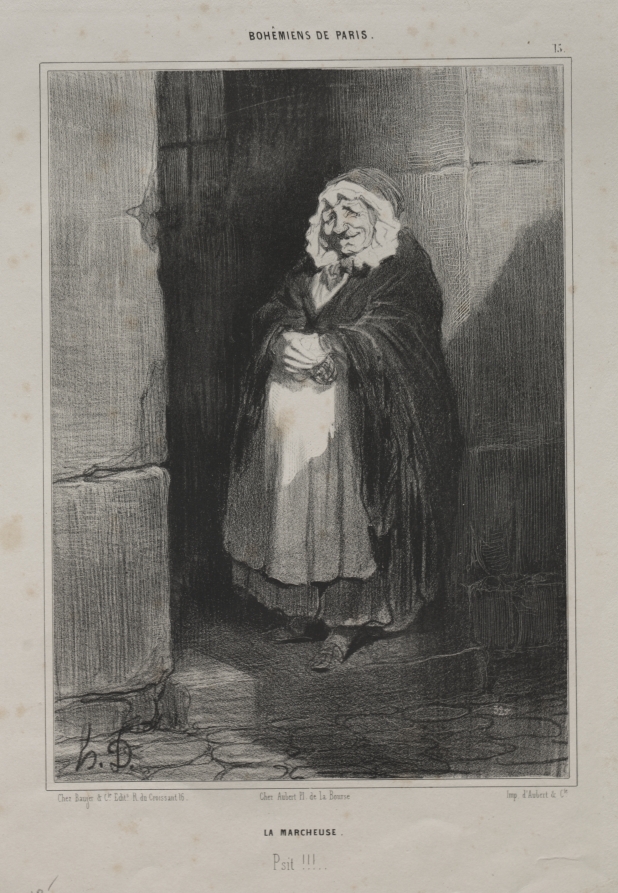 Honoré Daumier (French, 1808–1879) — The Pedestrian
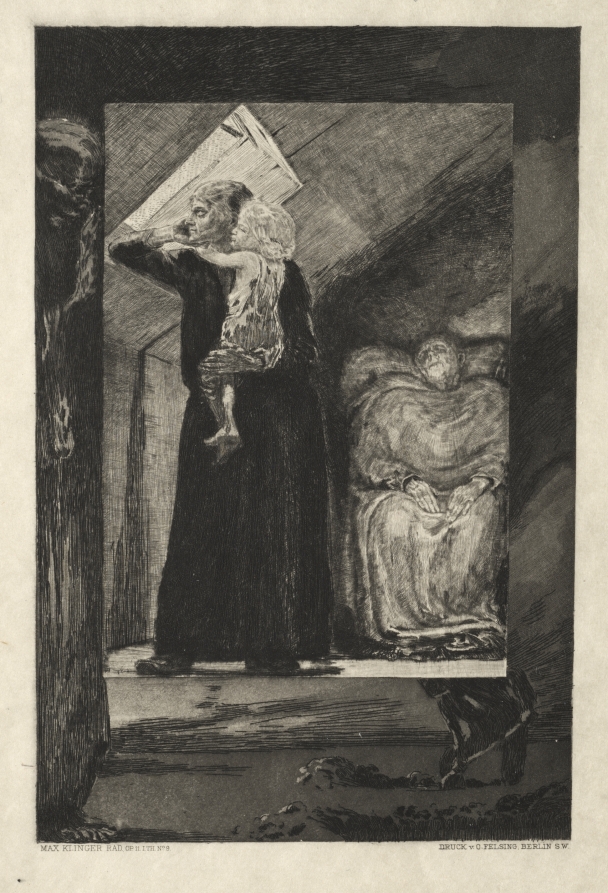 Max Klinger (German, 1857–1920) — Vom Tode I (Opus II, 1889)
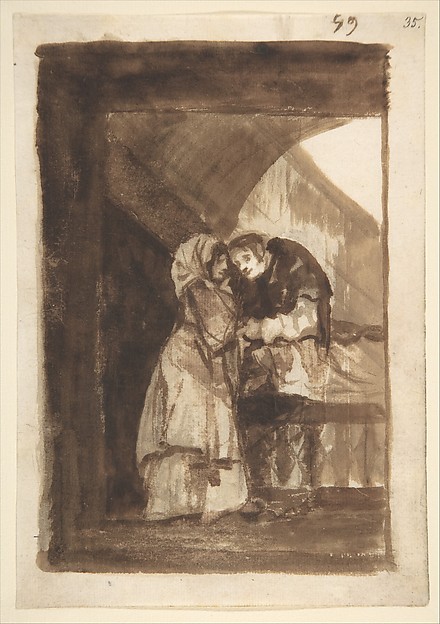 Goya (Francisco de Goya y Lucientes) — A woman talking to a
 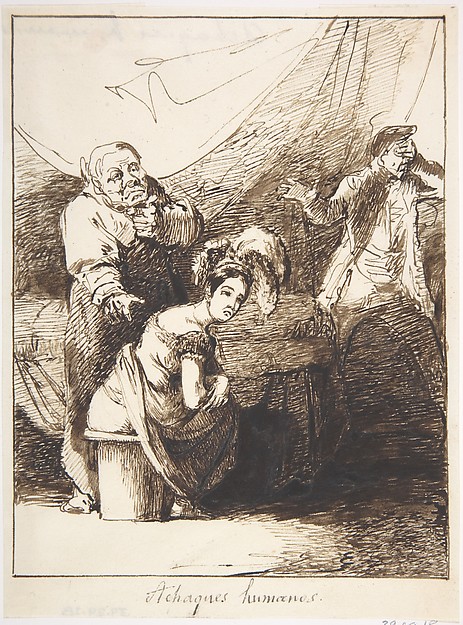 Leonardo Alenza y Nieto — Human Ailments ("Achaques humanos"
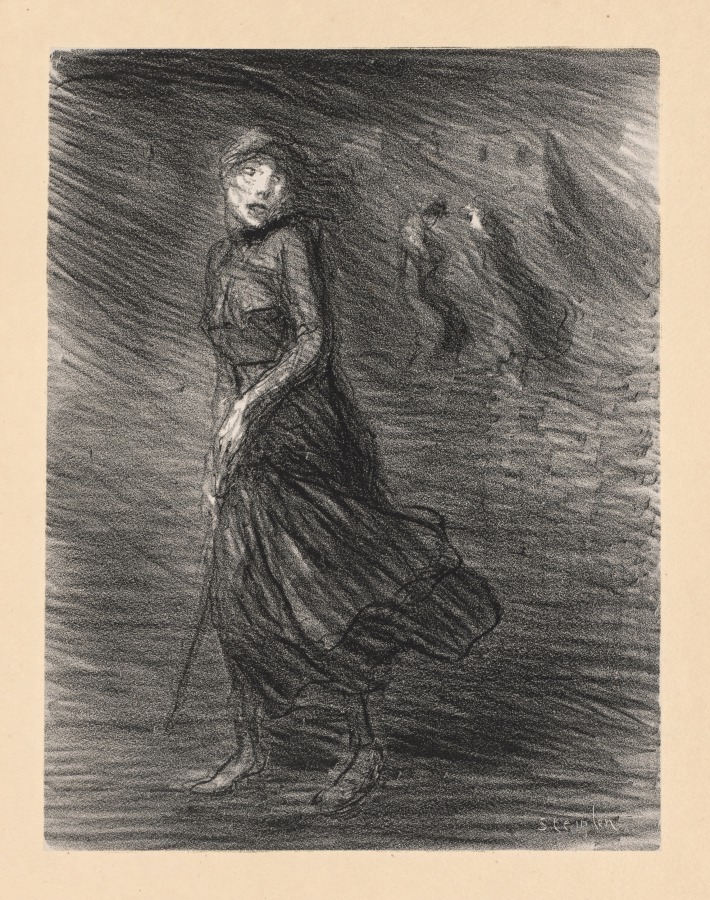 Théophile Alexandre Steinlen (Swiss, 1859–1923) — In the Str
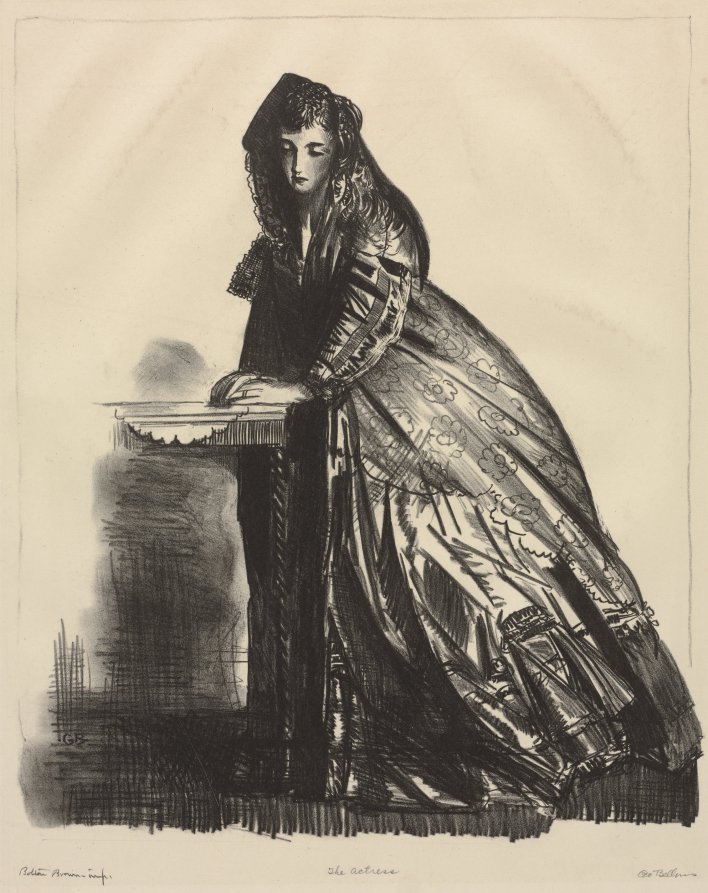 George Bellows (American, 1882–1925) — The Actress
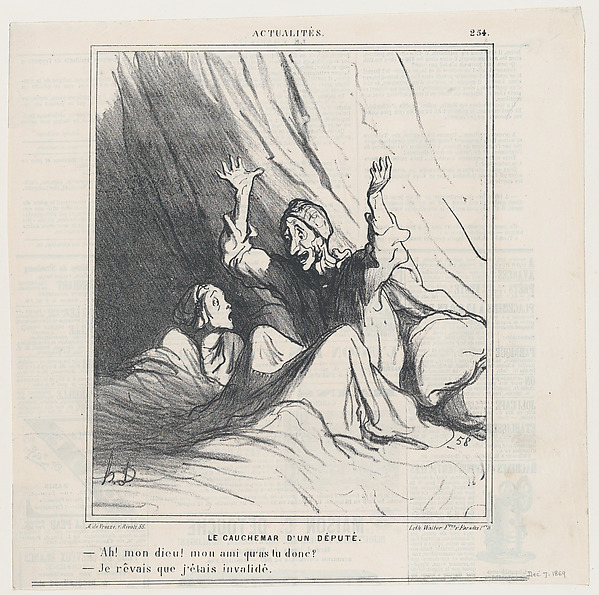 Arnaud de Vresse|Honoré Daumier|Walter Frères — A deputy's n
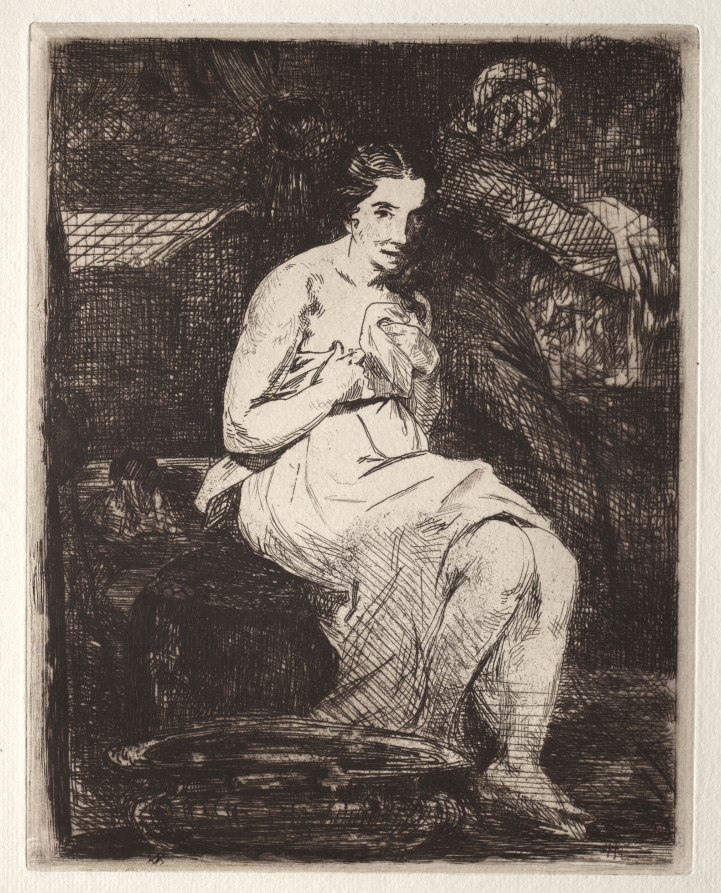 Édouard Manet (French, 1832–1883) — La Toilette
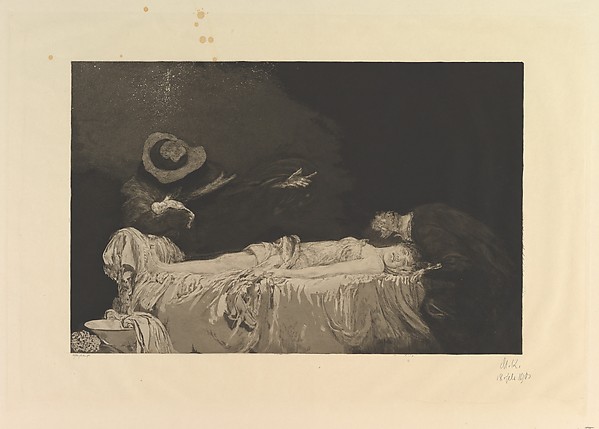 Max Klinger|Wilhelm Felsing — Death (from the series A Love)
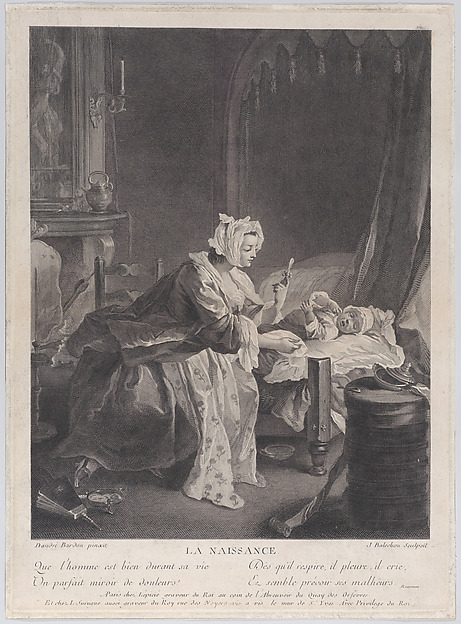 Bernard Lepicié|Louis Surugue|Michel François Dandré-Bardon|
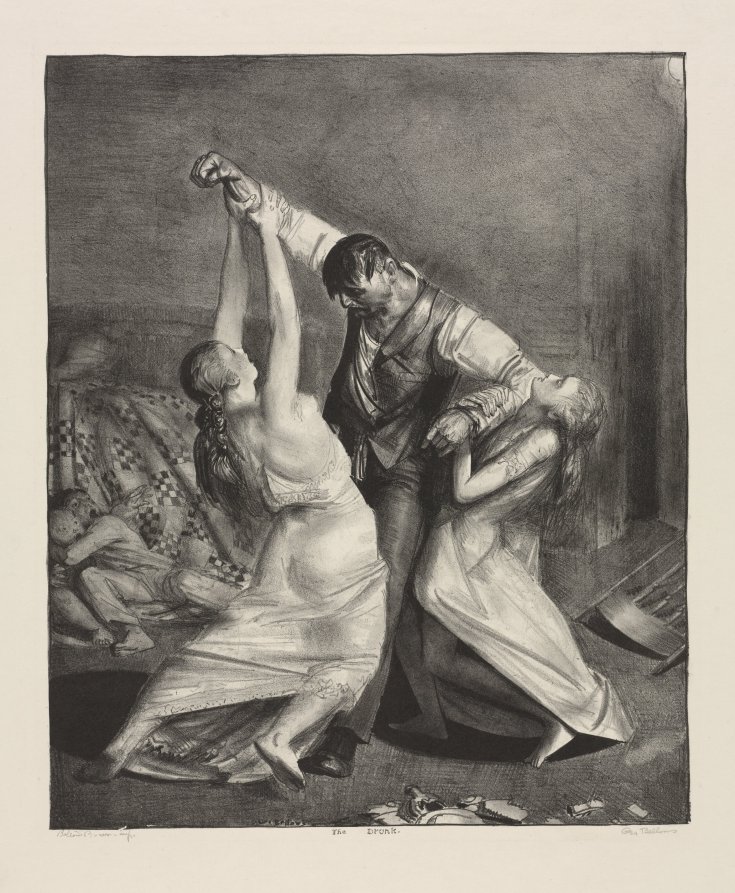 George Bellows (American, 1882–1925) — The Drunk
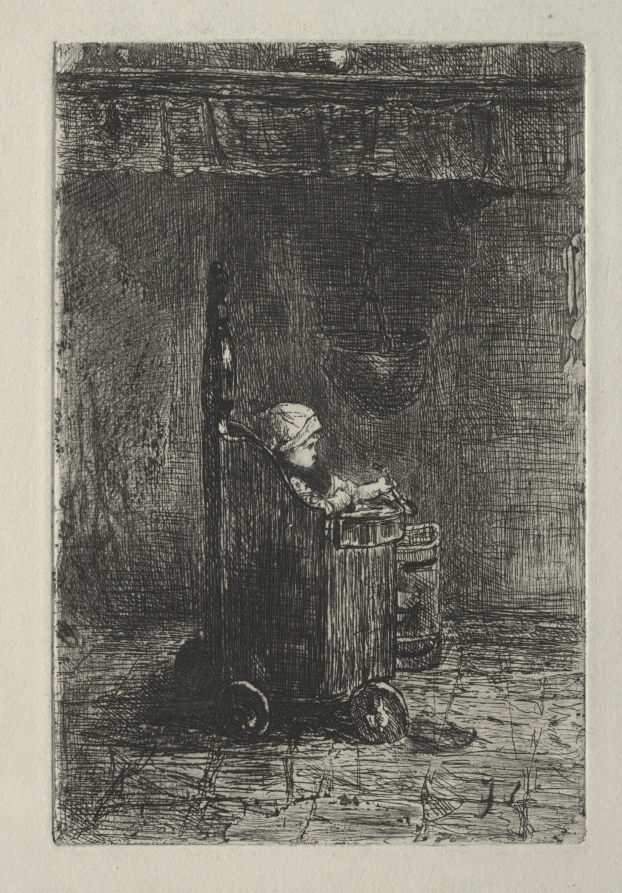 Jozef Israëls (Dutch, 1824–1911) — Baby in His Chair