In the collection of Cleveland Museum of Art, Cleveland — check current display status with the museum.
FROM THE CLEVELAND MUSEUM OF ART’S CATALOG
This scene comes from Greek mythology. According to one version of the story, Orestes (son of Agamemnon, king of Mycenae) and his companion, Pylades, were sent on a mission to retrieve a sculpture of the goddess Artemis. They were captured, however, and brought to the temple to be sacrificed. Luckily, the temple's high priestess, Iphigenia, turns out to be Orestes's sister, who he believed was sacrificed long before. Overjoyed by their reunion, Iphigenia saves Orestes and Pylades and helps them obtain the statue. Agostino Musi was born in Venice and was a pupil of Giulio Campagnola (about 1482–after 1514) before going to Rome, where he worked under Marcantonio until 1520.
Be the first to share your thoughts.
Sign in to join the discussion.
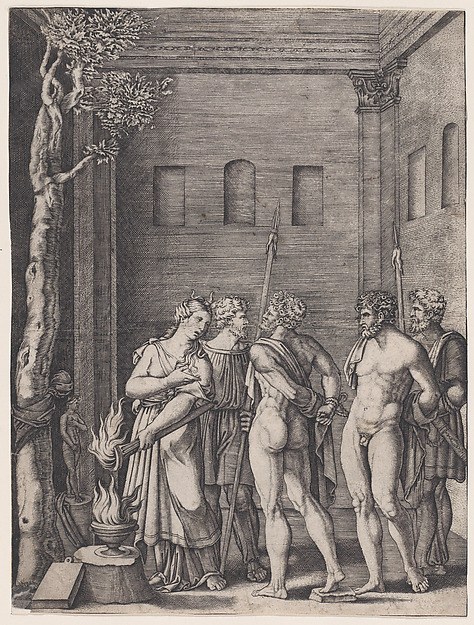 Agostino Veneziano (Agostino dei Musi)|Baccio Bandinelli — I
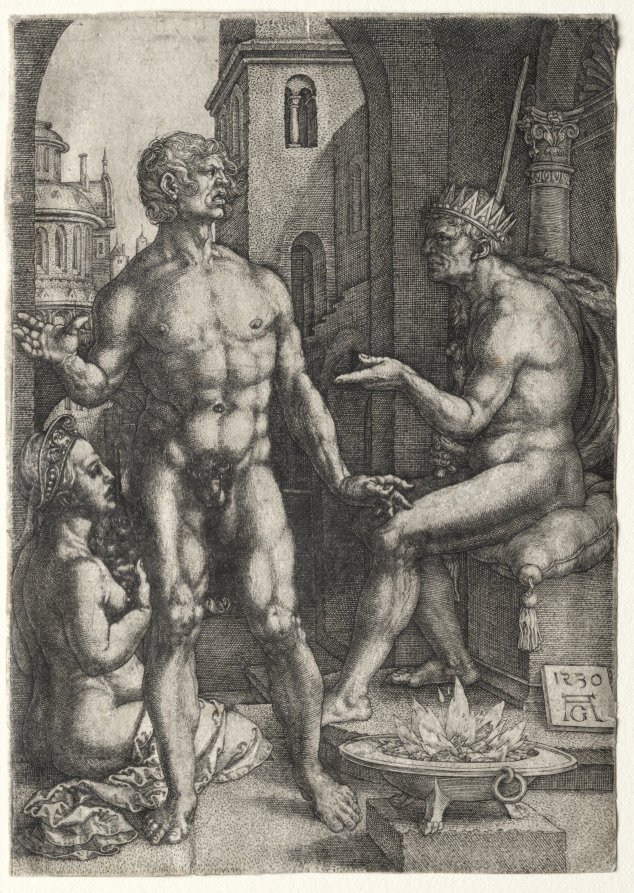 Heinrich Aldegrever (German, 1502–1555/61) — Mucius Saevola
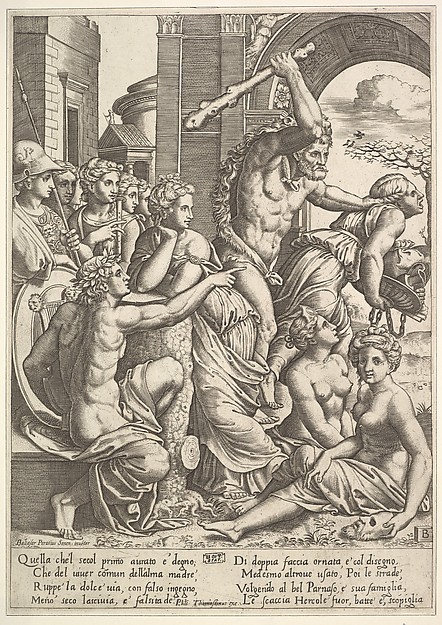 Master of the Die|Ugo da Carpi|Philippe Thomassin|Baldassare
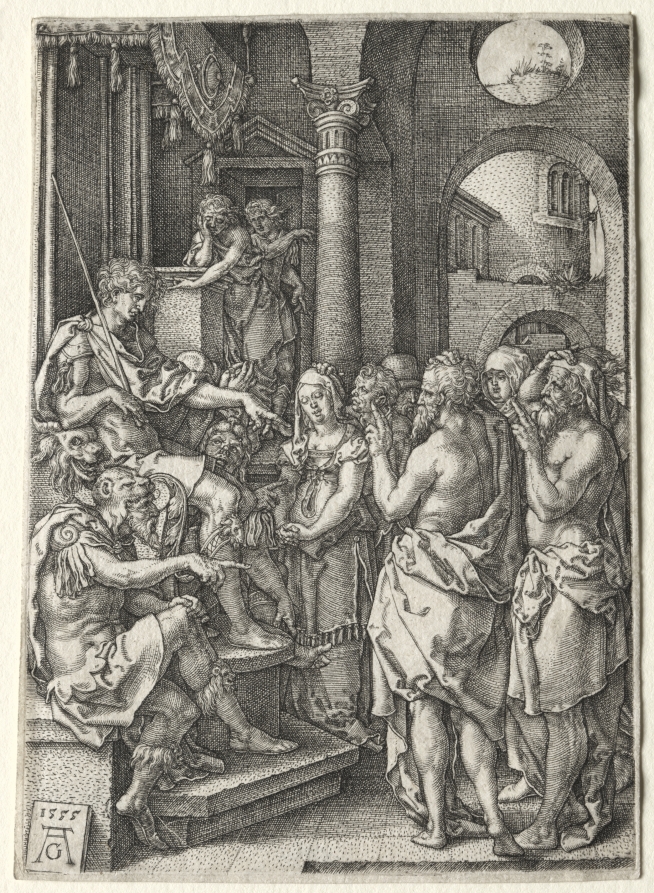 Heinrich Aldegrever (German, 1502–1555/61) — The Story of Su
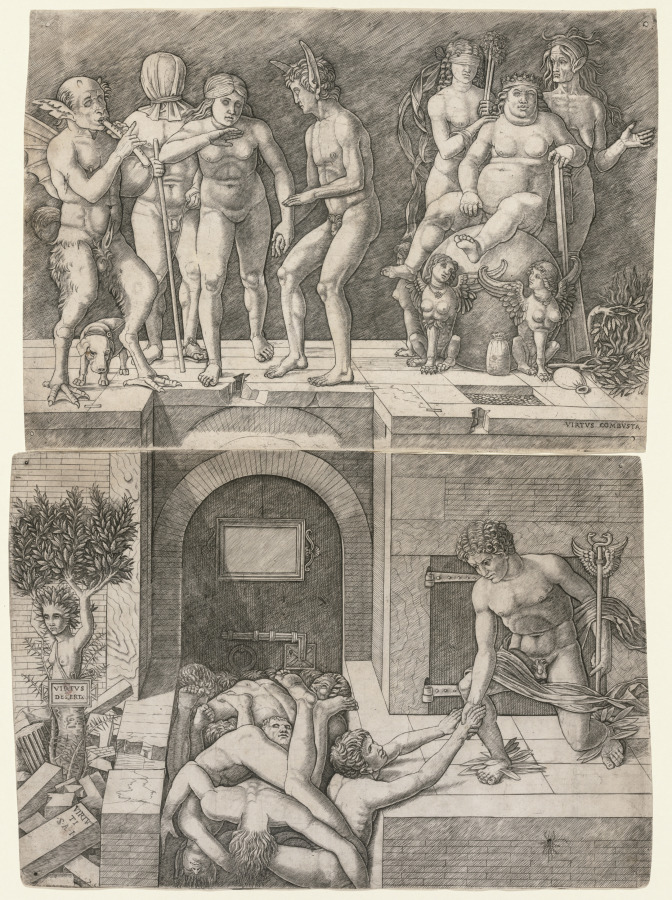 Giovanni Antonio da Brescia (Italian) — Allegory of the Fall
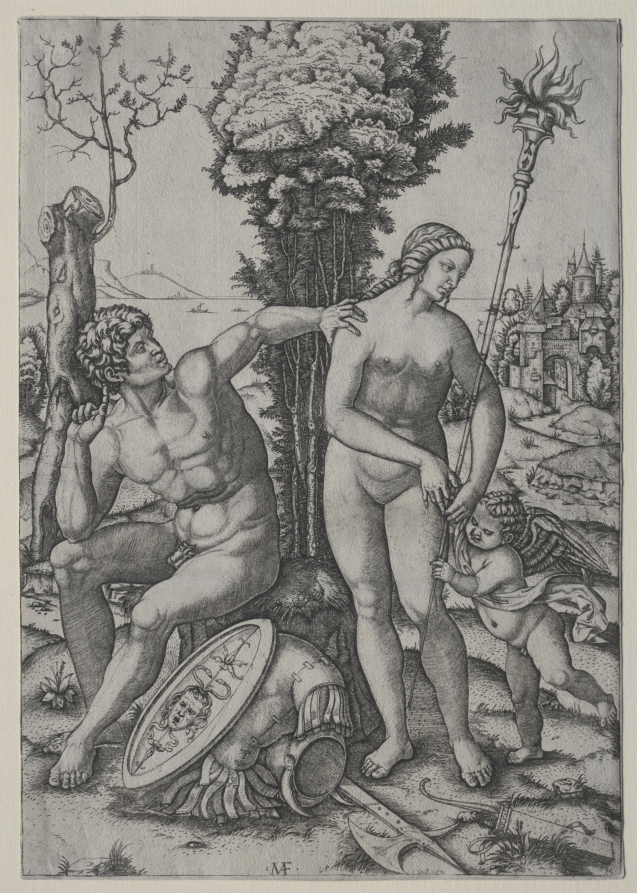 Marcantonio Raimondi (Italian, 1470/82–1527/34) — Venus, Mar
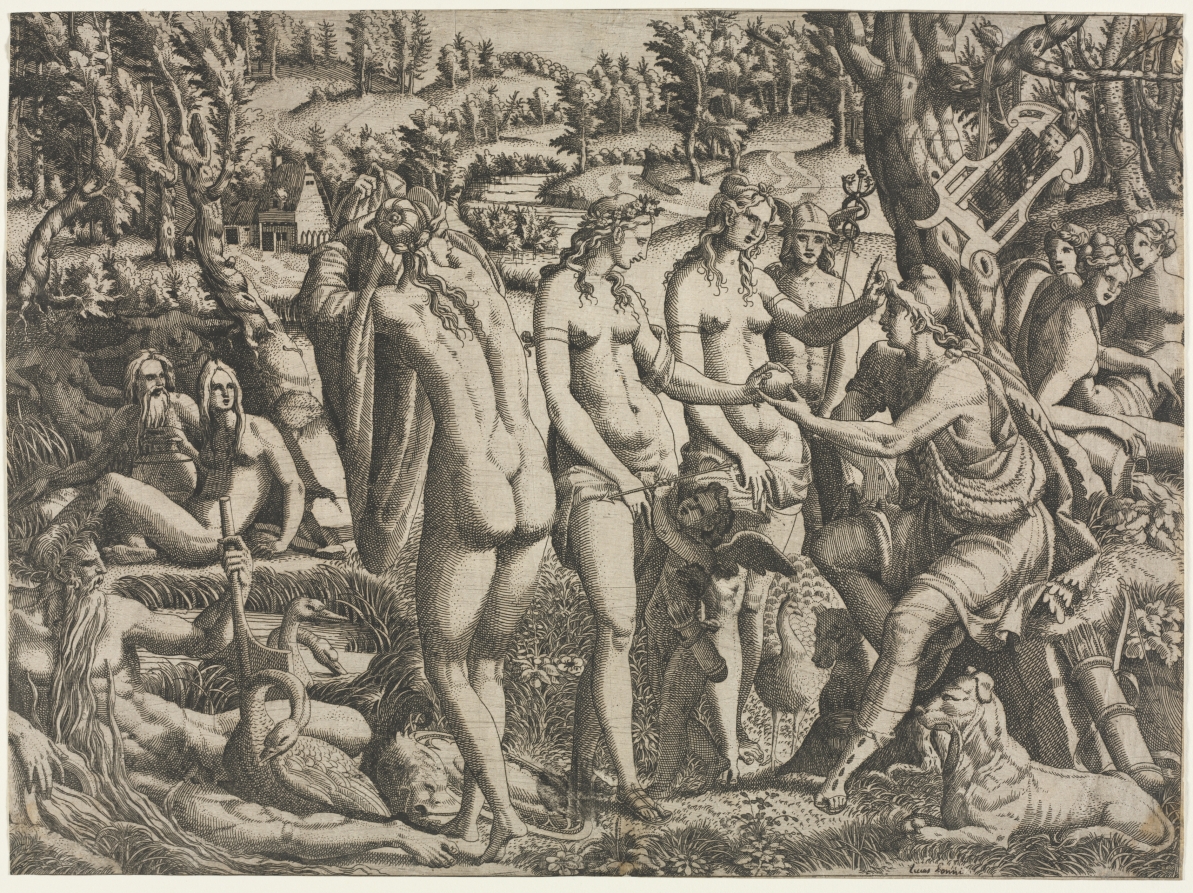 Jean Mignon (French, active c. 1535–55) — The Judgment of Pa
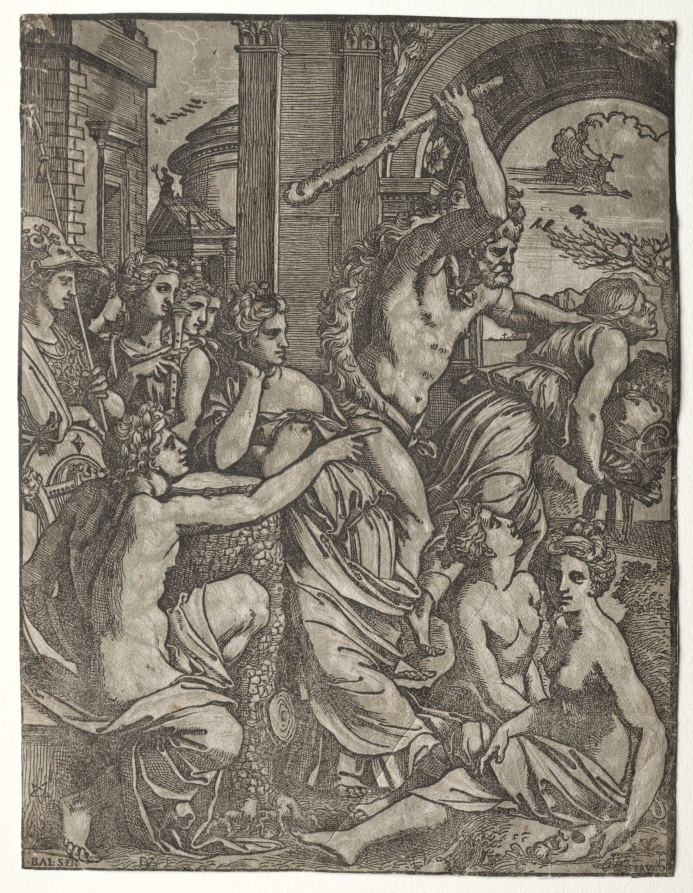 Ugo da Carpi (Italian, c. 1479–c. 1532) — Hercules Driving E
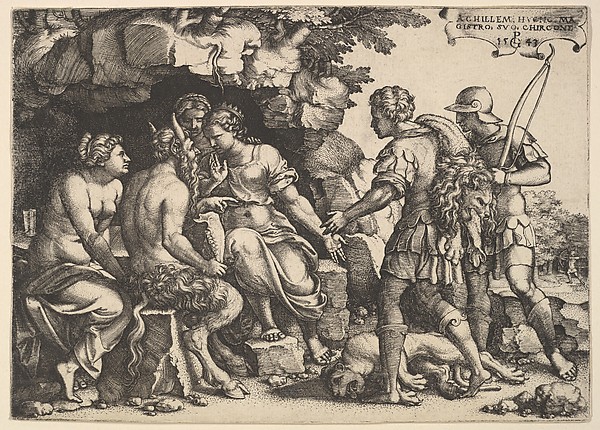 Georg Pencz — Thetis and Chiron
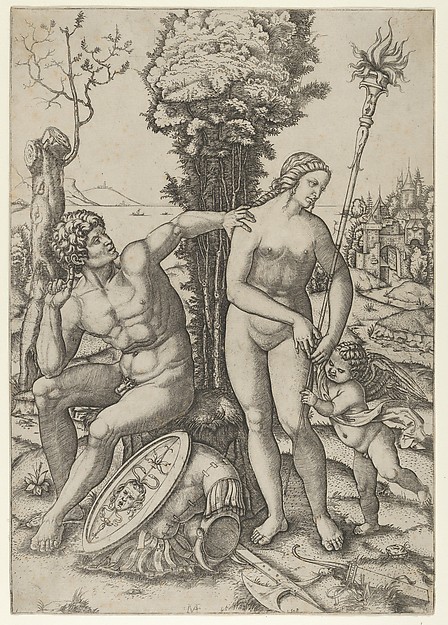 Marcantonio Raimondi — Mars seated at the left, his left han
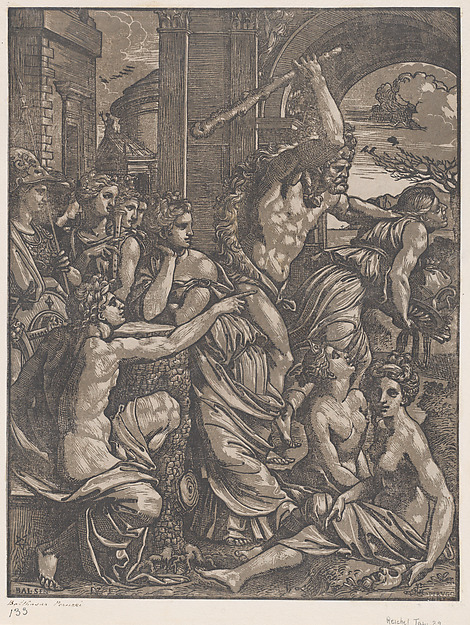 Ugo da Carpi|Baldassare Tommaso Peruzzi — Hercules chasing A
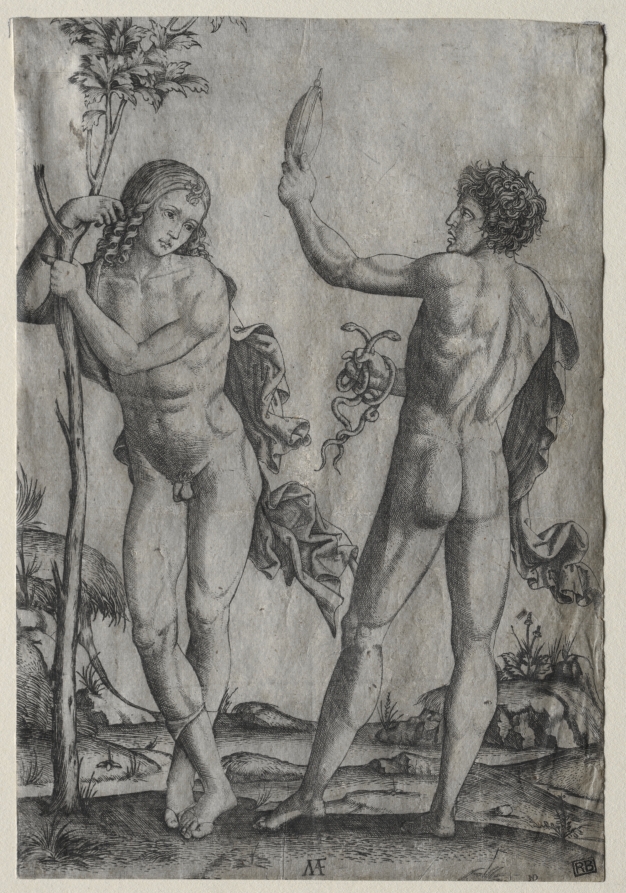 Marcantonio Raimondi (Italian, 1470/82–1527/34) — Two Nude M