FROM THE CLEVELAND MUSEUM OF ART’S CATALOG
Arriving in Istanbul (then Constantinople) in 1852, Ernest de Caranza, a French factory engineer, took many photographs during his extensive travels on scientific missions throughout the Asiatic part of the Ottoman Empire. Self-taught as a photographer, he relied on the waxed paper negative process, created his own materials, and formulated an excellent fixative which tended to gray the blacks, giving the images a remarkable transparency in the shadows. In this charming view, he described the surrounding streetscape while concentrating on the distinctive, ancient architecture of the centrally positioned building. His beautifully descriptive photographs helped to shape Westerners' understanding of this historic city.
Source ↗︎
Be the first to share your thoughts.
![[Tomb of Khan of Khiva, Uzbekistan]](https://images.metmuseum.org/CRDImages/ph/web-large/DP202938.jpg) Luigi Pesce — [Tomb of Khan of Khiva, Uzbekistan]
Luigi Pesce — [Tomb of Khan of Khiva, Uzbekistan]![[Mosque of Nasser-eddin Shah, Teheran, Iran]](https://images.metmuseum.org/CRDImages/ph/web-large/DP202936.jpg) Luigi Pesce — [Mosque of Nasser-eddin Shah, Teheran, Iran]
Luigi Pesce — [Mosque of Nasser-eddin Shah, Teheran, Iran]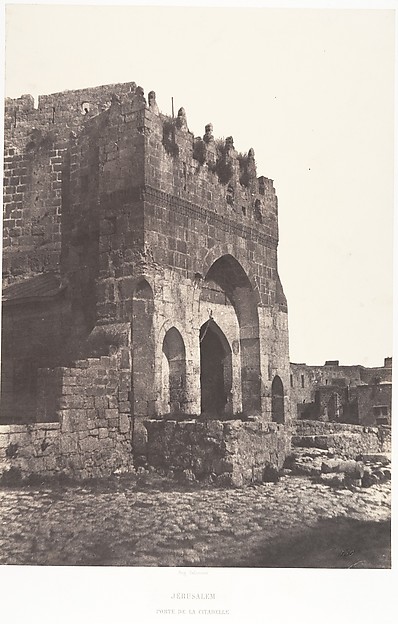 Auguste Salzmann|Imprimerie photographique de Blanquart-Évra
![[The Sublime Porte, Teheran, Iran]](https://images.metmuseum.org/CRDImages/ph/web-large/DP202934.jpg) Luigi Pesce — [The Sublime Porte, Teheran, Iran]
Luigi Pesce — [The Sublime Porte, Teheran, Iran]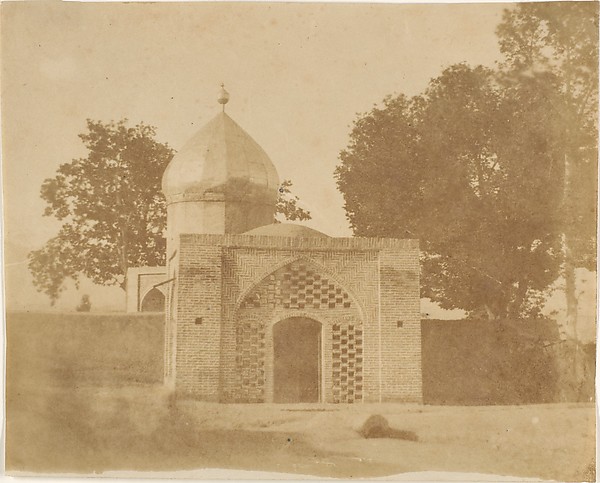 Luigi Pesce — Tomb of the Khan of Khiva at Teheran
![[Tomb of Kogin Baba]](https://images.metmuseum.org/CRDImages/ph/web-large/DP202974.jpg) Luigi Pesce — [Tomb of Kogin Baba]
Luigi Pesce — [Tomb of Kogin Baba]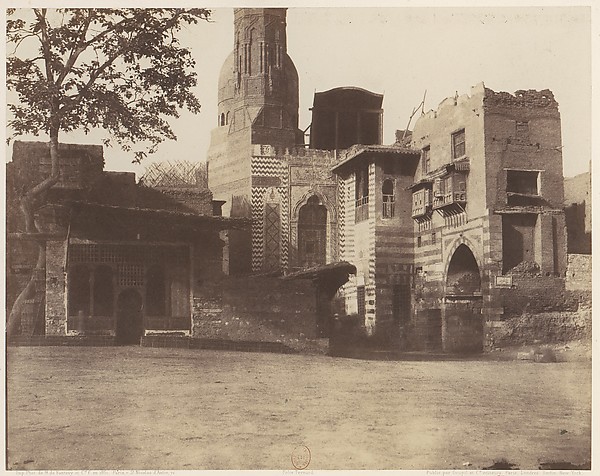 Félix Teynard|Imprimerie Photographique de H. de Fonteny et
 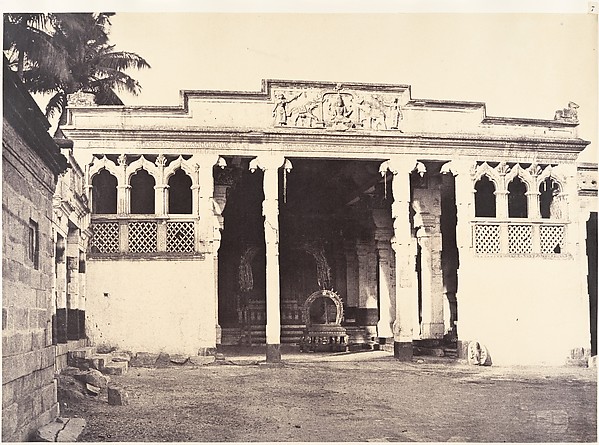 Linnaeus Tripe — The Kulayana Mundapam
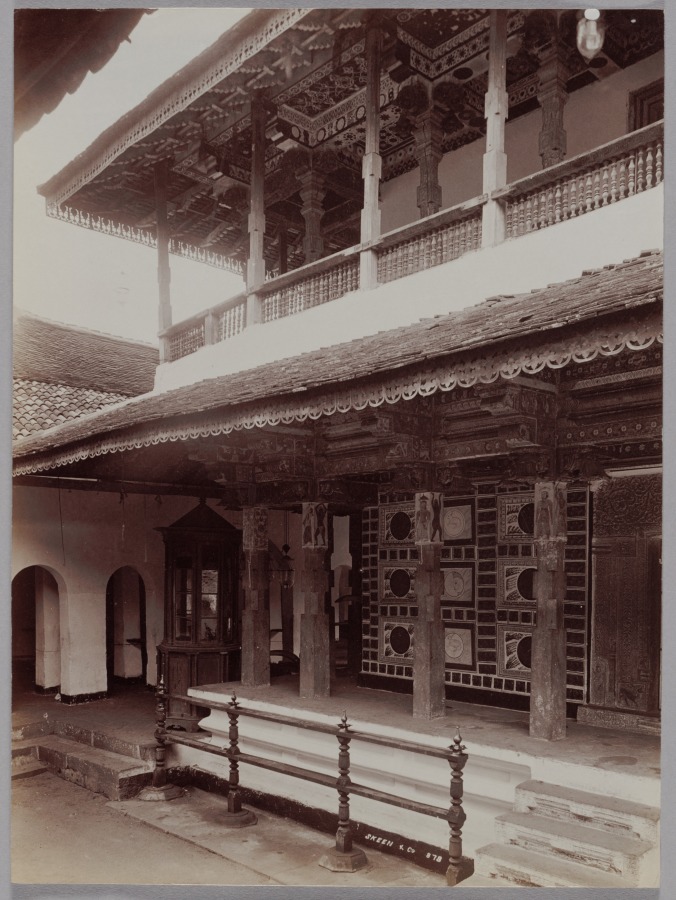 Skeen & Co. (British, active 1860–1920) — Buddhist Temple in
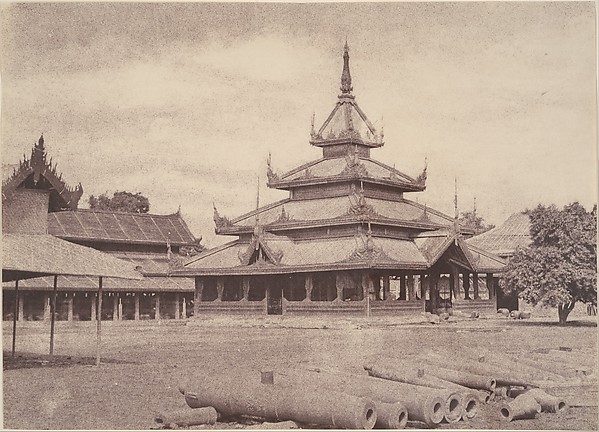 Linnaeus Tripe — Amerapoora, Palace of the White Elephant
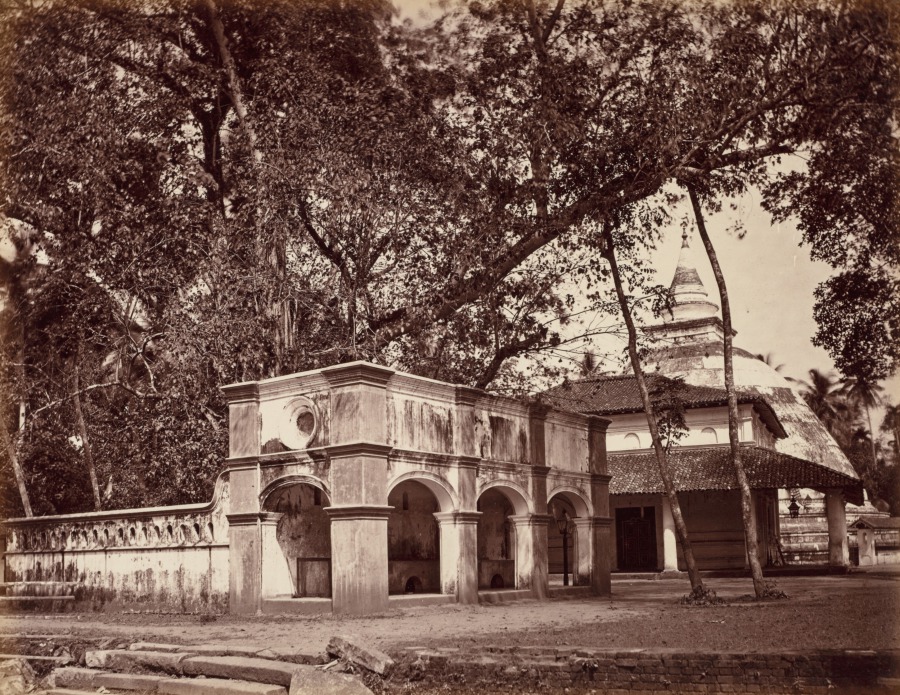 Scowen & Co. (British, active Ceylon, 1876–1895) — Buddhist
 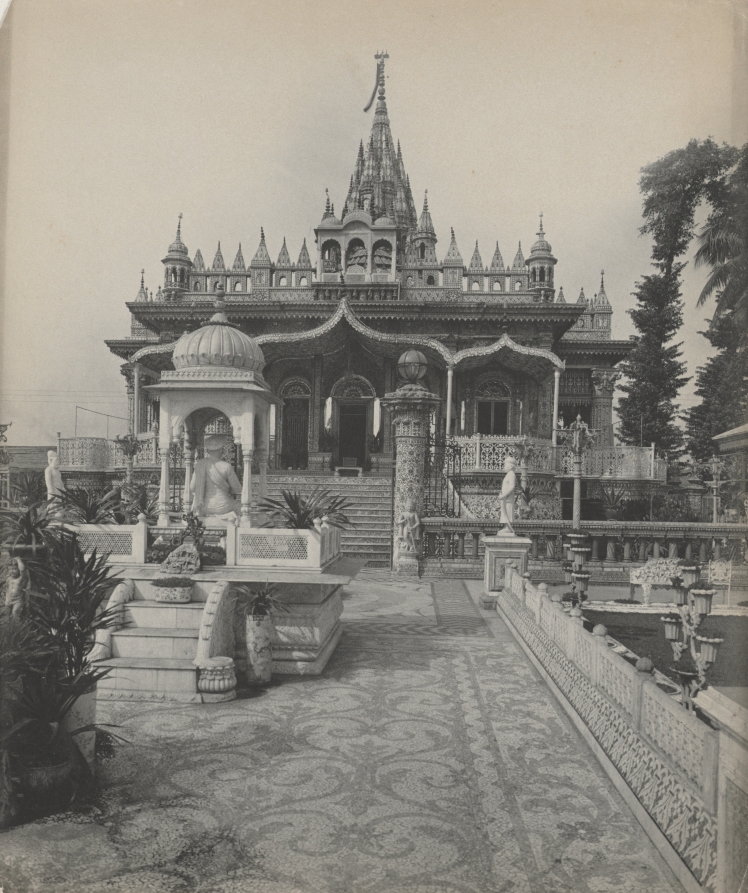 A. W. A. Plâté Studio (Ceylonese) — Jain Temple, Calcutta