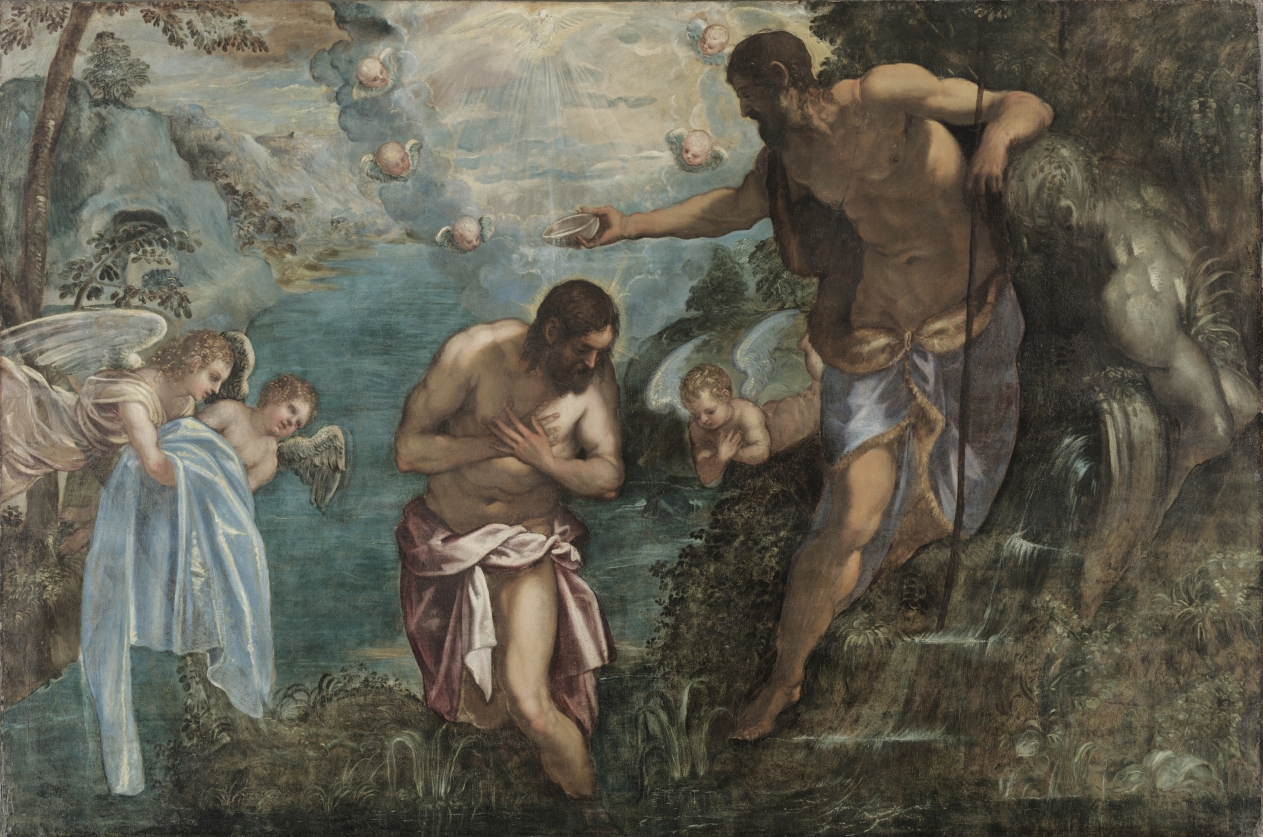
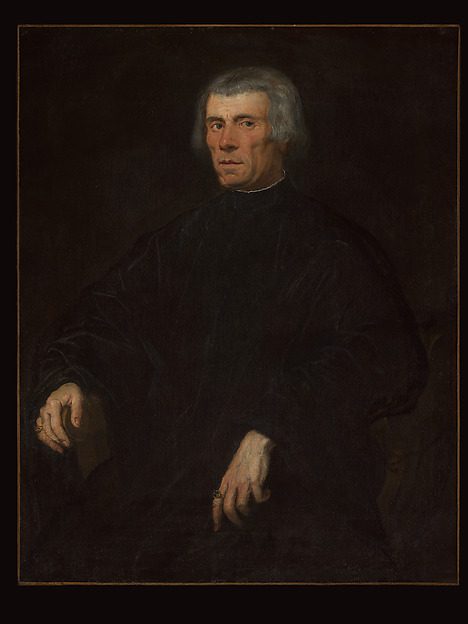
In the collection of Barnes Foundation, Philadelphia — check current display status with the museum.
FROM THE BARNES FOUNDATION’S CATALOG
The sitter in this large portrait, shown here from the waist up, is likely a patrician from Venice. Prior to the middle of the 16th century, portraiture in Europe had traditionally been reserved for the nobility and was a sign of high status. By Tintoretto's time, however, tradesmen and artisans regularly commissioned paintings of themselves. Consequently, for the noble classes, a portrait's overall size—in addition to the depiction of a lavish costume and accessories—emerged as a way of announcing one's important status.
Be the first to share your thoughts.
Sign in to join the discussion.
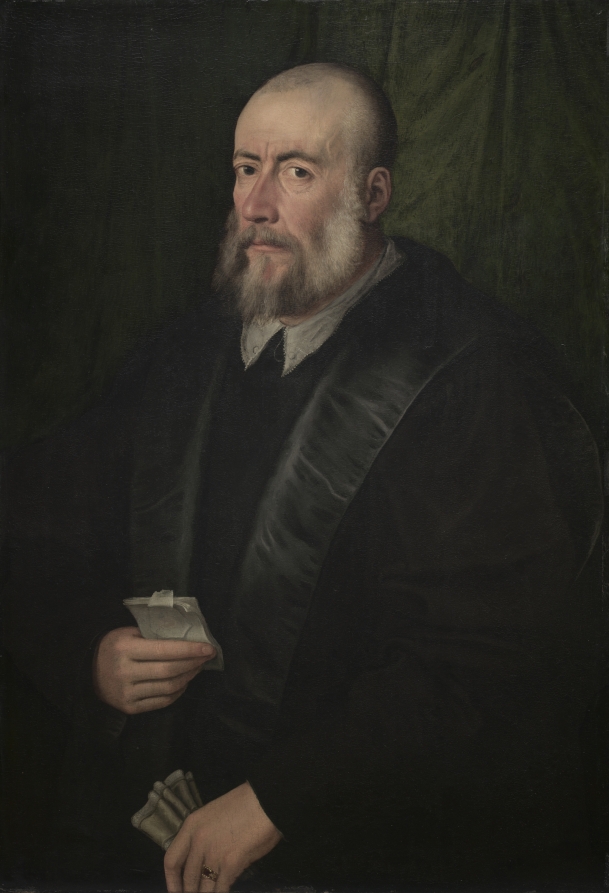 Giulio Campi (Italian, c. 1500–1572) — Portrait of an Old Ma
 Paolo Veronese — Portrait of Daniele Barbaro
 Francesco Salviati — Portrait of a Man
 Jacopo Bassano — Portrait of a Bearded Man
 anonymous — Portrait of a Man
 Titian — Alfonso d'Este (1486–1534), Duke of Ferrara
 Pietro Marescalchi — Portrait of a Gentleman
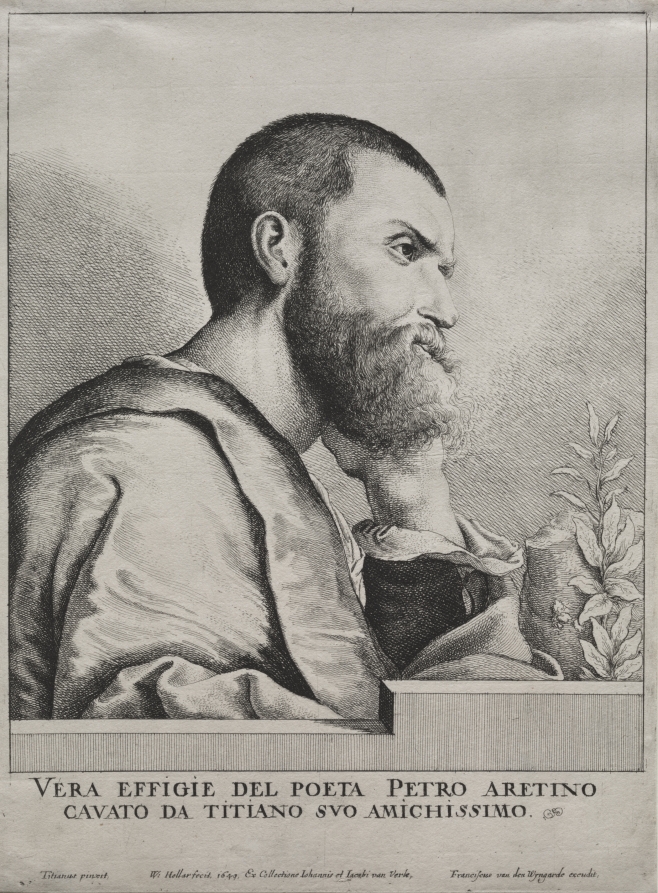 Wenceslaus Hollar (Bohemian, 1607–1677) — Portrait of Pietro
 Palma il Giovane — Portrait of a Gentleman
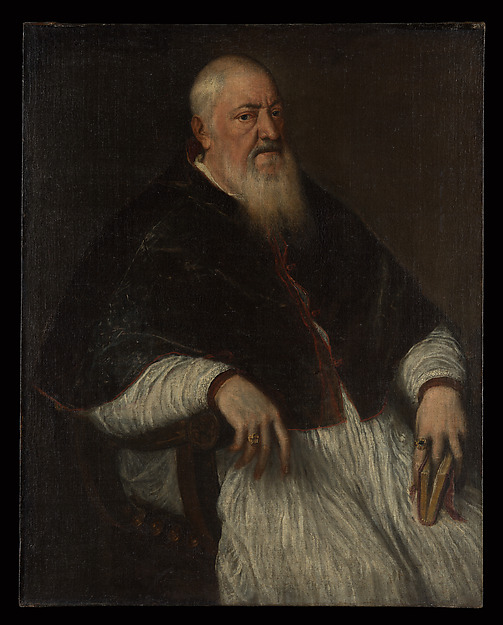 Titian (Tiziano Vecellio) — Filippo Archinto (born about 150
 Édouard Manet — Copy of a self-portrait by Jacopo Tintoretto
 Jan van Hemessen — Portret van een man