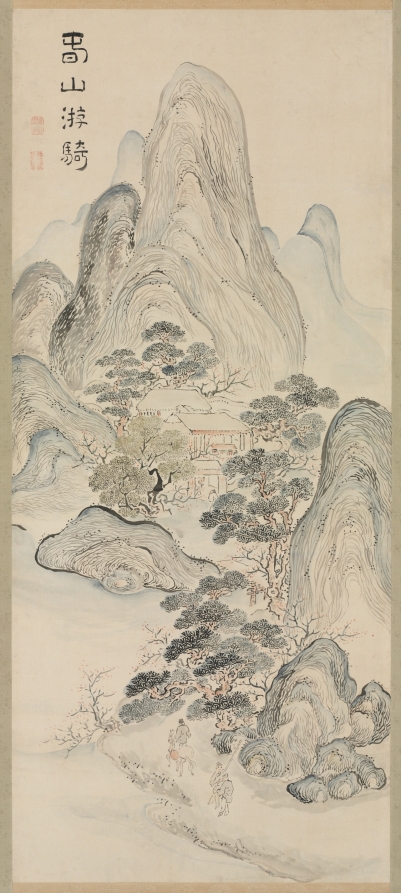
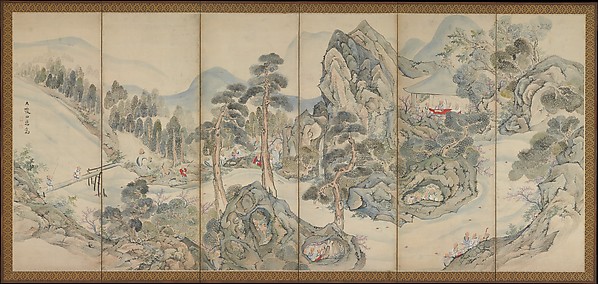
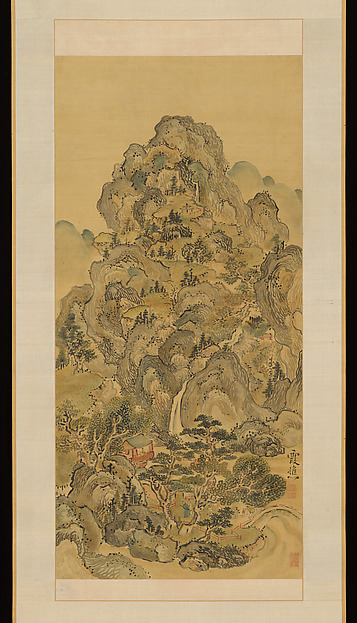
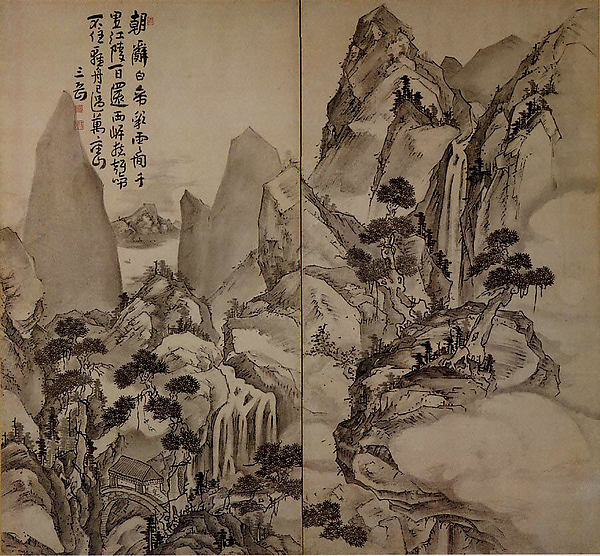
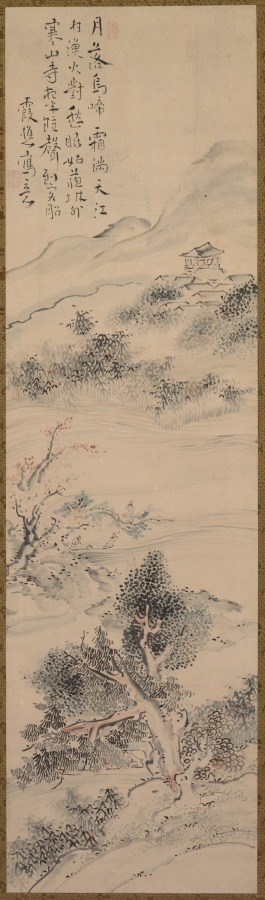
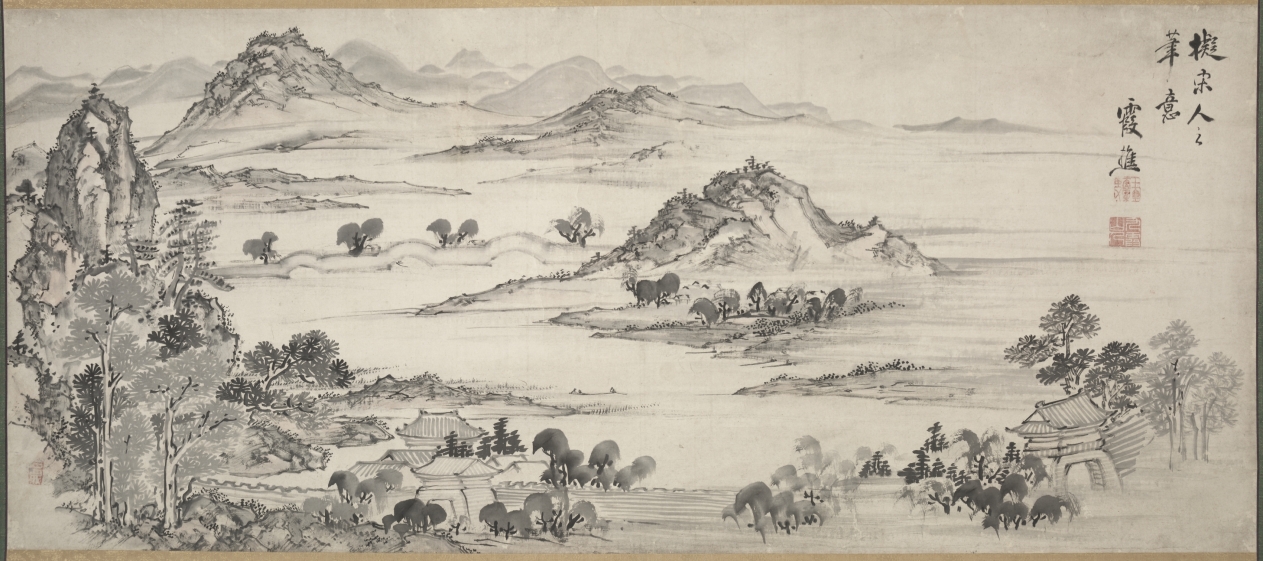
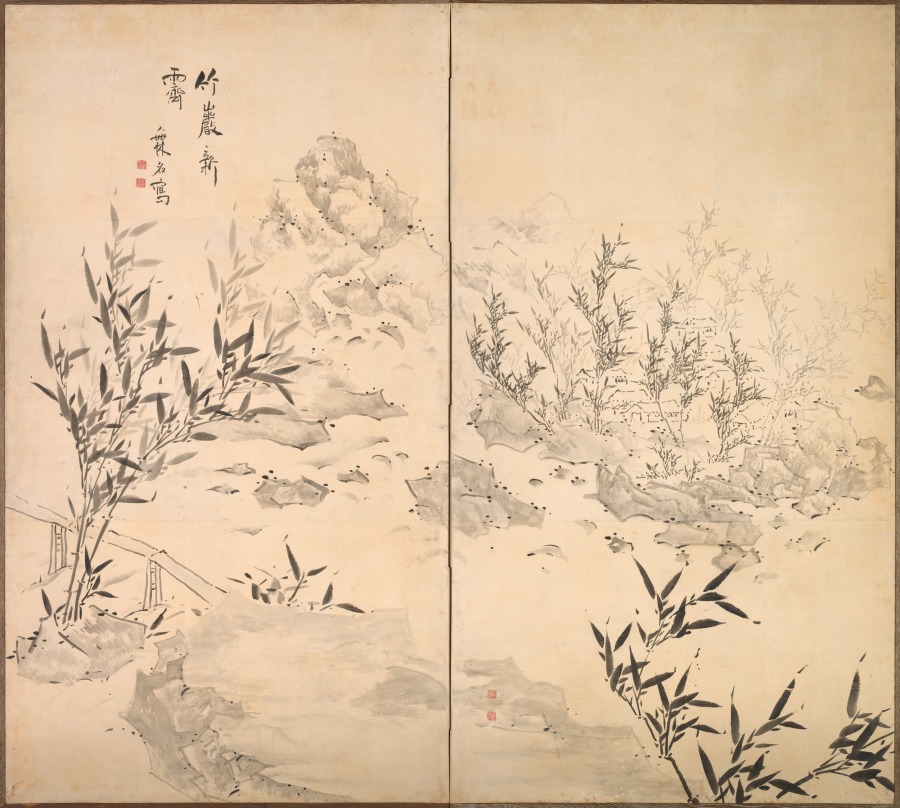
In the collection of Cleveland Museum of Art, Cleveland — check current display status with the museum.
FROM THE CLEVELAND MUSEUM OF ART’S CATALOG
Ike Taiga was subject to many artistic influences; we know he practiced Zen calligraphy from an early age, his father may have had ties to the famous painter Ōgata Kōrin (1658–1716), he may have trained under a Tosa school painter, and he is thought to have seen Western images early on that informed his approach in representing depth. Though he started with professional beginnings—making a living after his father’s death by selling paintings on fans—he surrounded himself with the members of the literati community, and never stopped absorbing stylistic influences from diverse sources throughout his career. As a result, his style is unique and aesthetically definitive of nanga —the name given to Japanese literati painting.
Be the first to share your thoughts.
Sign in to join the discussion.
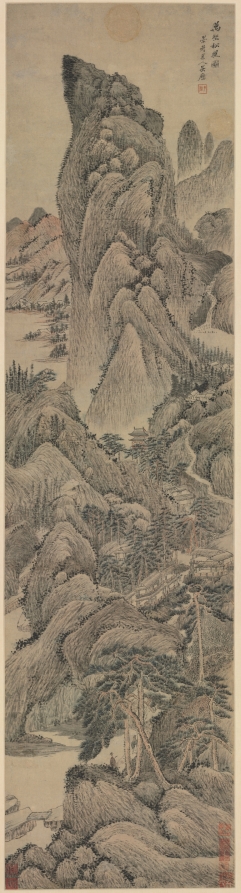 Wu Li (Chinese, 1632–1718) — Pine Wind from Myriad Villages
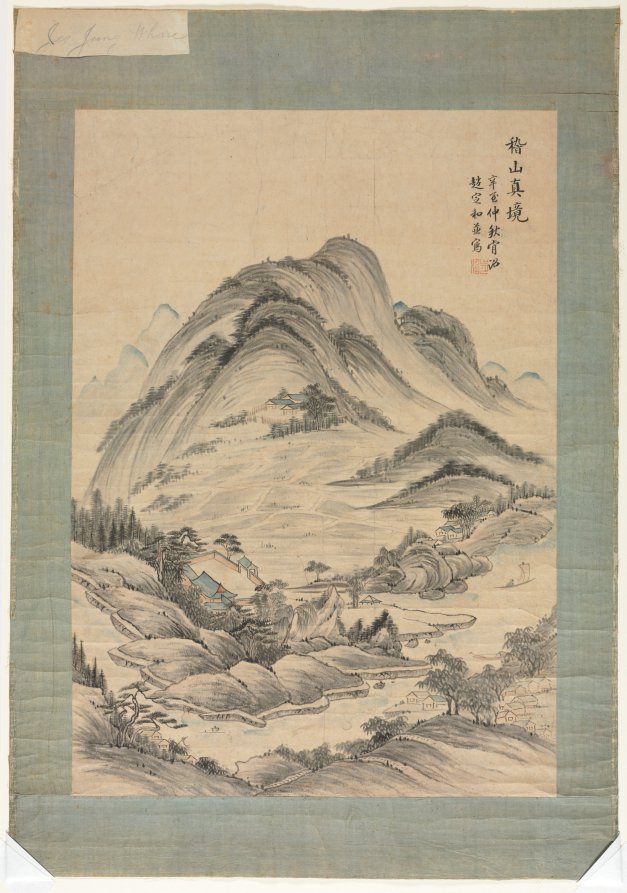 Landscape with Streams and Mountains
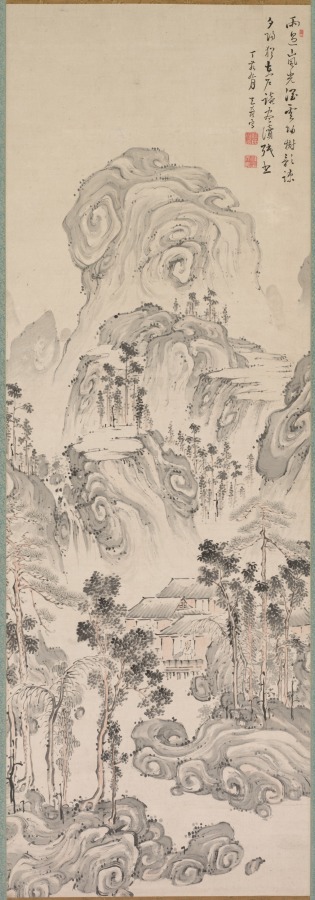 Kan Tenju (Japanese, 1727–1795) — Landscape with Gentle Peak
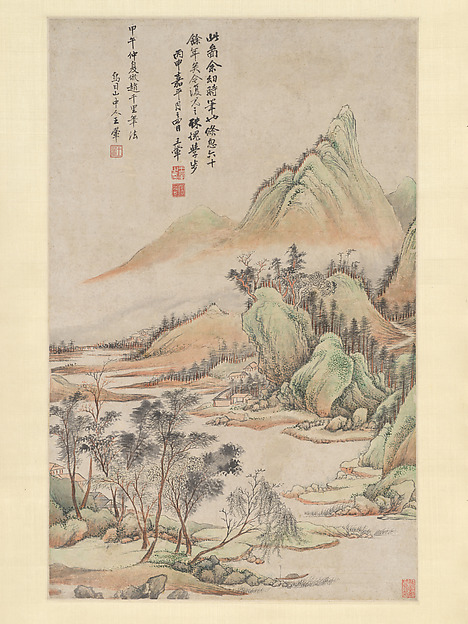 Wang Hui — 倣趙伯駒山水圖 軸|Landscape in the Style of Zhao Boju (Fa
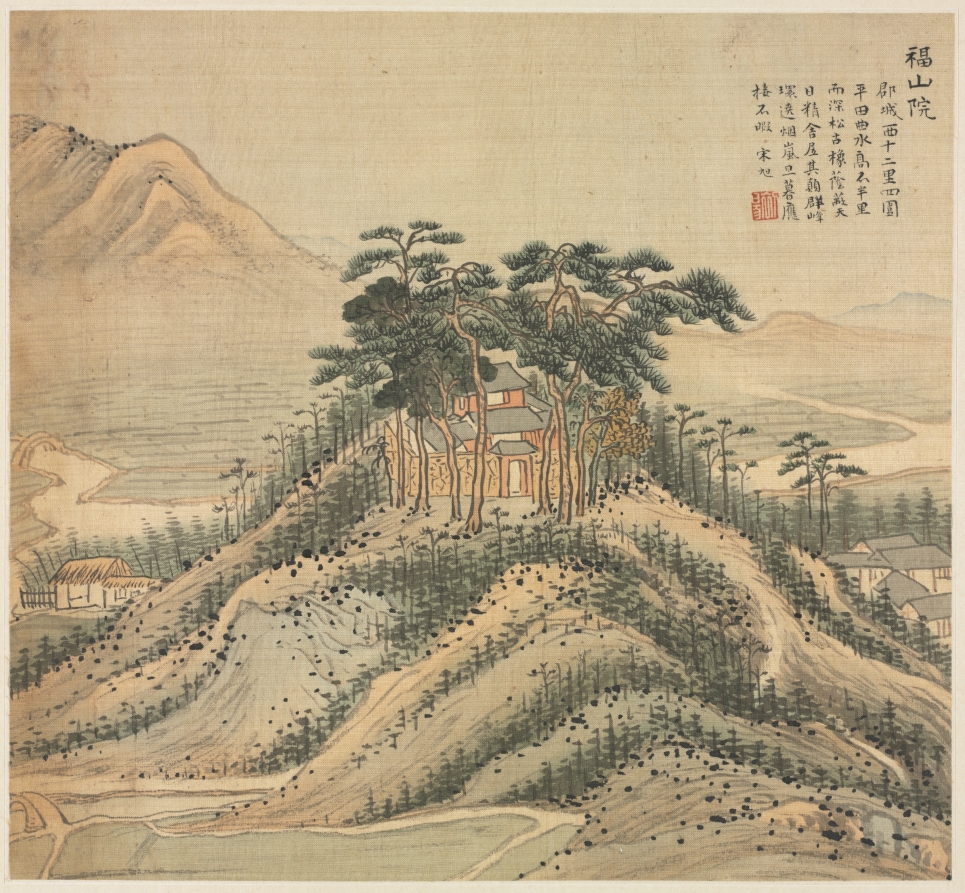 Song Xu (Chinese, 1525-c. 1606) — Fushan Monastery
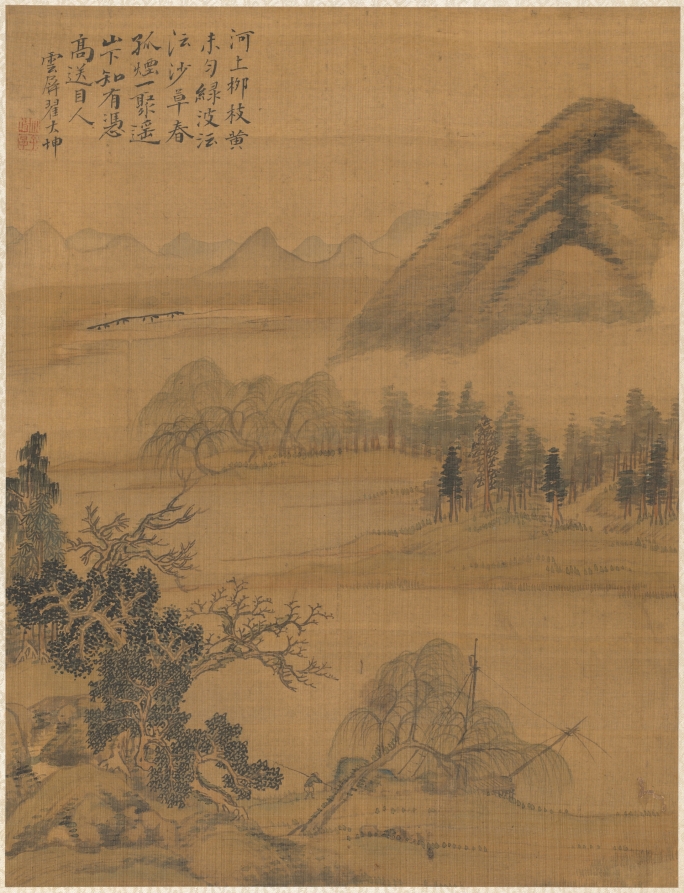 Zhai Dakun (Chinese, d. 1804) — Landscape
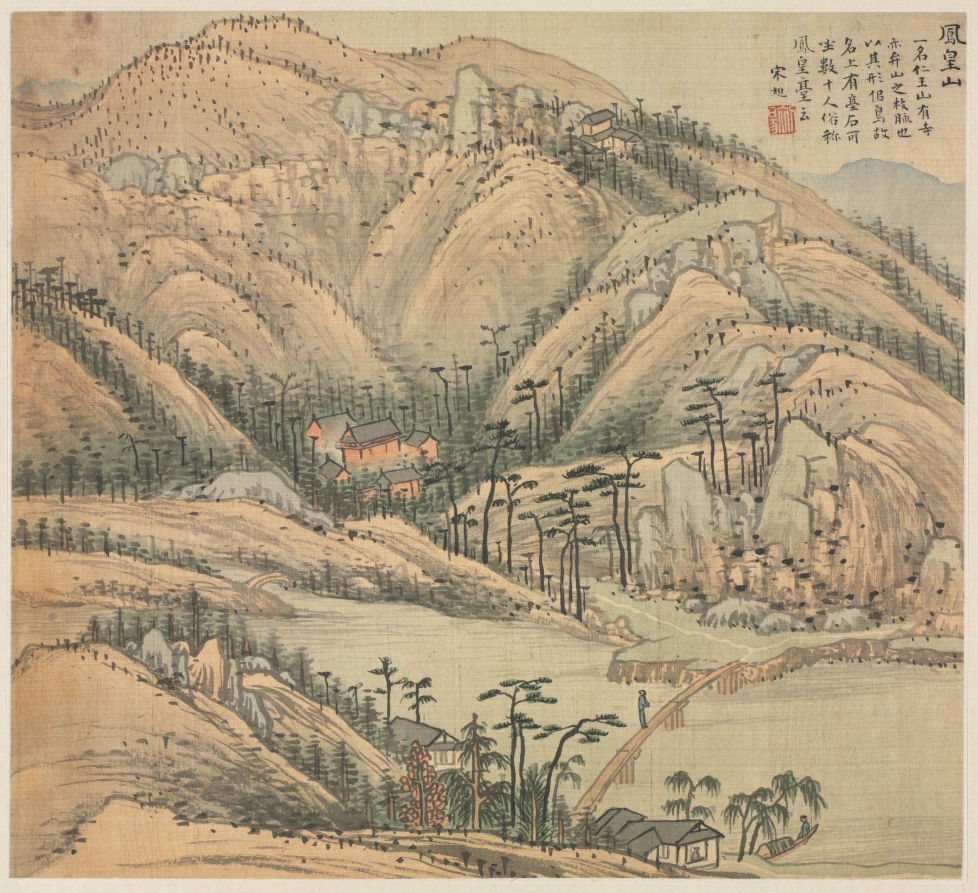 Song Xu (Chinese, 1525-c. 1606) — Mt. Fenghuang (Mt. Phoenix
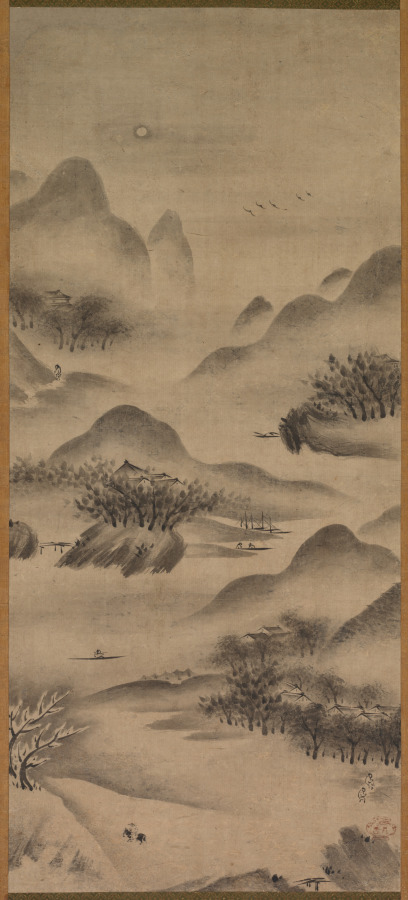 Landscape
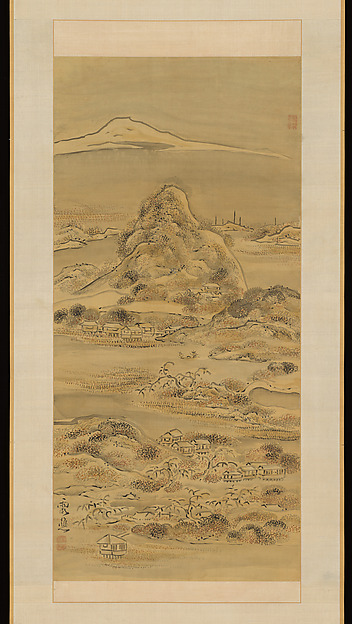 Ike Taiga
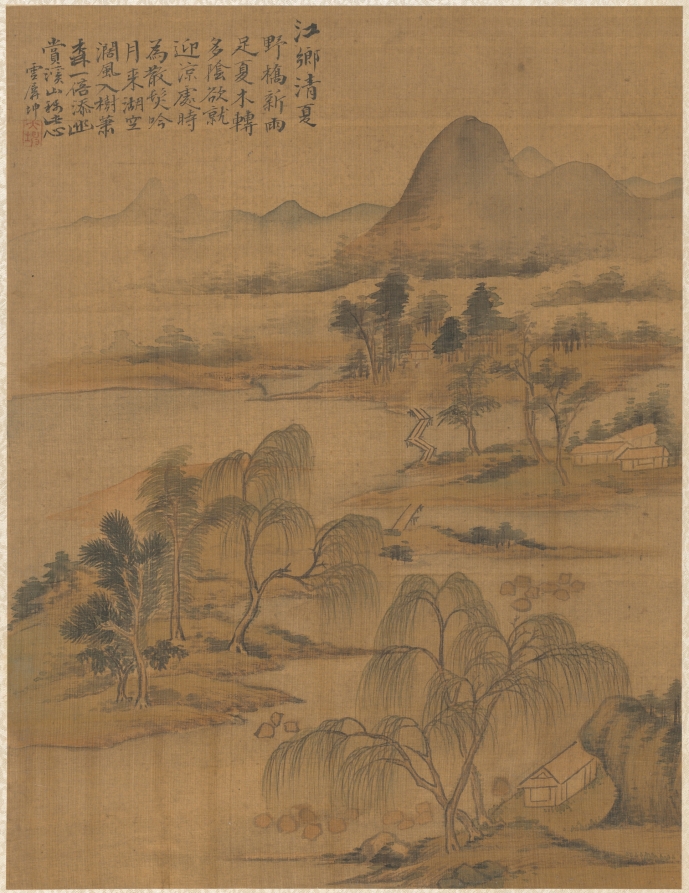 Zhai Dakun (Chinese, d. 1804) — River Village in High Summer
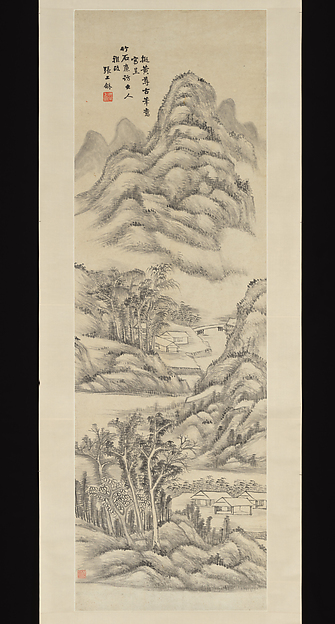 Zhang Shanghe — 清 張上龢 山水 軸|Landscape
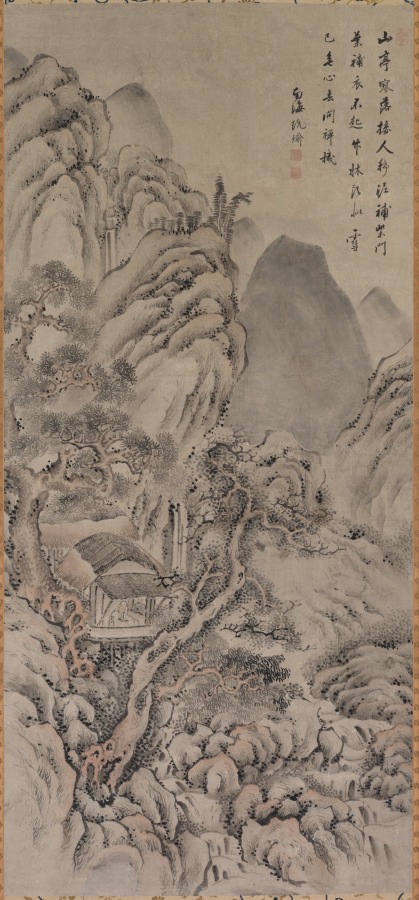 Gion Nankai (Japanese, 1677–1751) — Landscape