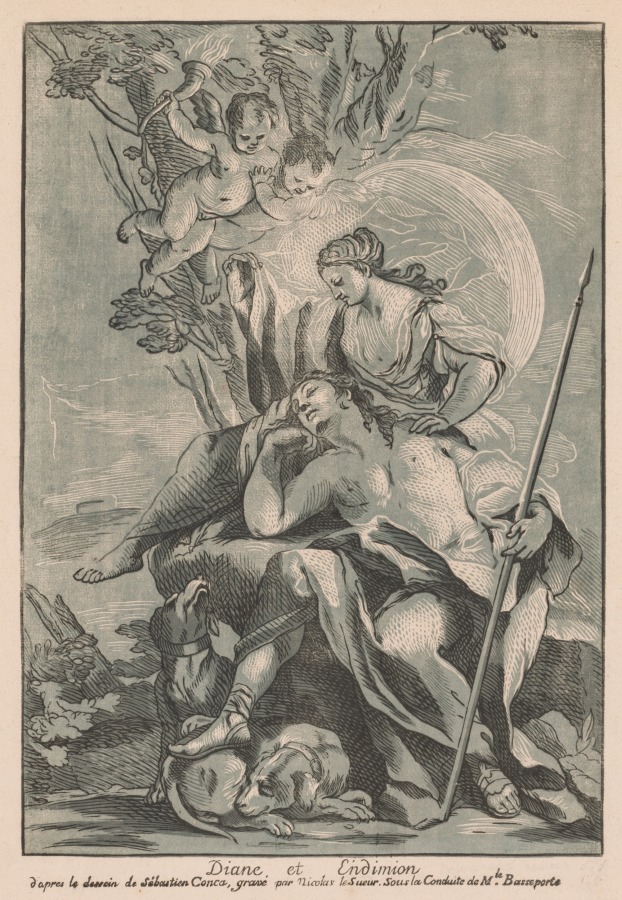
In the collection of Cleveland Museum of Art, Cleveland — check current display status with the museum.
FROM THE CLEVELAND MUSEUM OF ART’S CATALOG
Whereas in the 16th and 17th centuries chiaroscuro woodcuts were the artist's original conception or copies of contemporaneous designs, in the 18th century the technique often served to replicate the most famous masterworks of the past, especially of 16th-century Italy. During the 1700s, chiaroscuro woodcuts were directly connected to famous art collections and depended on the support of wealthy patrons. Le Sueur produced numerous chiaroscuros for the Cabinet Crozat, two volumes published in 1729 and 1742 by Count Anne Claude Philippe de Caylus and Pierre Crozat. The books reproduced famous paintings and drawings in French collections. For most of Le Sueur's chiaroscuros for this project, the black lines were printed from etched metal plates prepared by others, instead of from a woodblock. However, he did cut all four blocks for The Rape of Europa himself.
Be the first to share your thoughts.
Sign in to join the discussion.
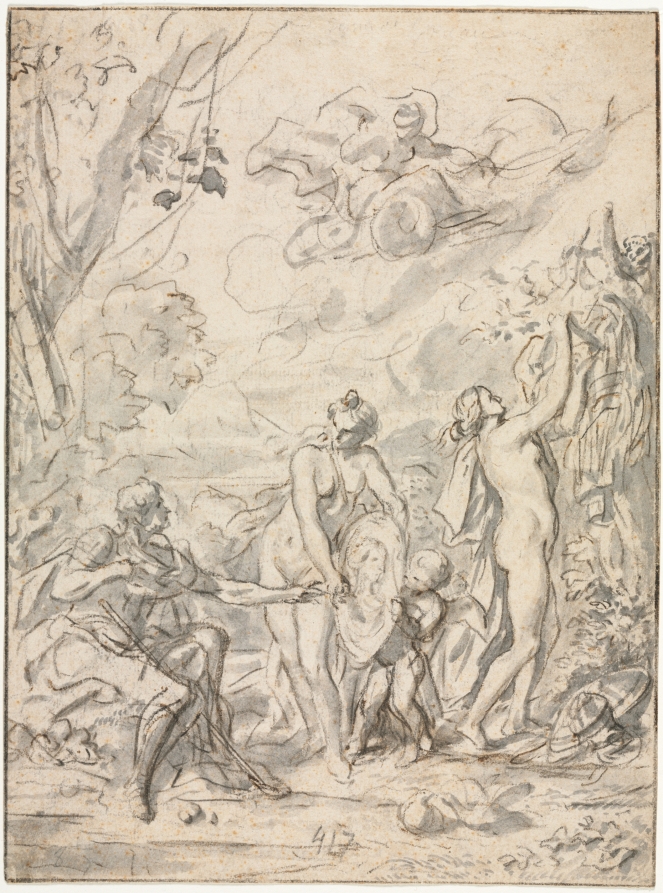 The Judgment of Paris
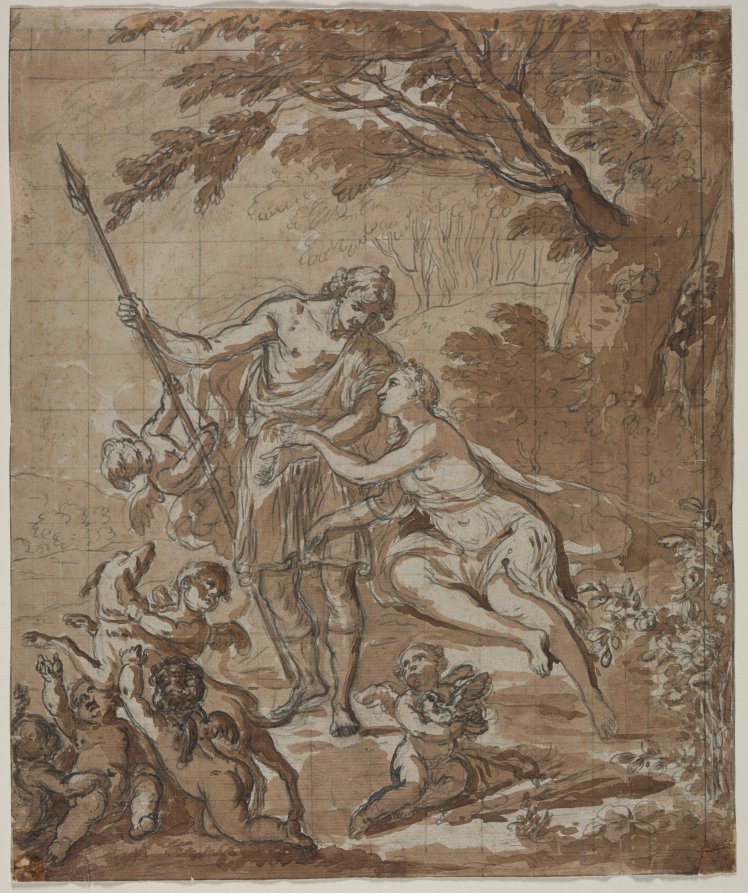 Venus and Adonis
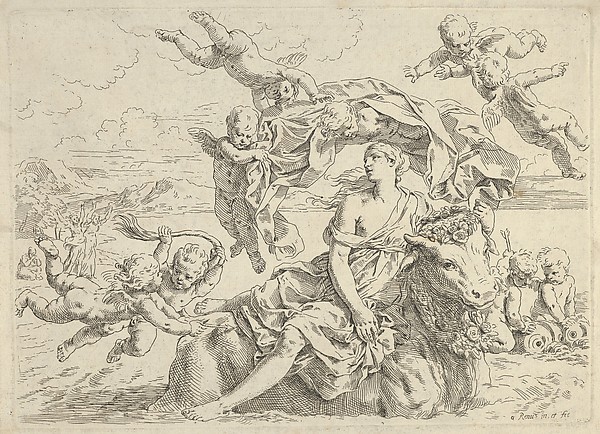 Guido Reni|Simone Cantarini — The Rape of Europa
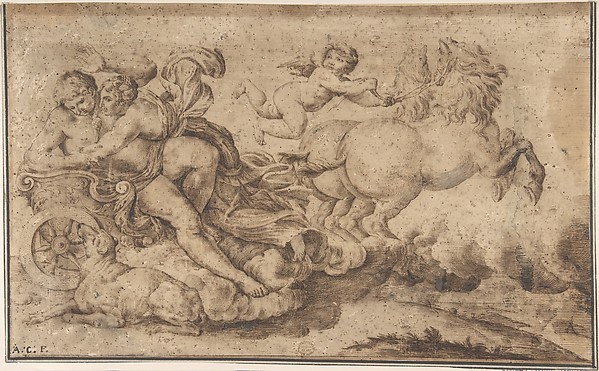 Anonymous, Italian, Roman-Bolognese, 17th century — Aurora a
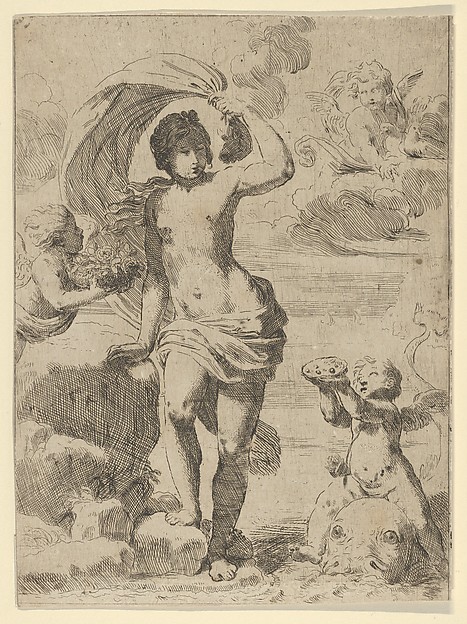 Guido Reni|Anonymous — Venus stepping out of the sea, holdin
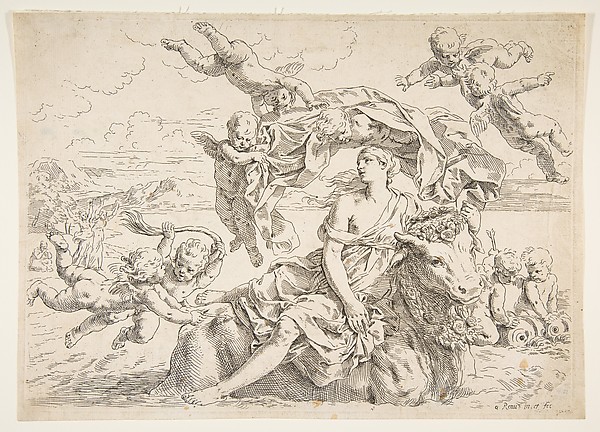 Simone Cantarini — Rape of Europa
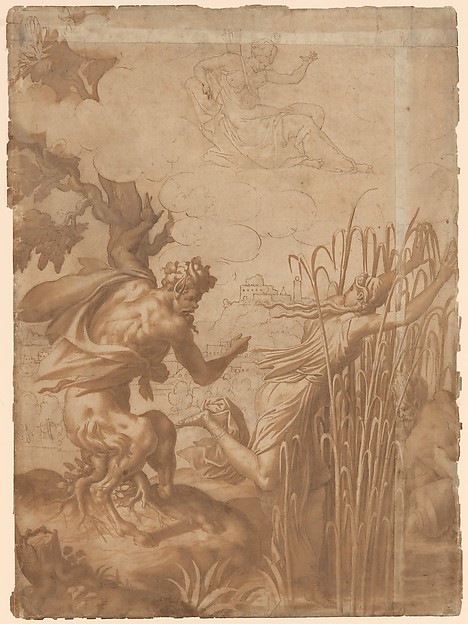 Anonymous, French, School of Fontainebleau, 16th century — T
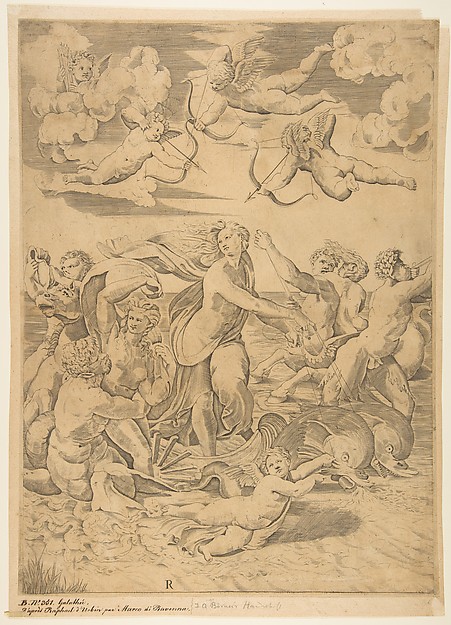 Marco Dente|Raphael (Raffaello Sanzio or Santi) — Galatea ri
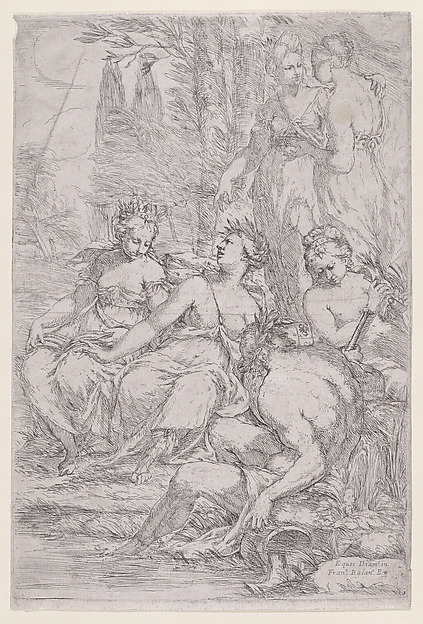 Giuseppe Diamantini — Five muses and a seated river god
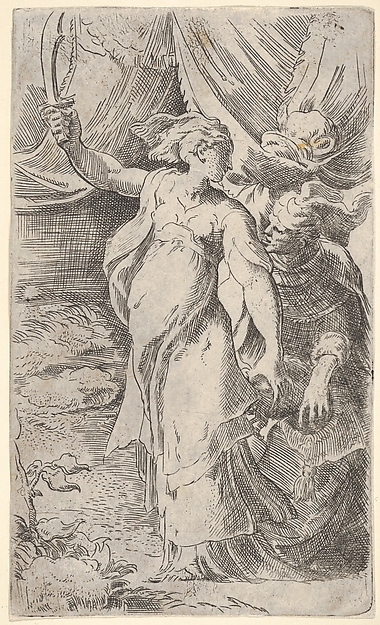 Parmigianino (Girolamo Francesco Maria Mazzola) — Judith wit
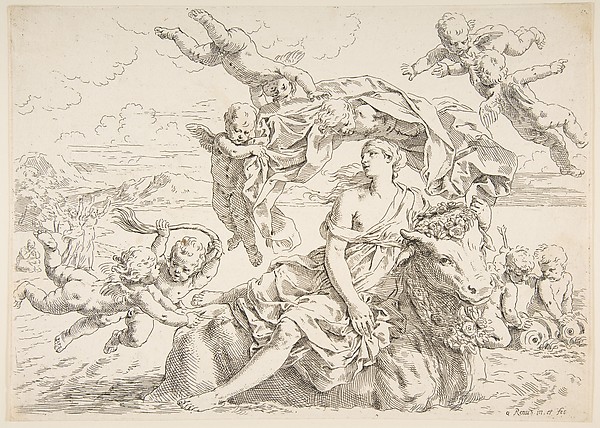 Simone Cantarini — Rape of Europa
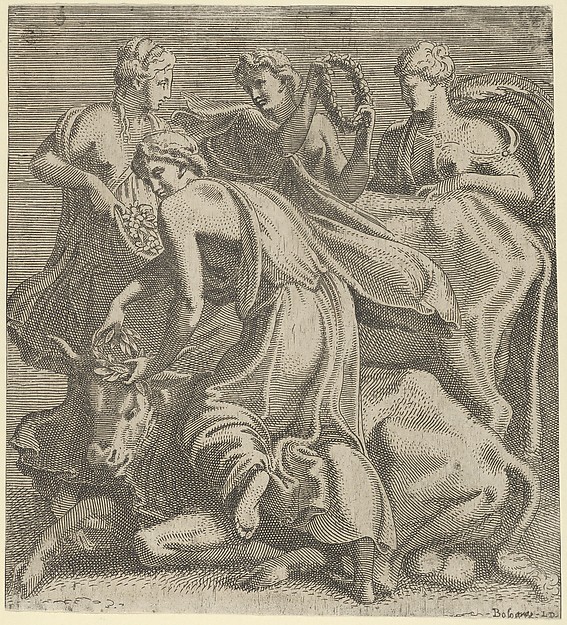 Léon Davent|Francesco Primaticcio — The Rape of Europa