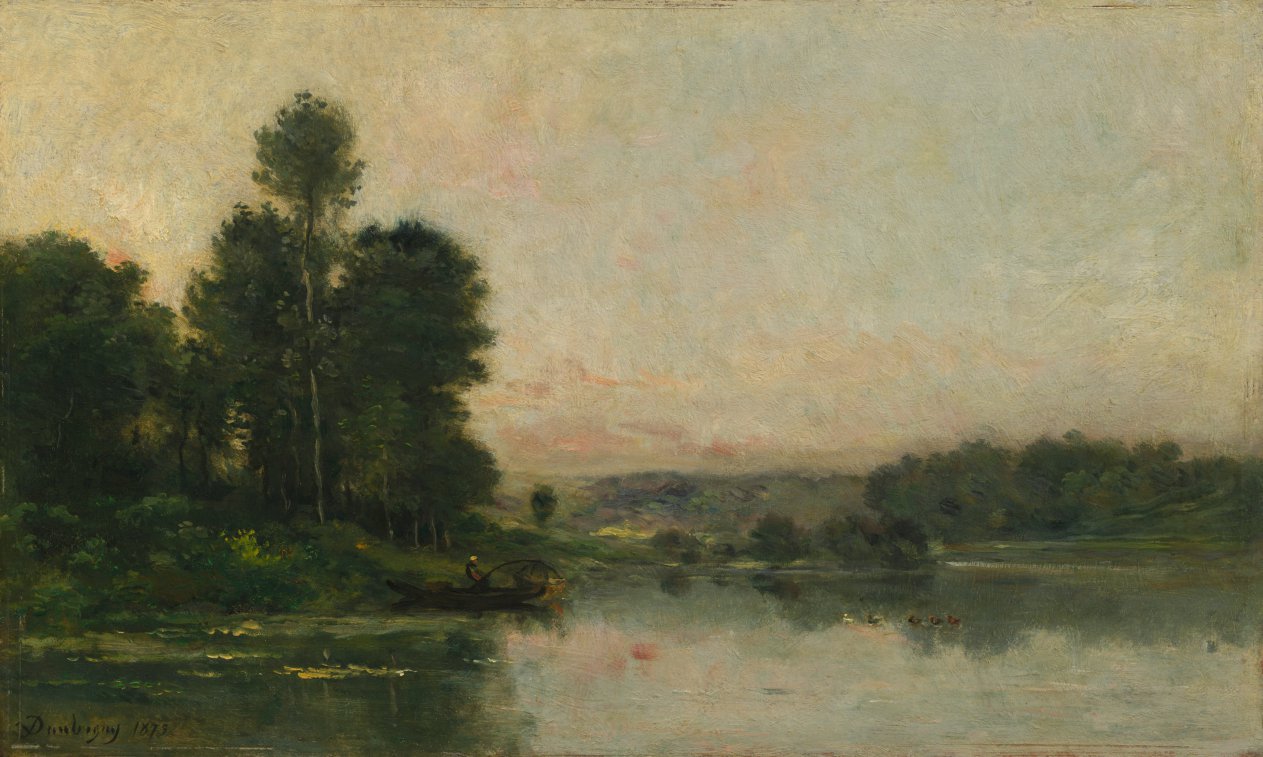
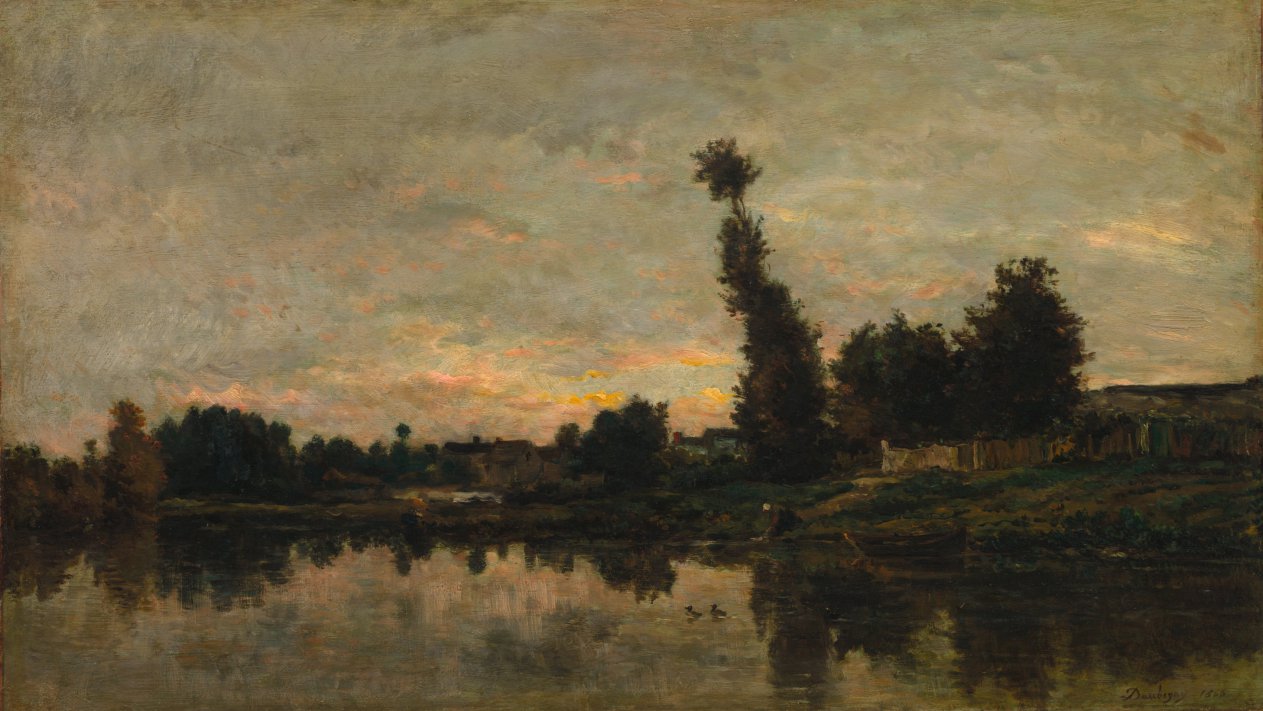
In the collection of Cleveland Museum of Art, Cleveland — check current display status with the museum.
FROM THE CLEVELAND MUSEUM OF ART’S CATALOG
Although etching had fallen into disfavor in France, Daubigny began to produce original etchings in the 1840s. The revival of this technique began to accelerate, and in 1862 the Société des Aquafortistes (Society of Etchers) was organized by Alfred Cadart, who was instrumental in publishing many albums of prints. In addition, periodicals such as L'Artiste (The Artist) included original etchings, which also helped to generate interest in the medium. The countryside around Barbizon (a village about 30 miles southeast of Paris) provided a refuge from the urbanization and industrialization of modern life and offered landscape etchers a vast array of scenery—from wild forest to rocky gorges. Daubigny, who wanted to retain the immediacy of the direct observation of nature, used a flat-bottomed boat as a floating studio on the rivers of France in order to capture the momentary effects of light and atmosphere.
Be the first to share your thoughts.
Sign in to join the discussion.
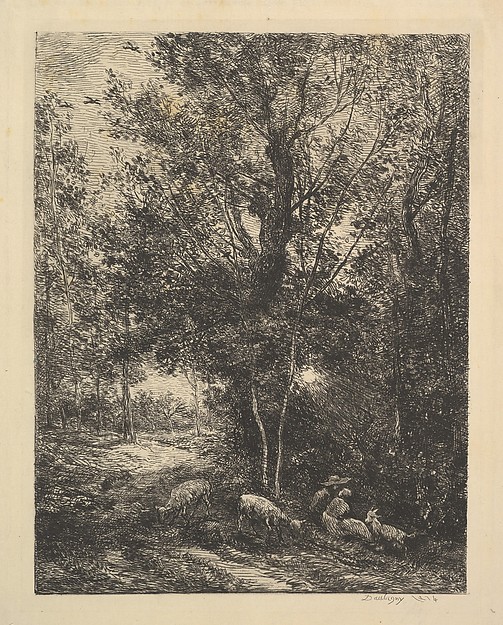 Charles-François Daubigny — Shepherd and Shepherdess
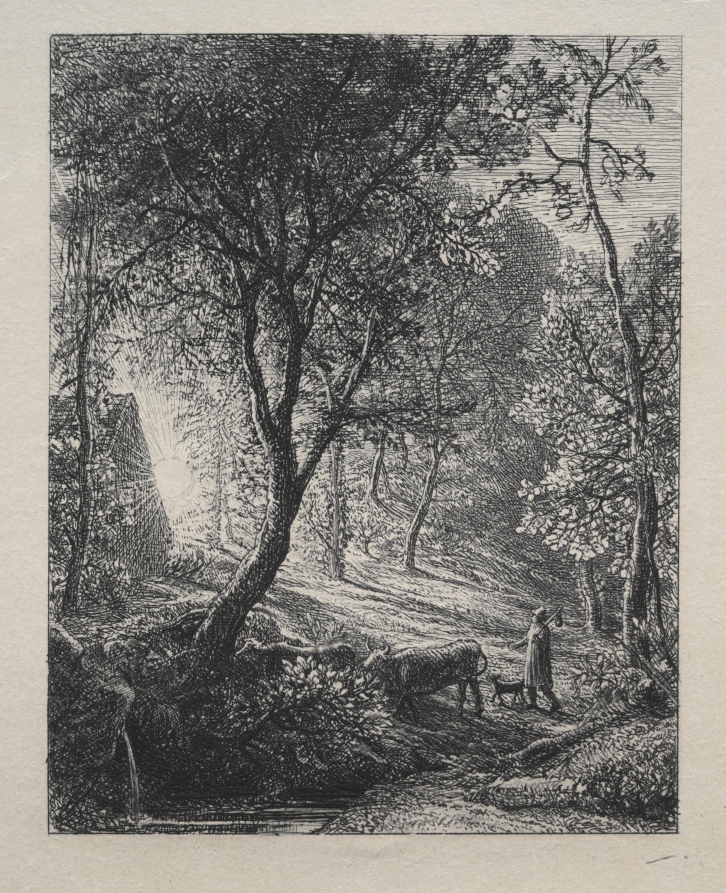 Samuel Palmer (British, 1805–1881) — The Herdsman's Cottage
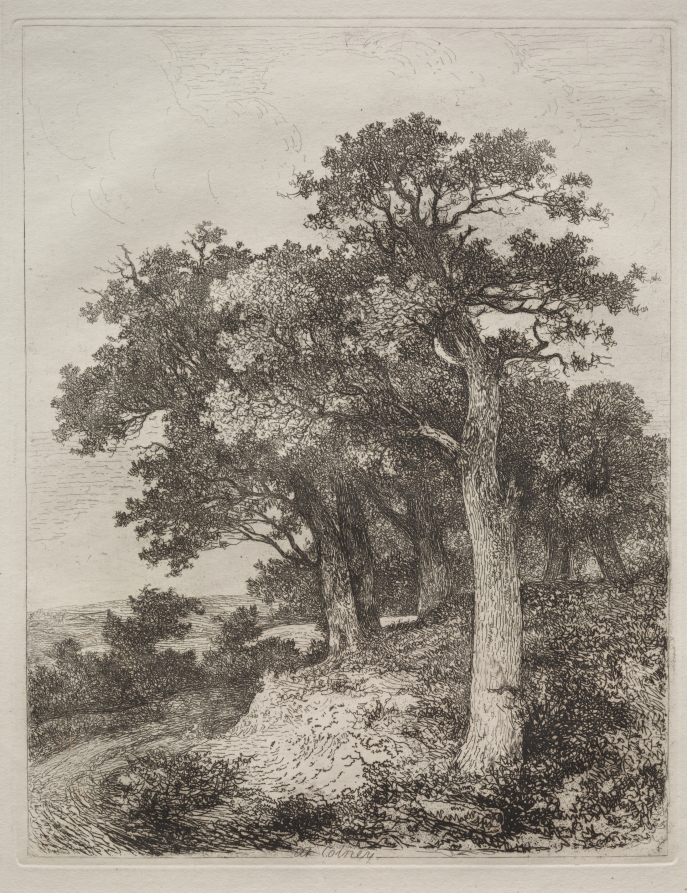 John Crome (British, 1768–1821) — At Colney
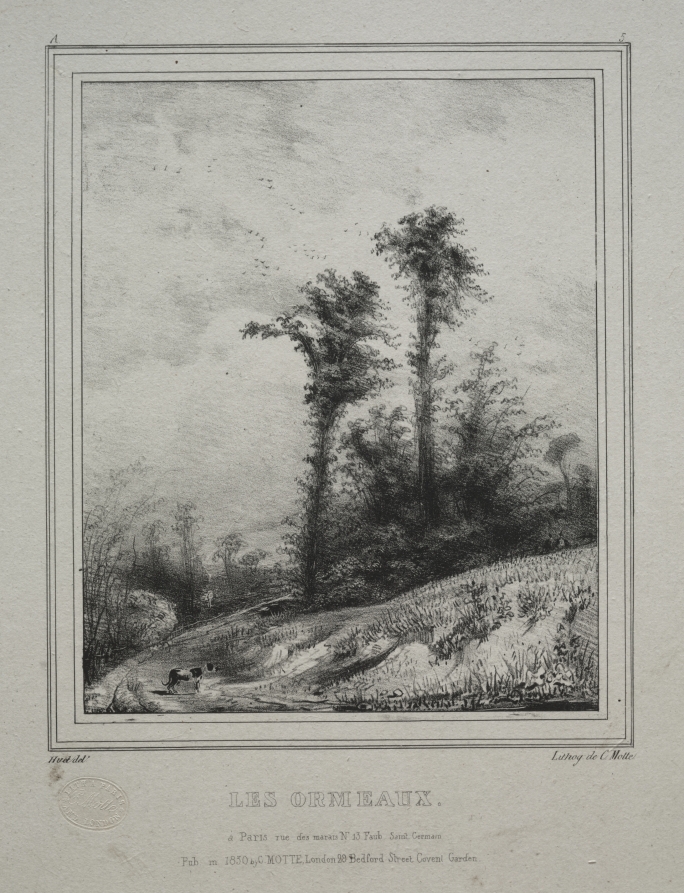 Paul Hüet (French, 1803–1869) — Landscapes: Young Elm Trees
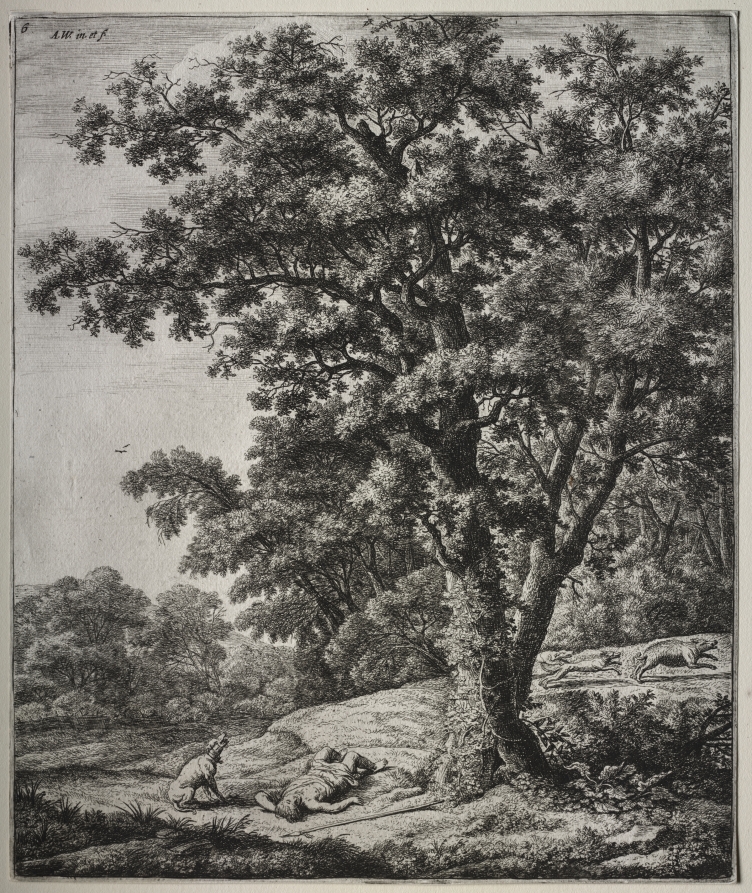 Anthonie Waterloo (Dutch, 1609/10–1690) — Six large upright
 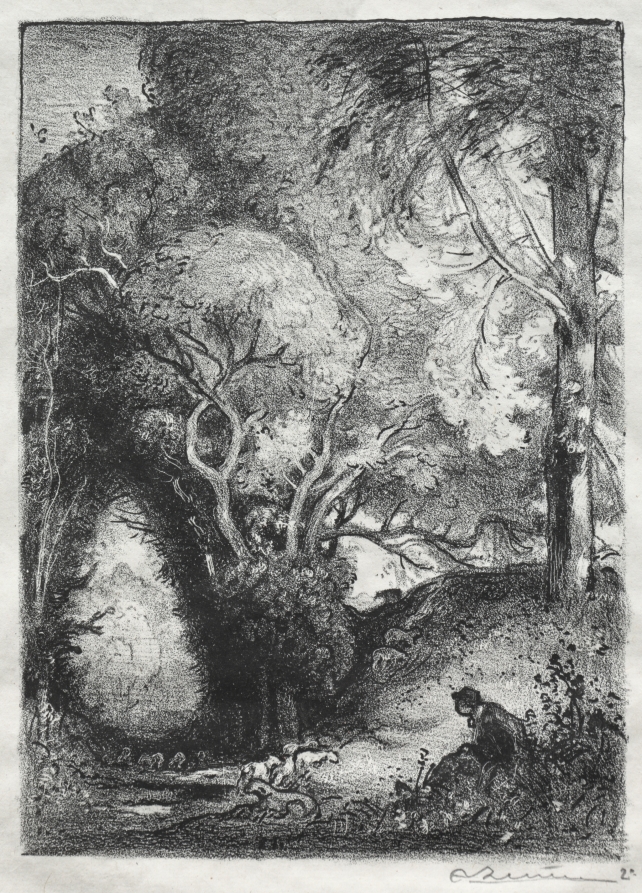 Auguste Louis Lepère (French, 1849–1918) — The Ravine in Jun
 Félix Bracquemond (French, 1833–1914) — Landscape, after Fra
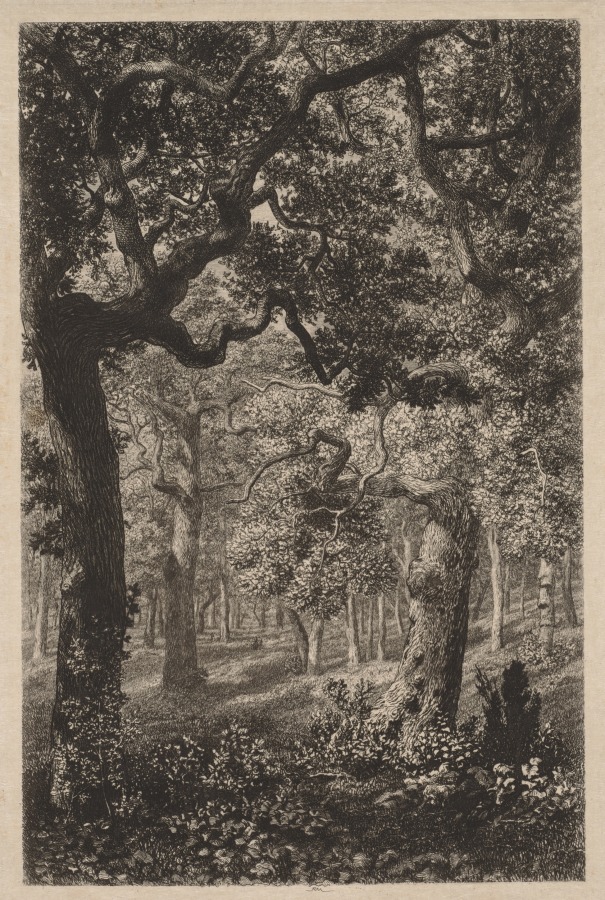 Adolphe Théodore Jules Martial Potémont (French, 1828–1883)
 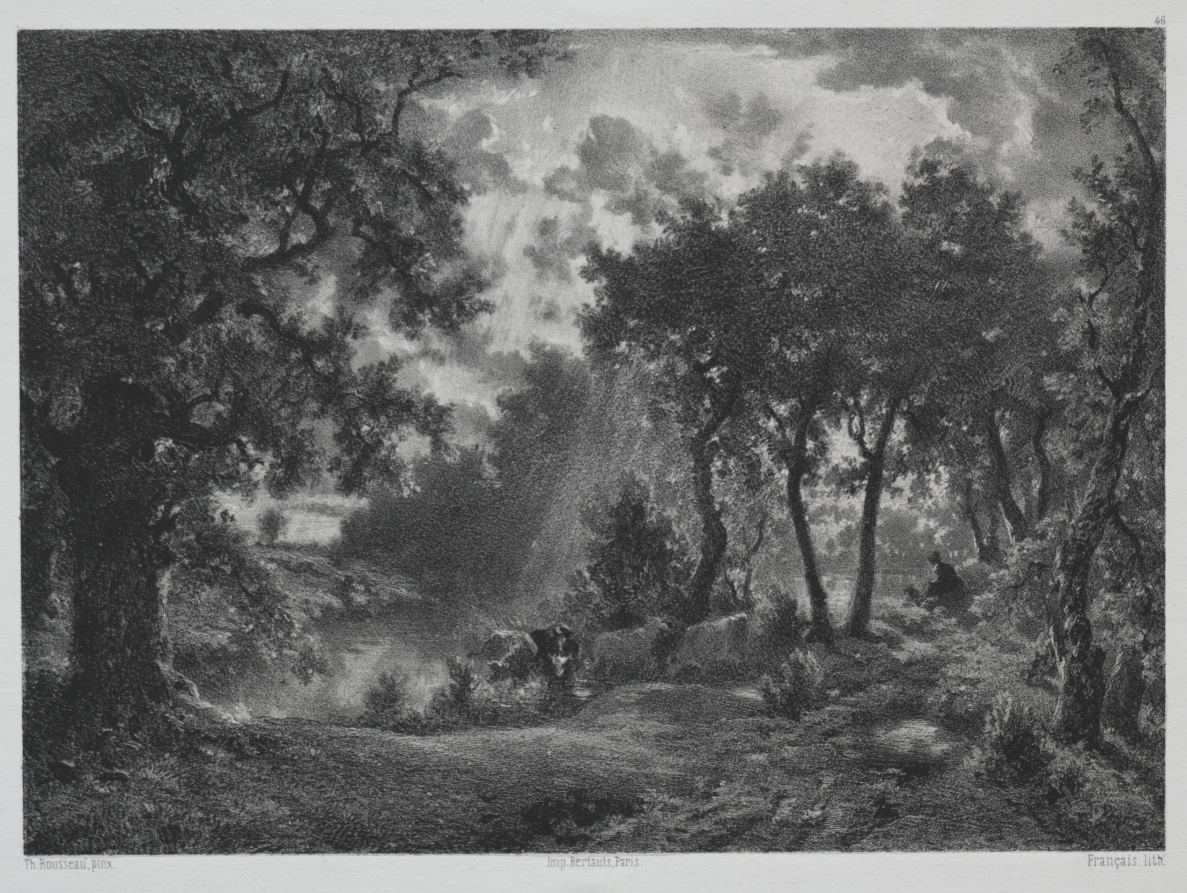 François-Louis Français (French, 1814–1897) — After the Show
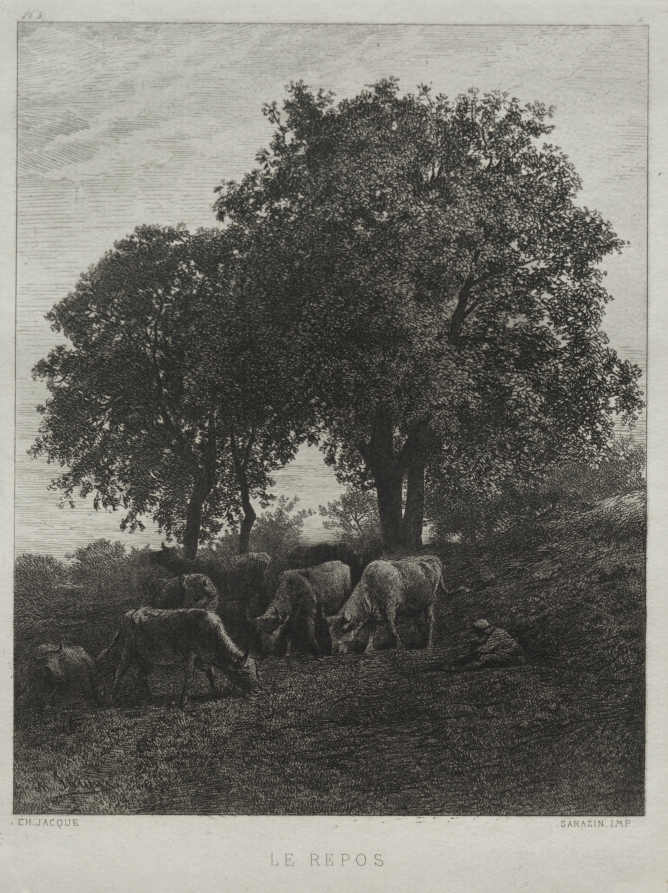 Charles-Émile Jacque (French, 1813–1894) — Rest
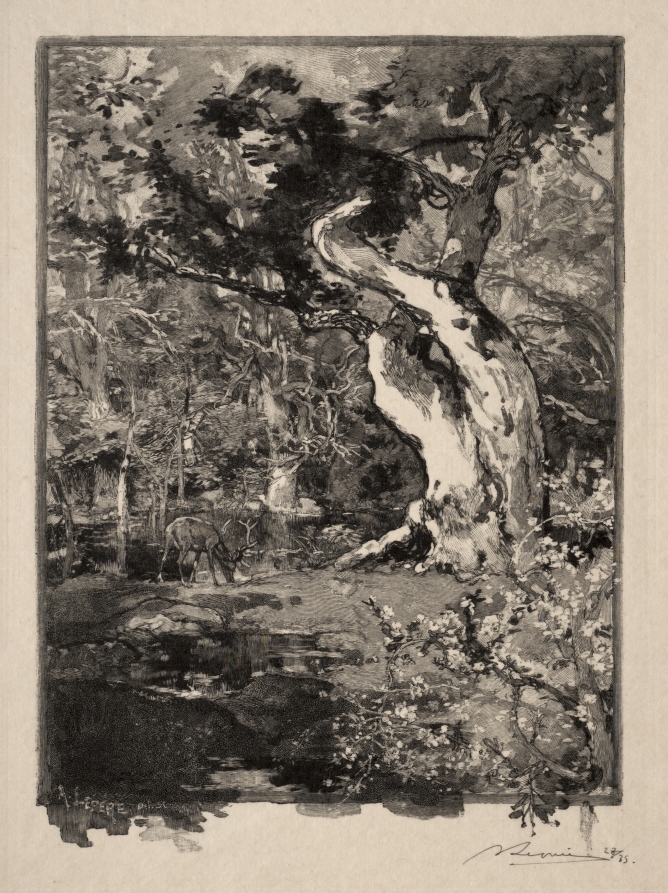 Auguste Louis Lepère (French, 1849–1918) — Le Clovis, Platea
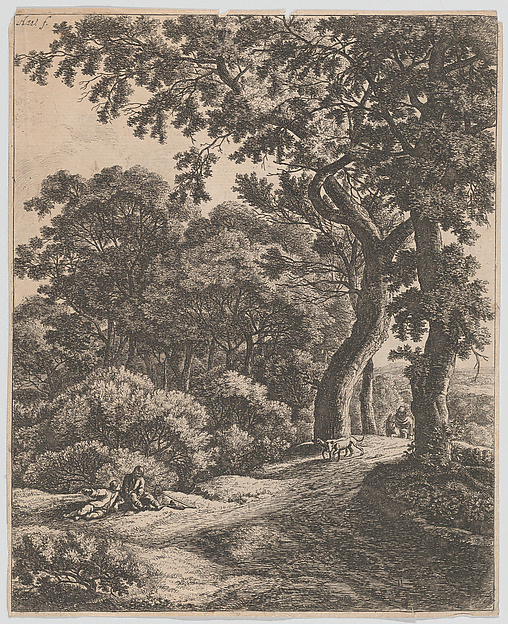 Anthonie Waterloo — Two Travellers Resting in the Woods