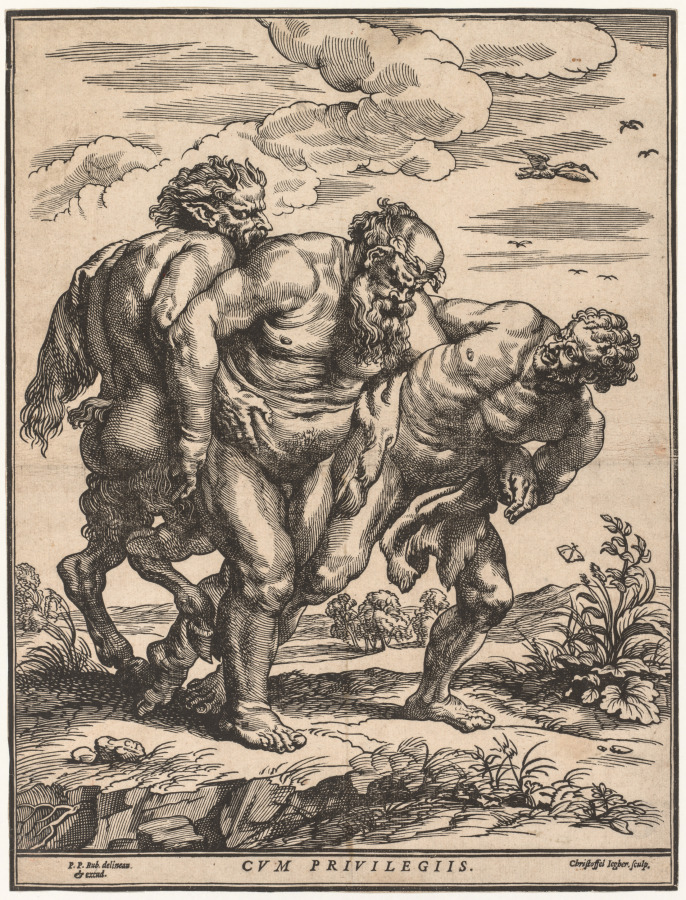
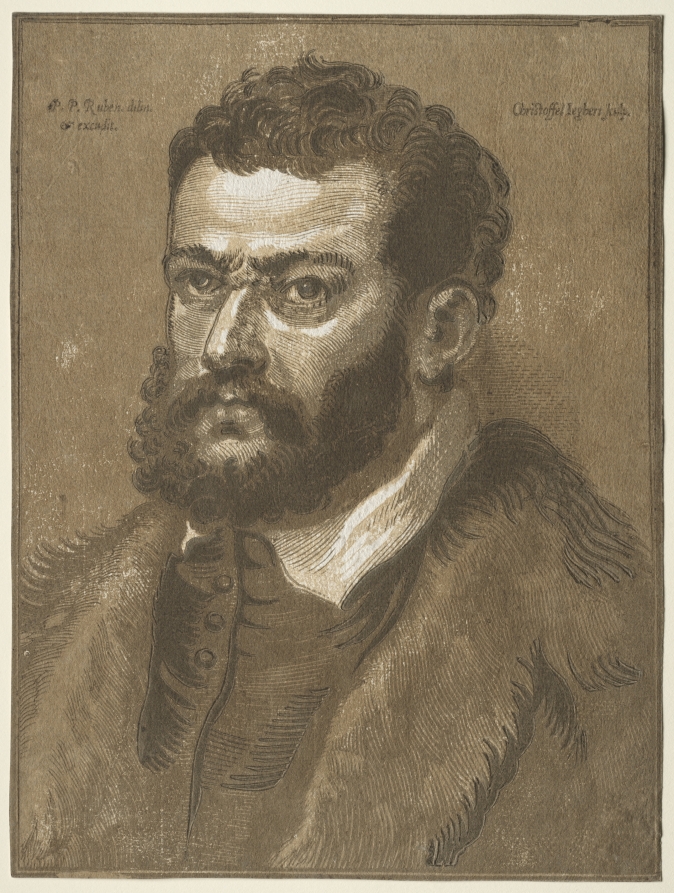
In the collection of Cleveland Museum of Art, Cleveland — check current display status with the museum.
FROM THE CLEVELAND MUSEUM OF ART’S CATALOG
Peter Paul Rubens was as astute a businessman as he was a brilliant painter. He realized that substantial profit and fame could be derived from the publication of prints made after his paintings. He employed engravers and also Jegher, who made nine woodcuts after the master's work. While the engravings were always considered merely reproductive, the woodcuts were conceived and appreciated as original works of art because they exhibited the freedom and directness of expression lacking in the intaglio prints. Rubens revived the tradition of large-scale woodcuts, which had flourished in 16th-century Italy and the Netherlands but lagged in the following decades. Jegher's prints after Rubens are the only such large, single compositions in Flanders in the 17th century. They are also his most outstanding creations.
Be the first to share your thoughts.
Sign in to join the discussion.
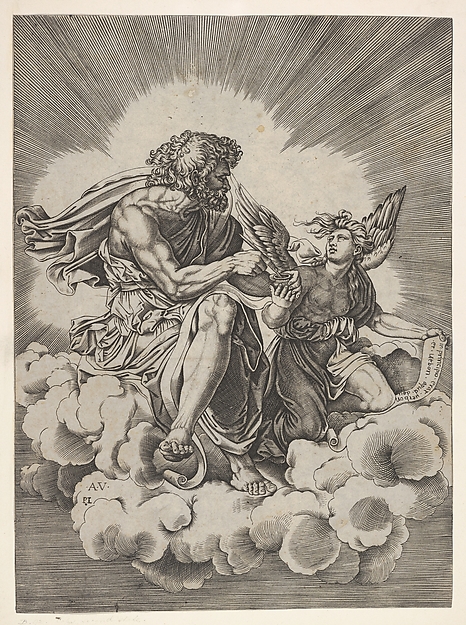 Agostino Veneziano (Agostino dei Musi)|Anonymous, Italian, 1
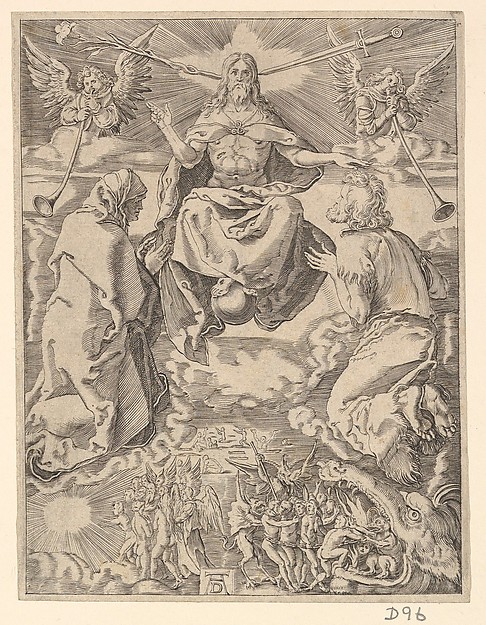 Albrecht Dürer|Abraham Waesberge — Engraved copies of The Li
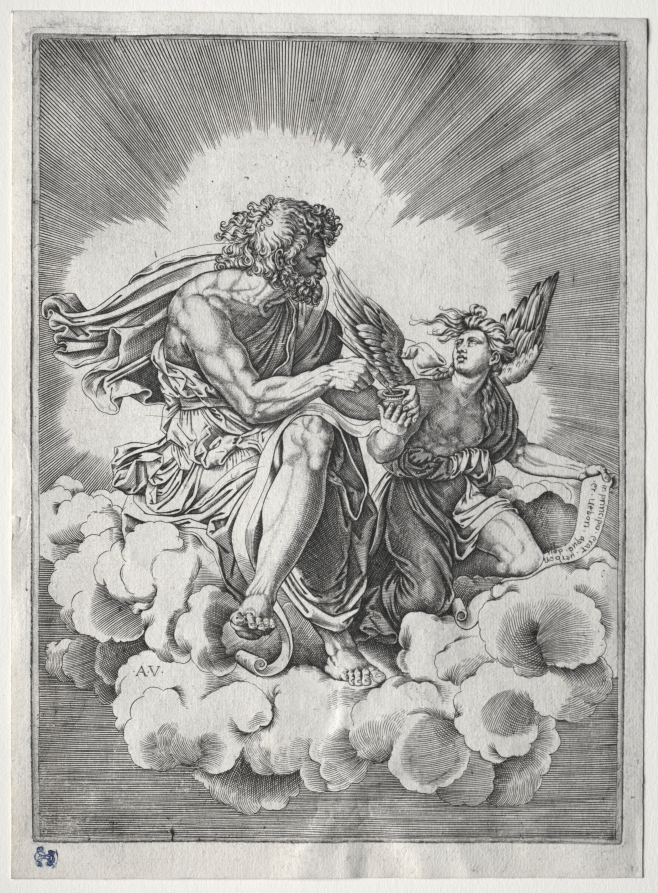 The Four Evangelists: St. Matthew
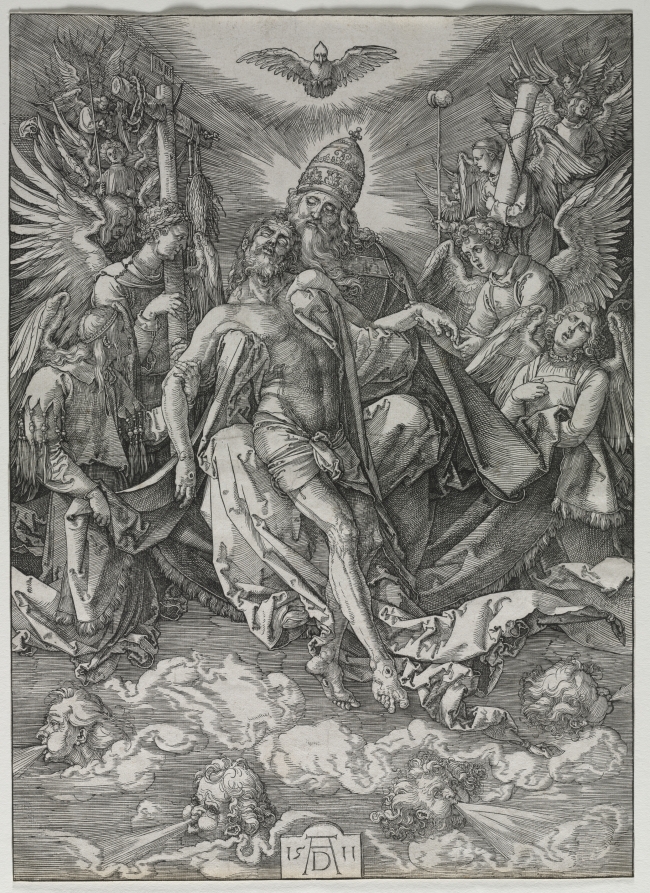 Albrecht Dürer (German, 1471–1528) — The Holy Trinity
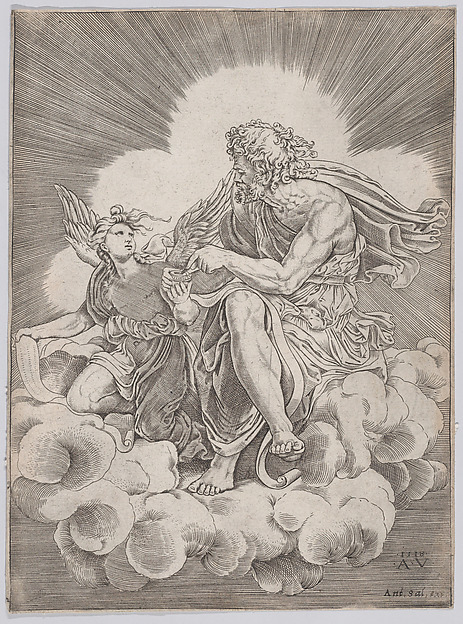 Agostino Veneziano (Agostino dei Musi)|Giulio Romano — Saint
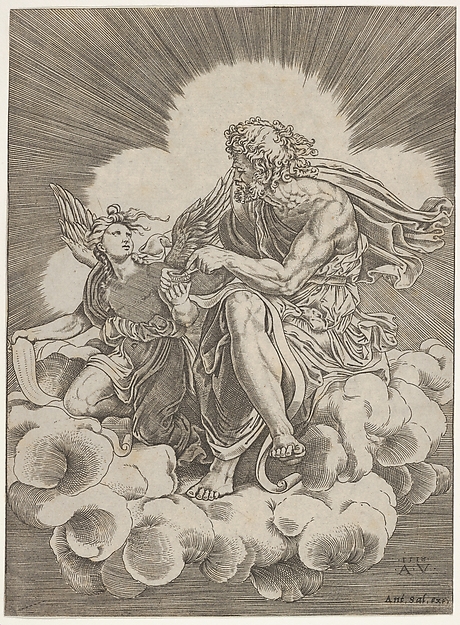 Agostino Veneziano (Agostino dei Musi)|Antonio Salamanca|Giu
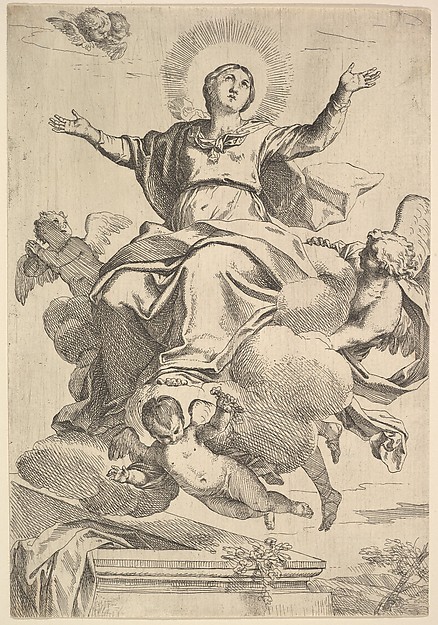 Carlo Maratti — The Assumption of the Virgin
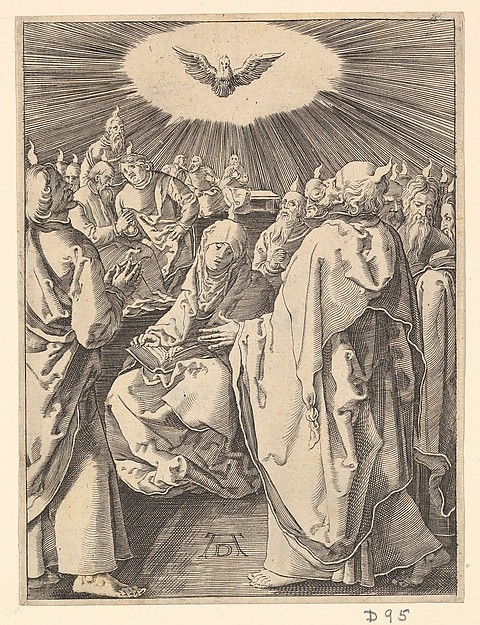 Albrecht Dürer|Abraham Waesberge — Engraved copies of The Li
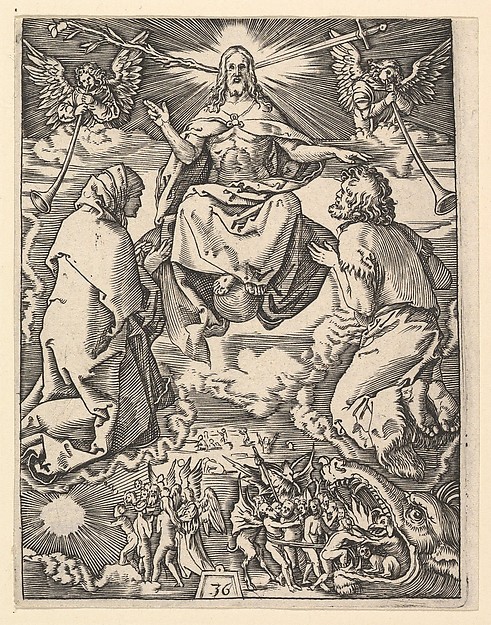 Marcantonio Raimondi|Albrecht Dürer — The Last Judgment; Chr
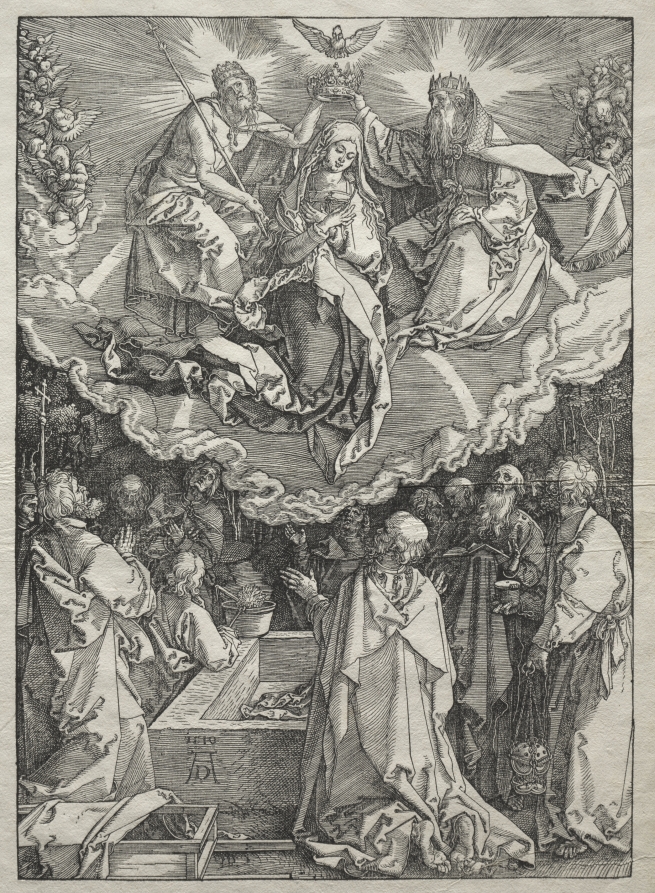 Albrecht Dürer (German, 1471–1528) — Life of the Virgin: As
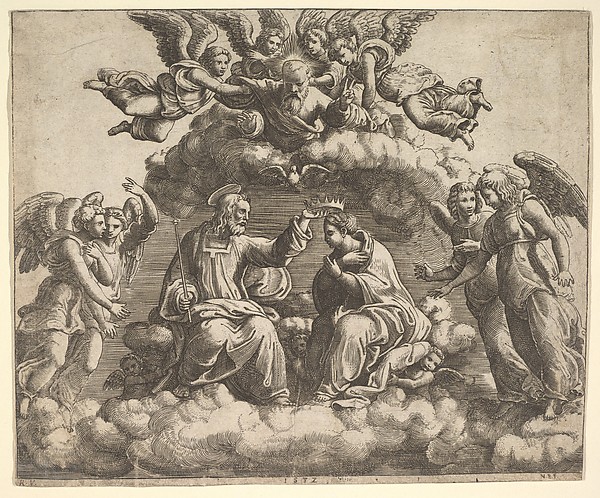 Master of the Die|Perino del Vaga (Pietro Buonaccorsi) — The
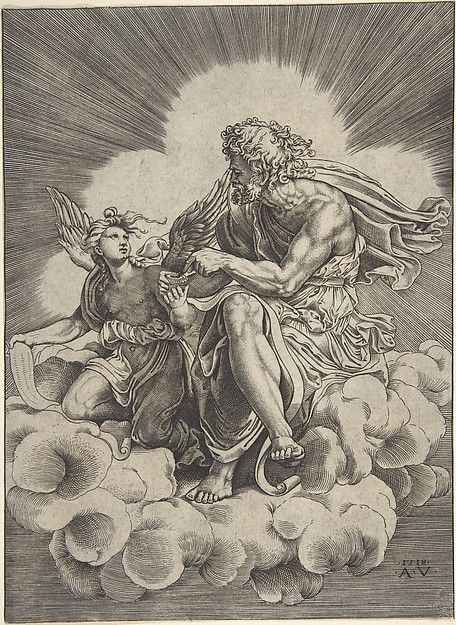 Agostino Veneziano (Agostino dei Musi)|Giulio Romano — Saint