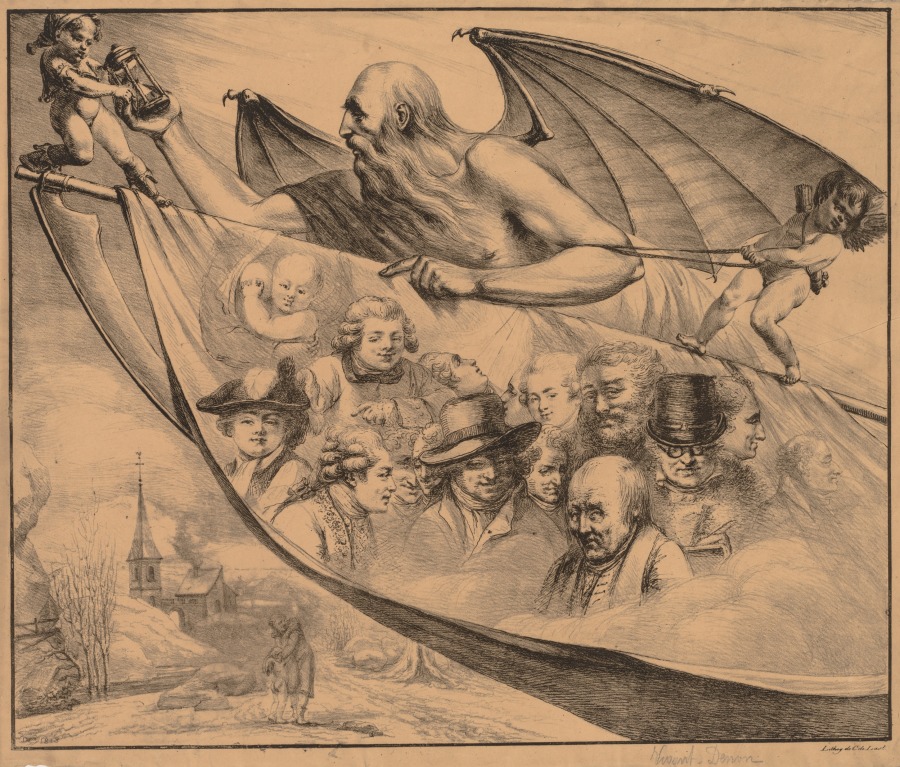
In the collection of Cleveland Museum of Art, Cleveland — check current display status with the museum.
FROM THE CLEVELAND MUSEUM OF ART’S CATALOG
Lithography was discovered in 1798 in Germany by Alois Senefelder (1771-1834), whose efforts to find an inexpensive method to reproduce the text of his plays accidentally led to a new and revolutionary way of printing. Although lithographs were almost immediately produced in Germany and England, the artists of France were the first to appreciate the aesthetic potentialities of this most flexible, responsive, and personal medium. In 1806, one of Napoleon's generals, Baron Lejeune, an amateur painter, was impressed by the technique while in Munich. Upon his return to Paris, he succeeded in introducing a few artists to the method, and by 1811 Denon's studio had become a fashionable center of lithography for amateurs.
Be the first to share your thoughts.
Sign in to join the discussion.
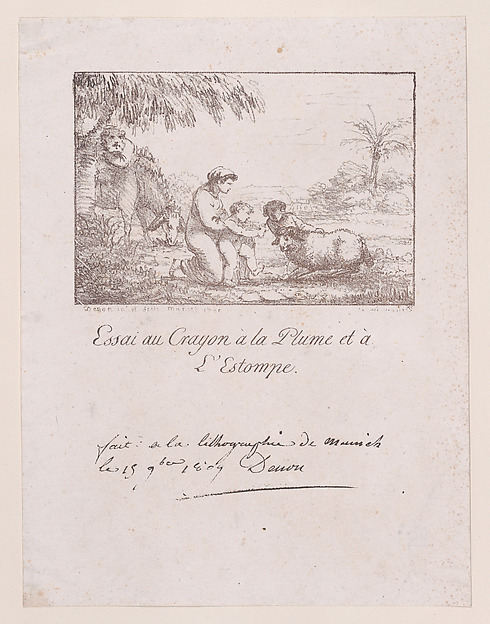 baron Dominique Vivant Denon — The Holy Family
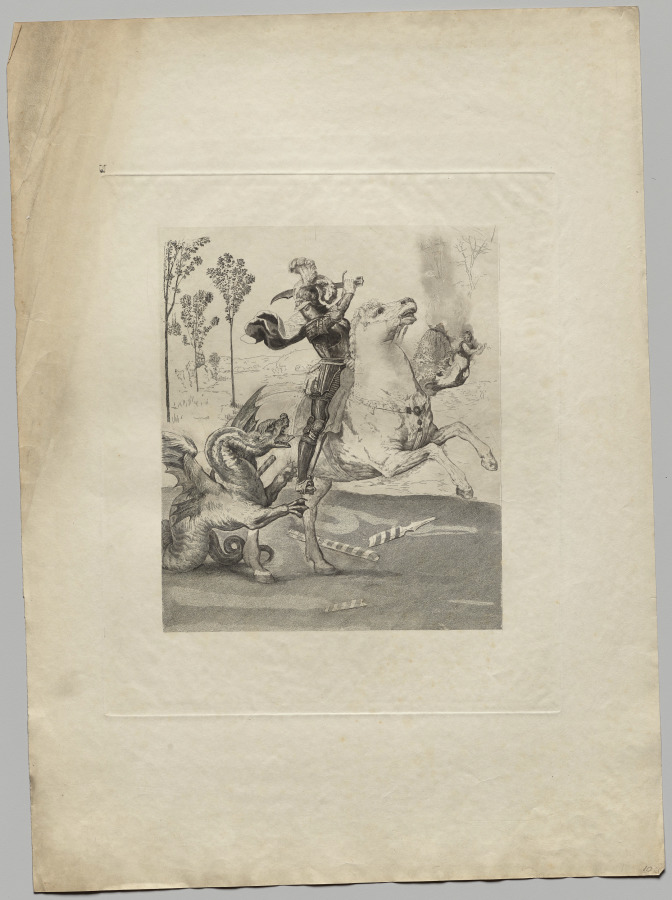 Claude-Ferdinand Gaillard (French, 1834–1887) — St. George a
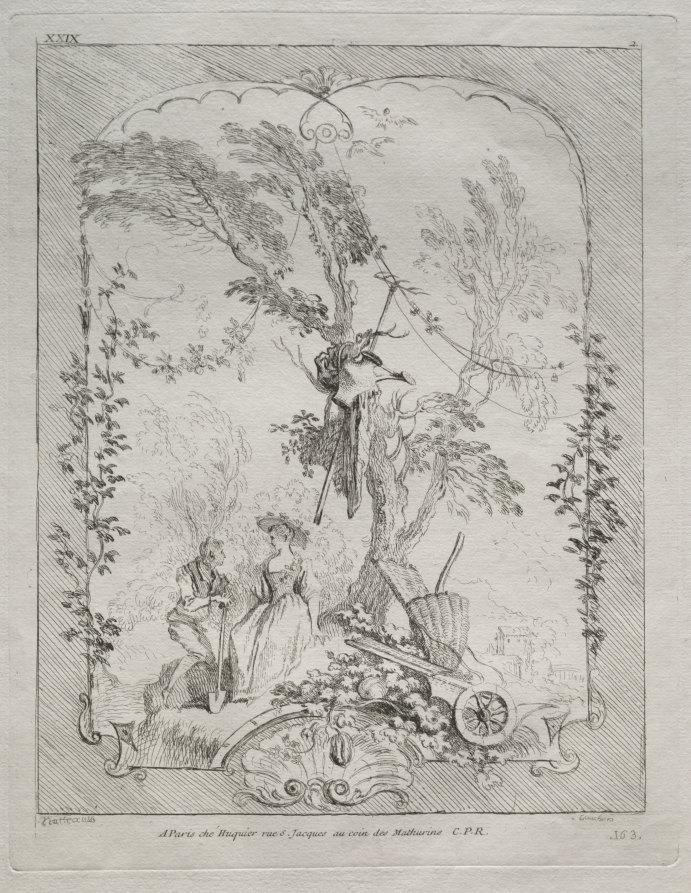 François Boucher (French, 1703–1770) — The Proposal
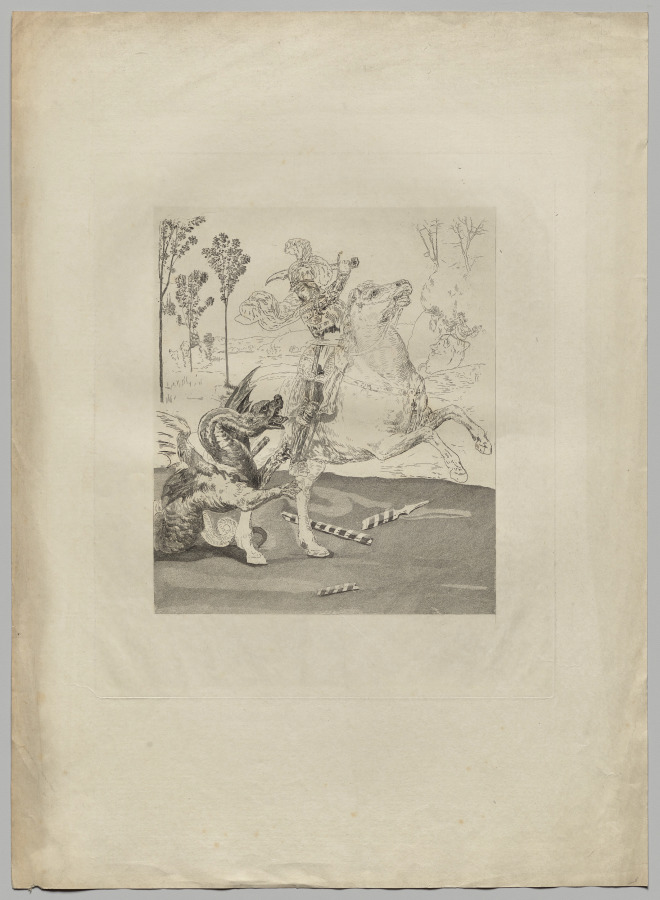 Claude-Ferdinand Gaillard (French, 1834–1887) — St. George a
 Hurst, Robinson & Co.|Robert Jennings, London|William Shakes
 Joseph Phelps|Hurst, Robinson & Co.|Robert Jennings, London|
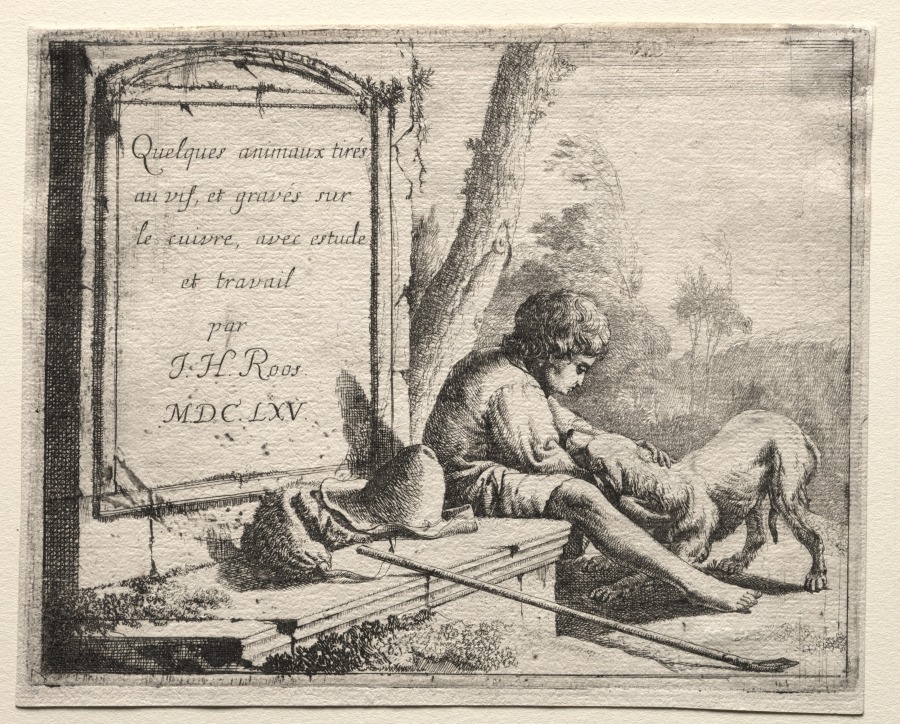 Johann Heinrich Roos (German, 1631–1685) — Johann Heinrich R
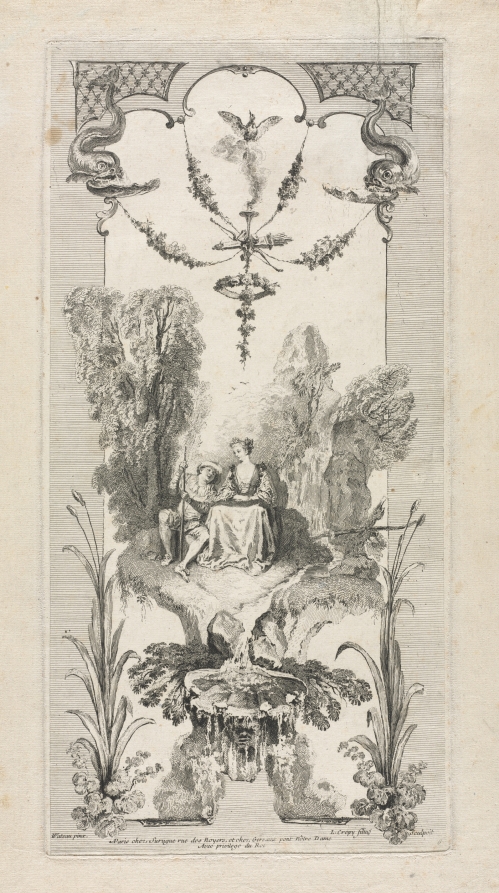 Louis Crépy (French) — Pastoral, Arabesque
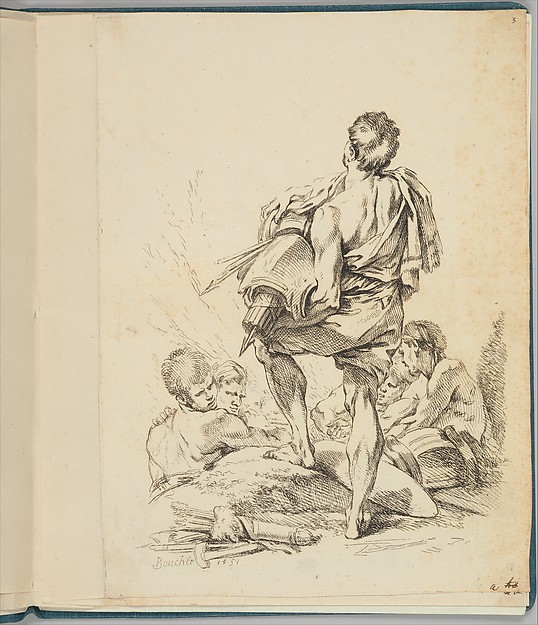 François Boucher|Gabriel Huquier — A Man, seen from behind, François Boucher|Gabriel Huquier — New Book of Various Figur
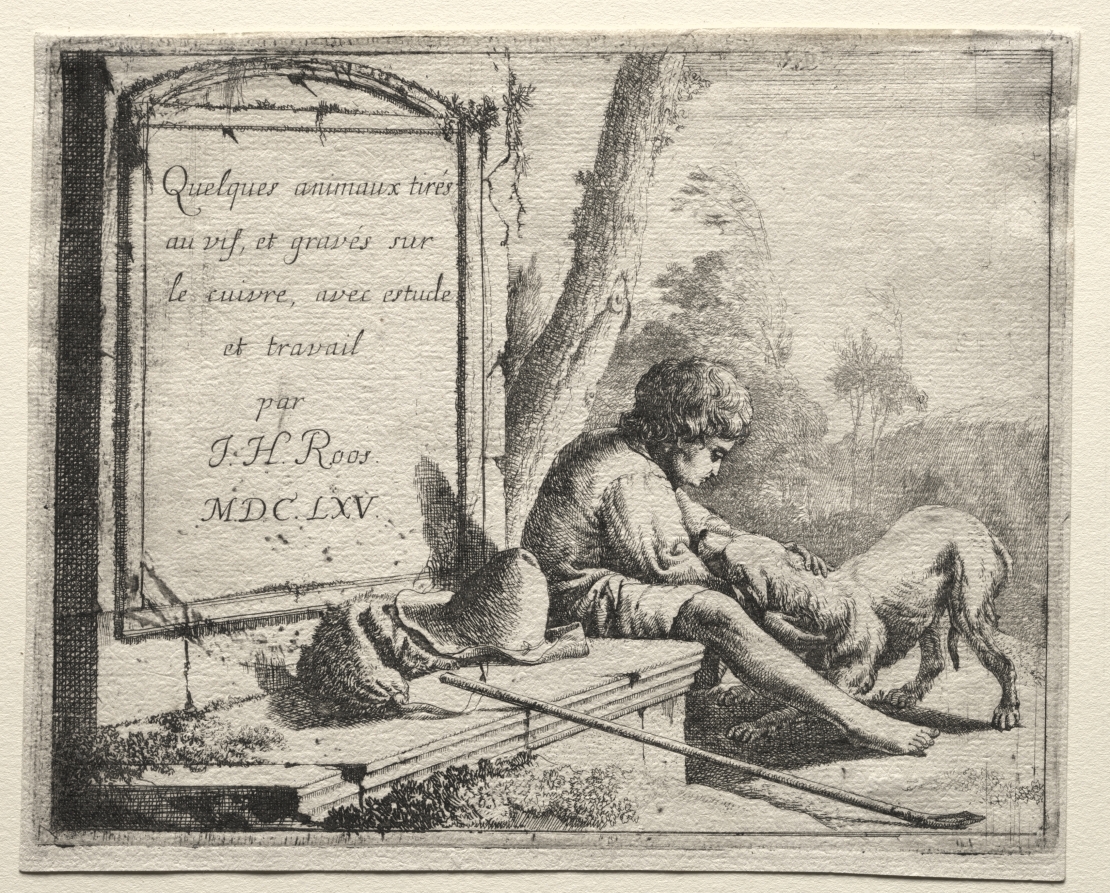 Johann Heinrich Roos (German, 1631–1685) — Title Page: Shep
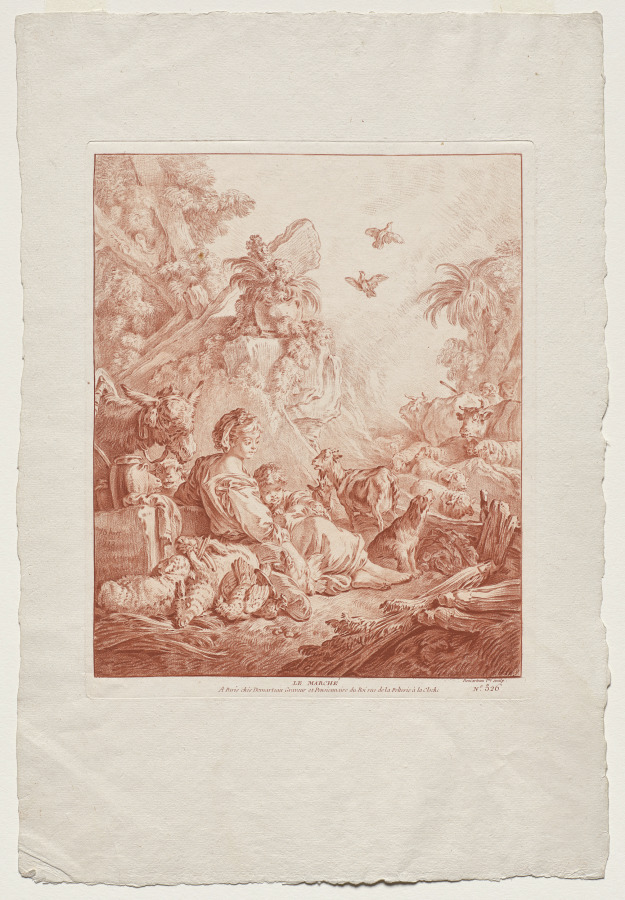 Gilles Demarteau (French, 1722–1776) — The Market