In the collection of Cleveland Museum of Art, Cleveland — check current display status with the museum.
FROM THE CLEVELAND MUSEUM OF ART’S CATALOG
Poet laureate and first Asian recipient of the Nobel Prize in literature, Tagore (1861–1941) was a leader of the nonviolent movement to free India from British rule. The artist has rendered Tagore’s face with penetrating realism and luxurious textures. In contrast, his body is left as a sketch, giving him an ethereal quality; his hand positions are evocative of the mudras, or symbolic gestures, of Indian holy men or divinities. This portrait was probably made during Tagore’s 1920 visit to London from India to seek support for his new university in Bengal. For Tagore, however, the trip was overshadowed by his observation of British indifference to the 1919 massacre of hundreds of unarmed Indians in the Punjab by colonial forces. Tagore relinquished his knighthood and redoubled his efforts to lead India to independence.
Be the first to share your thoughts.
Sign in to join the discussion.
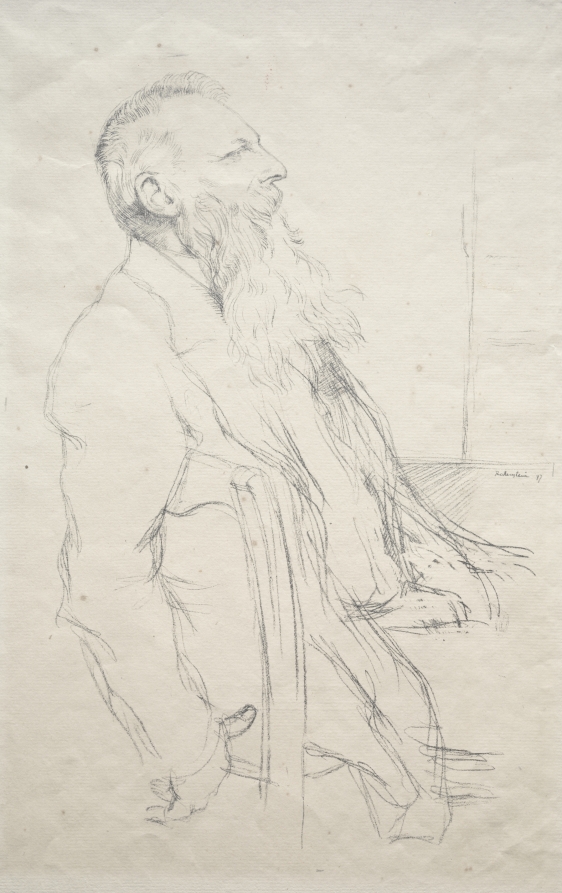 William Rothenstein (British, 1872–1945) — Auguste Rodin
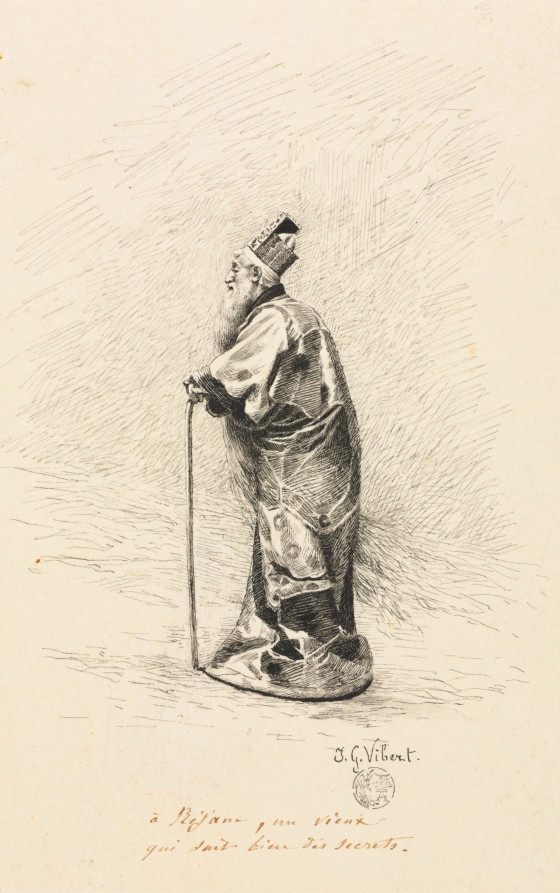 Jehan-Georges Vibert (French, 1840–1902) — Study for the Mag
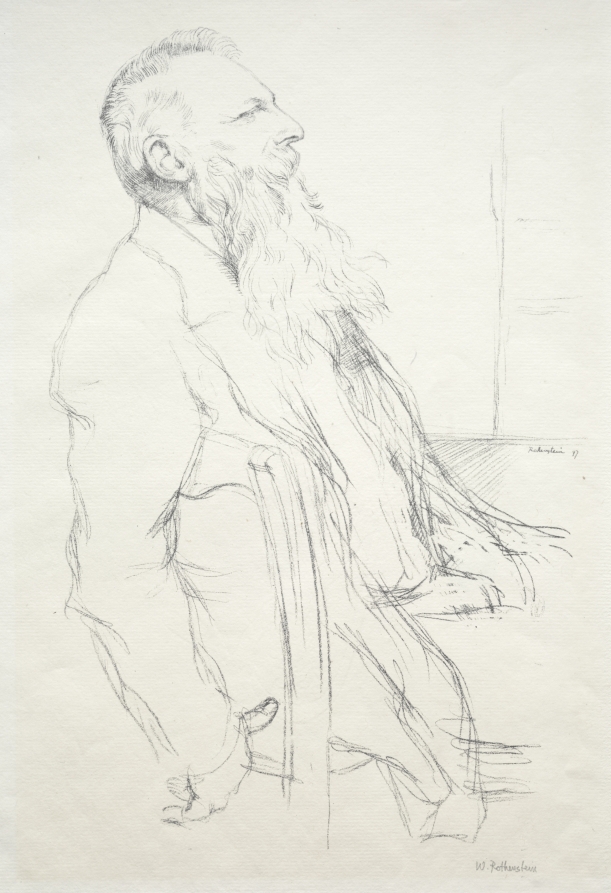 William Rothenstein (British, 1872–1945) — Auguste Rodin
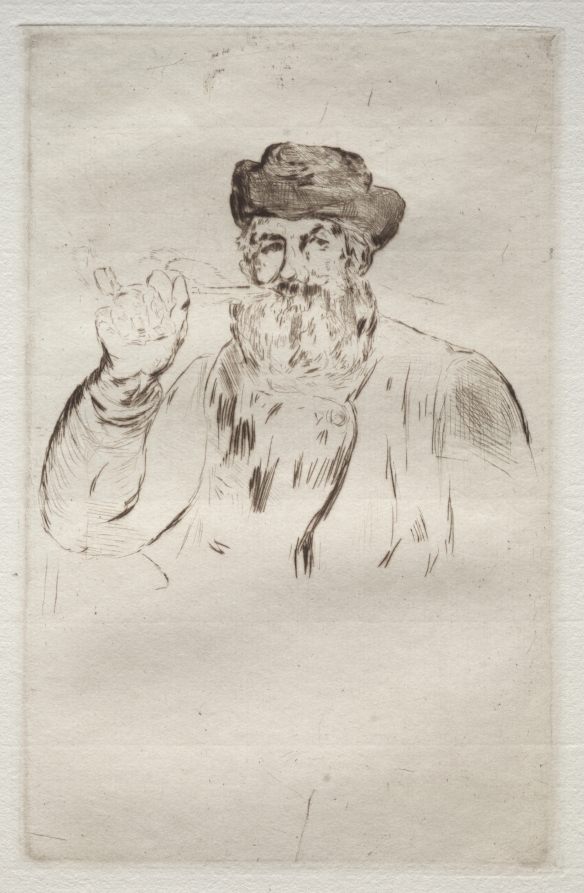 Édouard Manet (French, 1832–1883) — Le fumeur
 anonymous — Hoofd van een oude man met baard en haar in een
 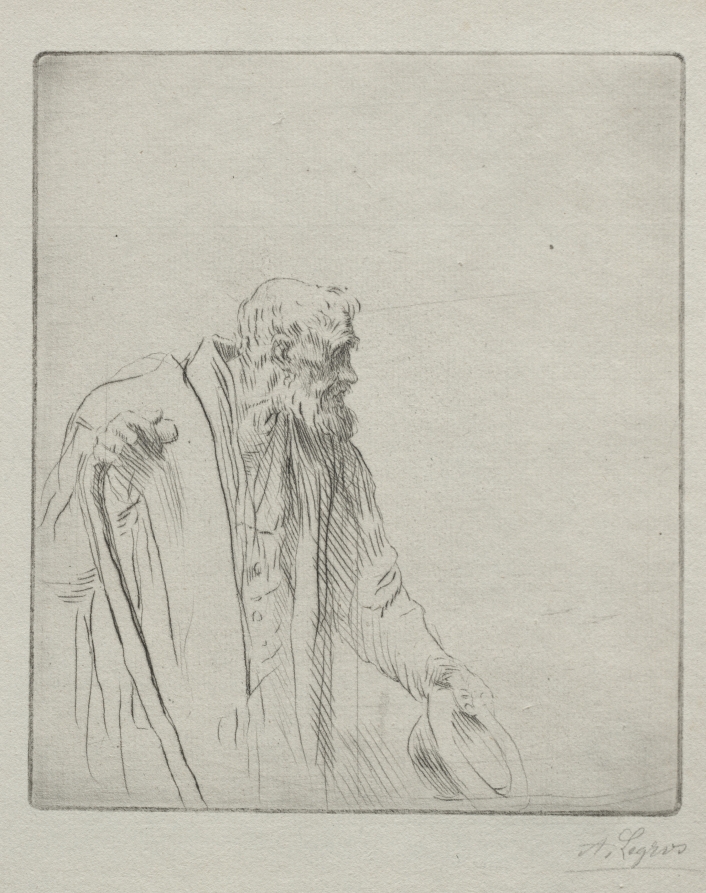 Alphonse Legros (French, 1837–1911) — A Beggar
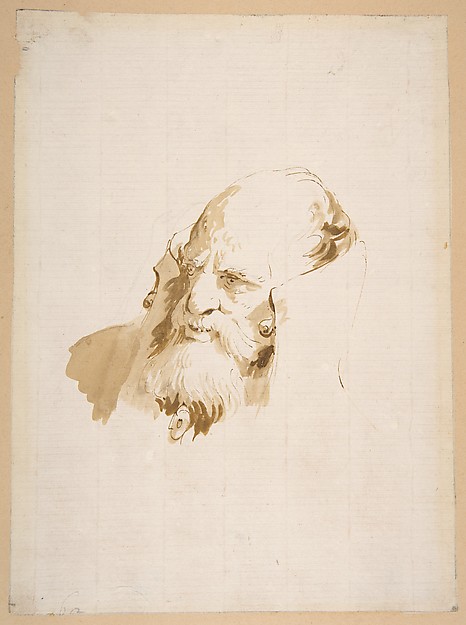 Giovanni Battista Tiepolo — Head of a Man Wearing a High Col
 Edouard Manet — The Smoker (Le Fumeur)
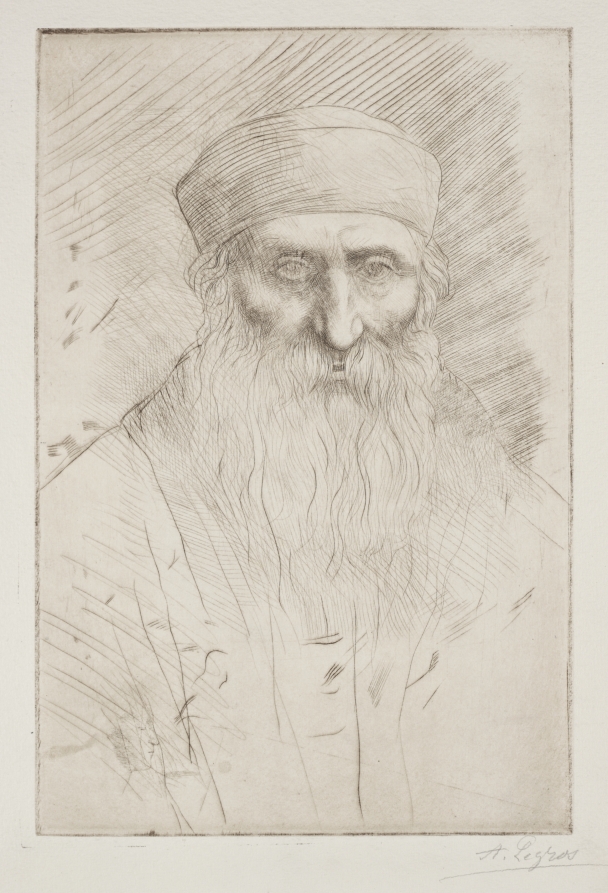 Alphonse Legros (French, 1837–1911) — Head of a Man with a L
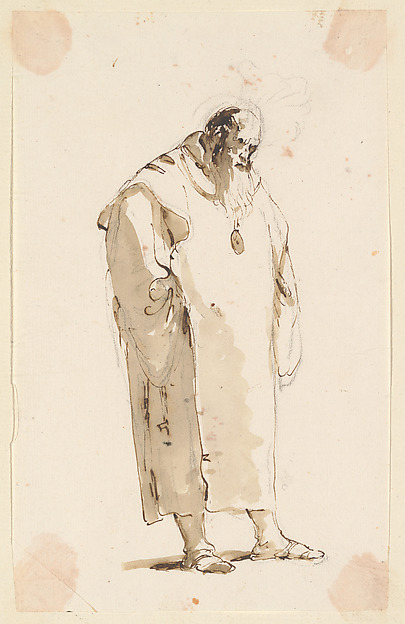 Giovanni Battista Tiepolo — Standing Man, Facing Half Right
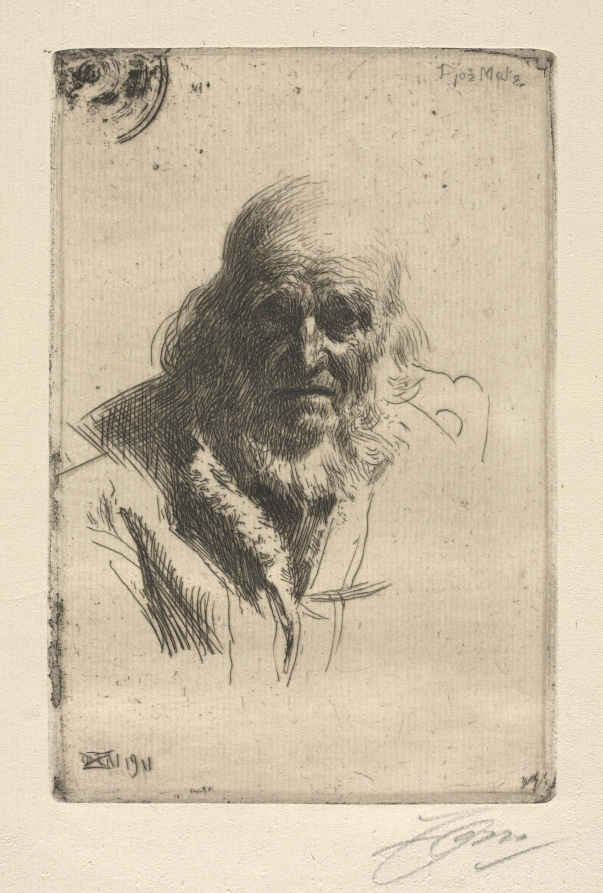 Anders Zorn (Swedish, 1860–1920) — Djos Mats
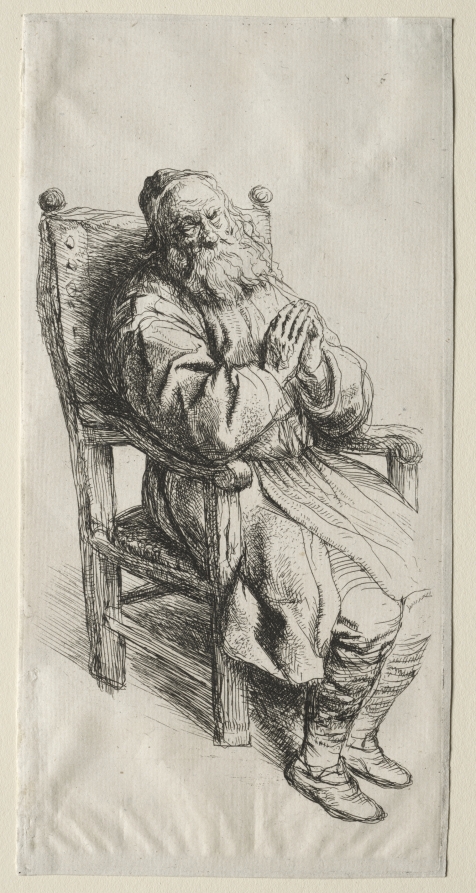 Salomon Koninck (Dutch, 1609–1656) — An Old Man in a Chair,