S. P. Peck Apothecary
SEE IT IN PERSON
Not currently on view
In the collection of Art Institute of Chicago, Chicago · as of July 2026
Discussion
FROM THE ART INSTITUTE OF CHICAGO’S CATALOG
Almost immediately after it was introduced in New York in September 1839, the daguerreotype became enormously popular in the United States. The first truly commercial photographic process, it was prized by millions for its precise, jewel-like detail and tonal range. To meet the public's increasing demand for these affordable portraits, photographers proliferated around the country. Most portraits were made in a studio, but itinerant operators also traveled to make images, such as this portrait of a pharmacist in his place of business, possibly in Bennington, Vermont. Posing behind the counter with the tools of his trade—a mortar and pestle, apothecary jars, and measuring implements—the pharmacist had to remain still during the long exposure time that the process required in low light. Finally, the photographer sealed the photographic plate in a vacuum package to prevent tarnishing before encasing it in leather.
Be the first to share your thoughts.
Sign in to join the discussion.
More by Unknown


![[Union Army Officer]](https://images.metmuseum.org/CRDImages/ph/web-large/DP257700.jpg)
More like this
 Unknown maker
American, 19th century — Untitled (Portrait of
Unknown maker
American, 19th century — Untitled (Portrait of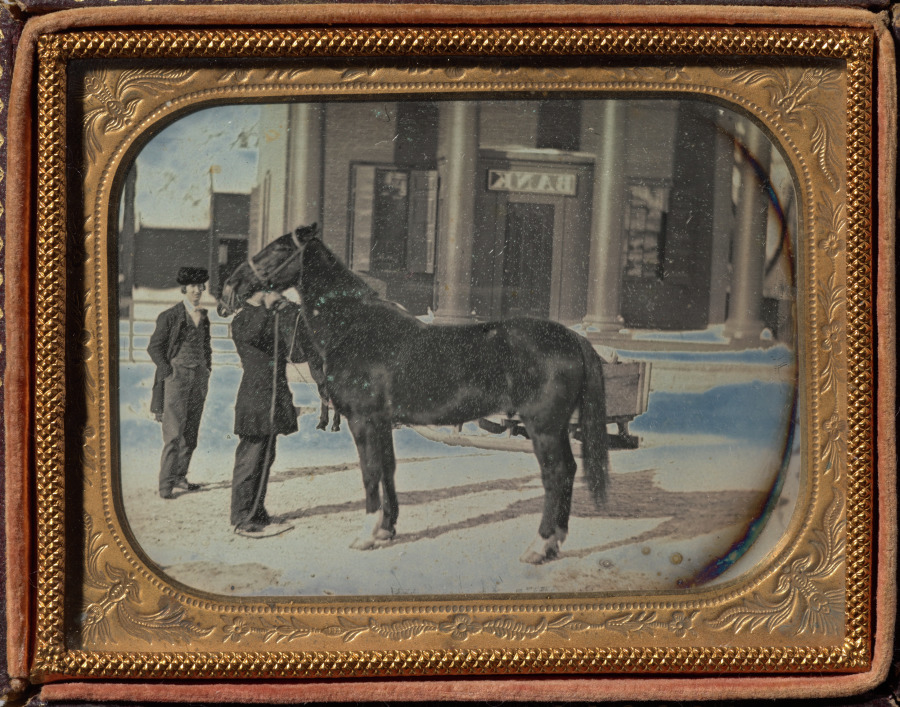 Prize Horse in winter, Chemung County, New York
 Unknown maker
American, 19th century — Untitled (Two Men and
Unknown maker
American, 19th century — Untitled (Two Men and Unknown Maker — Untitled (Portrait of a Carpenter)
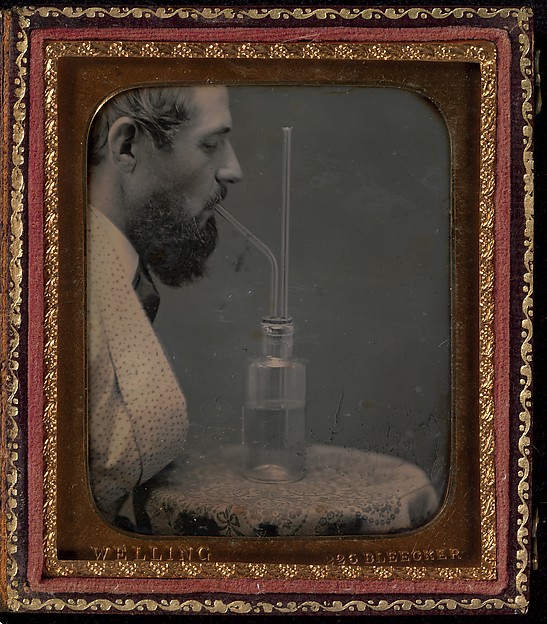 Peter Welling — James Hyatt Inhaling Chlorine Gas
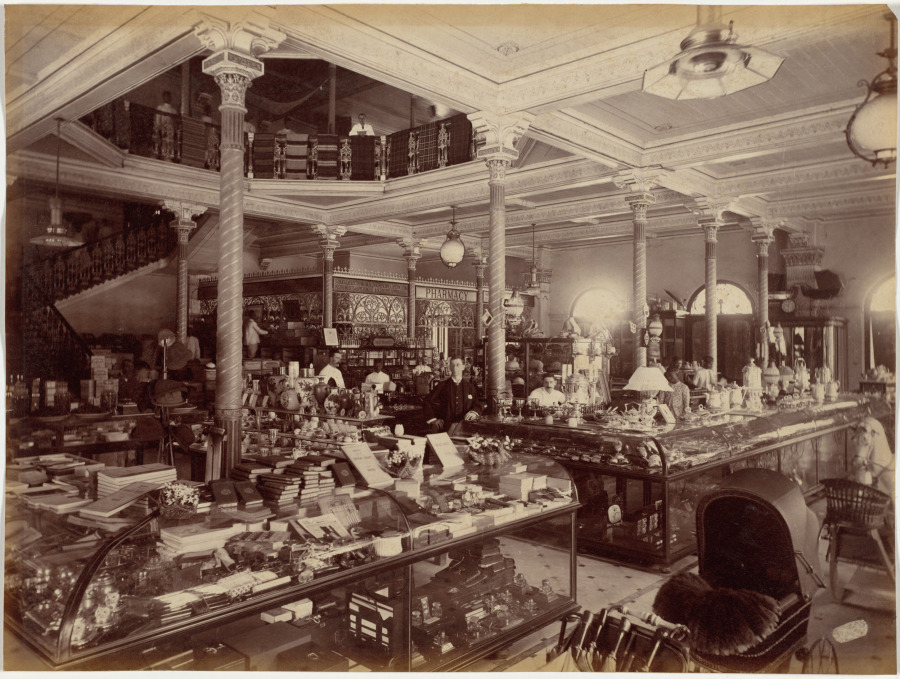 Raja Deen Dayal (Indian, 1844–1905) — Treacher and Co.'s Sho
 Unknown maker
American, 19th century — Untitled (Portrait of
Unknown maker
American, 19th century — Untitled (Portrait of Unknown maker
American, 19th century — Untitled (Carpenter i
Unknown maker
American, 19th century — Untitled (Carpenter i Unknown Maker — Untitled (Portrait of a Man Seated on top of
 Unknown maker
American, 19th century — Untitled (Two Men wit
Unknown maker
American, 19th century — Untitled (Two Men wit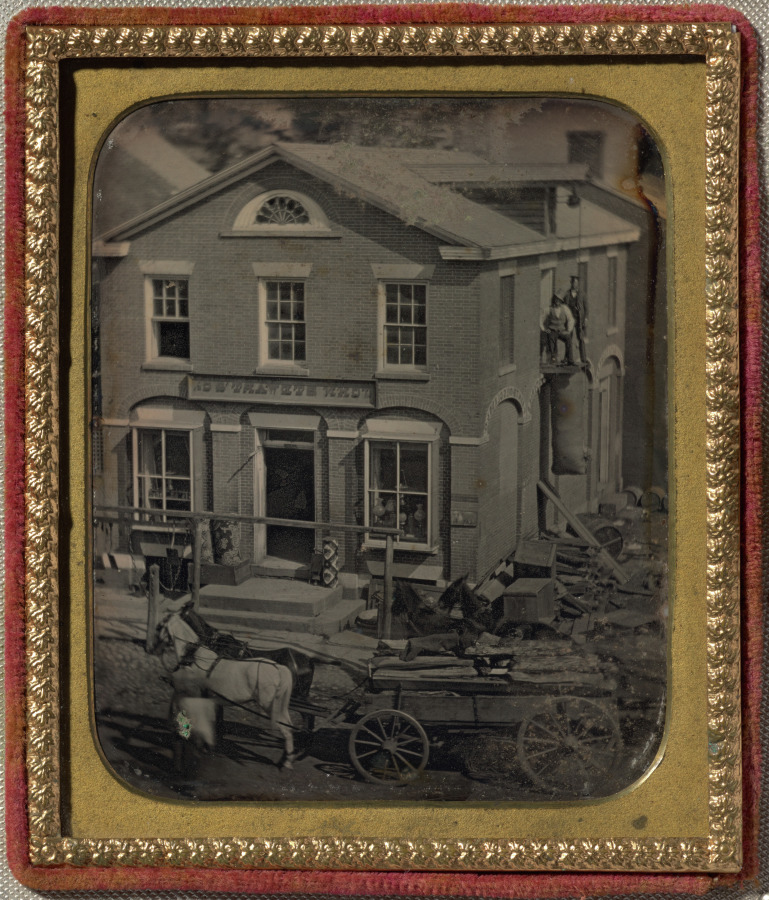 Construction of the John Stewart Store
 Unknown maker
American, 19th century — Untitled (Portrait of
Unknown maker
American, 19th century — Untitled (Portrait of