FROM THE CLEVELAND MUSEUM OF ART’S CATALOG
A distinguished photographer who received royal patronage, Vernon Heath traveled extensively throughout the British Isles documenting estates and landscapes on commission. This carefully composed scenic view, taken just above the Upper Lake of Three Lakes of Killarney in southwest Ireland, exemplifies the pioneering technique he developed in the early 1860s for enlarging 12x10-inch glass negatives. Made when contact printing was the norm, Heath’s carbon-printed enlargements showed no distortion and preserved the general artistic effect, which brought praise from the photographic press. Through his outstanding ability to manipulate wet collodion plates in the field, he excelled at controlling light and rendering aerial perspective. Indeed, Heath was highly acclaimed for the pictorial detail and faithful description of the picturesque scenes his Victorian audience so admired. By 1871 the carbon pigment process was his preferred method for printing. It produced a softening effect and greater gradation of tone in his photographs while rendering them impervious to fading caused by natural light.
Source ↗︎
Be the first to share your thoughts.
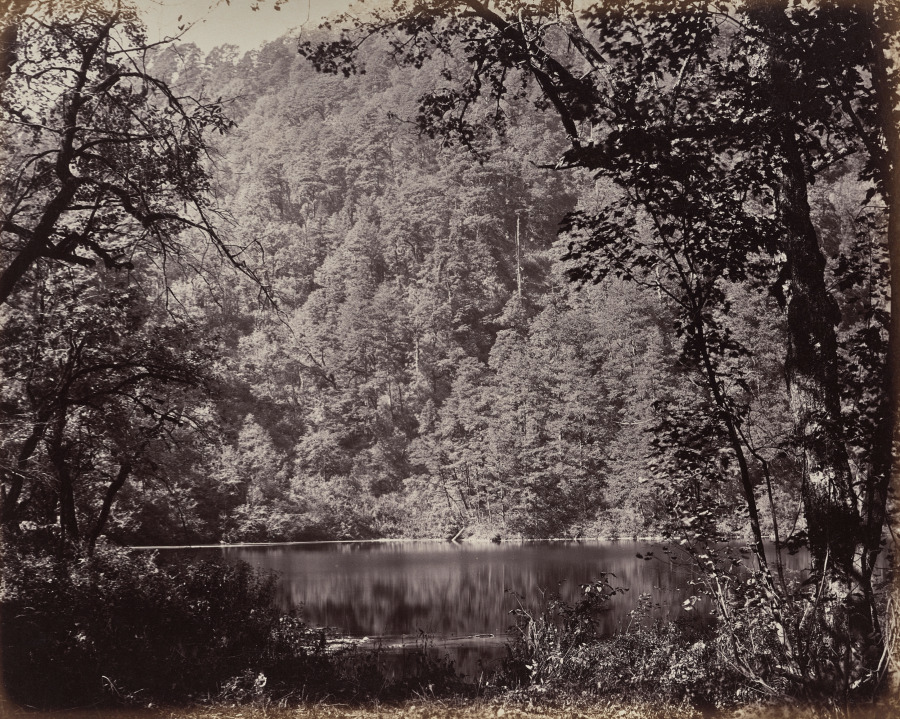 Samuel Bourne (British, 1834–1912) — The Upper Himmalayahs.
 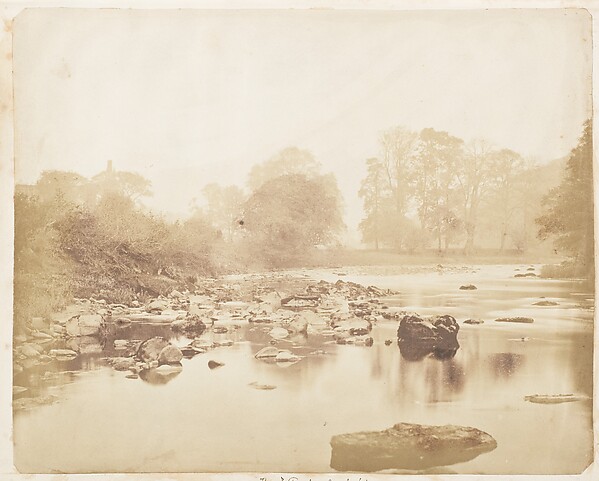 John Dillwyn Llewelyn — The Wharfe, Yorkshire
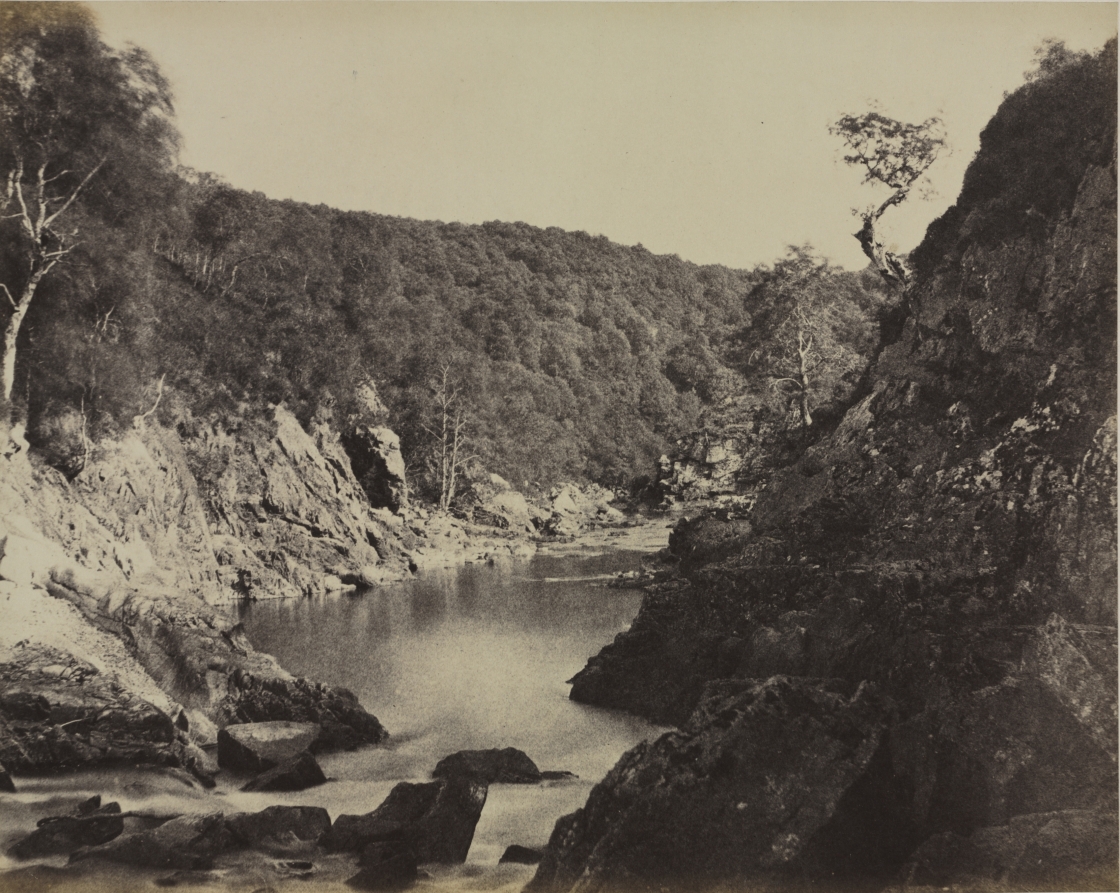 Captain Horatio Ross (British, 1801–1886) — River Landscape,
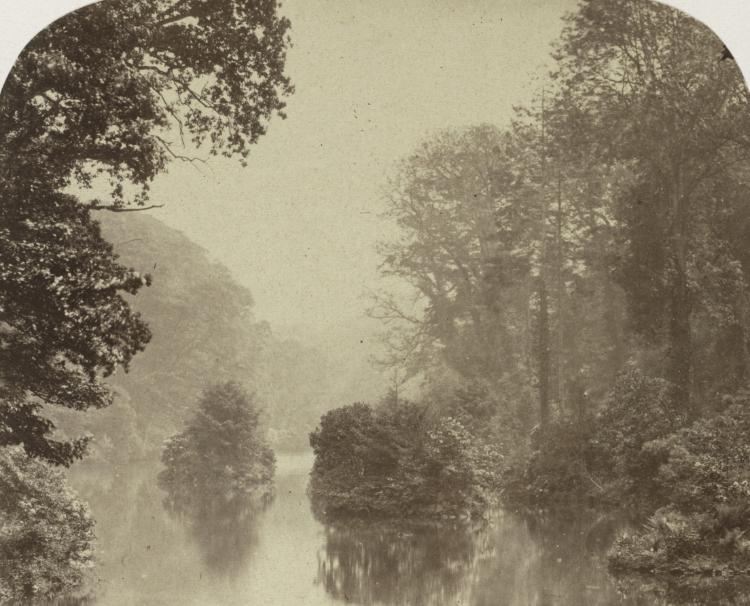 James Knight (British) — Evening
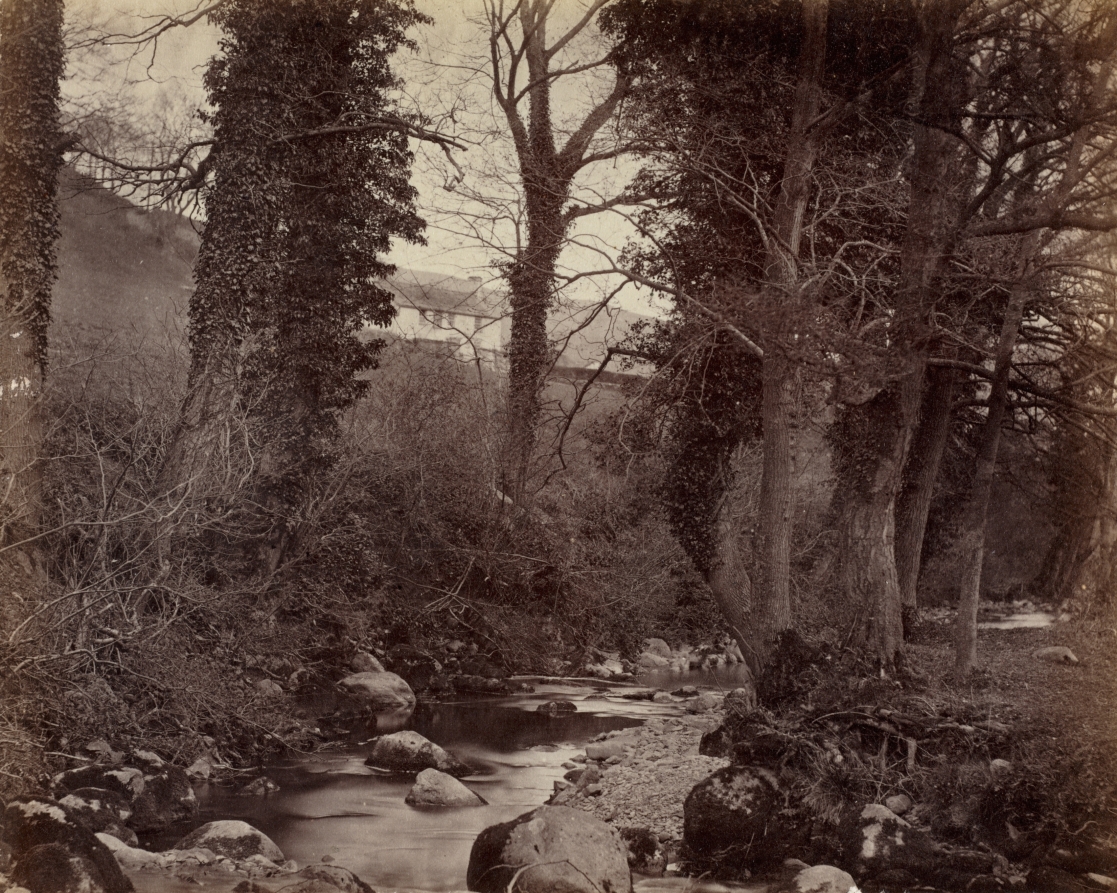 John Lloyd (British, 1811–1865) — Untitled
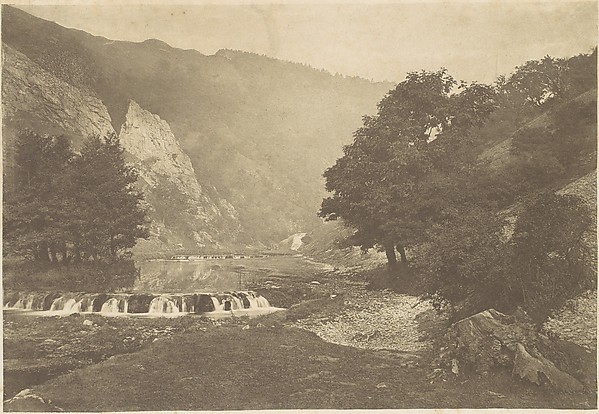 George Bankart — Entrance to Dove Dale, Derbyshire
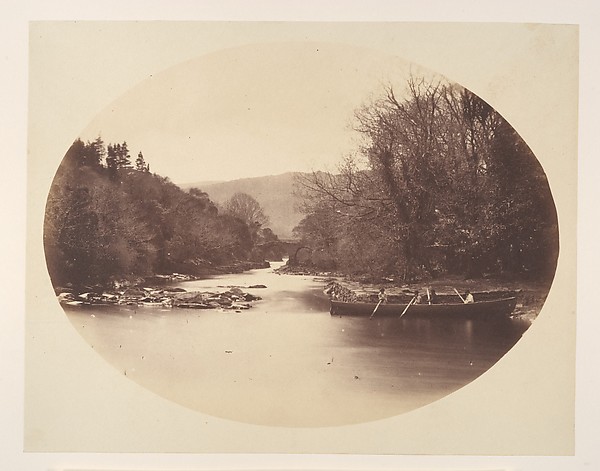 Lord Otho Fitzgerald — The Meeting of the Waters, Killarney
![[Plate from Izaak Walton's The Compleat Angler]](https://images.metmuseum.org/CRDImages/ph/web-large/DP112661.jpg) George Bankart — [Plate from Izaak Walton's The Compleat Ang
George Bankart — [Plate from Izaak Walton's The Compleat Ang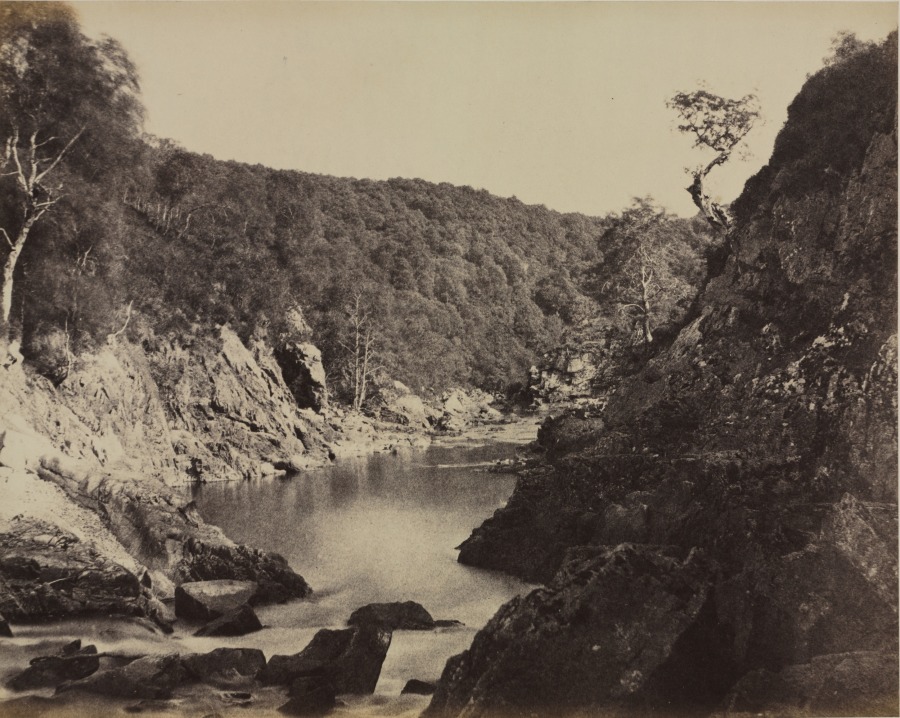 Captain Horatio Ross (British, 1801–1886) — River Landscape,
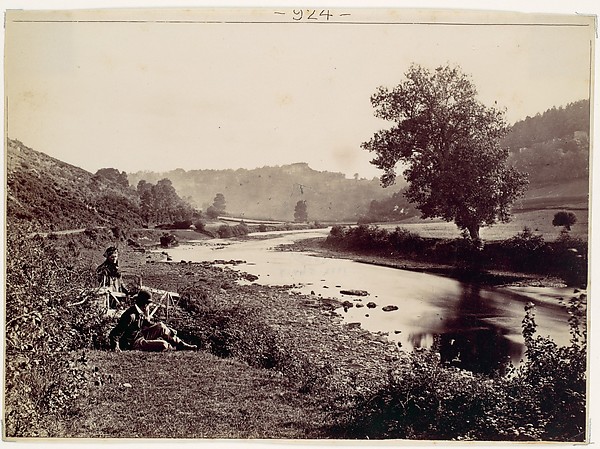 Francis Bedford — The Wye and Symond's Yat. From Rocklands
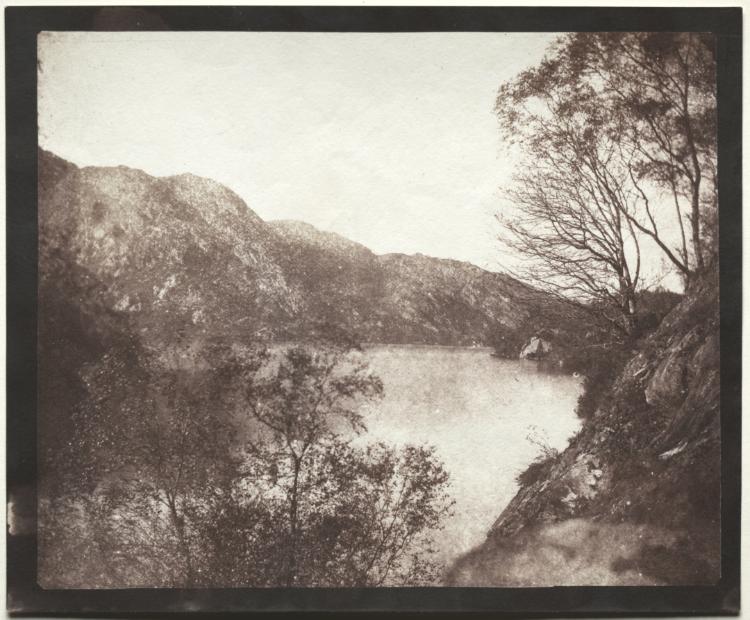 William Henry Fox Talbot (British, 1800–1877) — Loch Katrine
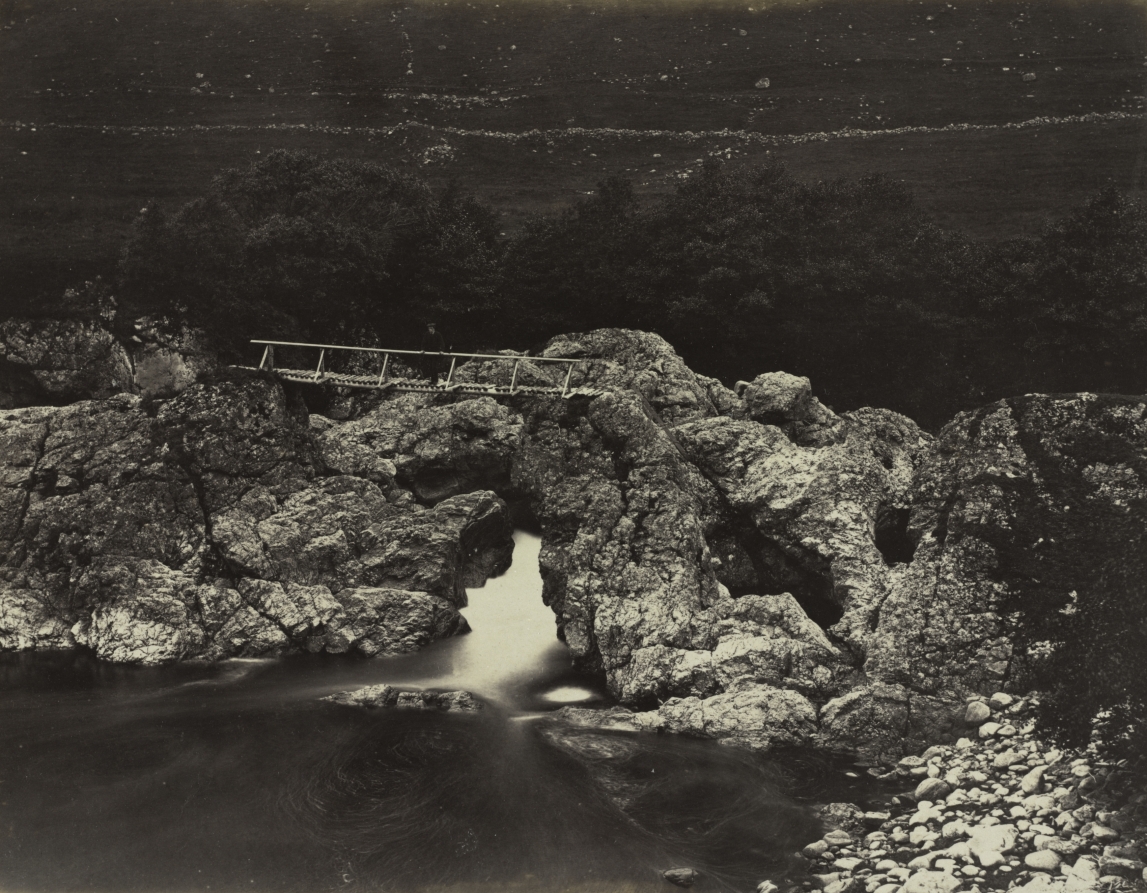 James Valentine (British, 1815–1880) — Shepherd's Bridge nea