In the collection of Cleveland Museum of Art, Cleveland — check current display status with the museum.
FROM THE CLEVELAND MUSEUM OF ART’S CATALOG
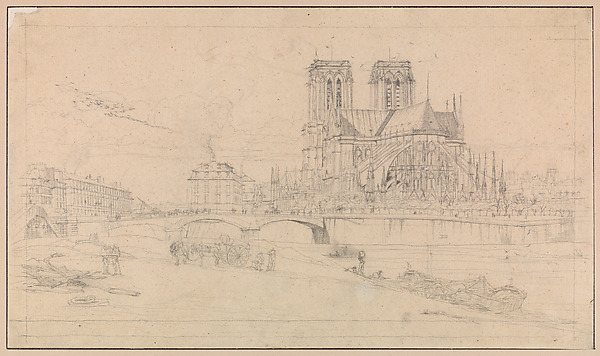
Although Meryon made the first study for this scene with a camera lucida (an apparatus containing a prism or an arrangement of mirrors that reflects the image on a surface so that its outlines may be traced), the artist then made changes to improve the composition—extending the height of the towers of Notre-Dame, for instance. Meryon did not mean his plates to have the precision of a photograph. Rather, he combined two views—a sketch from a low point at the water's edge and a view from the parapet—which, although not totally accurate, are believable. Charles Baudelaire (1821–1867) reported in a letter that he discussed this print with the artist who claimed "that the shadow cast by a portion of the stonework on the side wall of the Pont Neuf looked exactly like the profile of a sphinx; that this was entirely coincidence on his part and only later did he take note of this peculiarity."
Be the first to share your thoughts.
Sign in to join the discussion.
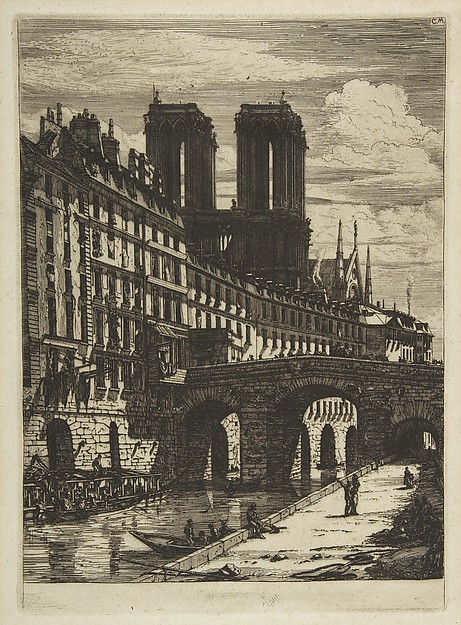 Charles Meryon — The Petit Pont, Paris
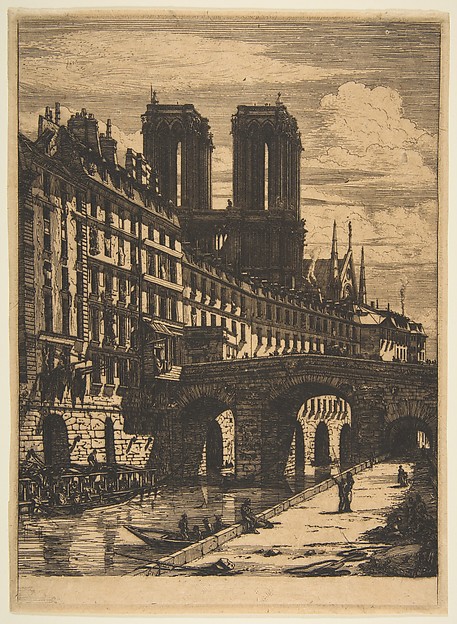 Charles Meryon — The Petit Pont, Paris
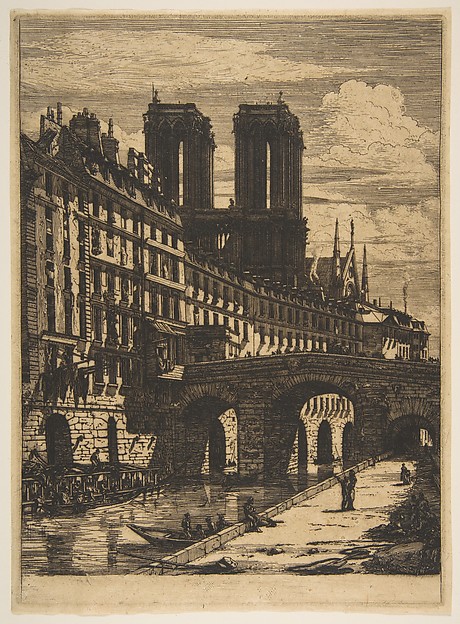 Charles Meryon — The Petit Pont, Paris
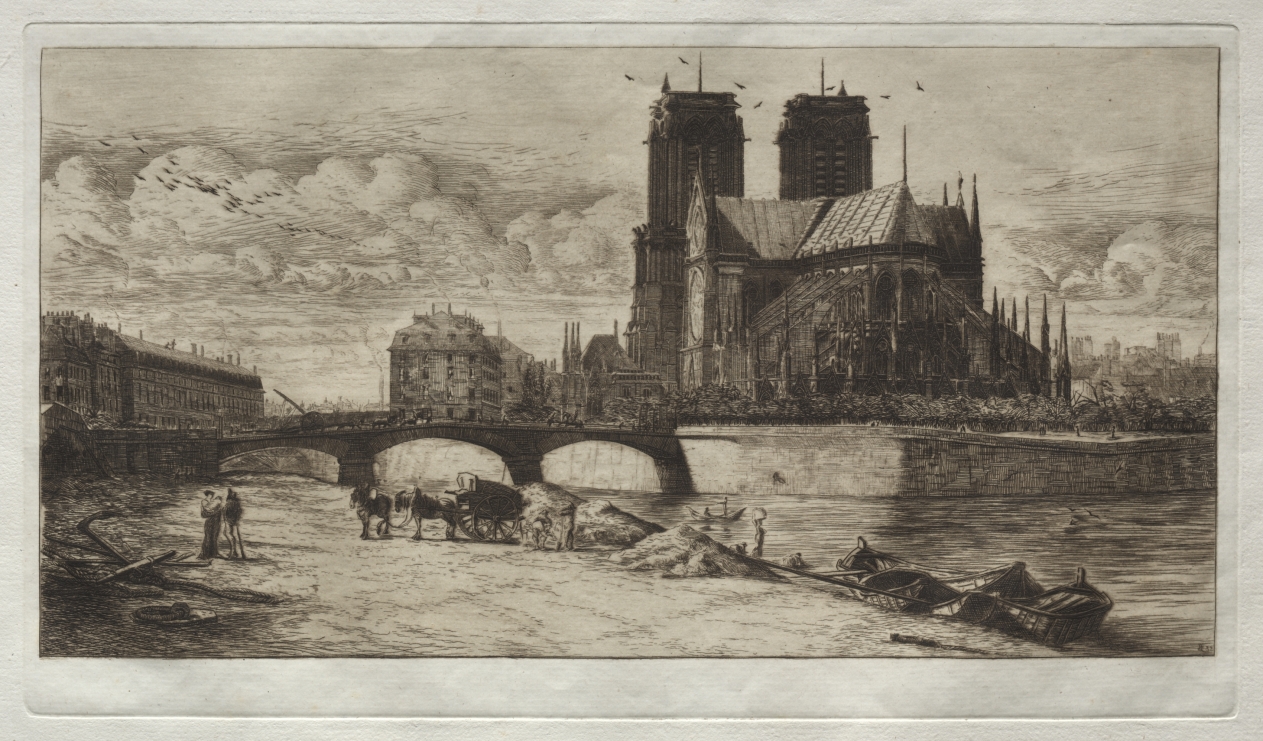 Edmond Gosselin (French) — L'Abside de Notre Dame de Paris
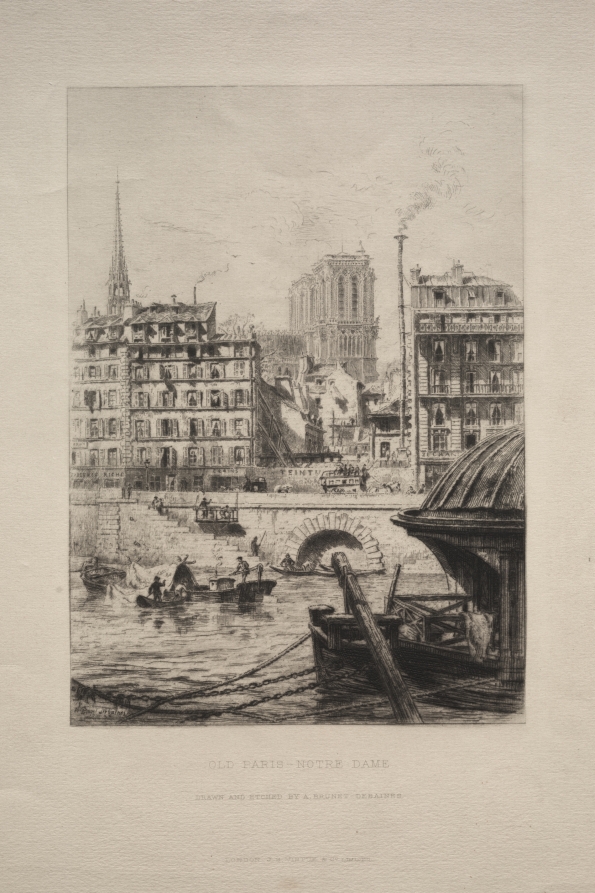 Alfred Brunet-Debaines (French, 1845–1939) — Old Paris: Not
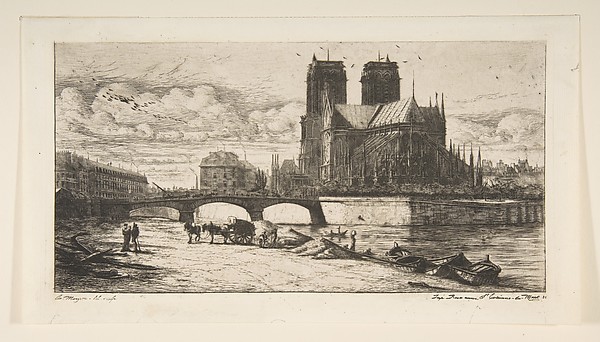 Charles Meryon — The Apse of Notre-Dame, Paris
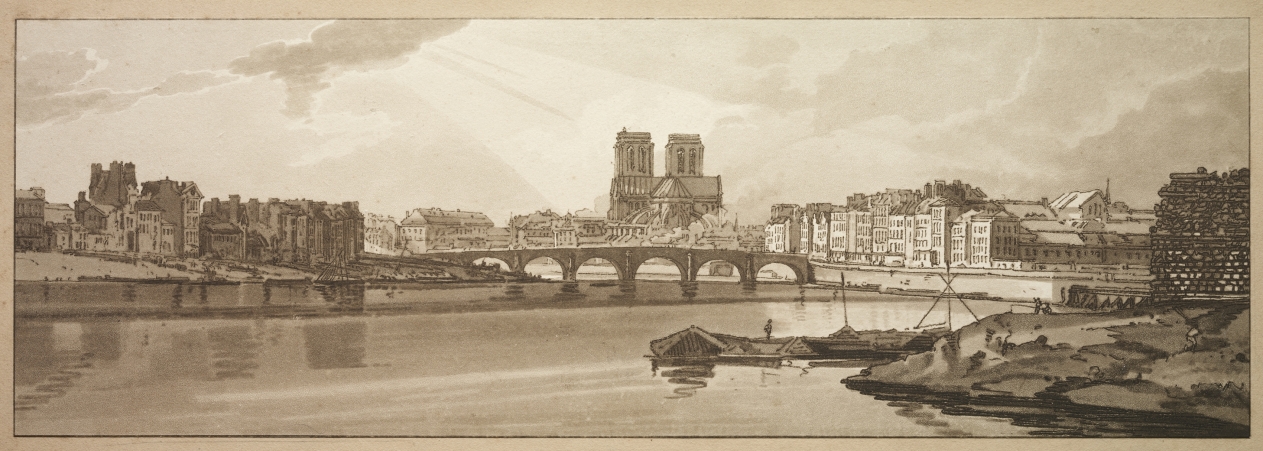 Thomas Girtin (British, 1775–1802) — A Selection of Twenty o
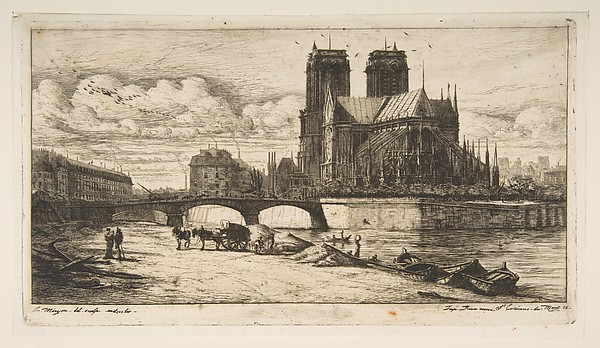 Charles Meryon — The Apse of Nôtre-Dame, Paris
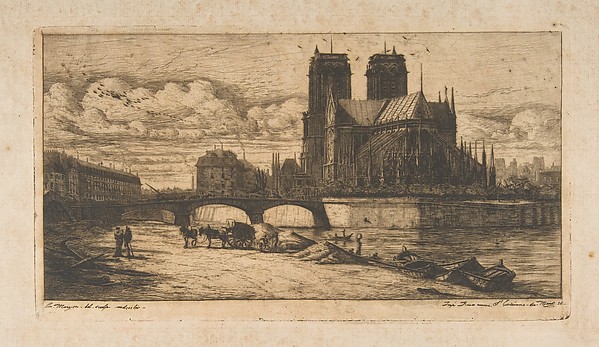 Charles Meryon — The Apse of Notre-Dame, Paris
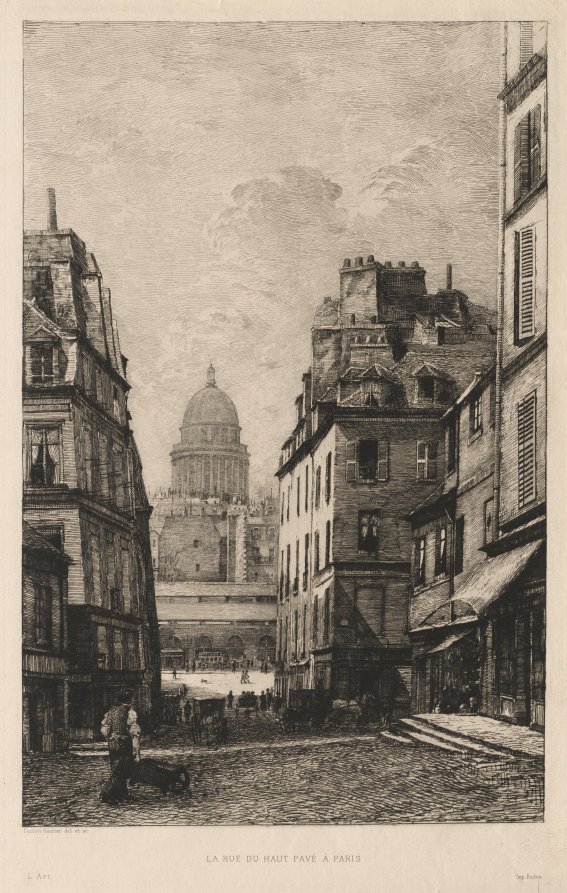 Lucien Gautier (French, 1850–1925) — La rue du Haut Pavé à P
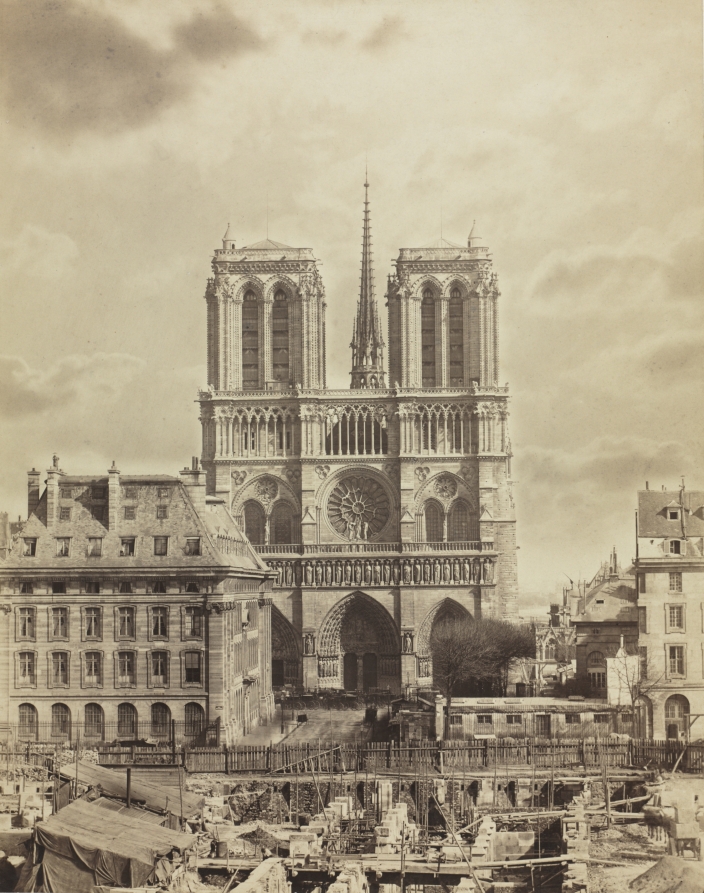 Charles Soulier (French, 1840–1875) — Notre Dame de Paris
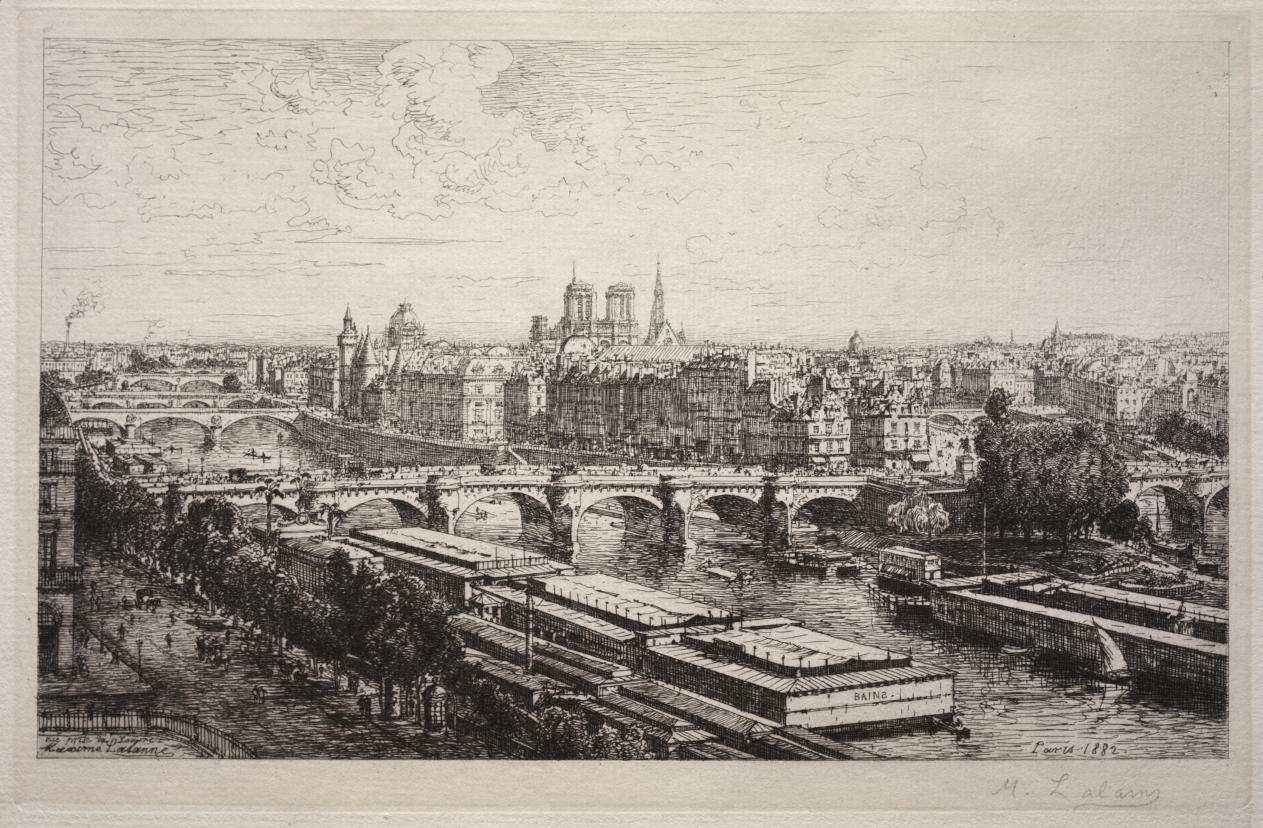 Maxime Lalanne (French, 1827–1886) — View from the Louvre