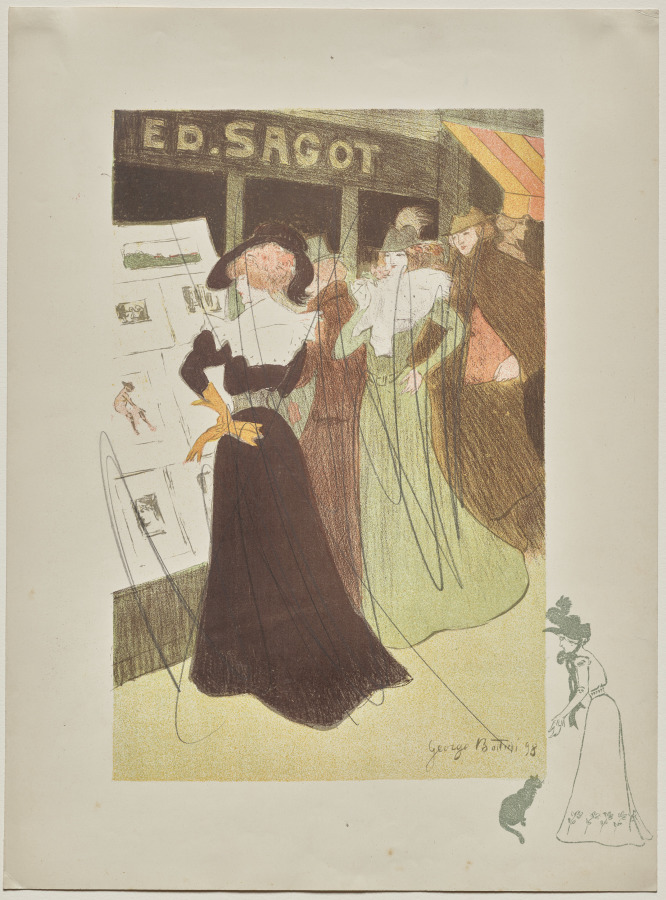
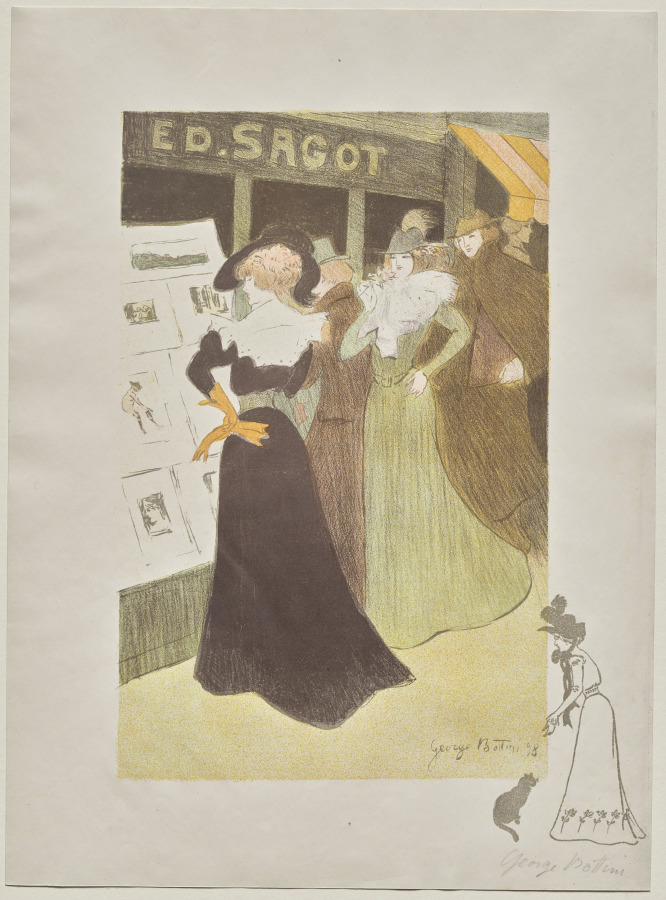
In the collection of Cleveland Museum of Art, Cleveland — check current display status with the museum.
FROM THE CLEVELAND MUSEUM OF ART’S CATALOG
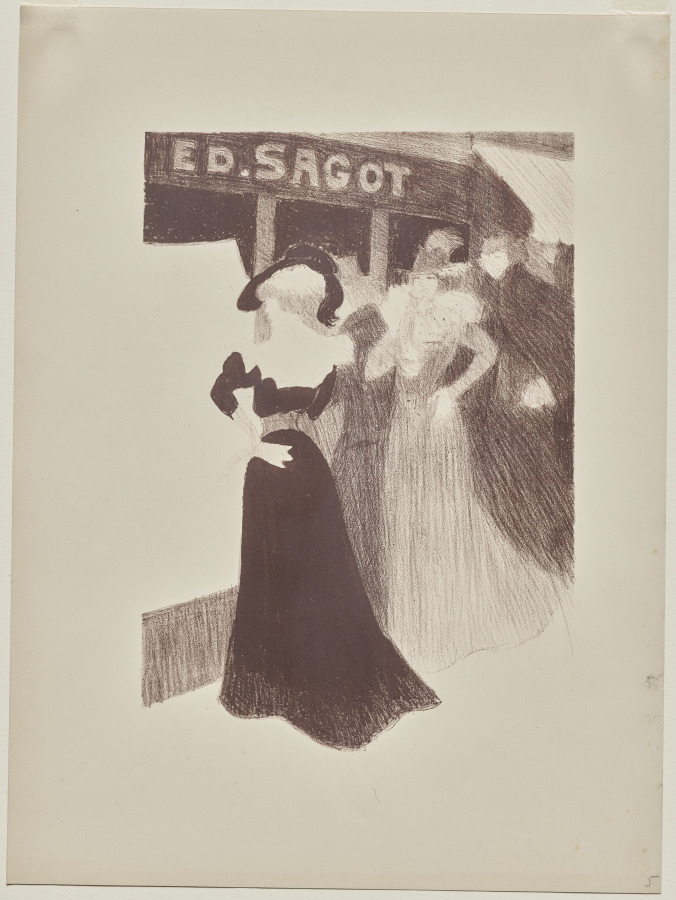
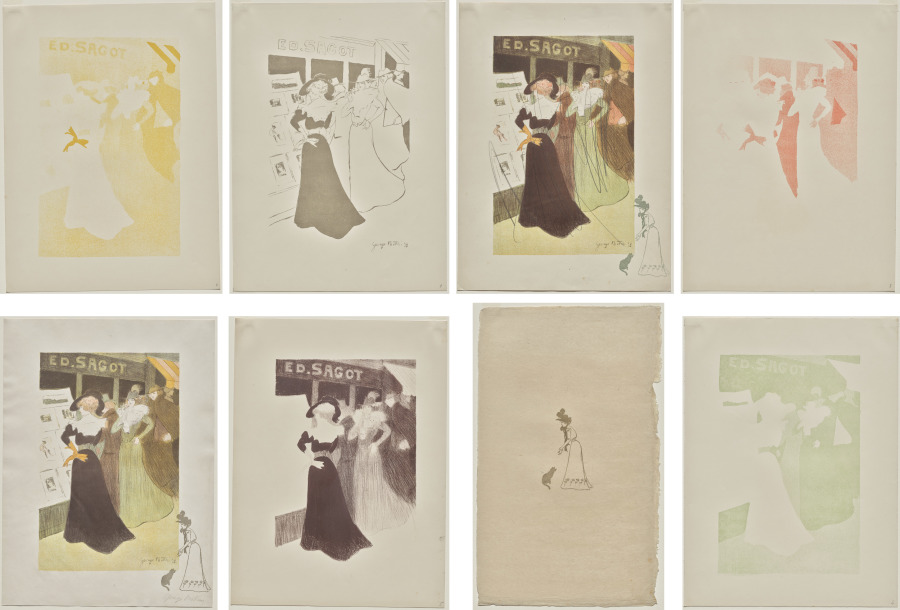
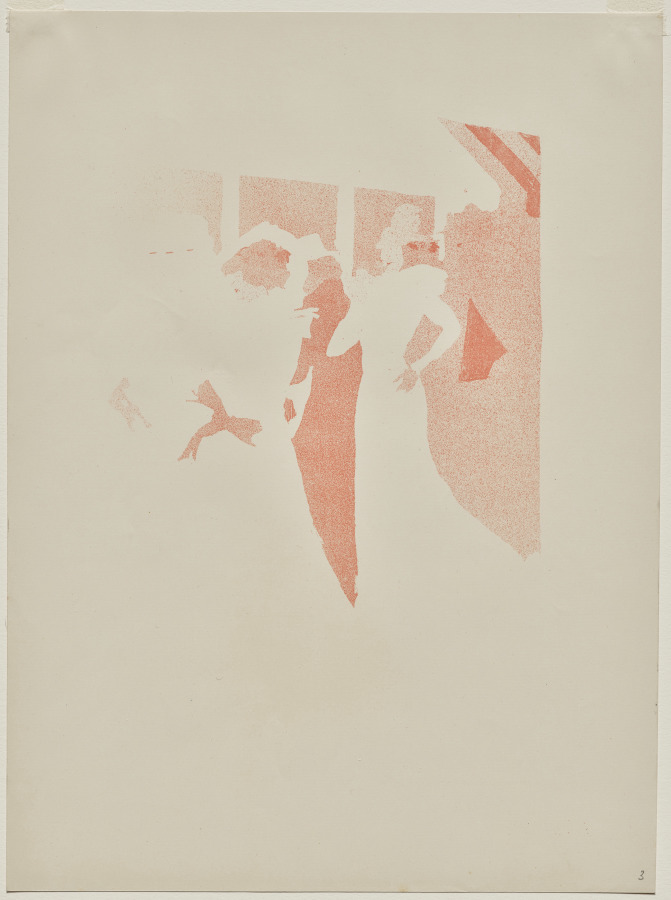
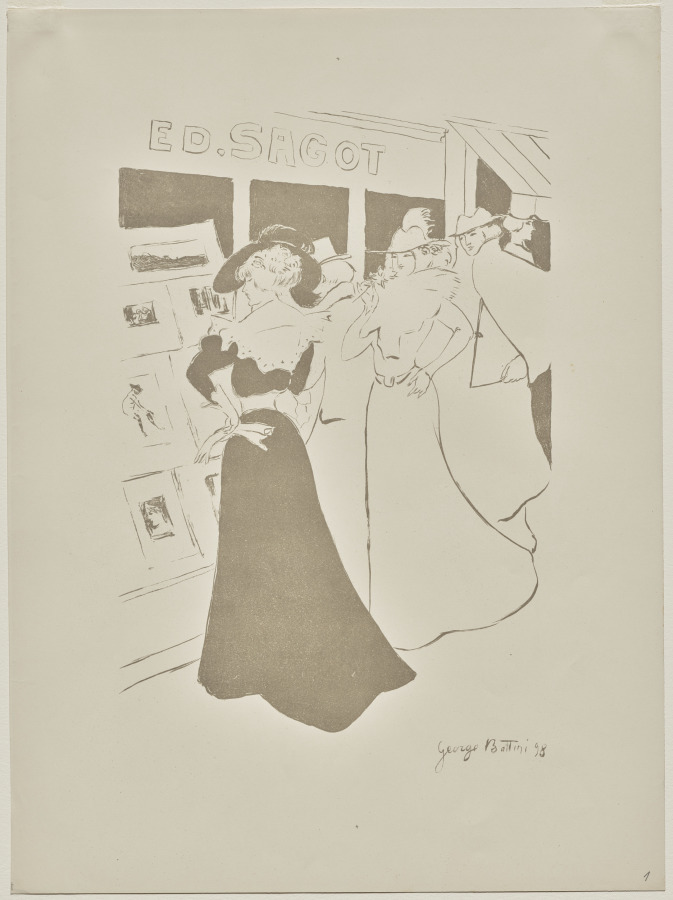
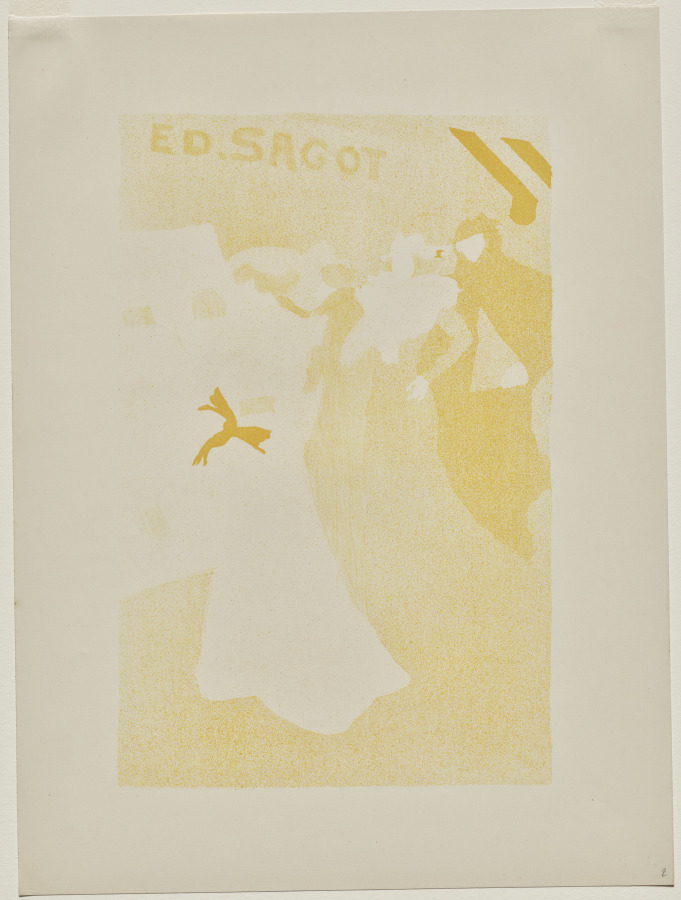
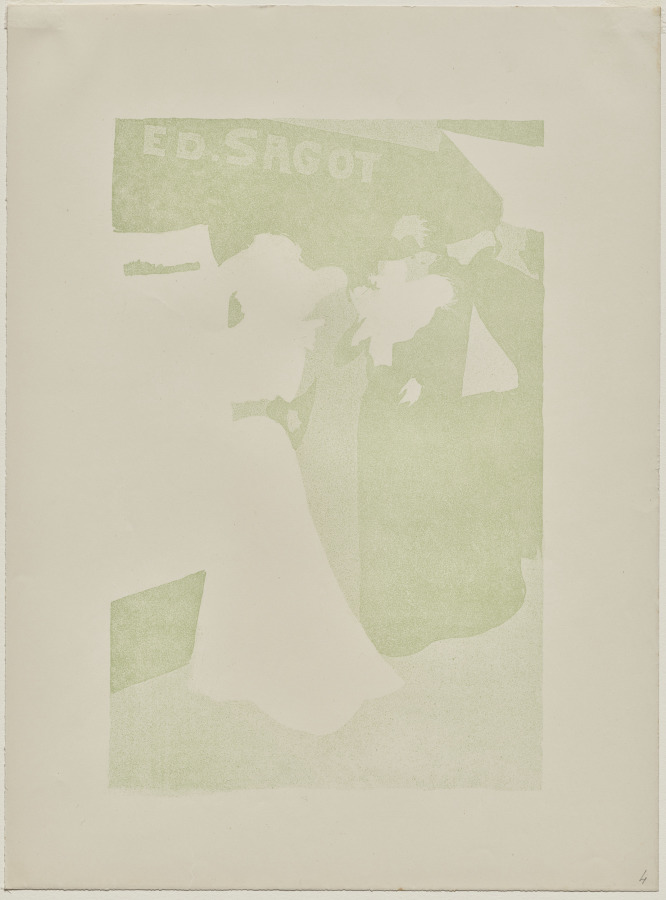
The last decades of the 19th century was the golden era of French color lithography. Jules Cheret (1836–1932) popularized the technique to make colorful posters which, by 1884, were also exhibited as a legitimate art form. In 1891 Cheret began to design posters without lettering to frame and hang on walls—still an unusual idea since prints were usually stored in portfolios. The explosion in color lithography was also encouraged by the use of zinc plates, which were lighter, cheaper, and more pliable than traditional lithographic stones. Also important was the formation of artist's organizations like the Société des artistes lithographie (Society of Lithographic Artists) and the Société de l'estampe originale (Society of Original Prints), which stimulated original printmaking. By the 1890s a proliferation of fine printers, independent exhibitions, publications devoted to prints, critics, publishers, and dealers like Sagot, all supported color lithography.
Be the first to share your thoughts.
Sign in to join the discussion.
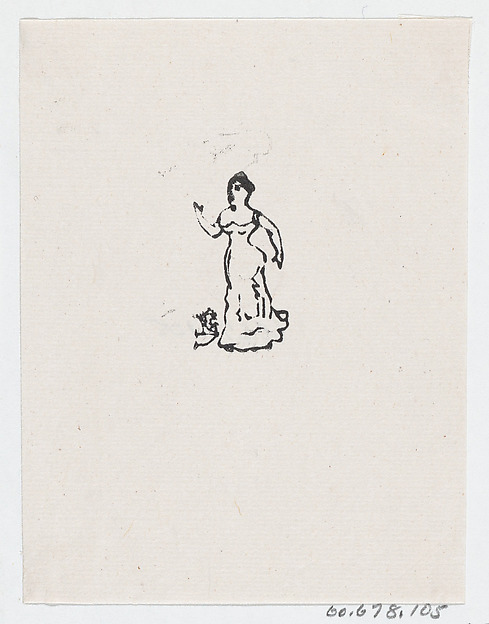 José Sanchez|José Guadalupe Posada — A woman in an evening g
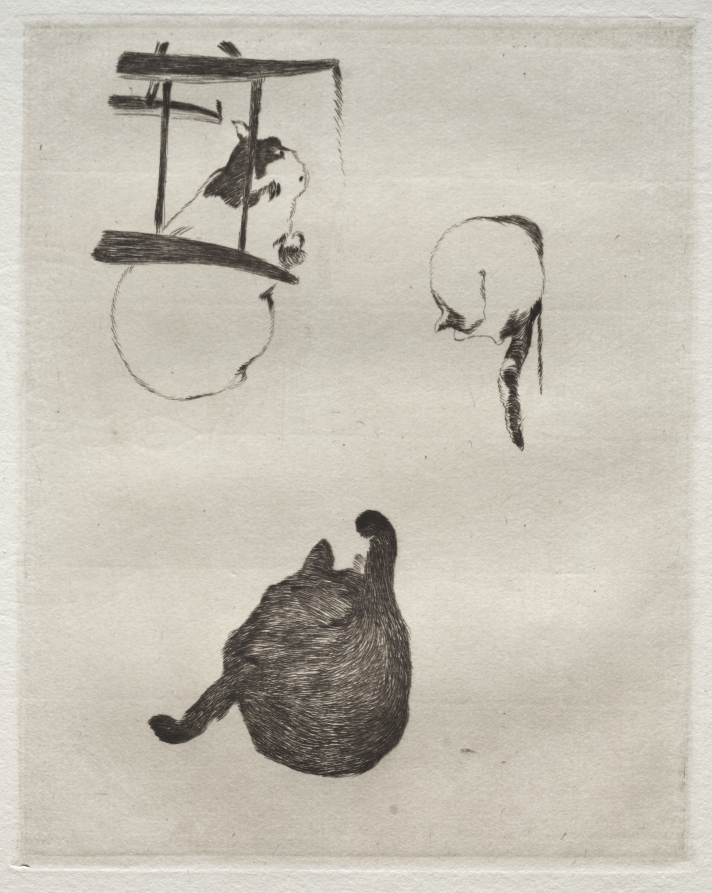 Édouard Manet (French, 1832–1883) — The Cats
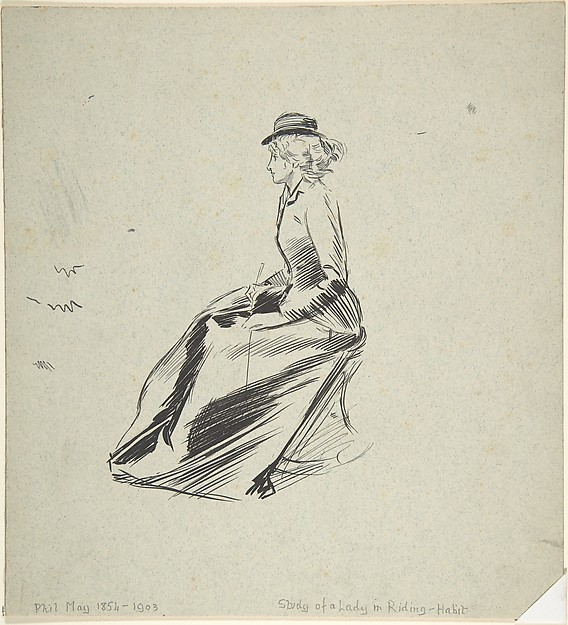 Phil May — Study of a Lady in a Riding Habit
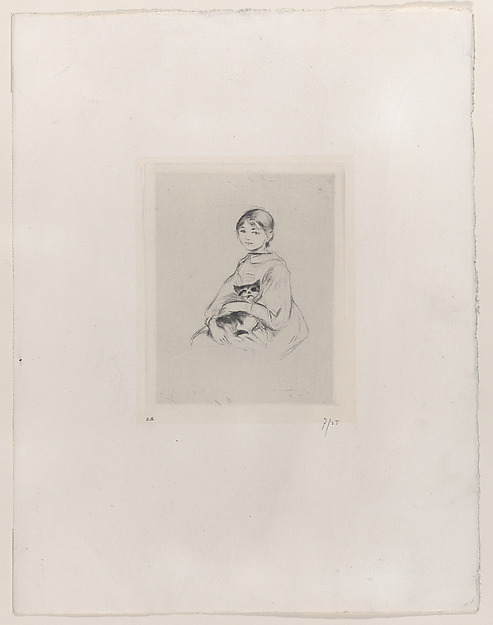 Berthe Morisot|Auguste Renoir|Julie Manet — Young Girl with
  Edouard Manet|Suzanne Manet — Suzanne Manet at Bellevue
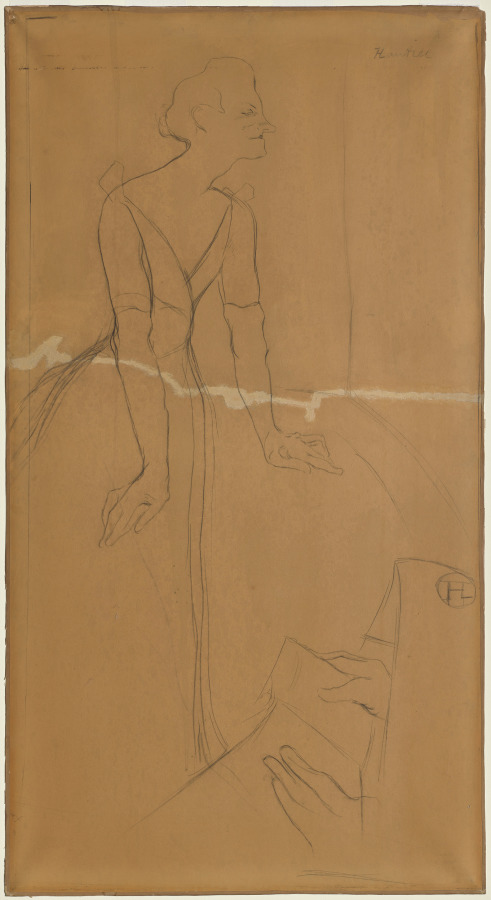 Henri de Toulouse-Lautrec (French, 1864–1901) — Yvette Guilb
 Henri de Toulouse-Lautrec — Jane Hading
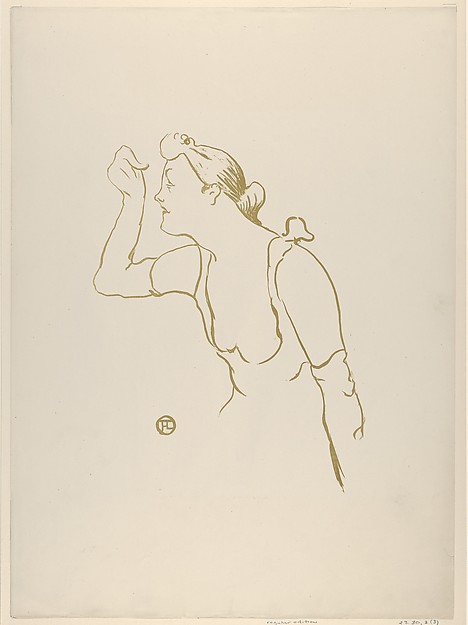 Henri de Toulouse-Lautrec|Edward Ancourt|André Marty — Paula
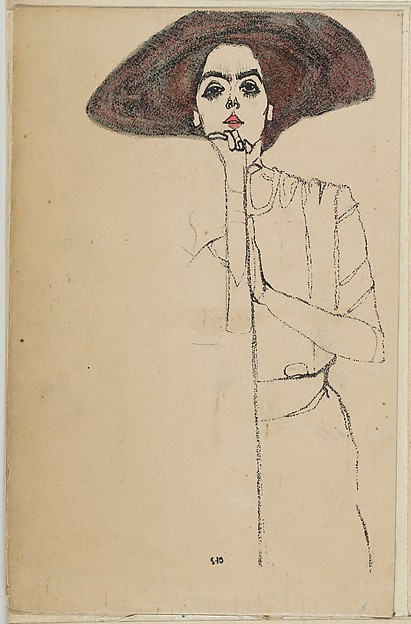 Wiener Werkstätte|Egon Schiele — Portrait of a Woman
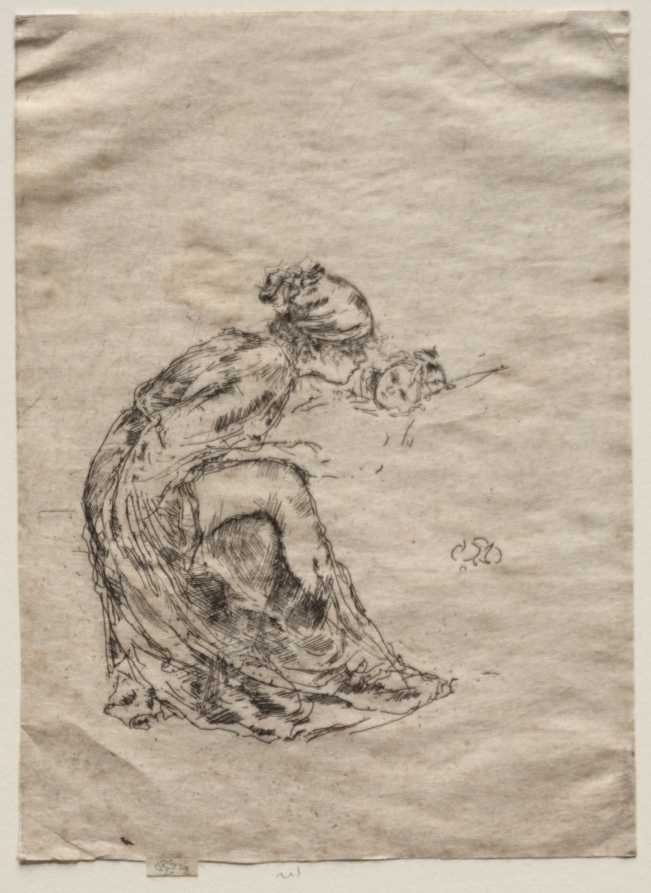 James McNeill Whistler (American, 1834–1903) — Cameo, No. 1
 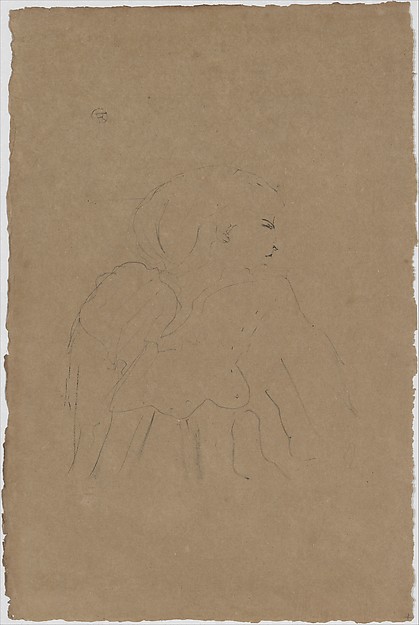 Henri de Toulouse-Lautrec — Jane Hading
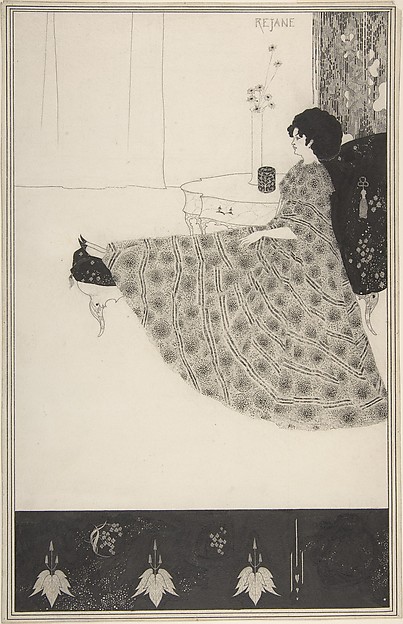 Aubrey Vincent Beardsley|Madame Gabrielle Réjane — Madame Ré