FROM THE CLEVELAND MUSEUM OF ART’S CATALOG
Although portrait sittings were directed by the photographer, sitters had some input in shaping their identities by choosing their pose, clothing, possessions, and sometimes backdrop. People came to the studio dressed in their finest outfits, and they often brought objects to represent their interests or occupation, such as the tuning fork held by the music teacher. Hand painting could draw attention to luxury items, as in Young Woman with Pantalettes, where her jewelry is dabbed with gold paint and the lacy cuffs of her pantalettes are enhanced with white paint. Most people had only a few photographs made during their lifetimes; therefore, they were often used to mark rites of passage such as graduation and marriage.
Source ↗︎
Be the first to share your thoughts.
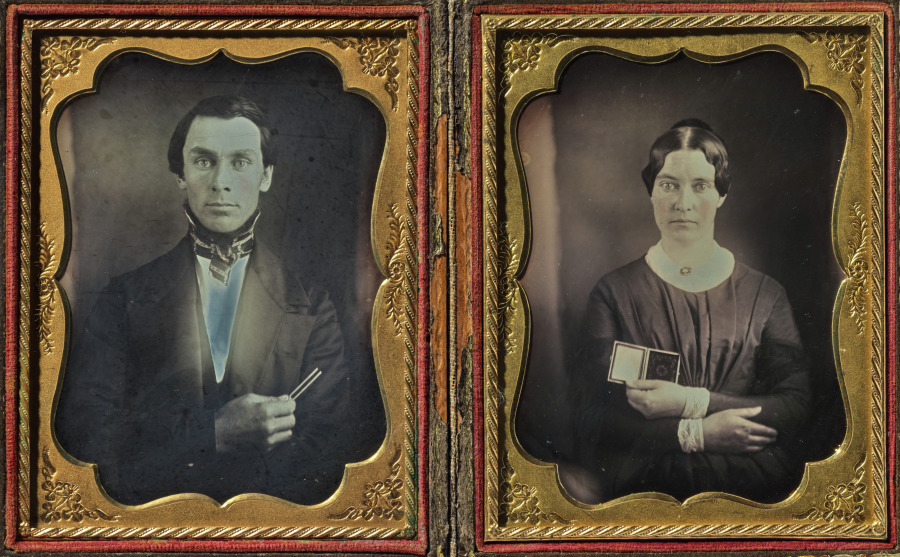 The Music Teacher and His Wife
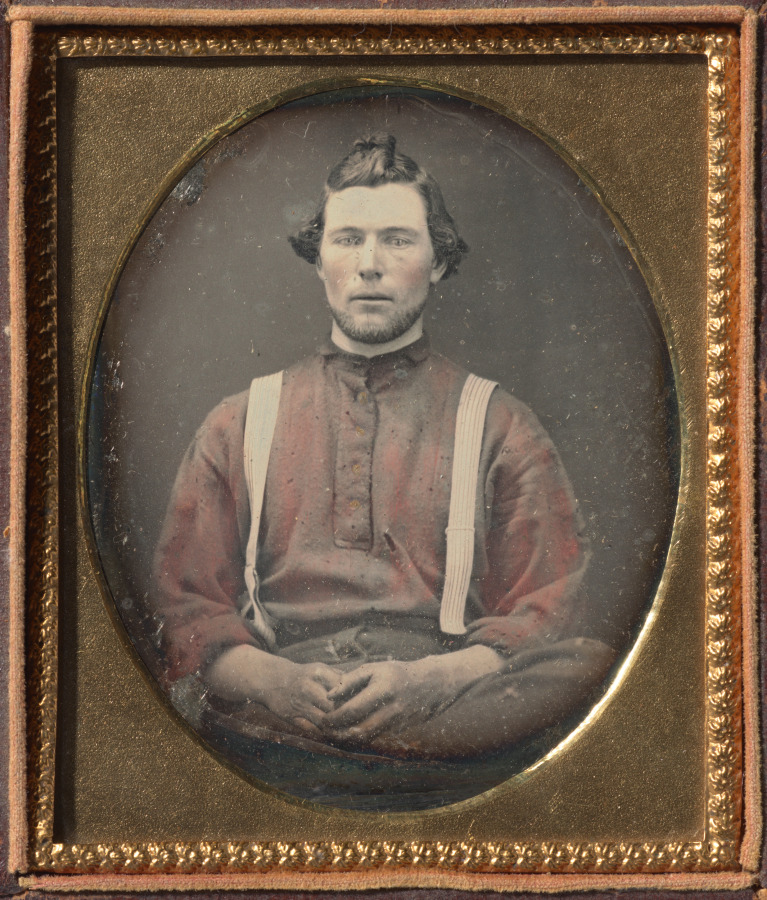 Workman in Red Flannel Shirt and Suspenders
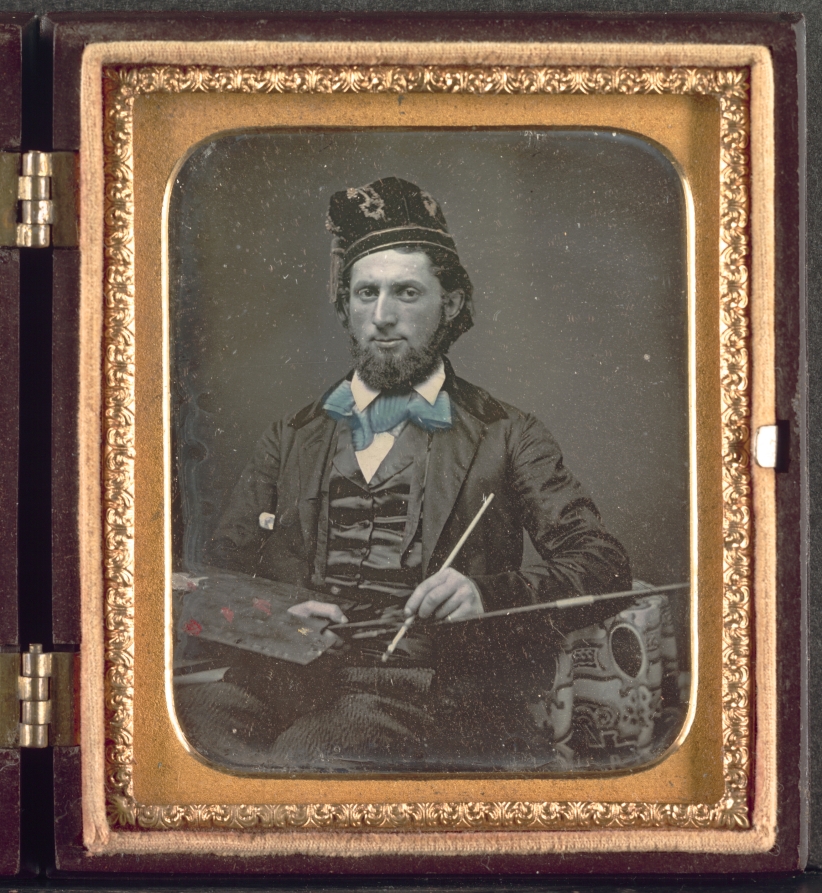 Artist with His Palette and Brushes
![[Man Holding Glasses in Front of Painted Outdoor Backdrop]](https://images.metmuseum.org/CRDImages/ph/web-large/DP700012.jpg) Unknown — [Man Holding Glasses in Front of Painted Outdoor B
Unknown — [Man Holding Glasses in Front of Painted Outdoor B![[Young Man with Hand Tucked in Vest]](https://images.metmuseum.org/CRDImages/ph/web-large/DP700149.jpg) Unknown — [Young Man with Hand Tucked in Vest]
Unknown — [Young Man with Hand Tucked in Vest]![[Young Man Holding Jacket Lapel]](https://images.metmuseum.org/CRDImages/ph/web-large/DP700085.jpg) Unknown — [Young Man Holding Jacket Lapel]
Unknown — [Young Man Holding Jacket Lapel]![[Seated Young Man with Arm Resting on Table]](https://images.metmuseum.org/CRDImages/ph/web-large/DP700162.jpg) Unknown — [Seated Young Man with Arm Resting on Table]
Unknown — [Seated Young Man with Arm Resting on Table]![[Seated Young Man Resting Arm on Table Beside Daguerreotype Case]](https://images.metmuseum.org/CRDImages/ph/web-large/DP700003.jpg) Unknown — [Seated Young Man Resting Arm on Table Beside Dagu
Unknown — [Seated Young Man Resting Arm on Table Beside Dagu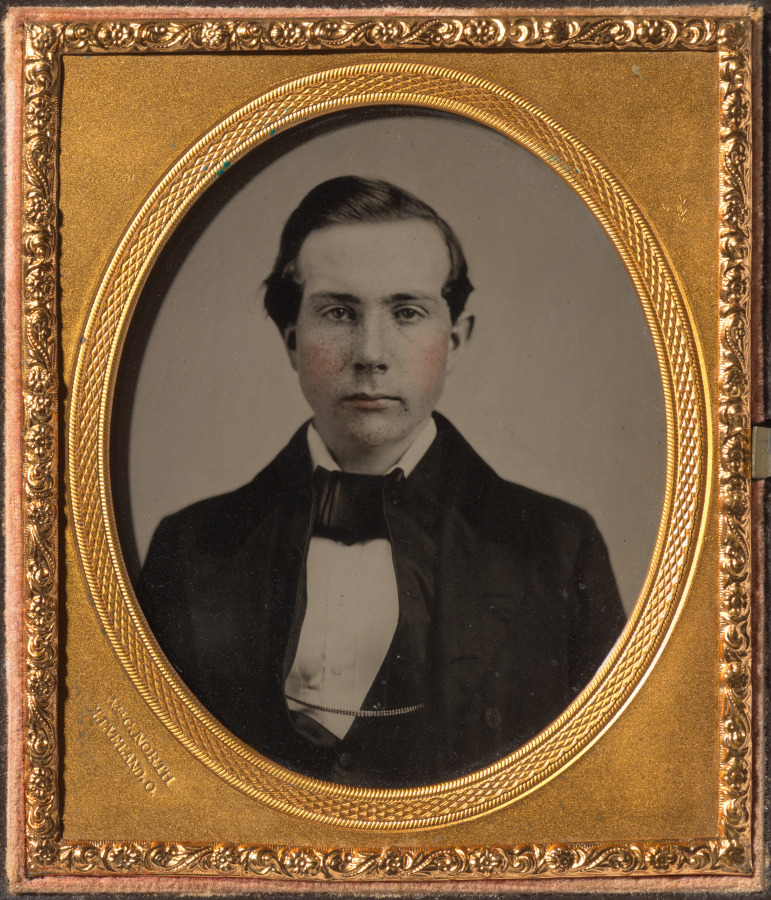 William C. North (American, 1814–1890) — Portrait of John D.
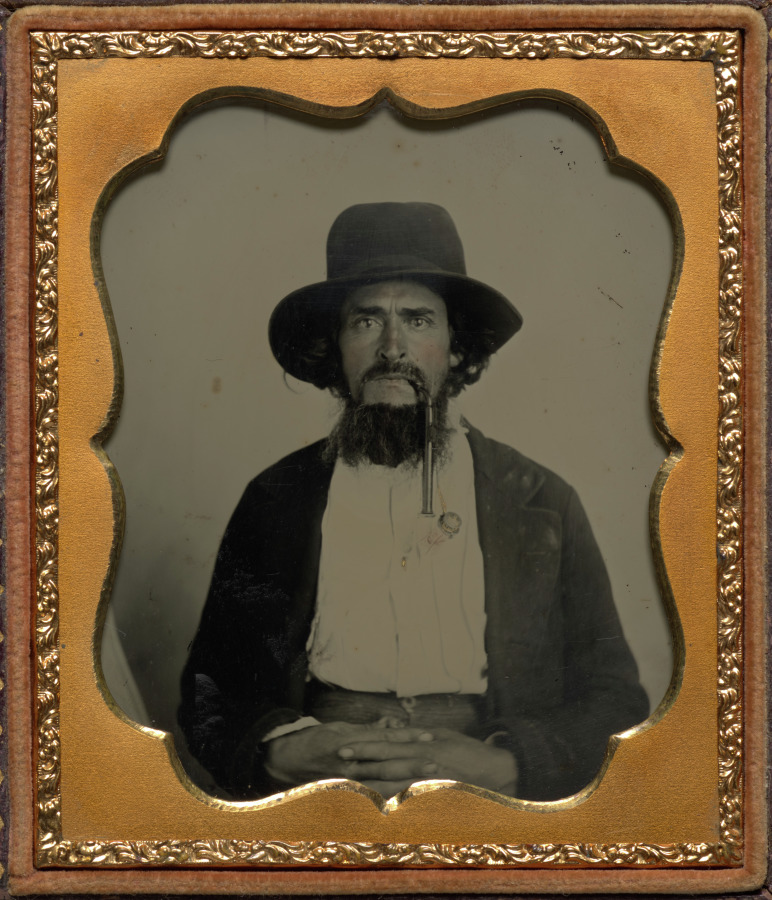 Urban Worker Smoking Tyrolean Pipe
![[Surveyor]](https://images.metmuseum.org/CRDImages/ph/web-large/DP-45425-001.jpg) Unknown — [Surveyor]
Unknown — [Surveyor]![[Mason Holding a Trowel]](https://images.metmuseum.org/CRDImages/ph/web-large/DP-45418-001.jpg) Unknown — [Mason Holding a Trowel]
Unknown — [Mason Holding a Trowel]