Studies of a Roman Sarcophagus
SEE IT IN PERSON
Not currently on view
In the collection of Art Institute of Chicago, Chicago · as of July 2026
Discussion
FROM THE ART INSTITUTE OF CHICAGO’S CATALOG
Using chalk and a loose sheet of paper, Peter Paul Rubens depicted three figures from a sarcophagus likely seen in Roman collector Ciriaco Mattei’s garden. Rubens visited the Eternal City twice during his stay in Italy (1600–08). Chalk was more portable than ink and therefore an easier medium in which to directly record the remnants of Classical antiquity. Rubens used it to convey the contours of specific sculptural elements as well as the shadows created by their volumes. In comparing this drawing to its source, one can appreciate how selectively Rubens extracted the figures from their architectural surround.
Be the first to share your thoughts.
Sign in to join the discussion.
More by Peter Paul Rubens
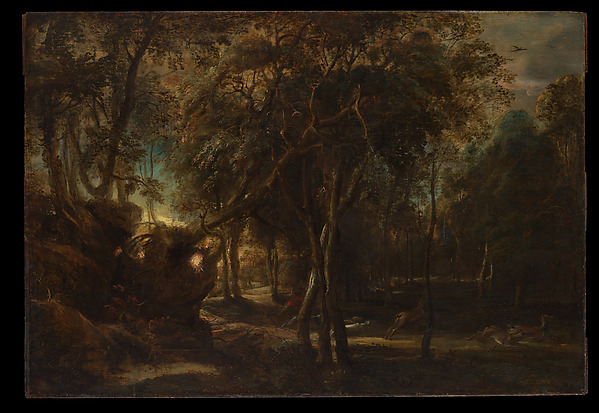 A Forest at Dawn with a Deer Hunt
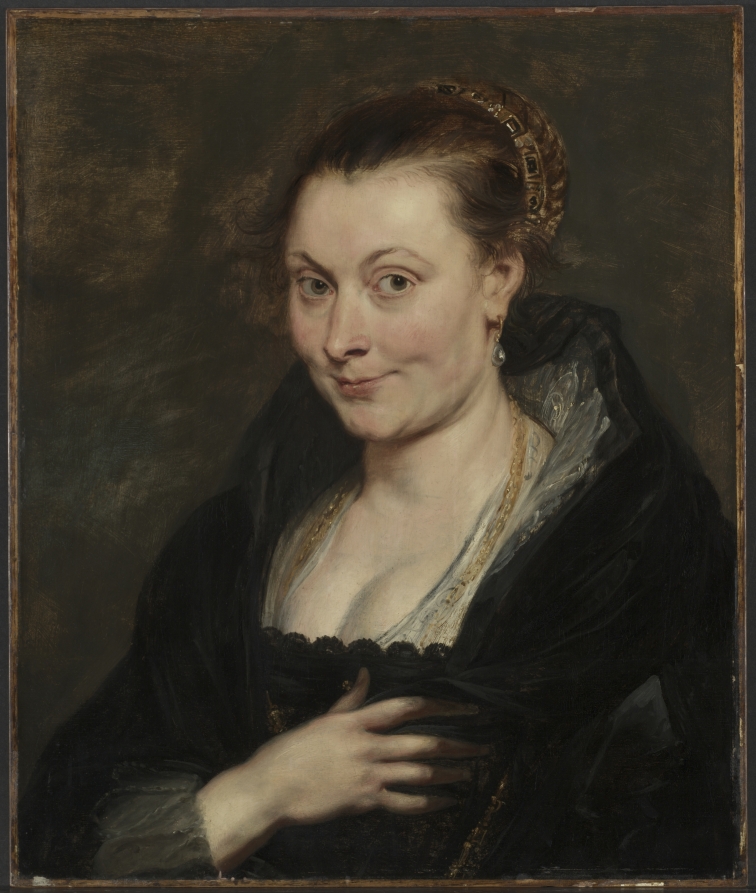 Portrait of Isabella Brant
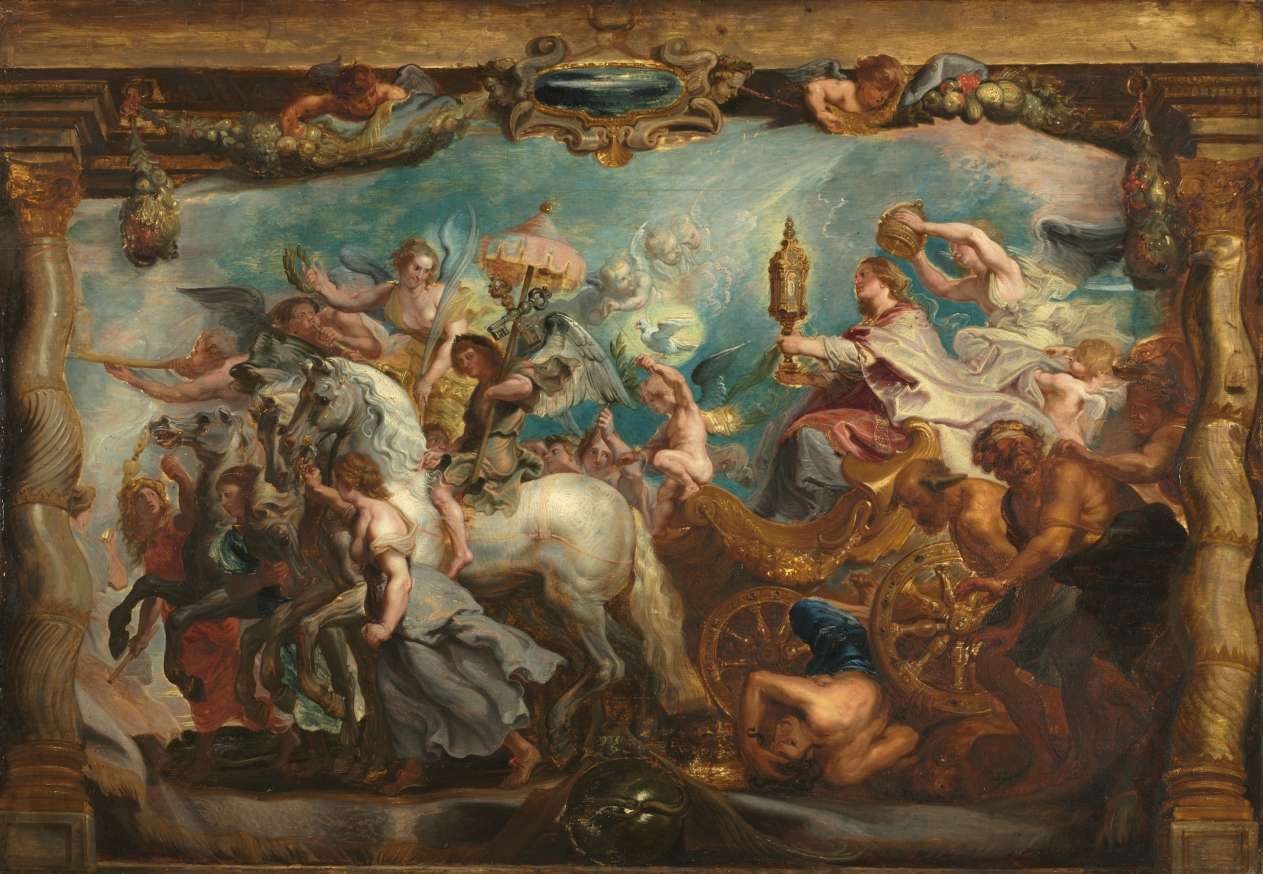 The Triumph of the Church
 The Holy Family with Saints Elizabeth and John the Baptist
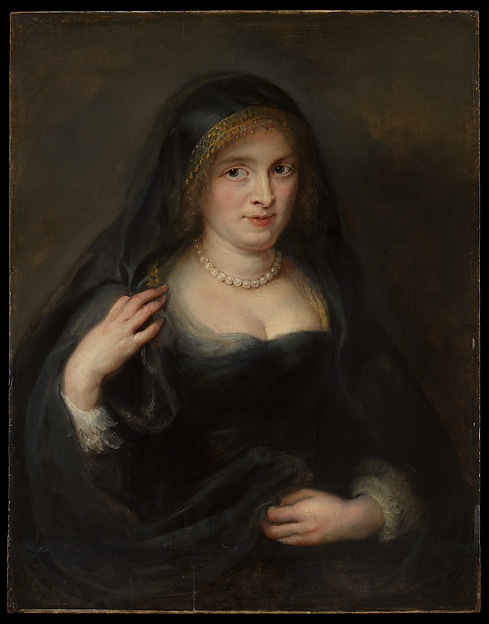 Portrait of a Woman, Probably Susanna Lunden (Susanna Fourme
 Atalanta and Meleager
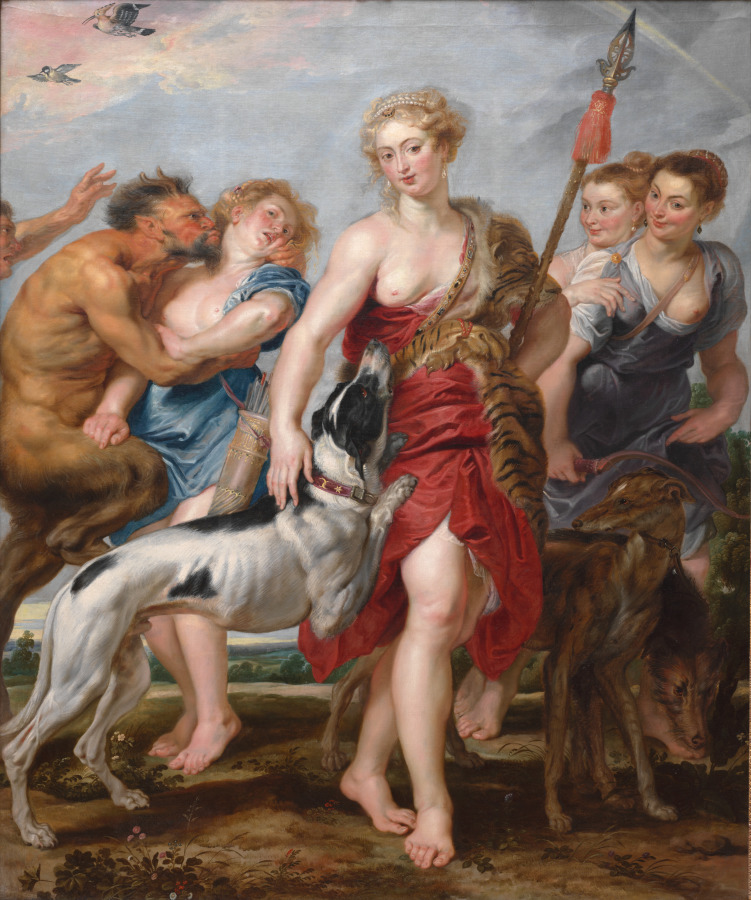 Diana and Her Nymphs Departing for the Hunt
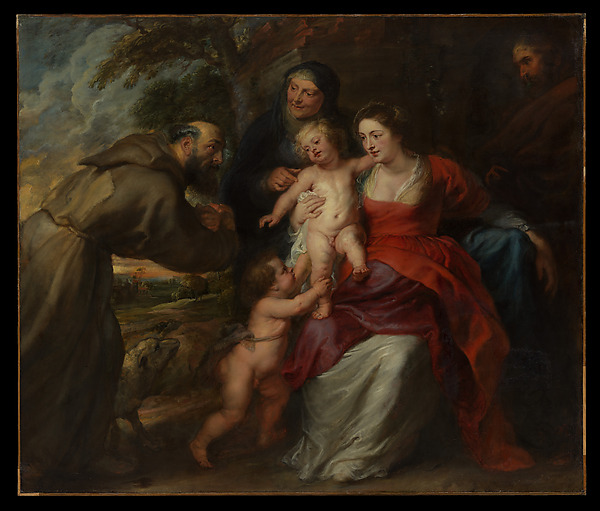 The Holy Family with Saints Francis and Anne and the Infant
 More like this
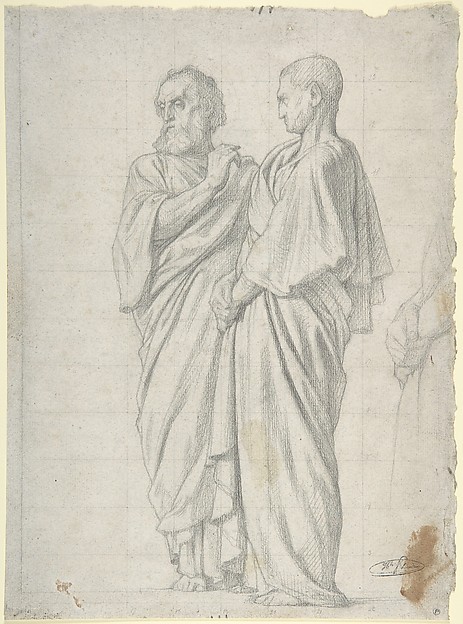 Hippolyte Flandrin — Group of Apostles
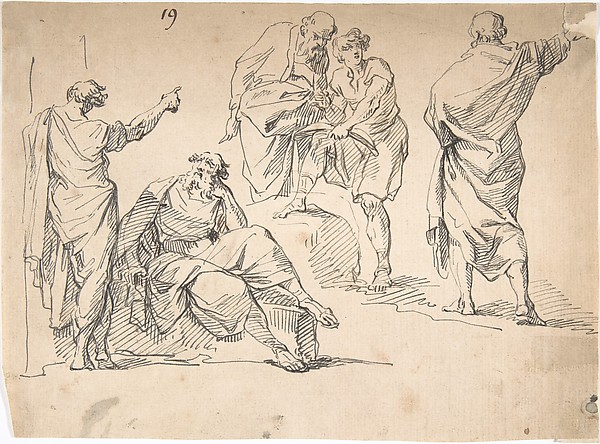 Anonymous, French, 18th century — Sheet of Male Figure Studi
 Annibale Carracci — Susanna and the Elders (recto); Profile
 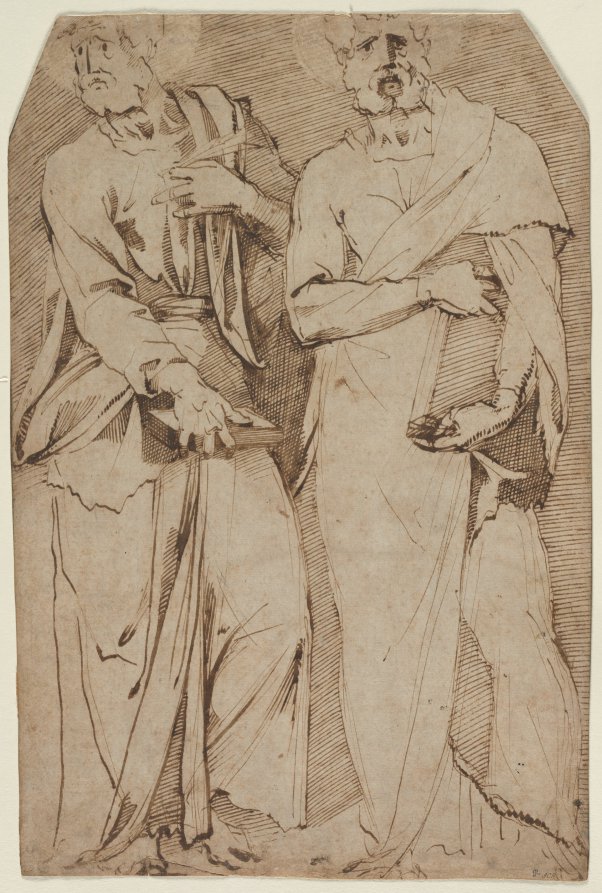 Giovanni Bandini (Italian, c. 1540–1599) — Two Standing Sain
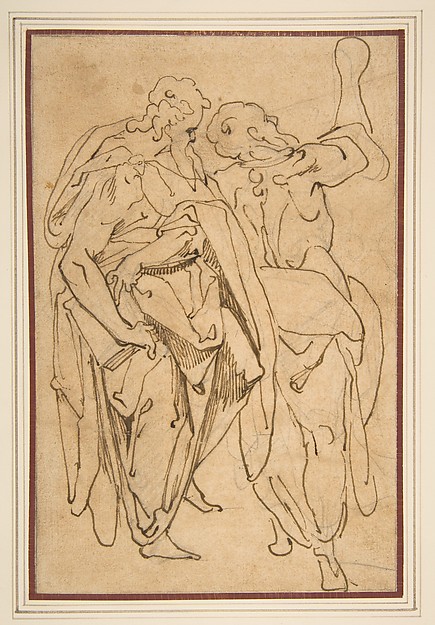 Jacopo Zucchi — Two Standing Male Figures
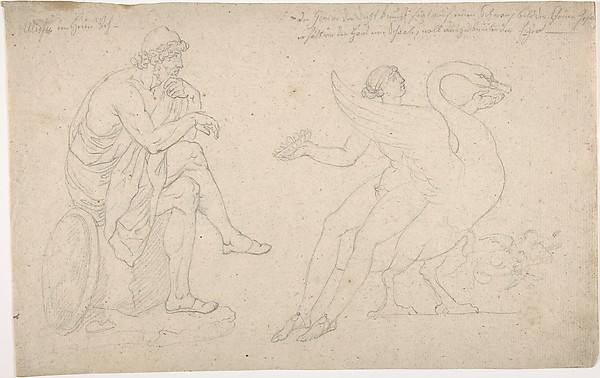 Anonymous, German, 19th century — Ornament with Mythic Figur
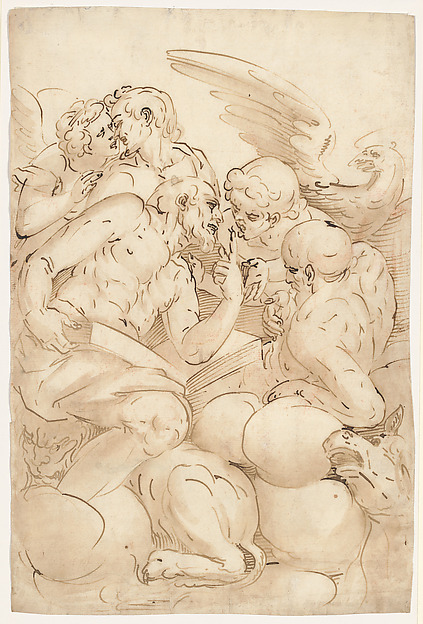 School of Cambiaso|Luca Cambiaso — The Four Evangelists
 François Roettiers — Four Classical Figures
 Unknown artist — Two Philosophers
 Anonymous, Italian, Roman-Bolognese, 17th century — Orpheus
 Anonymous, Italian, Roman-Bolognese, 17th century — Madonna
  Raphael (Raffaello Sanzio or Santi)|Vincenzo Tamagni — Creat