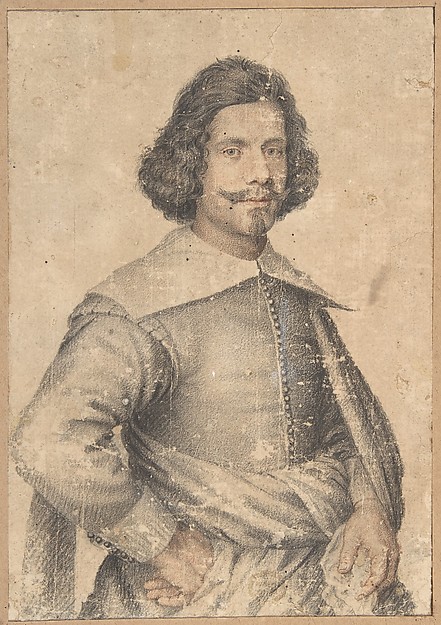
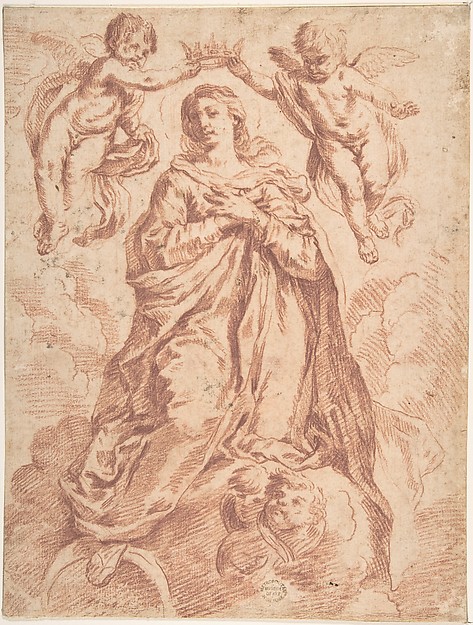
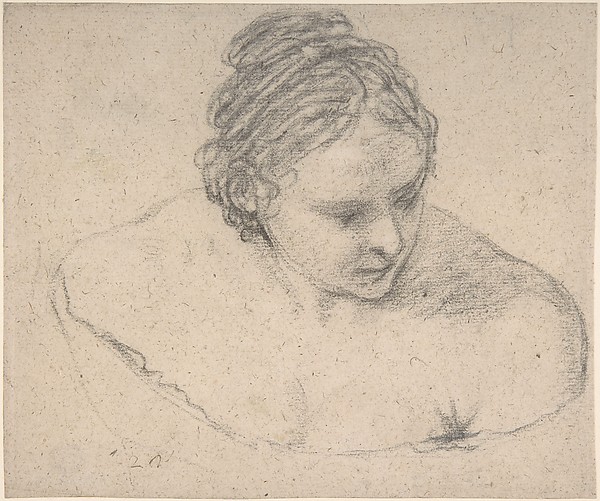
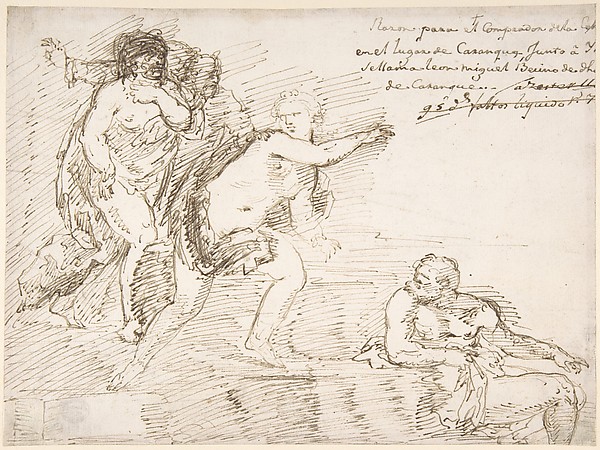
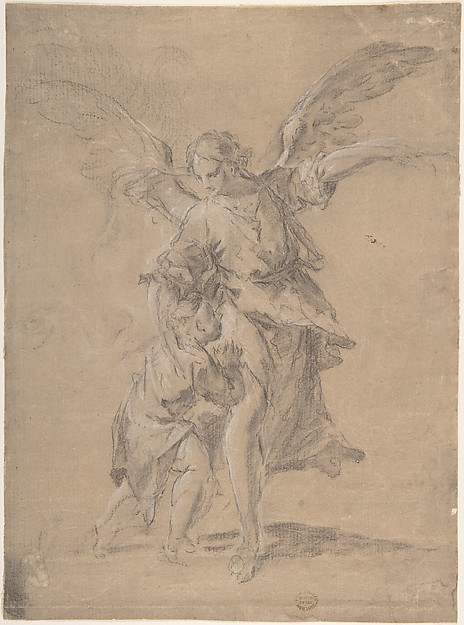
Anonymous, Spanish, 17th century
In the collection of The Metropolitan Museum of Art, New York — check current display status with the museum.
Be the first to share your thoughts.
Sign in to join the discussion.
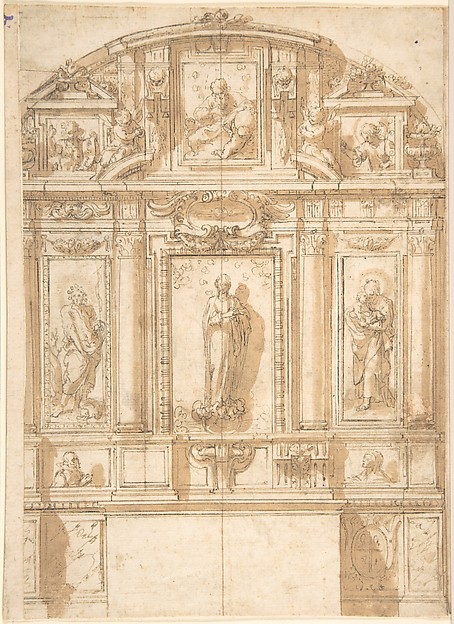
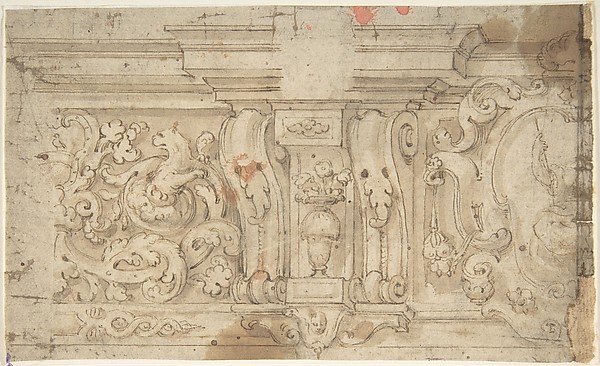 Anonymous, Italian, mid-16th century — Design for an Archite
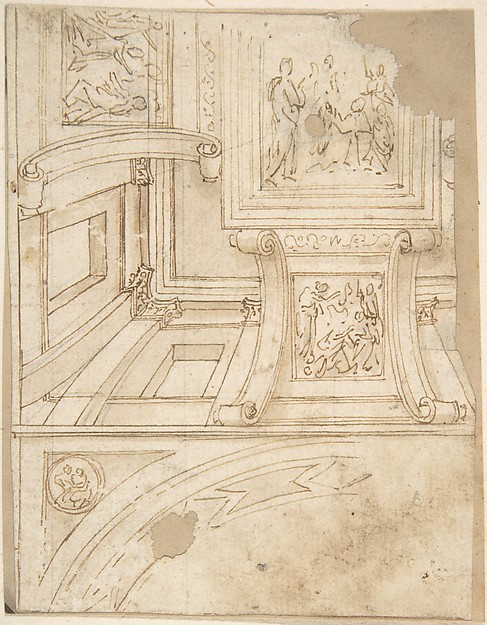 Anonymous, Italian, 16th century — Design for a Ceiling
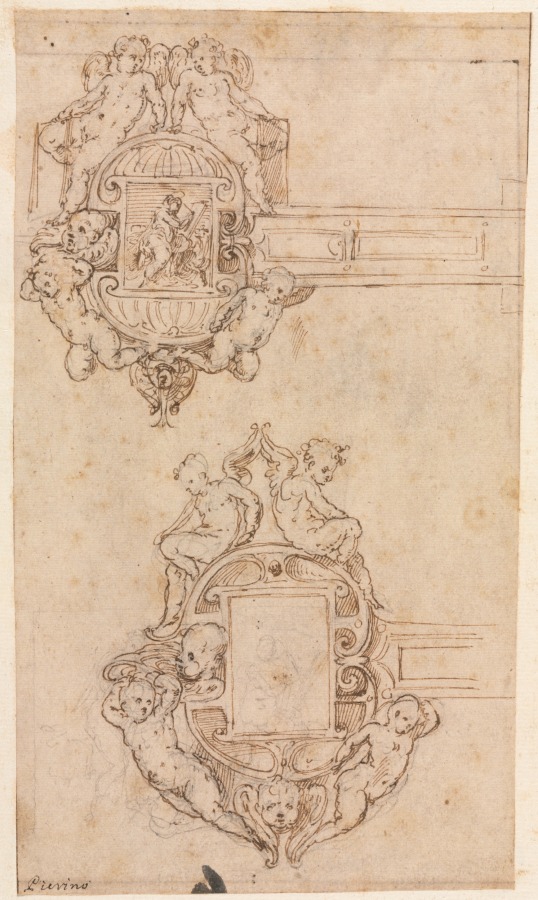 Luzio Romano (Italian, active 1528–75) — Design for Decorati
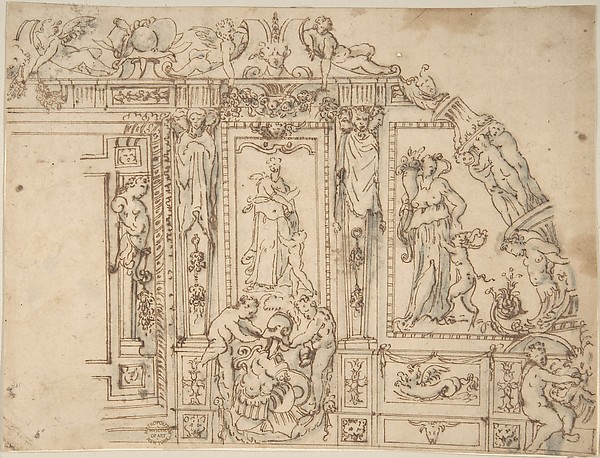 Anonymous, Italian, 16th century — Sketch for Wall Decoratio
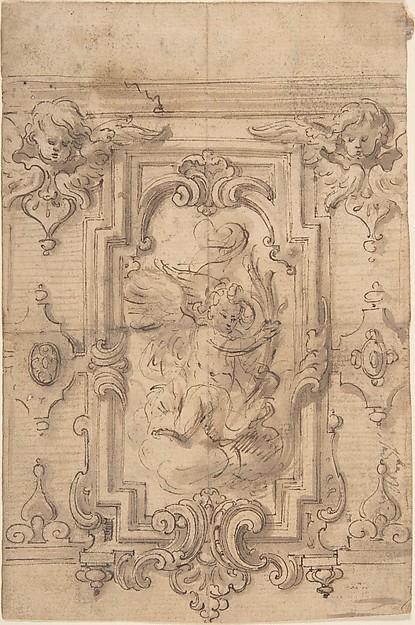 Anonymous, Italian, 17th or 18th century — Wall Design with
 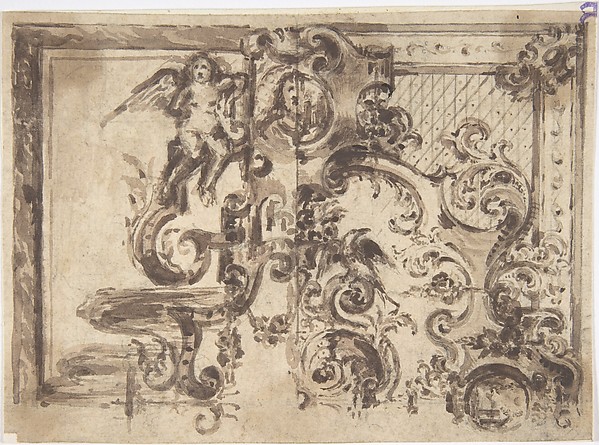 Anonymous, French, 19th century — Design for an Overmantel o
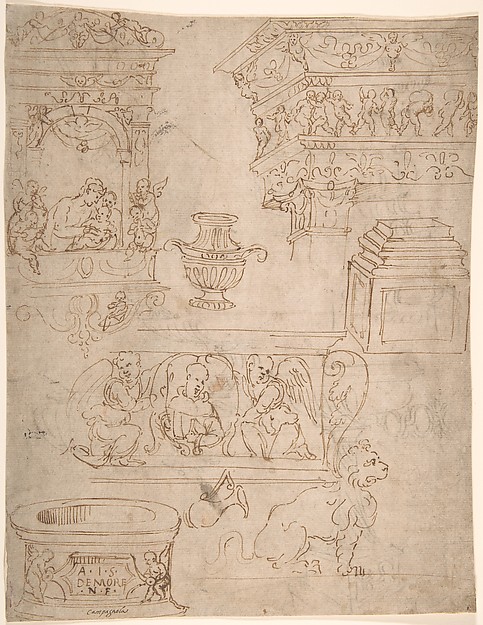 Anonymous, Italian, 15th century — Sheet of Studies of Sculp
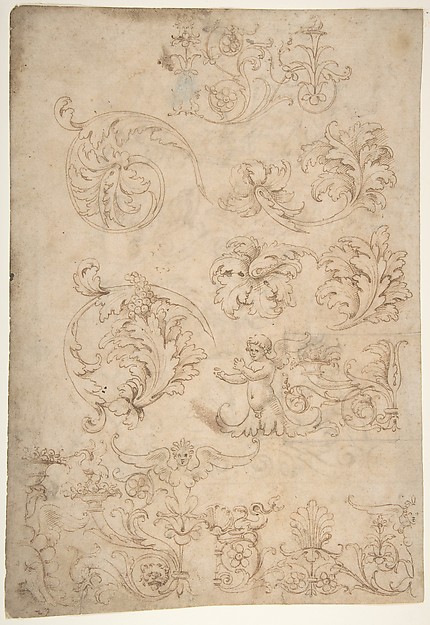 Giovanni da Udine (Giovanni dei Ricamatori) — Sketchbook She
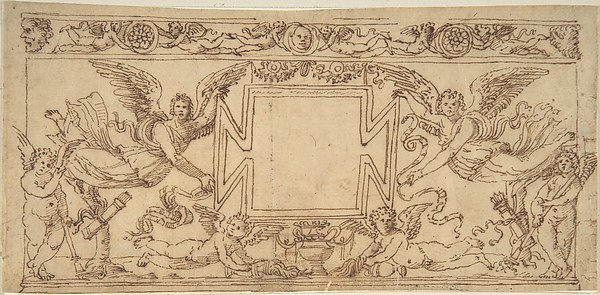 Anonymous, Italian, 16th century — Sarcophagus
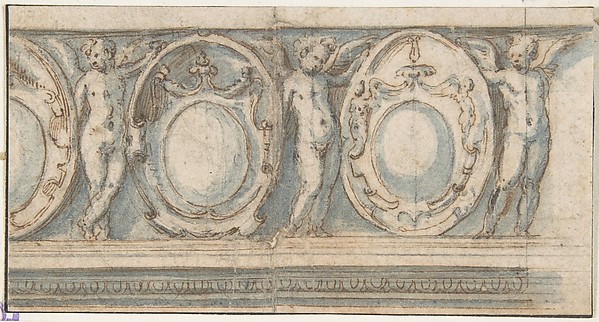 Luzio Luzzi (also known as Luzio Romano, Luzio da Todi) — De
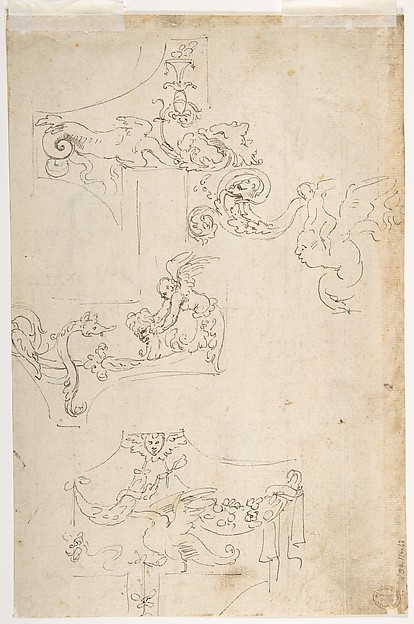 Girolamo da Carpi (Girolamo Sellari) — Sheet of Figure Studi
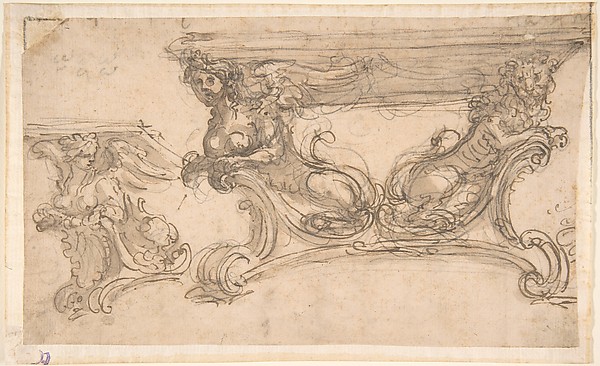 Anonymous, Italian, 17th century — Designs for a Table with