In the collection of Cleveland Museum of Art, Cleveland — check current display status with the museum.
FROM THE CLEVELAND MUSEUM OF ART’S CATALOG
The French Revolution (1789–99) disrupted all traditional hierarchies, including that of art, which habitually placed history painting in the highest regard. When Isabey exhibited this portrait of his friend and fellow artist in the 1796 salon, drawings had taken on significance as a more personal and egalitarian form of art. Isabey depicts Barbier as a solid citizen of the new Republic. The tasseled cap and embroidered jacket recall Barbier’s service as a hussar, a type of soldier; the vest, cravat, and “dog-ear” hairstyle were popular among young men in Paris at the time. Traditionally, however, a fashionable man would not be shown smoking, an activity usually associated with lower classes. Isabey’s focus on the long pipe and steady stream of smoke made the drawing especially populist for the time.
Be the first to share your thoughts.
Sign in to join the discussion.
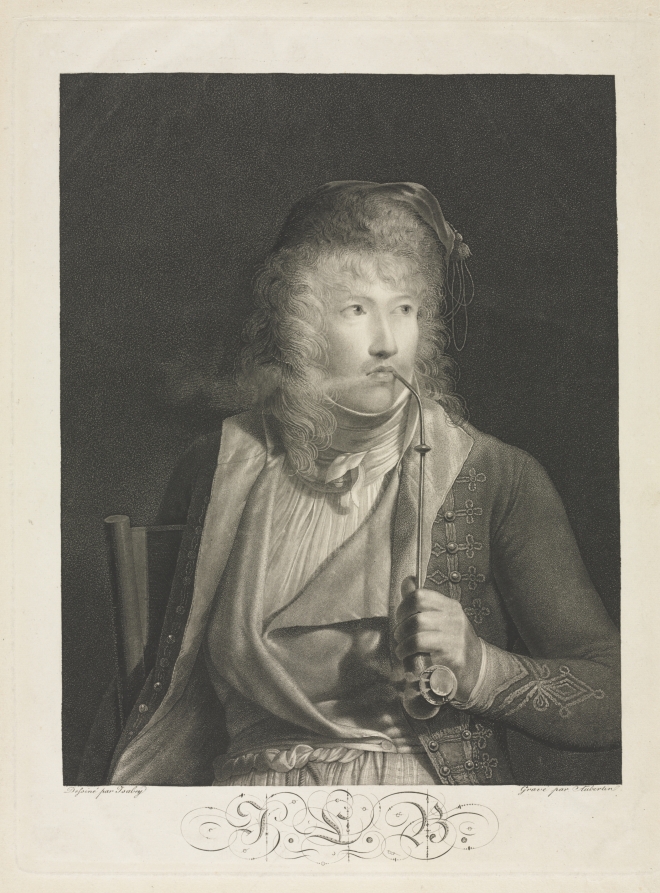 François Aubertin (French, 1773–1882) — The Painter Jacques-
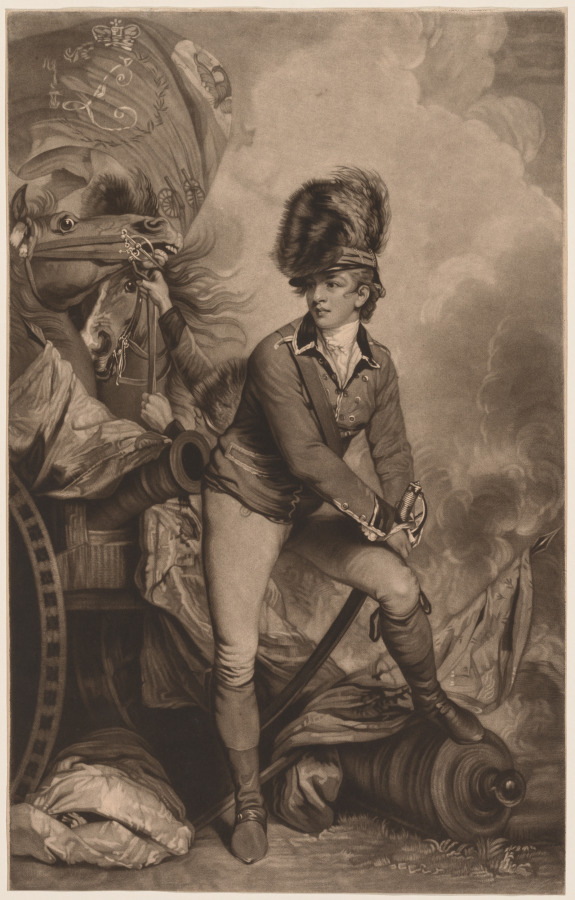 John Raphael Smith (British, 1752–1812) — Lt. Col. Tarleton
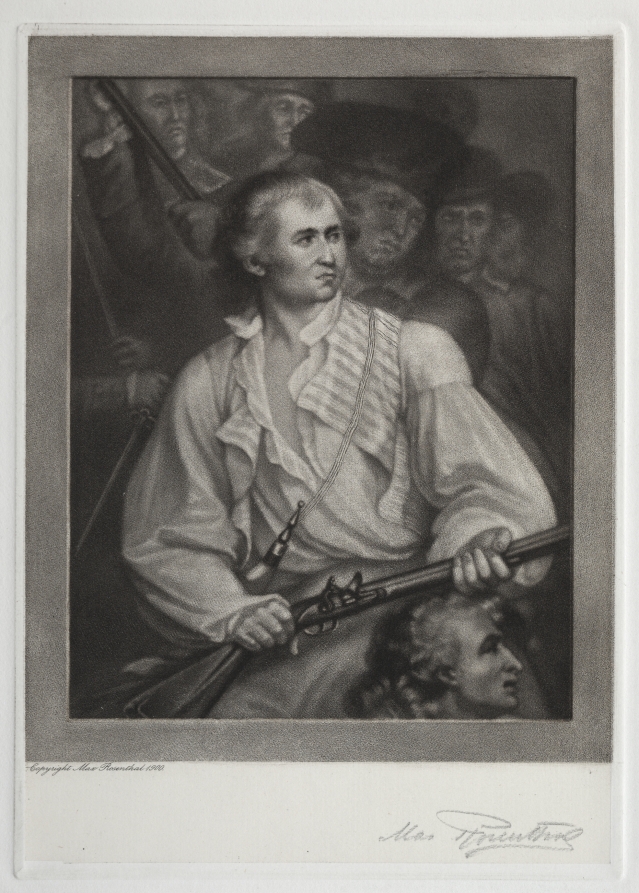 Max Rosenthal (American, 1833–1918) — Colonel Knowlton
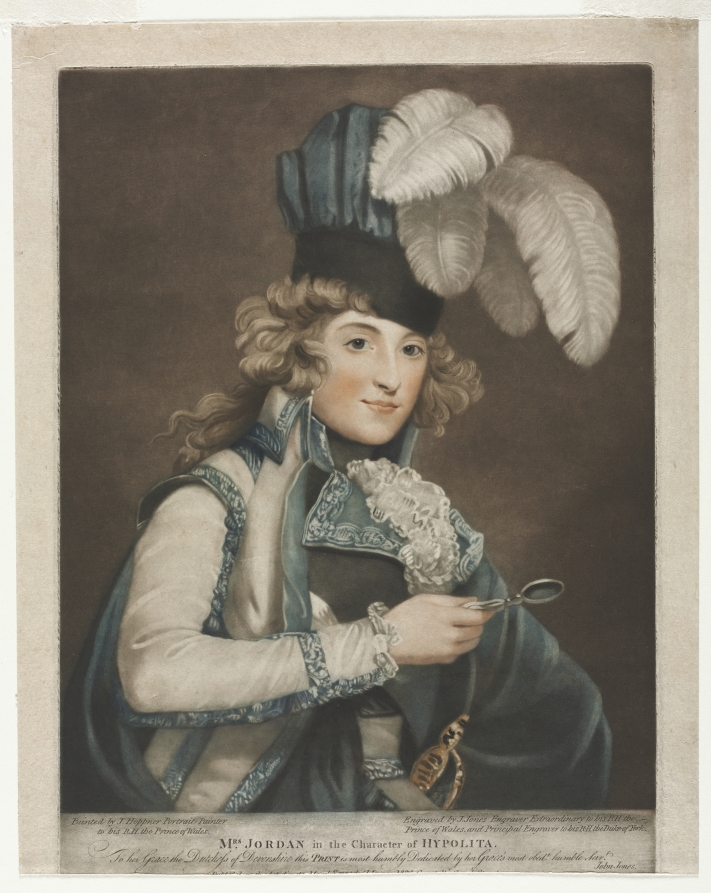 John Jones (British, c. 1745–1797) — Dorothy Jordan
 Cornelis Troost — Portrait of Ludolf Backhuysen II, Painter
 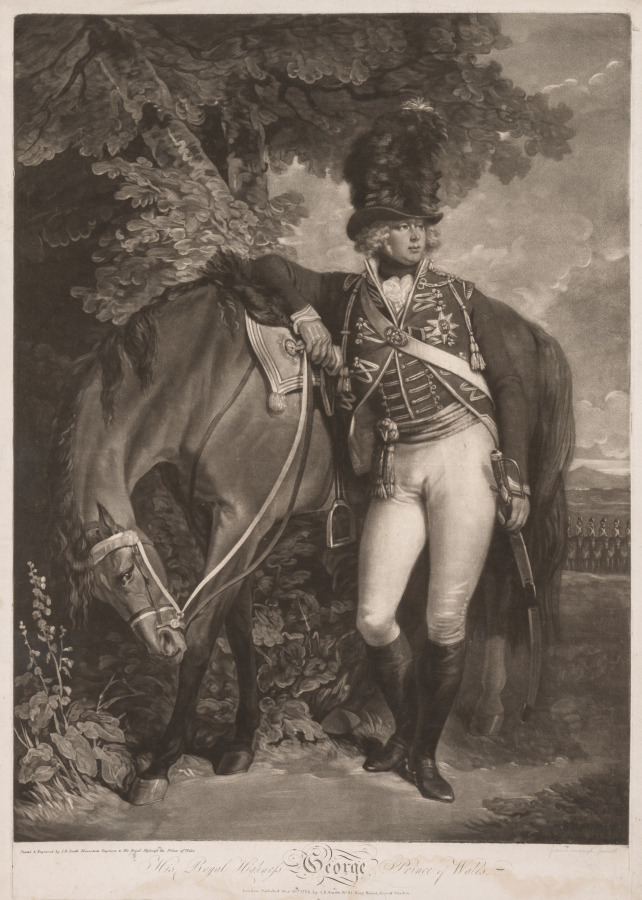 John Raphael Smith (British, 1752–1812) — George, Prince of
  Jean-Baptiste-François Bosio — Portrait of Karl Wilhelm Ferd
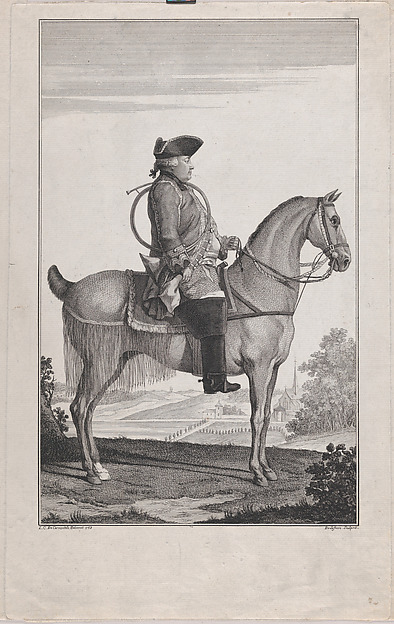 Louis de Carmontelle|Jean-Baptiste Joseph Delafosse — Portra
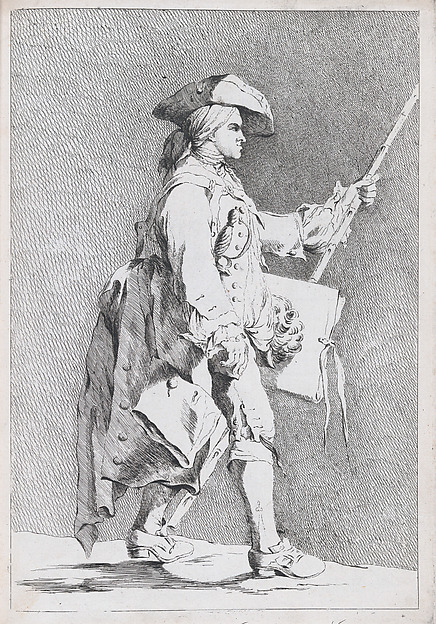 Ange-Laurent de La Live de Jully|Jacques François Joseph Sal
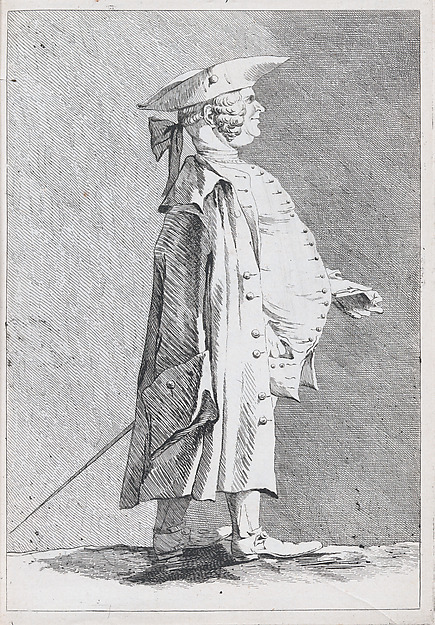 Ange-Laurent de La Live de Jully|Jacques François Joseph Sal
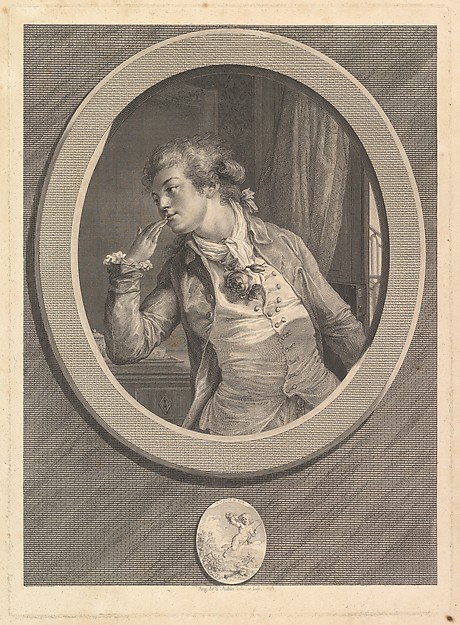 Augustin de Saint-Aubin — Comptez sur Mes Serments (Count On
 Matthew Darly|Mary Darly|William John Kerr, 5th Marquess of