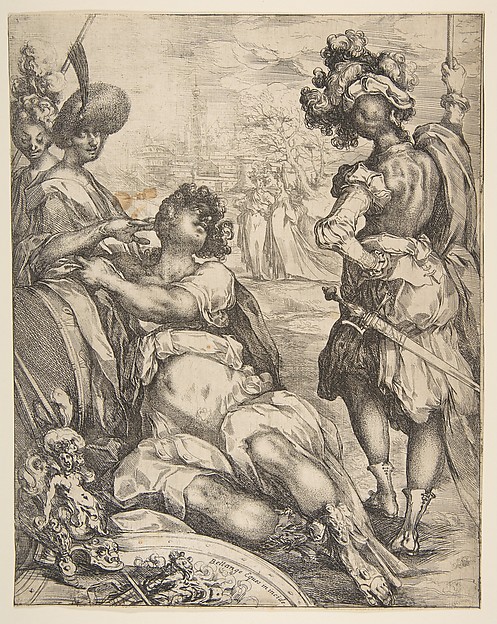
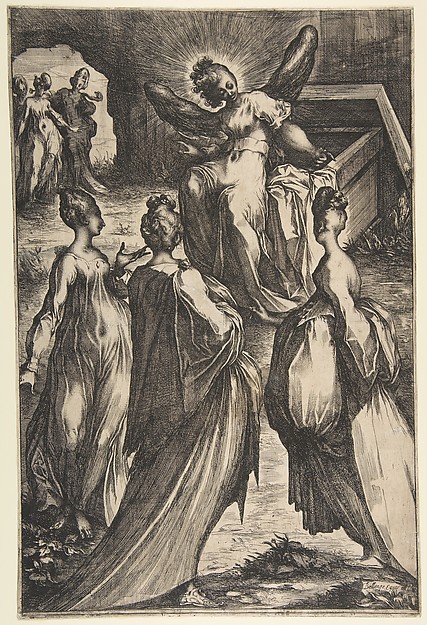
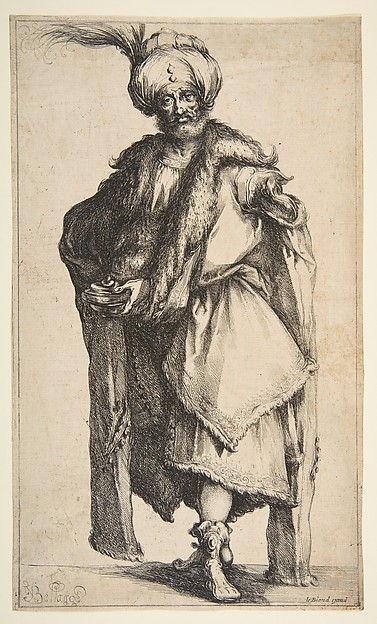
In the collection of Cleveland Museum of Art, Cleveland — check current display status with the museum.
FROM THE CLEVELAND MUSEUM OF ART’S CATALOG
Since antiquity, music was considered to inspire two different effects: it could elevate the soul to spiritual thoughts, or arouse passions both violent and sensual. In this genre scene, two transients engage in an epic struggle. The hurdy-gurdy, slung across the body of one of the vagabonds, was considered a "base" instrument whose melodies heated the senses without uplifiting the spirit. In his Syntagma Musicum of 1618, the musical theorist Michael Praetorius dubbed the hurdy-gurdy a "fiddle for peasants and loose women."
Be the first to share your thoughts.
Sign in to join the discussion.
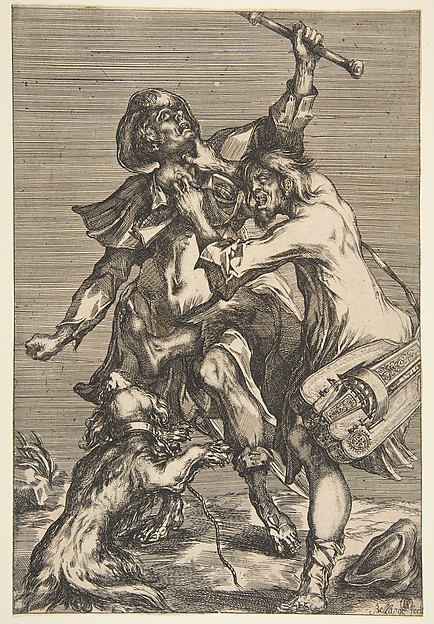 Jacques Bellange — Two Fighting Beggars
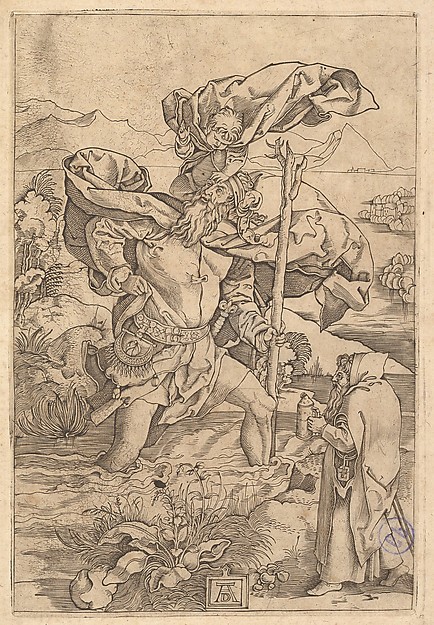 Marcantonio Raimondi|Albrecht Dürer — Saint Christopher cros
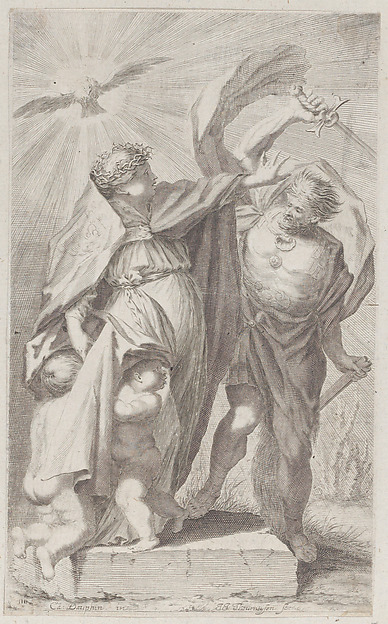 Charles Claude Dauphin|Johann Jakob Thurneysen, the Elder —
 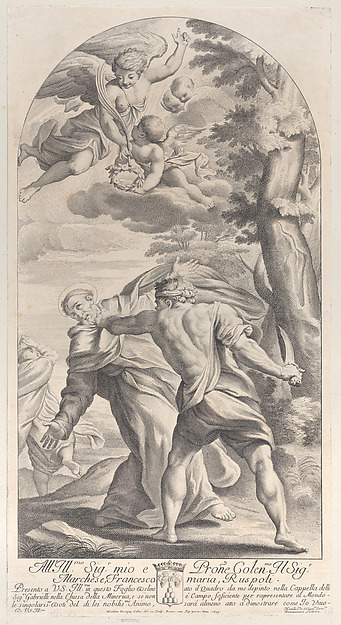 Domenico De Rossi|Buonaventura Lamberti|Sir Nicolas Dorigny
 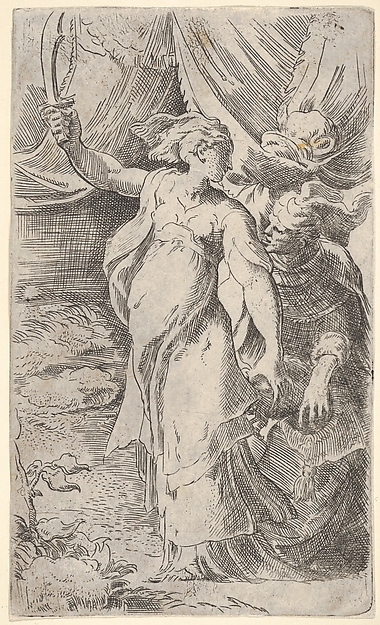 Parmigianino (Girolamo Francesco Maria Mazzola) — Judith wit
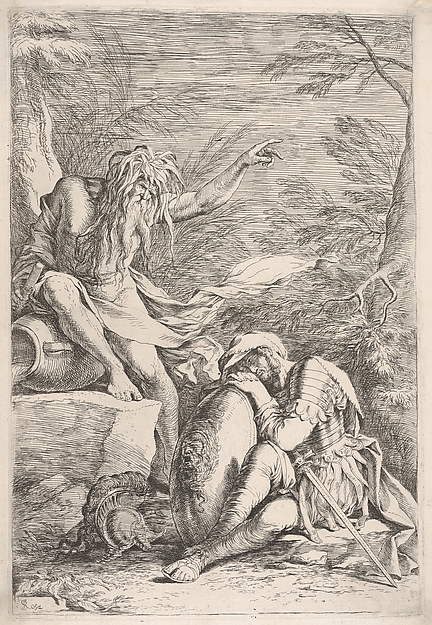 Salvator Rosa — Dream of Aeneas, Aeneas rests on his shield,
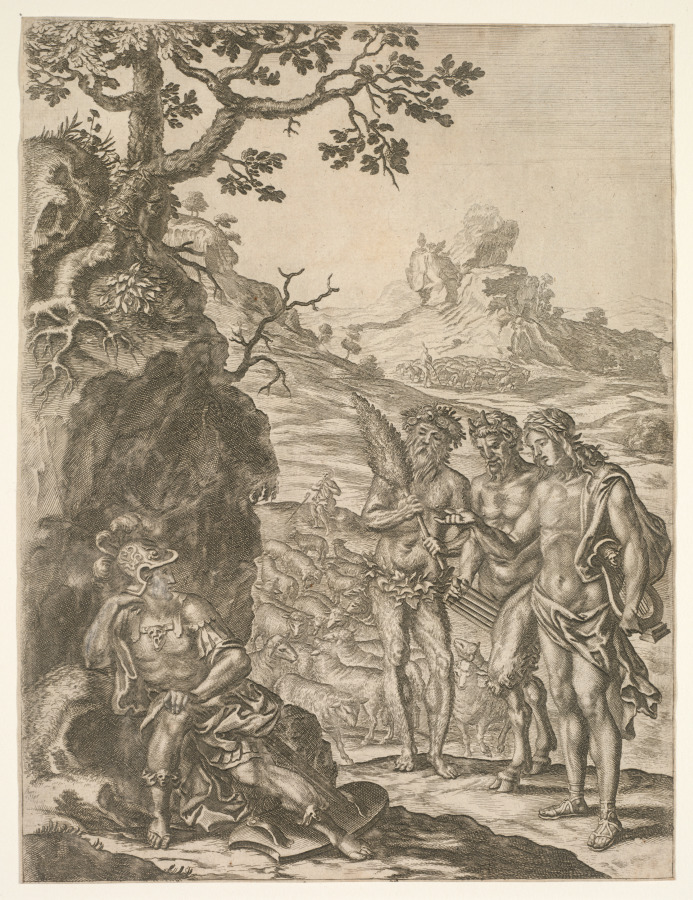 Pierre Lombart (French, 1612–1682) — Aeneid
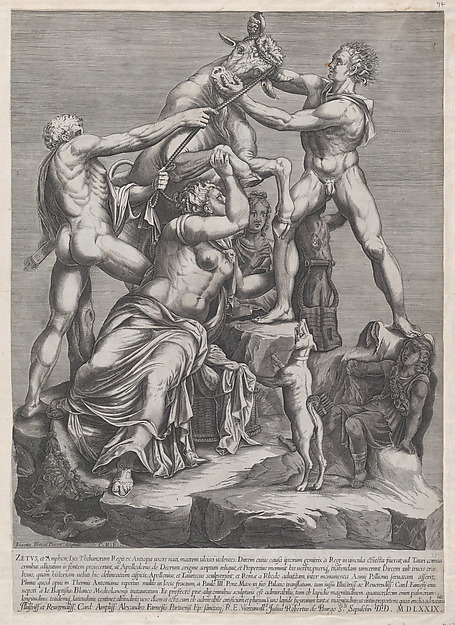 Georges Reverdy — Speculum Romanae Magnificentiae: The Fate
 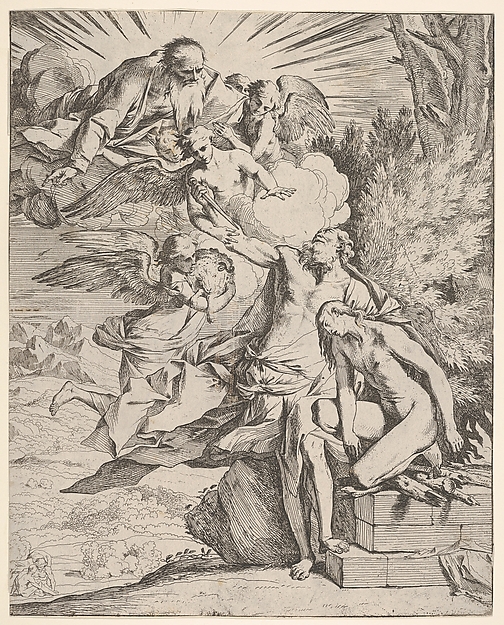 Pietro Testa — Sacrifice of Isaac: an angel presses against
 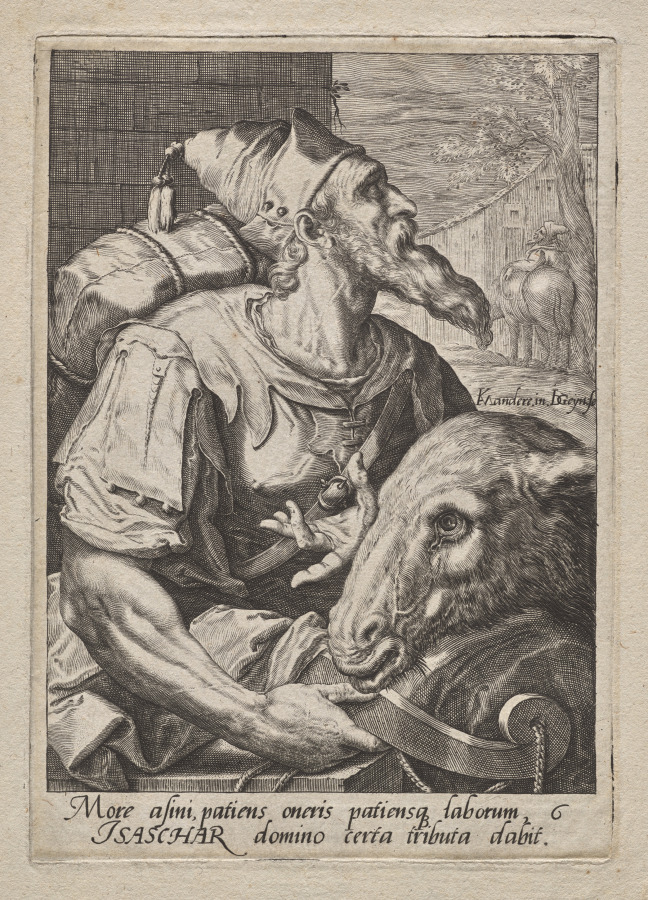 Jacob de Gheyn II (Netherlandish, 1565–1629) — Plate 6: Isa
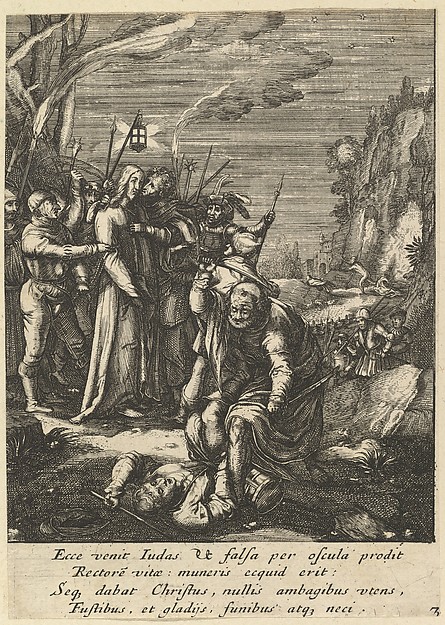 Hendrick Goltzius|Nicolas Cochin|Jean I Leblond — The Betray
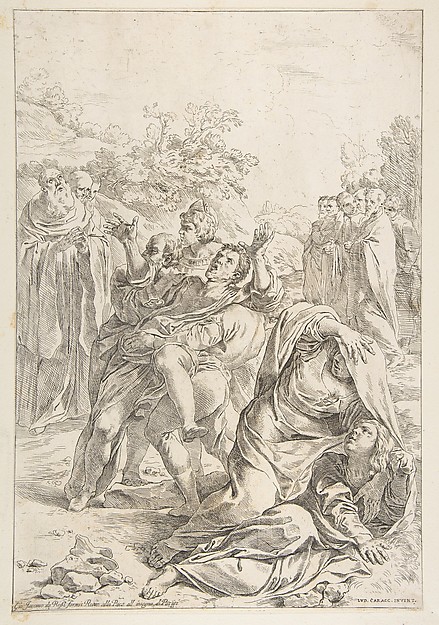 Simone Cantarini|Ludovico Carracci — Saint Benedict exorcisi