In the collection of The Metropolitan Museum of Art, New York — check current display status with the museum.
Be the first to share your thoughts.
Sign in to join the discussion.
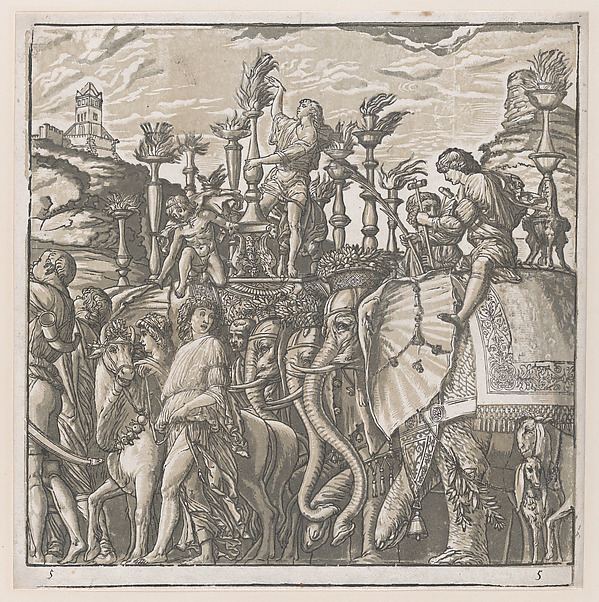 Andrea Andreani|Andrea Mantegna|Bernardo Malpizzi — Sheet 5:
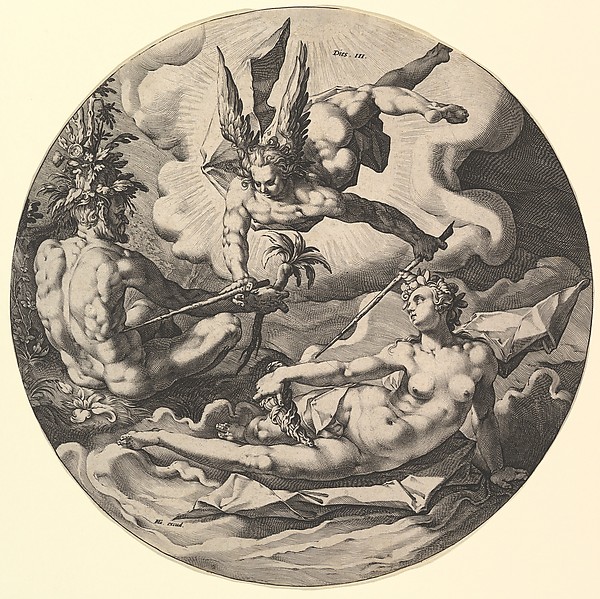 Hendrick Goltzius|Jan Muller|Hendrick Goltzius — The Third D
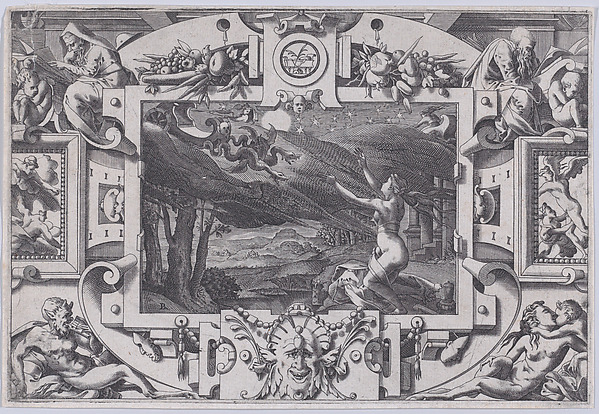 René Boyvin|Leonard Thiry — Medea and Her Chariot Drawn by D
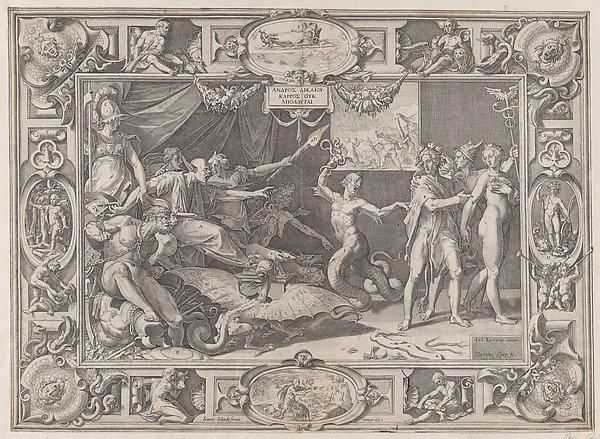 Cornelis Cort|Federico Zuccaro (Zuccari)|Giovanni Orlandi —
 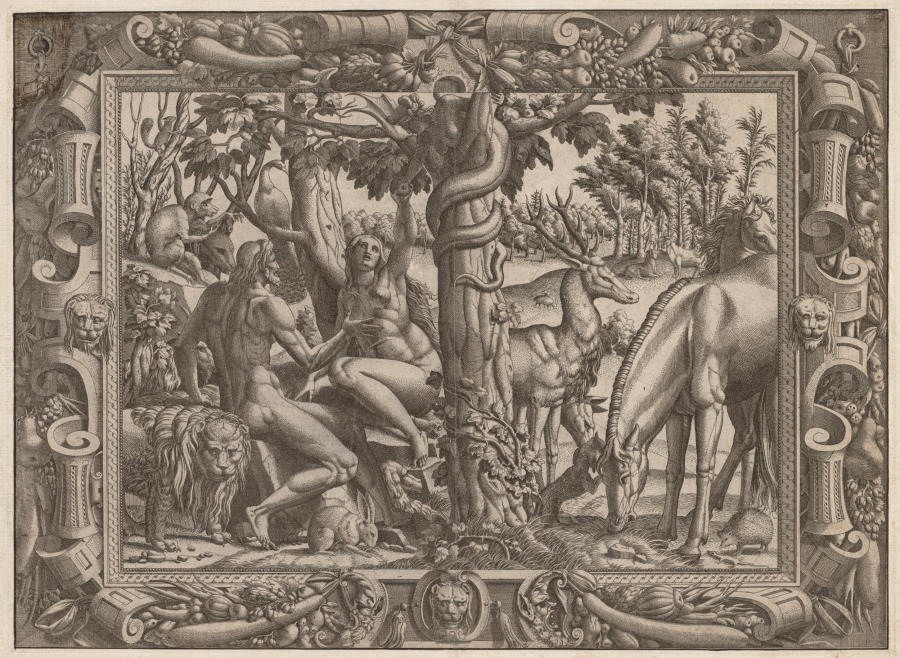 Jean Mignon (French, active c. 1535–55) — The Temptation of
 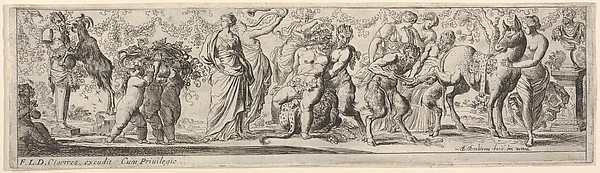 Pierre Brebiette|François Langlois — Composition of figures
 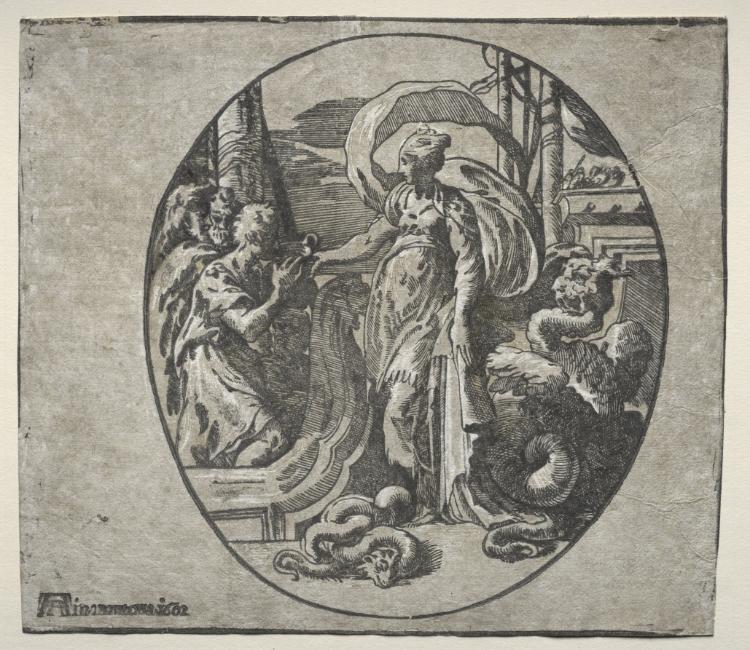 Antonio da Trento (Italian, c. 1508–c. 1550) — Circe Giving
 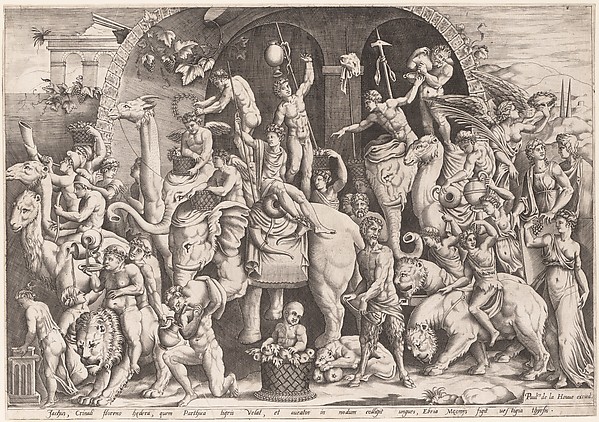 Enea Vico|Paul de la Houve|Anonymous, French, 16th century —
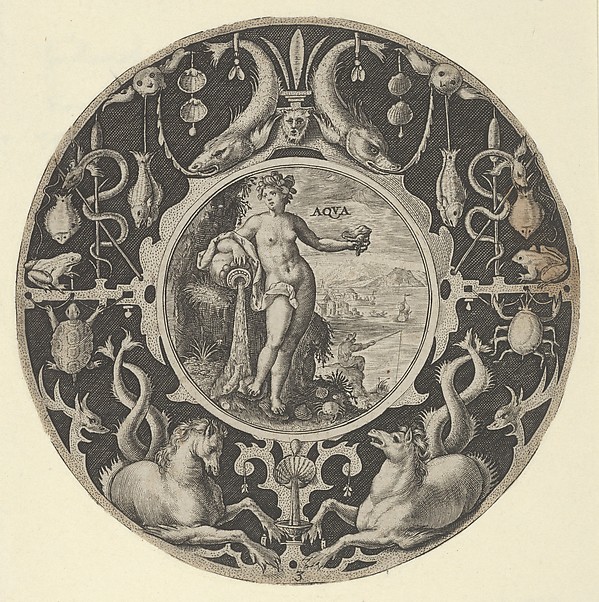 Crispijn de Passe the Elder — 'Aqua' in a Decorative Border
 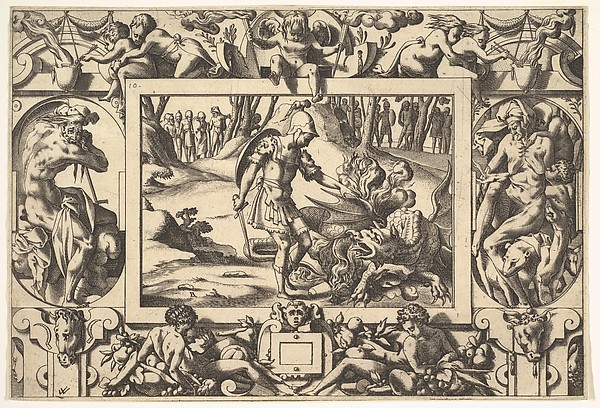 René Boyvin|Leonard Thiry — Jason Confronts the Dragon Guard
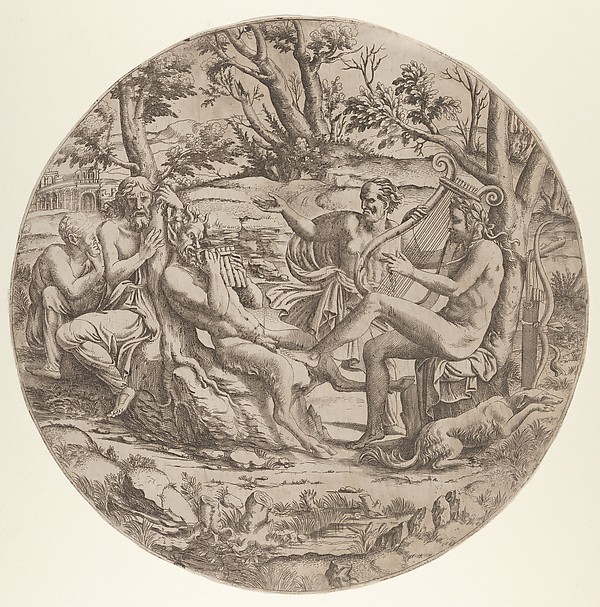 Giulio Romano|Anonymous, French, School of Fontainebleau, 16
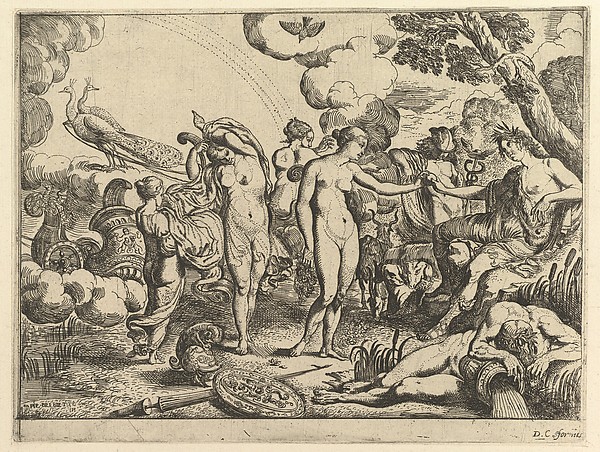 Pierre Brebiette — Judgment of Paris