More like this
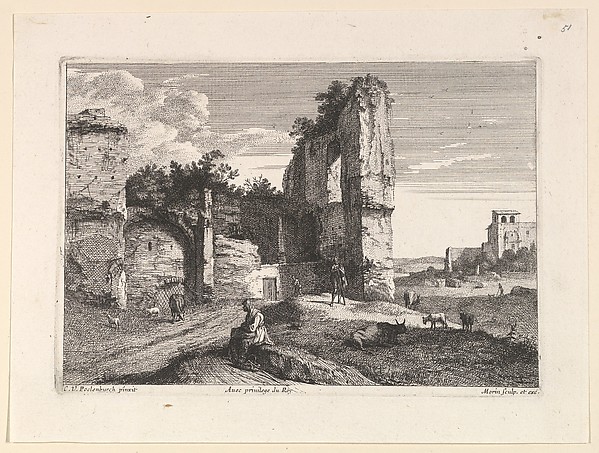 Jean Morin|Cornelis van Poelenburch — La Vieille Femme Assis
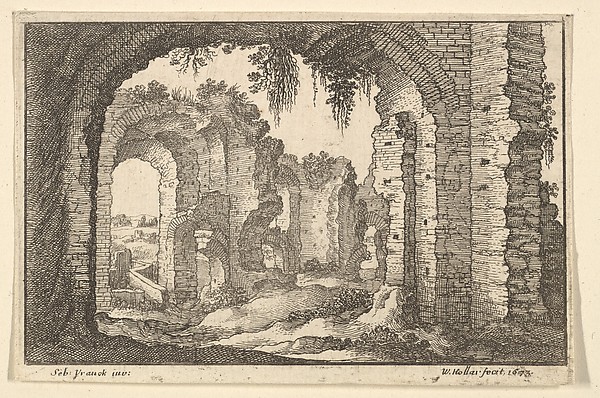 Wenceslaus Hollar|Sebastiaen Vrancx — Roman Ruins, from "Rom
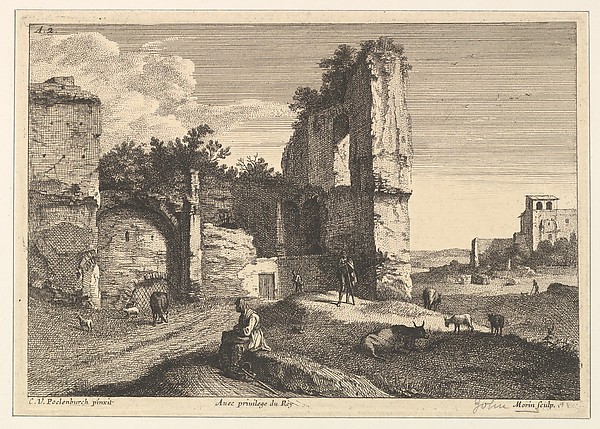 Jean Morin|Cornelis van Poelenburch — La Vieille Femme Assis
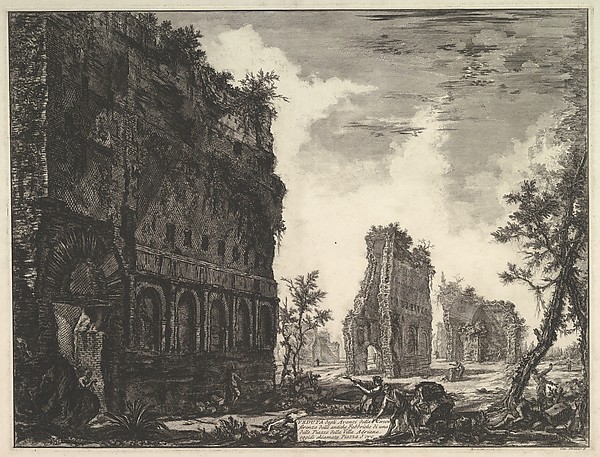 Giovanni Battista Piranesi — Hadrian's Villa: The Piazza d'O
 Abraham Louis Rodolphe Ducros|Giovanni Volpato — Interior of
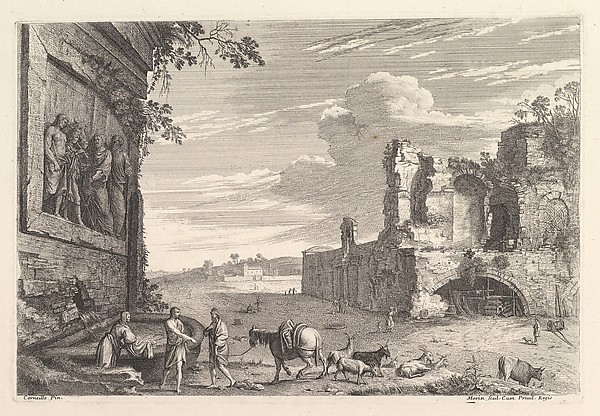 Jean Morin|Cornelis van Poelenburch — Les Monuments Romains
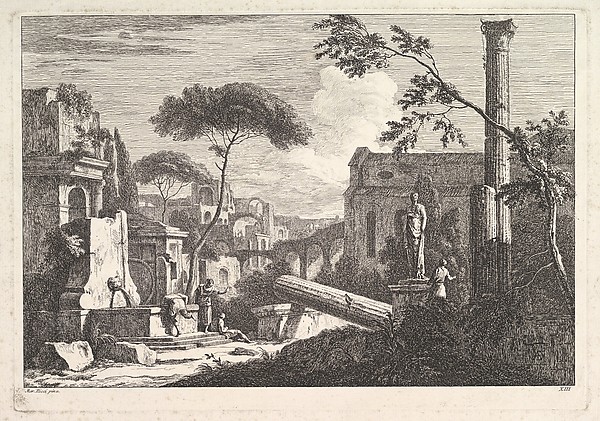 Davide Antonio Fossati|Marco Ricci — Plate 13: a townscape w
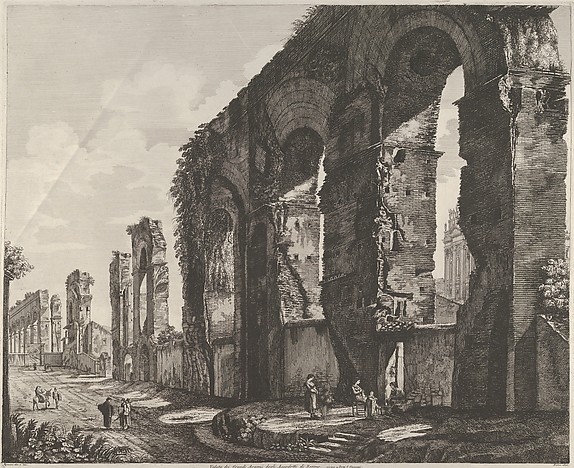 Luigi Rossini — View of Nero's aqueduct, Rome
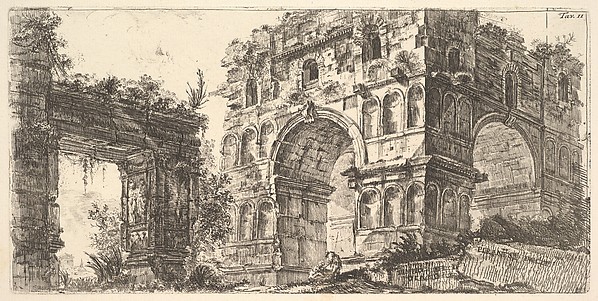 Giovanni Battista Piranesi — Plate 11: Temple of Janus (Temp
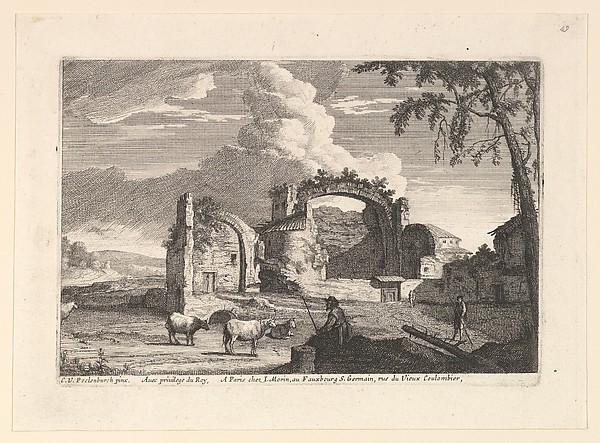 Jean Morin|Cornelis van Poelenburch — Le Bouvier Assis
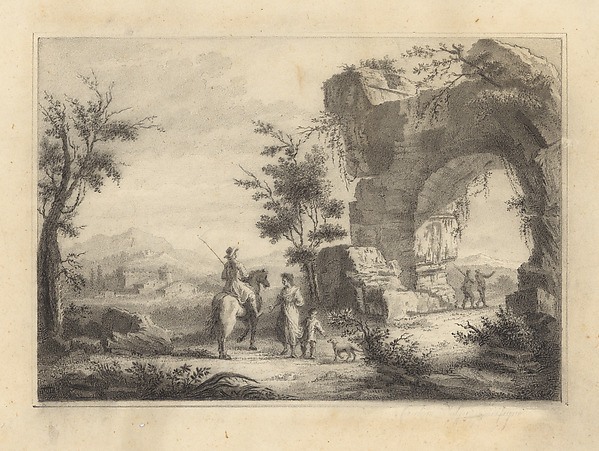 School of Zuccarelli — Landscape with Ruined Architecture
 Joseph Rebell — Arcadisch landschap met ruïnetempel, obelisk