FROM THE CLEVELAND MUSEUM OF ART’S CATALOG
This composition was fashioned after works created by Zen clerics of the Muromachi period (1392–1573), who often added their original Chinese-style poems above an ink painting to make a hanging scroll called a shigajiku . The poems here quote from essays on Sima Guang (1019–1086) by the Chinese Song dynasty literatus Su Shi (1037–1101). They interpret the studio surrounded with bamboo as a metaphor for the garden of Sima, the Song dynasty scholar-official who, in imitation of the Tang poet Bai Juyi, enjoyed the garden in isolation during his exile in Luoyang.
Source ↗︎
Be the first to share your thoughts.
![Summer Mountains (after Dong Yuan [active c. 937–75])](https://openaccess-cdn.clevelandart.org/1992.1/1992.1_web.jpg) Huang Gongwang (Chinese, 1269–1354) — Summer Mountains (afte
Huang Gongwang (Chinese, 1269–1354) — Summer Mountains (afte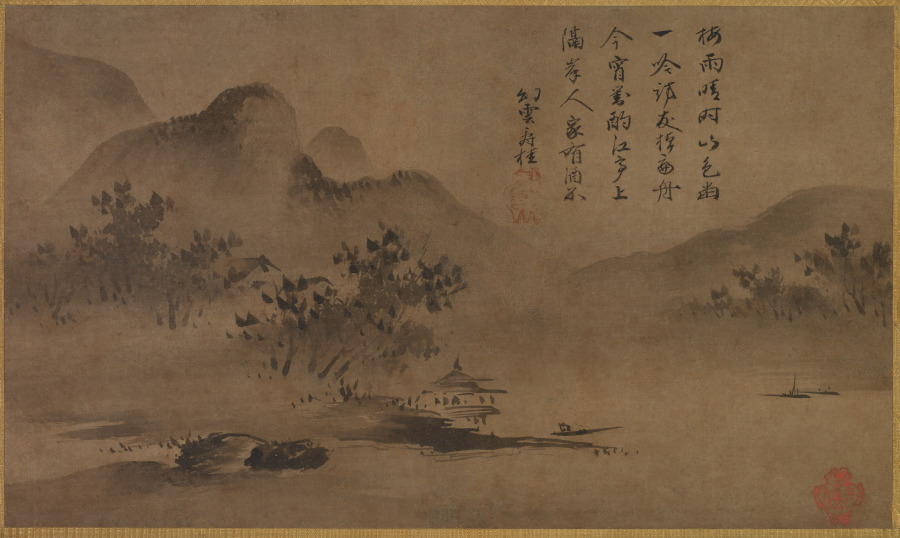 Kano Motonobu (Japanese, c. 1476–1559) — Landscape
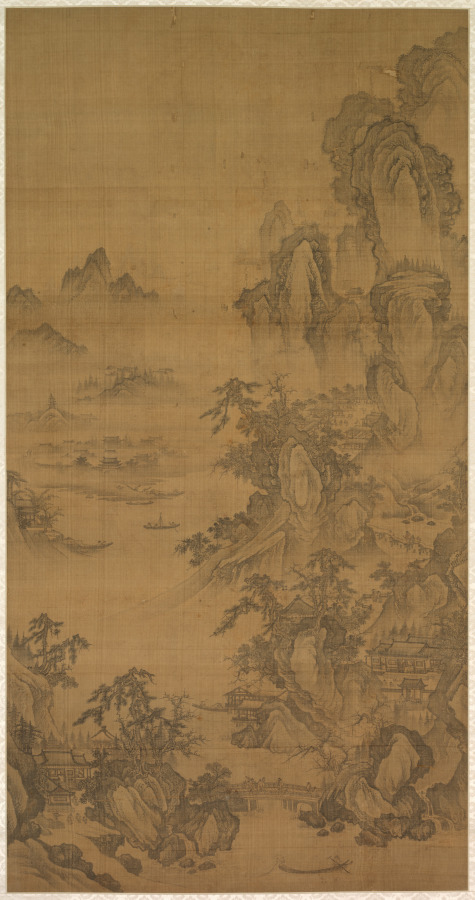 Mountain Market, Clear with Rising Mist
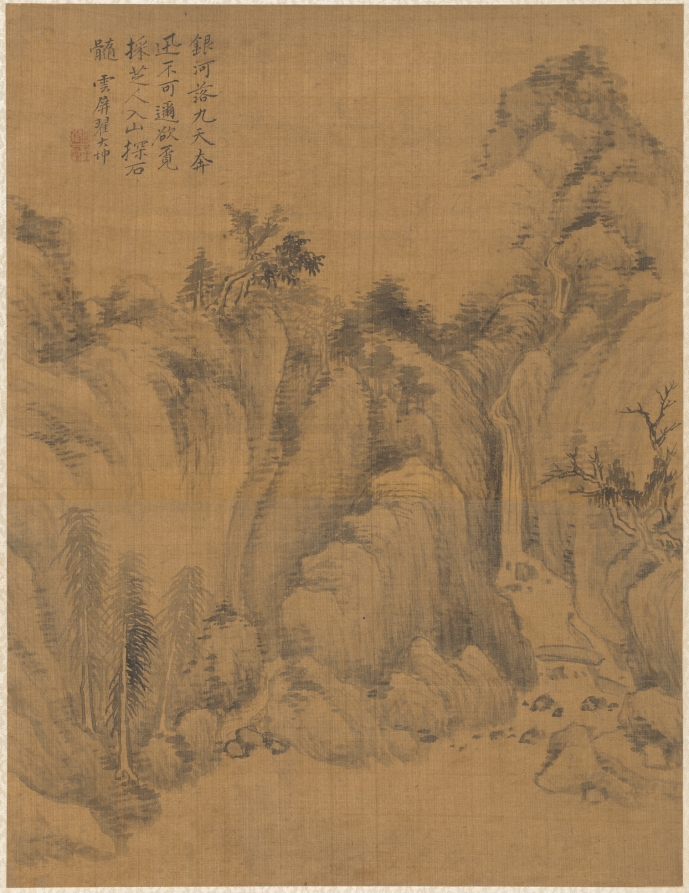 Zhai Dakun (Chinese, d. 1804) — Landscape
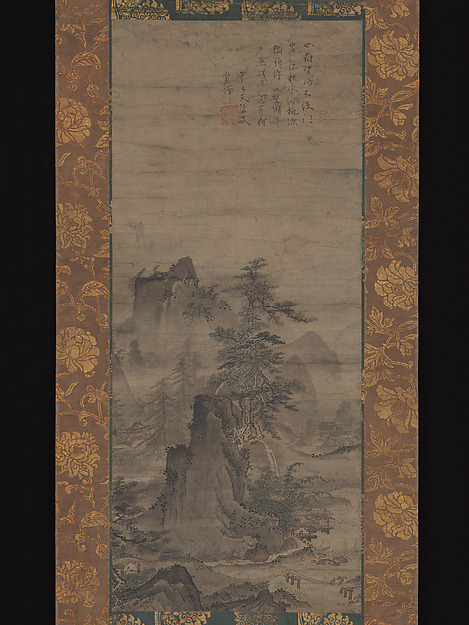 Ten’in Ryūtaku|Unidentified — 天隠龍澤筆 山水図|Landscape
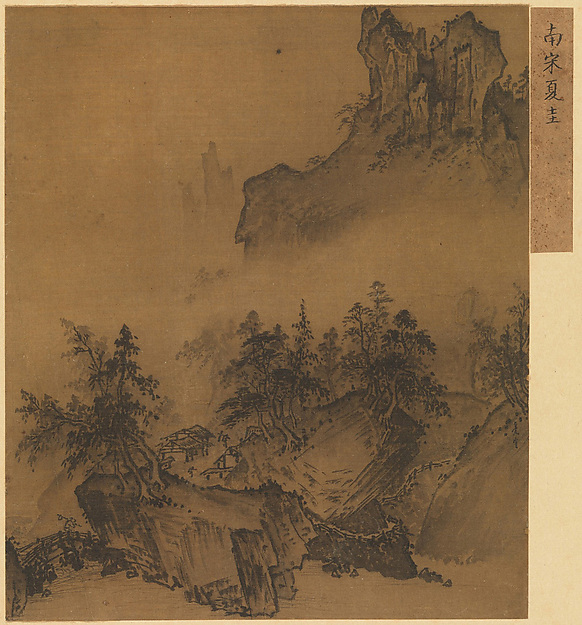 Xia Gui — 南宋 夏珪 山市晴嵐圖 冊頁|Mountain Market, Clearing Mist
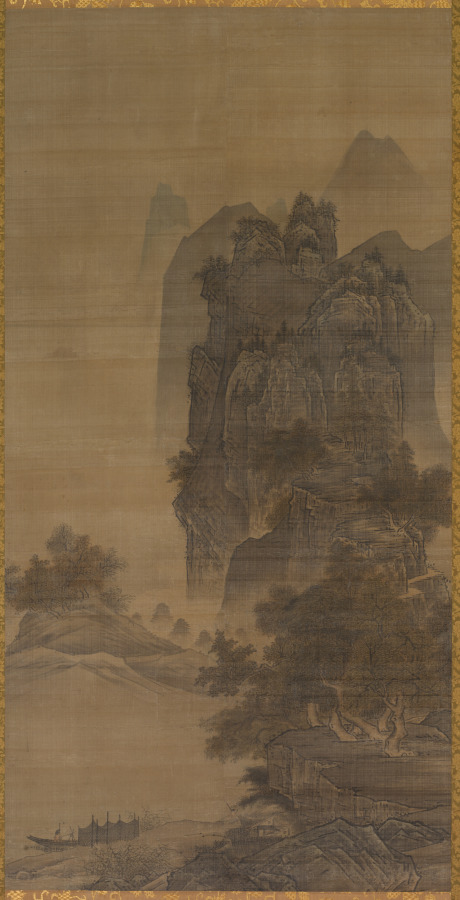 Sesshū Tōyō (Japanese, 1420–1506) — Sunset Glow over a Fishi
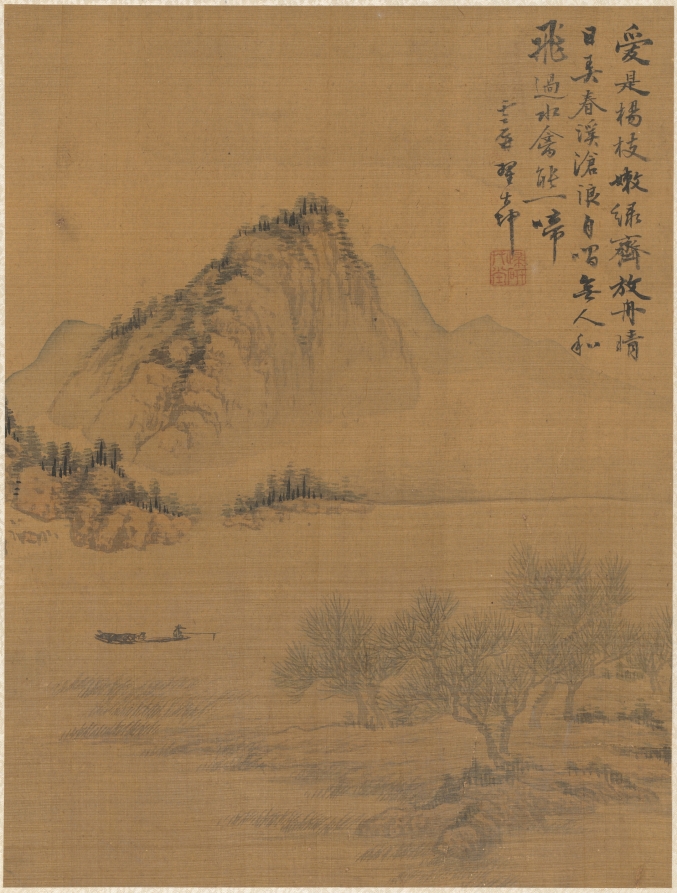 Zhai Dakun (Chinese, d. 1804) — Landscape
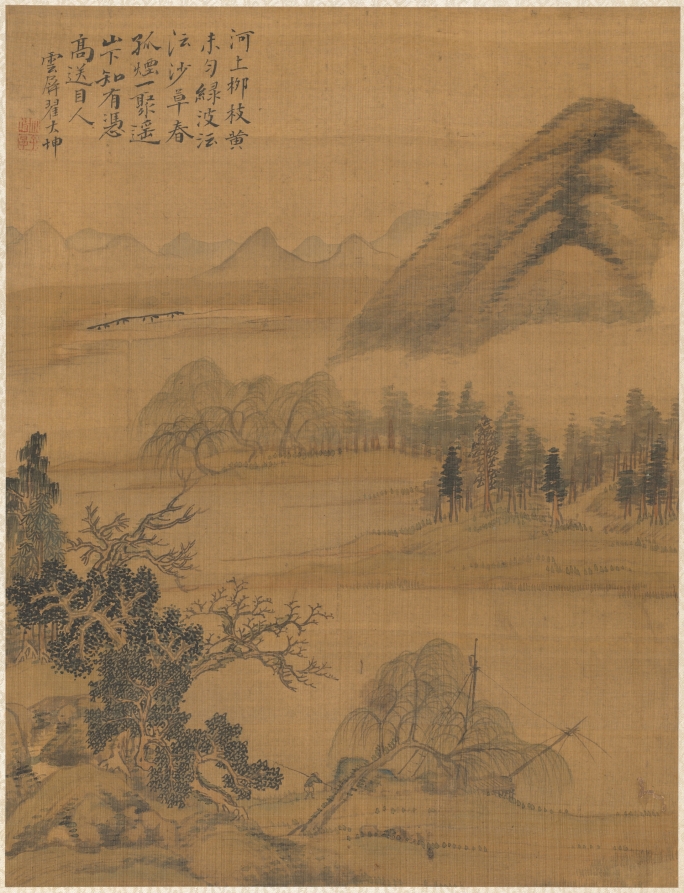 Zhai Dakun (Chinese, d. 1804) — Landscape
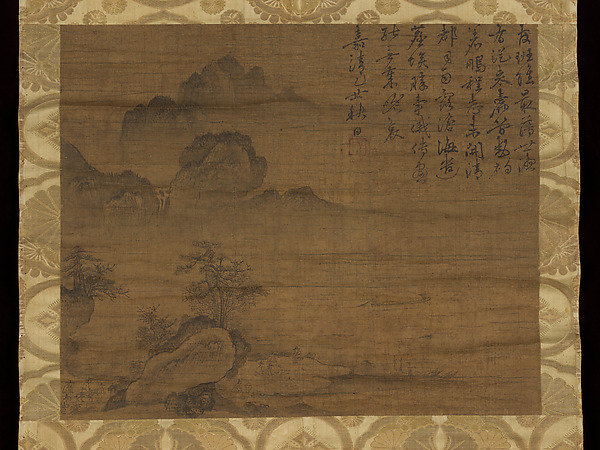 Unidentified artist
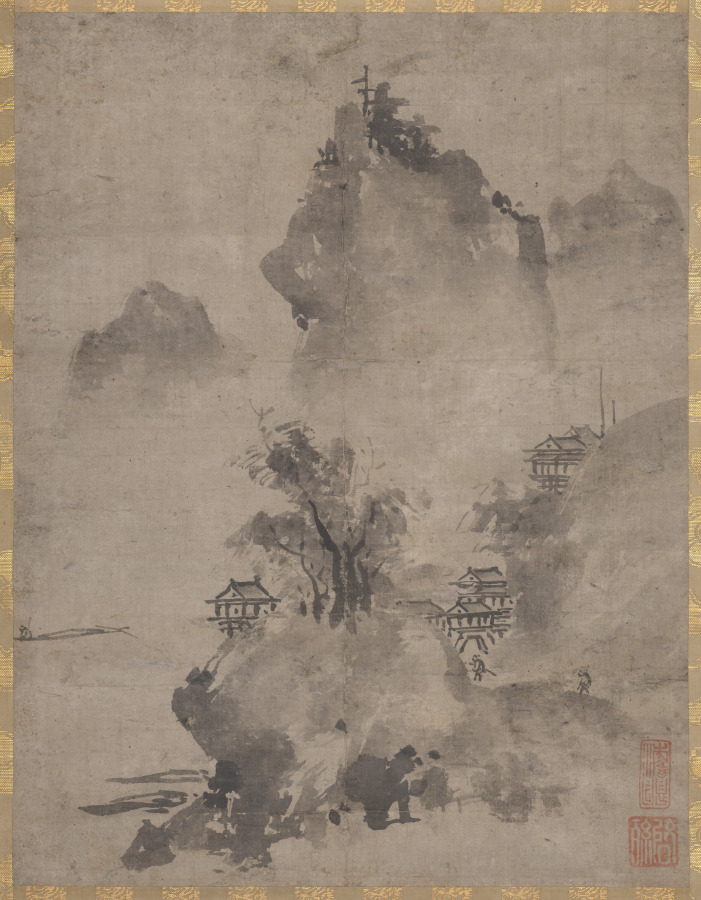 Keison (Japanese, active late 15th to early 16th century) —
 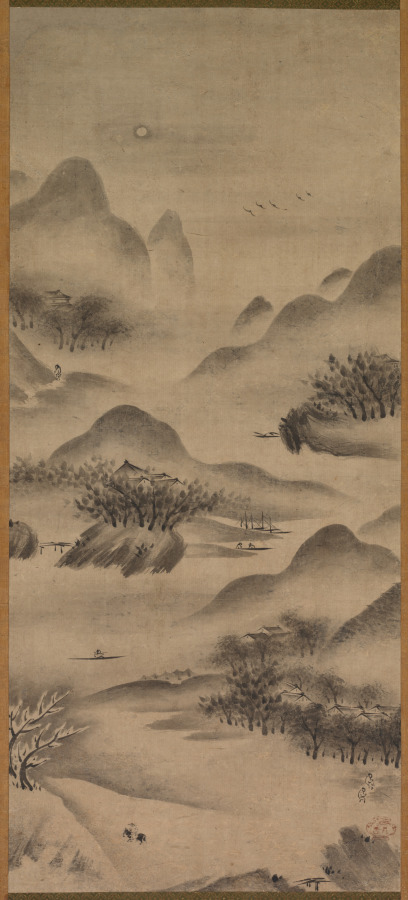 Landscape