In the collection of Cleveland Museum of Art, Cleveland — check current display status with the museum.
FROM THE CLEVELAND MUSEUM OF ART’S CATALOG
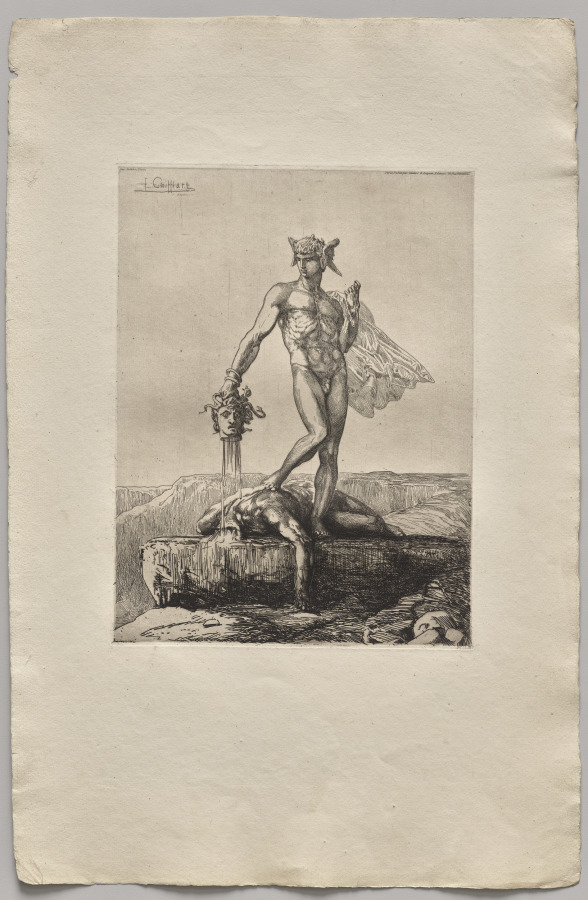
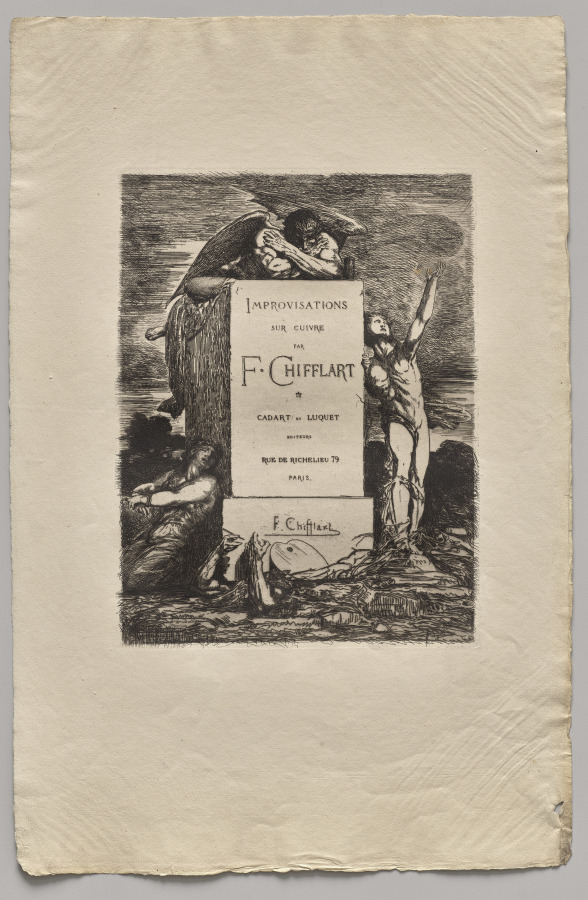
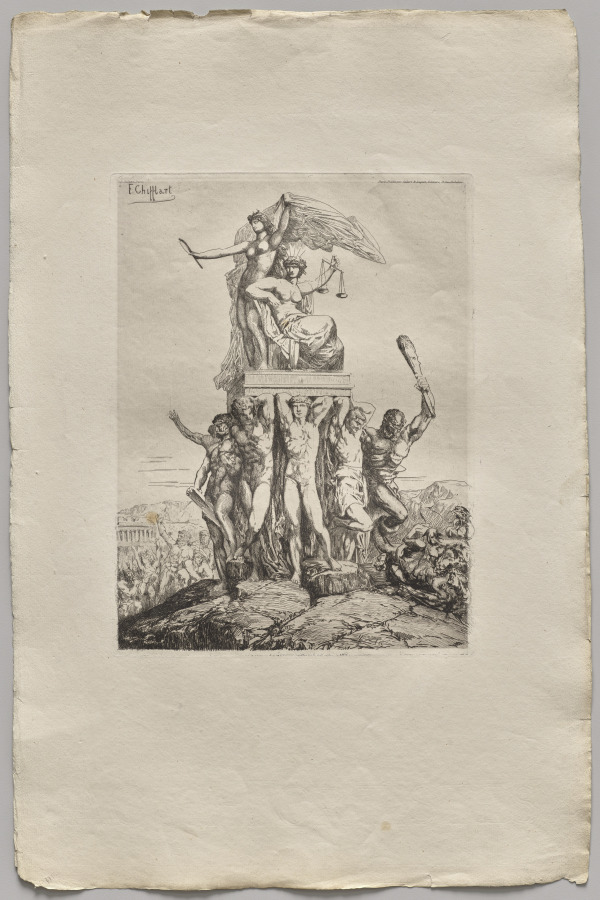
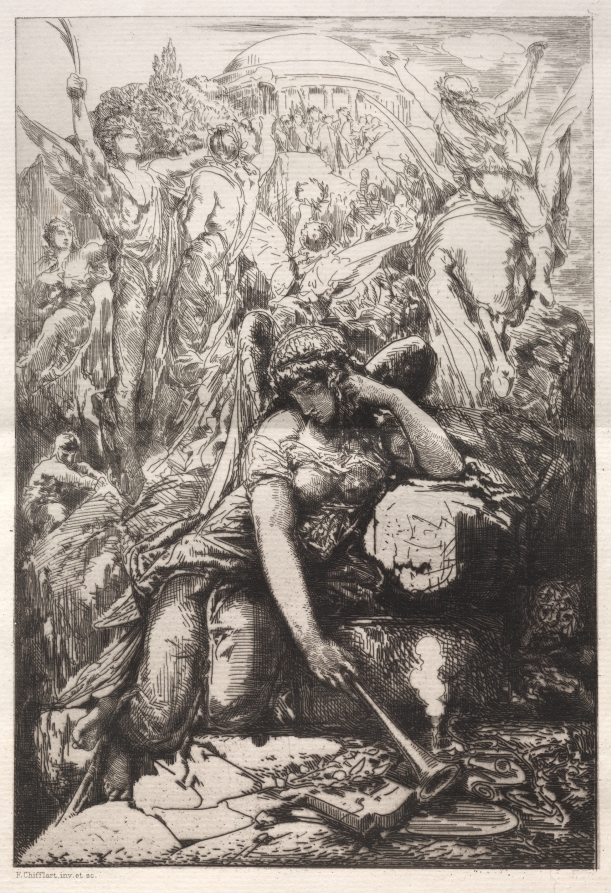
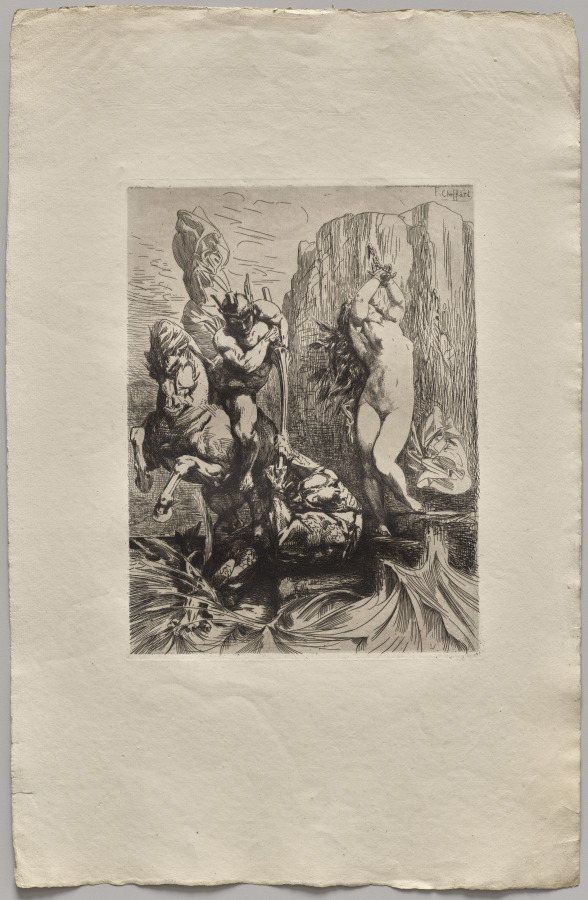
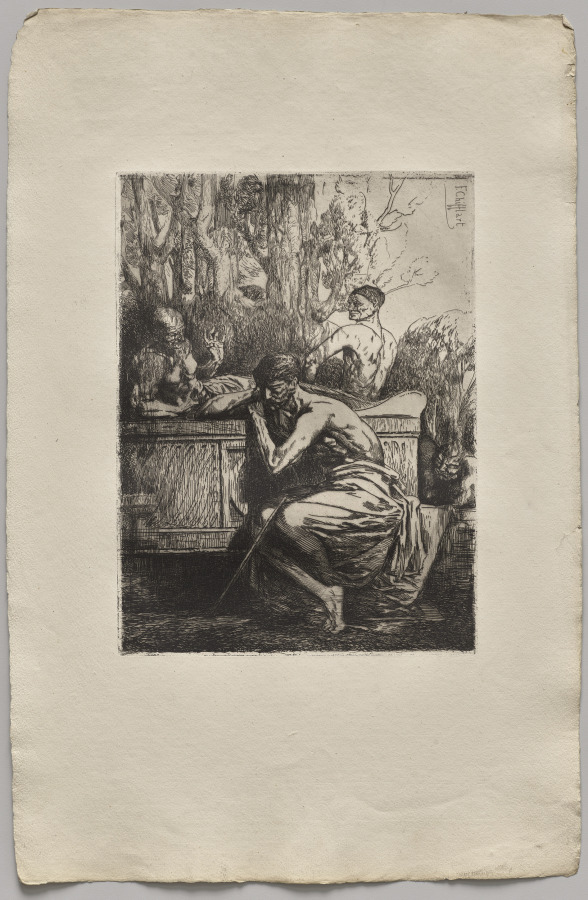
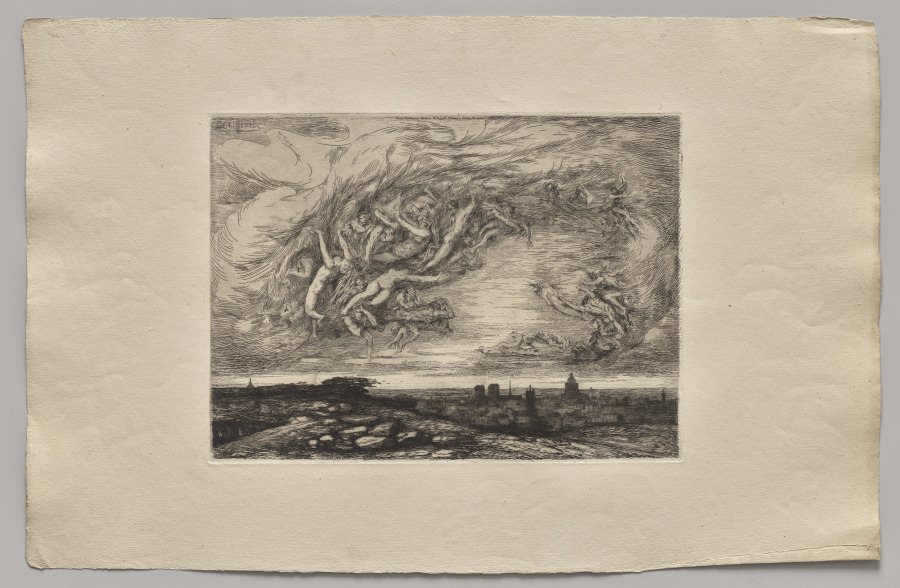
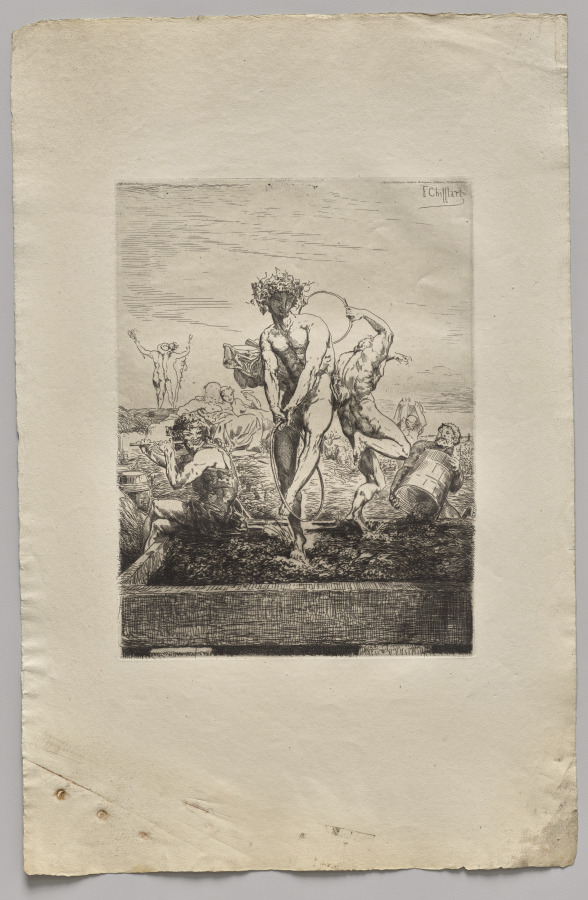
The prints of series like François-Nicolas Chifflart’s Improvisations on Copper were often separated over time; complete sets like this one are rare today.
Be the first to share your thoughts.
Sign in to join the discussion.
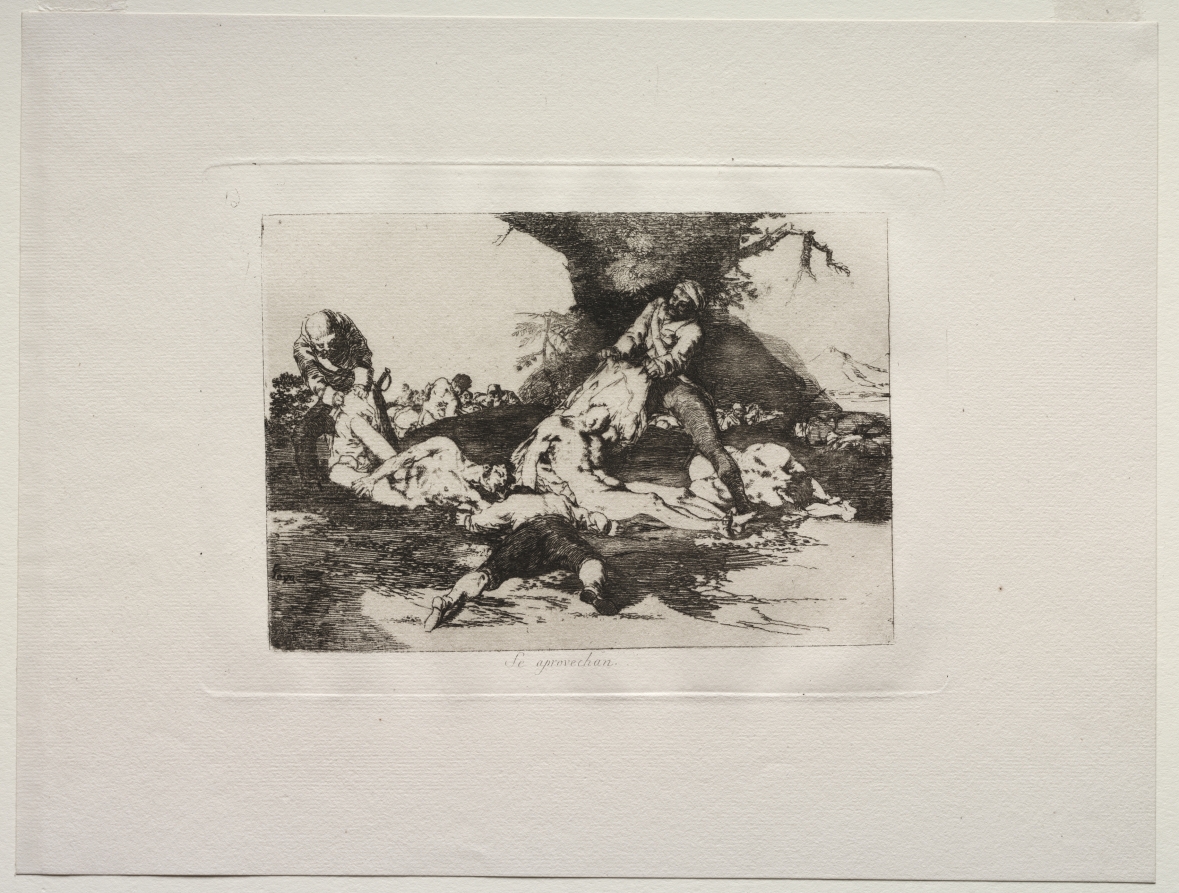 Francisco de Goya (Spanish, 1746–1828) — The Horrors of War:
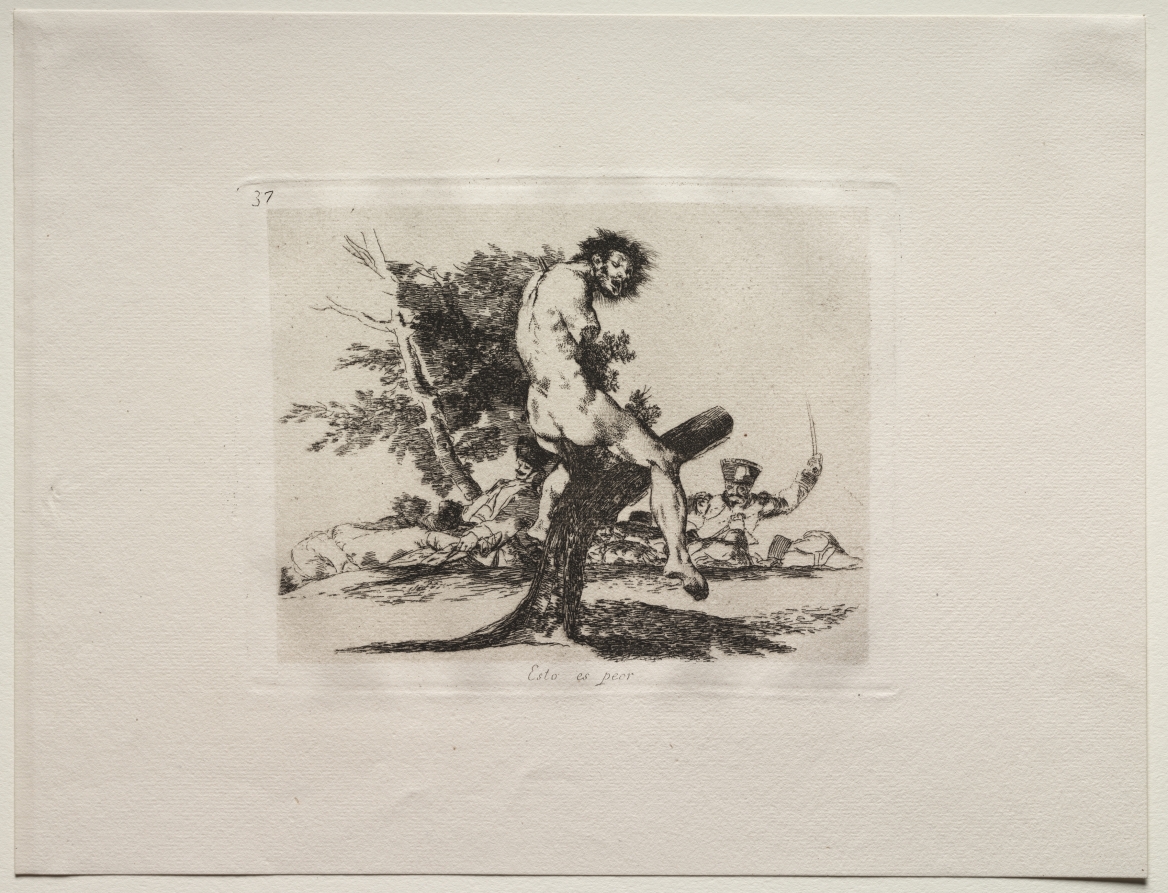 Francisco de Goya (Spanish, 1746–1828) — The Horrors of War:
 Goya (Francisco de Goya y Lucientes) — Plate 16 from "The Di
 Odilon Redon — Kaïn doodt Abel
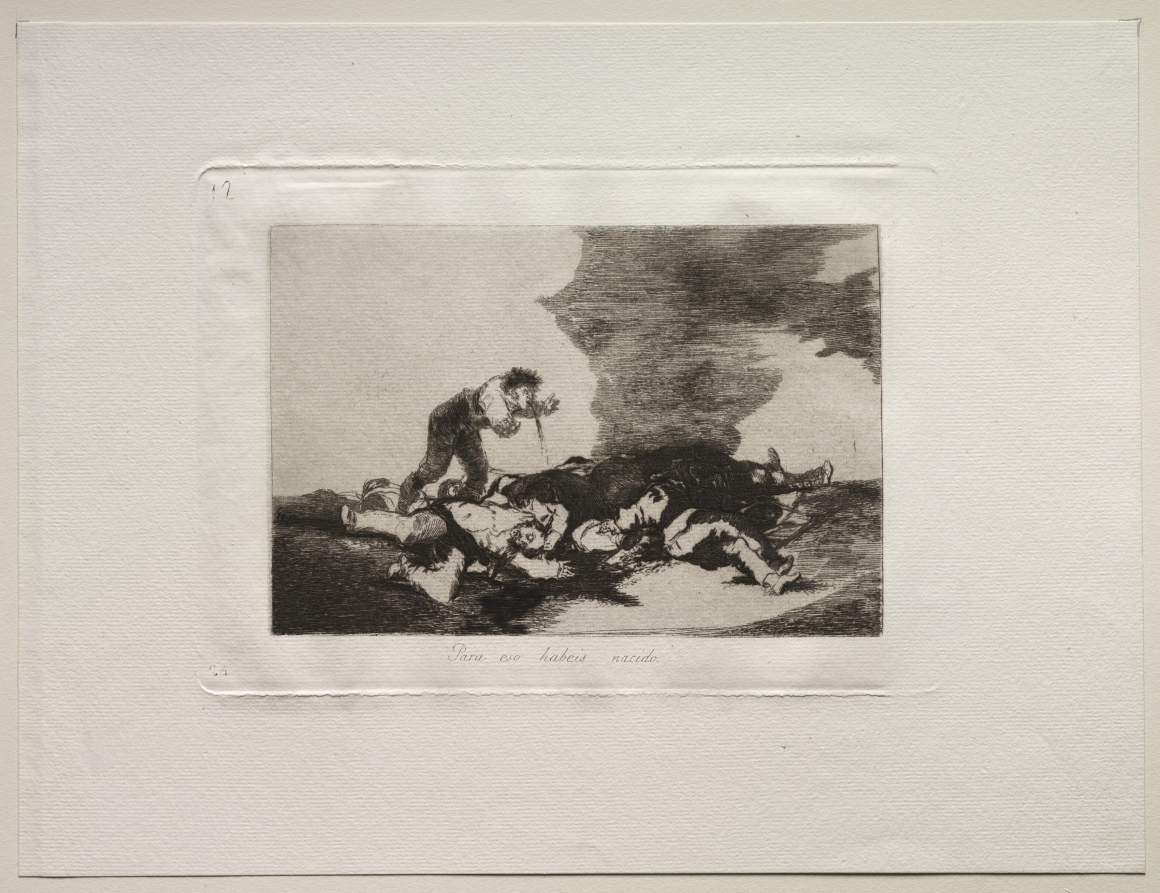 Francisco de Goya (Spanish, 1746–1828) — The Horrors of War:
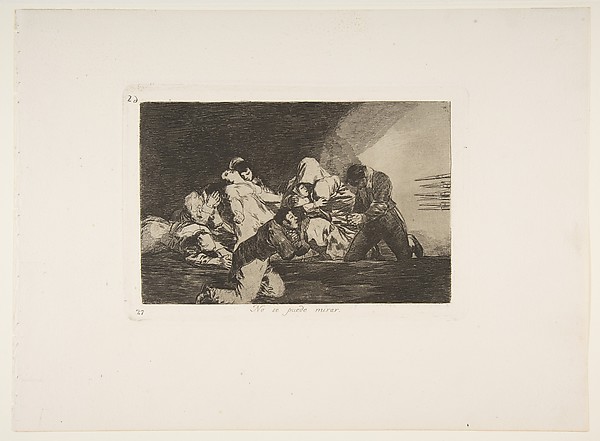 Goya (Francisco de Goya y Lucientes) — Plate 26 from "The D
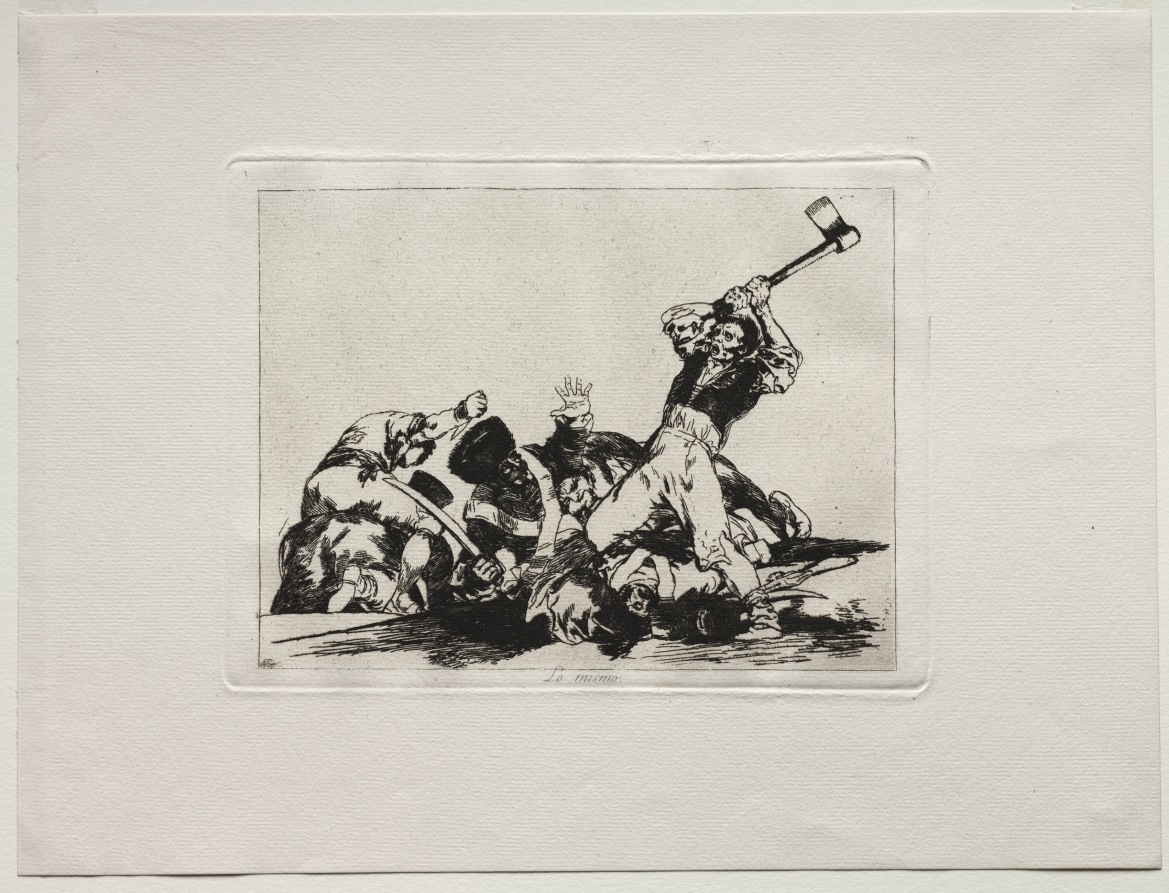 Francisco de Goya (Spanish, 1746–1828) — The Horrors of War:
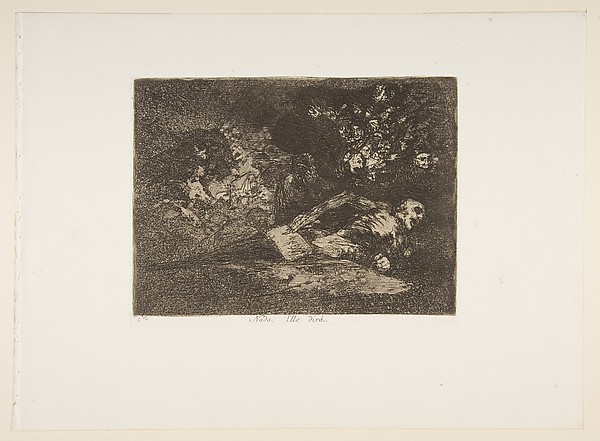 Goya (Francisco de Goya y Lucientes) — Plate 69 from "The Di
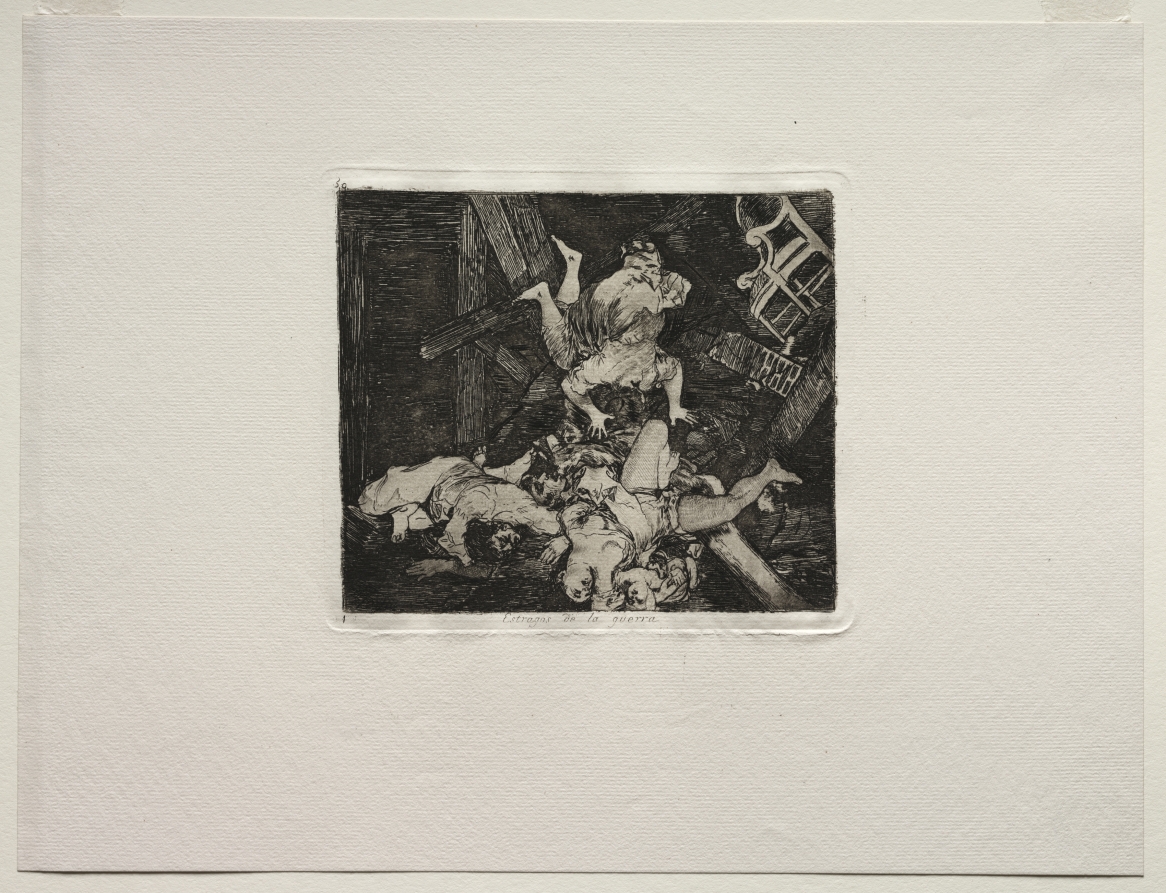 Francisco de Goya (Spanish, 1746–1828) — The Horrors of War:
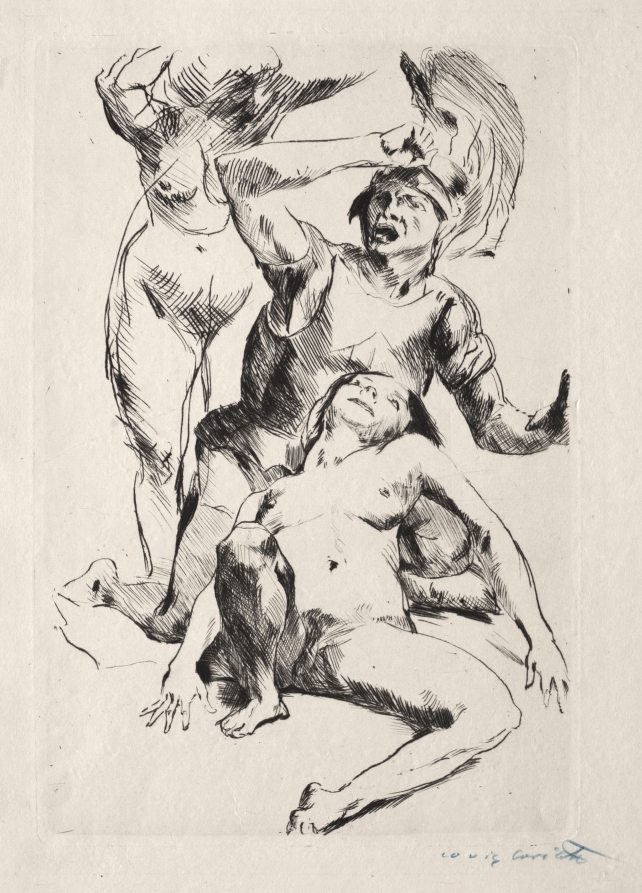 Lovis Corinth (German, 1858–1925) — Theseus and Ariadne
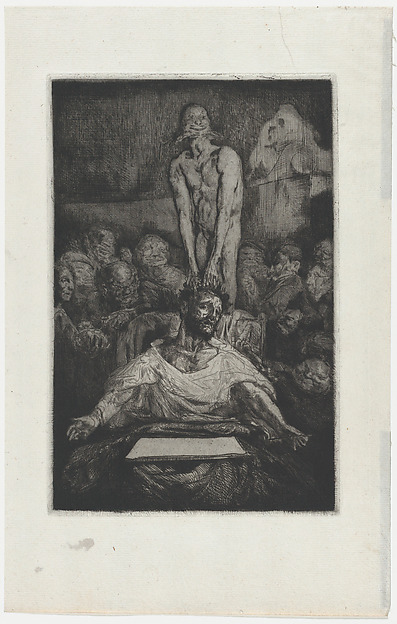 François-Nicolas Chifflart — Diablerie
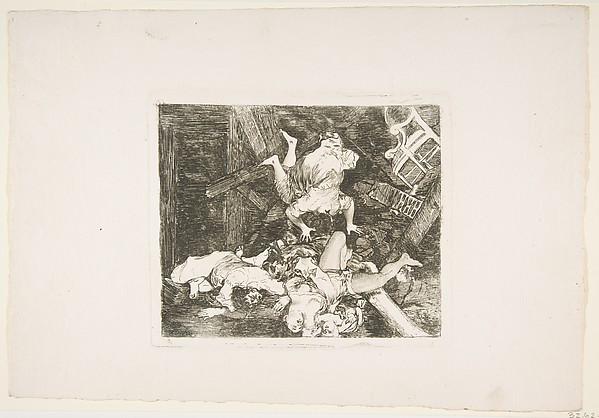 Goya (Francisco de Goya y Lucientes) — Plate 30 from "The Di