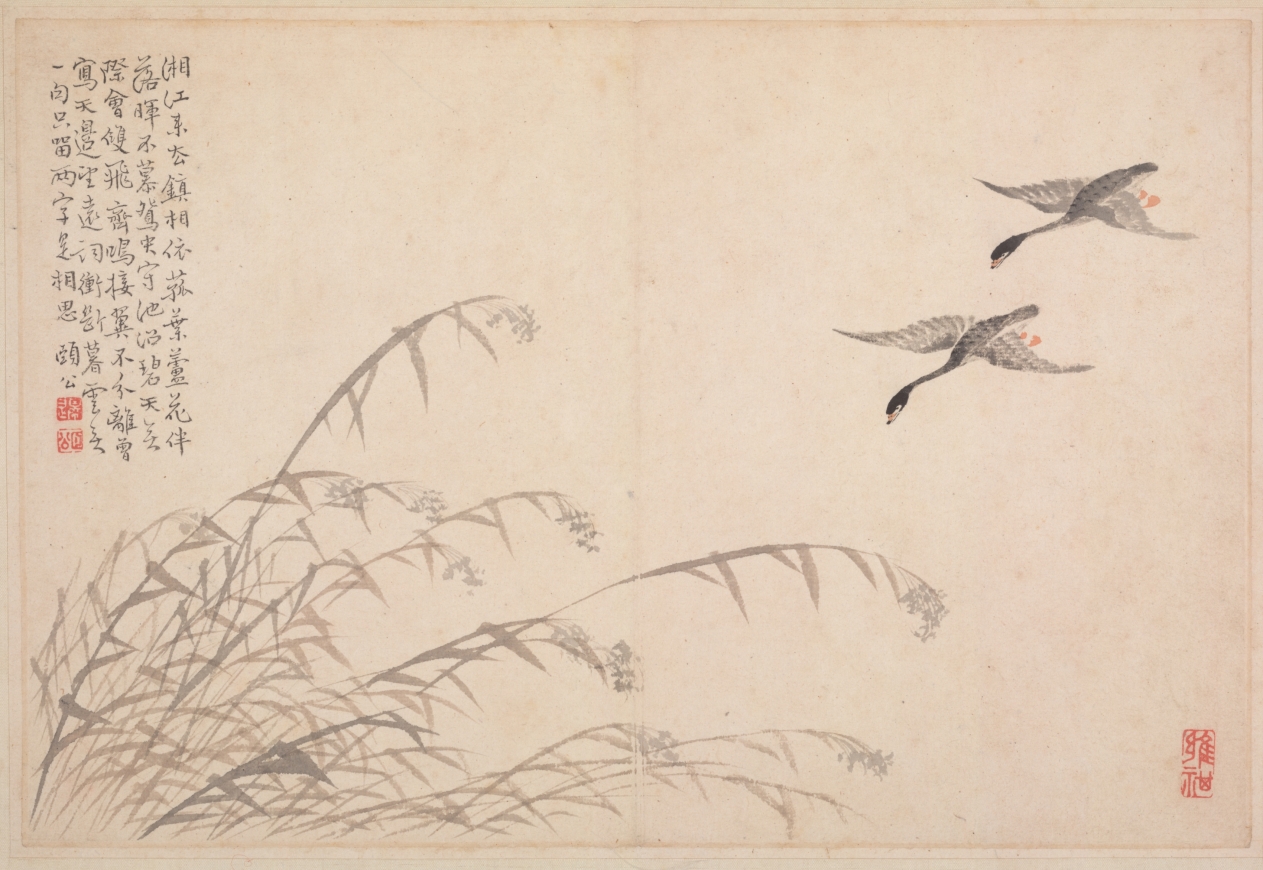
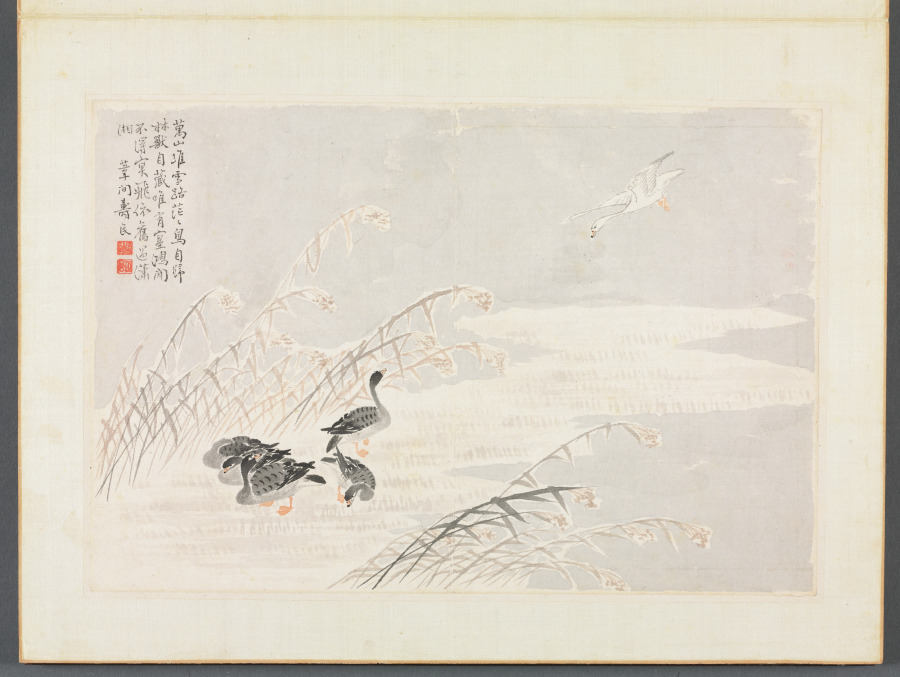
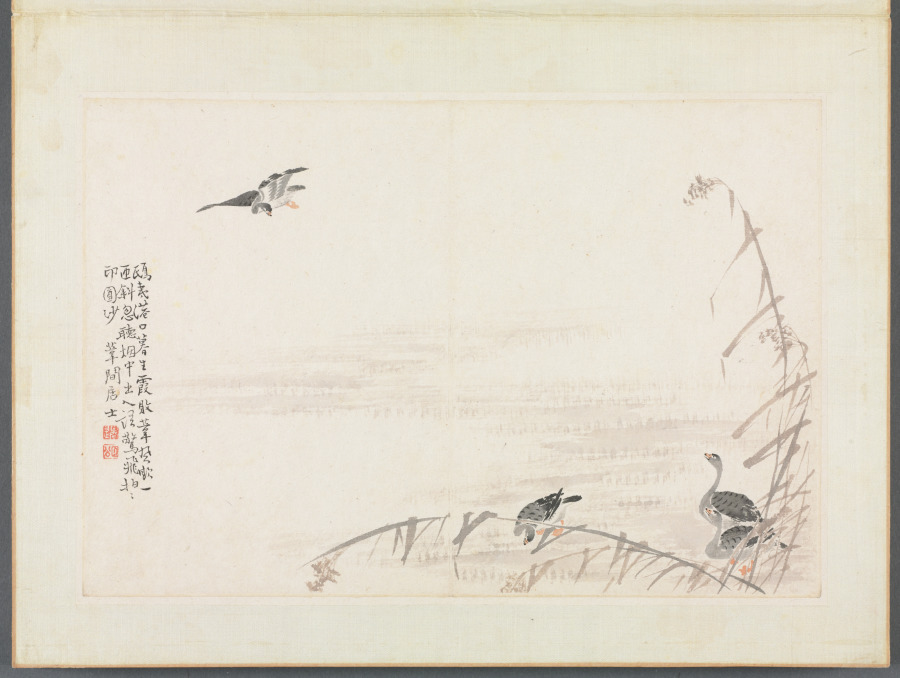
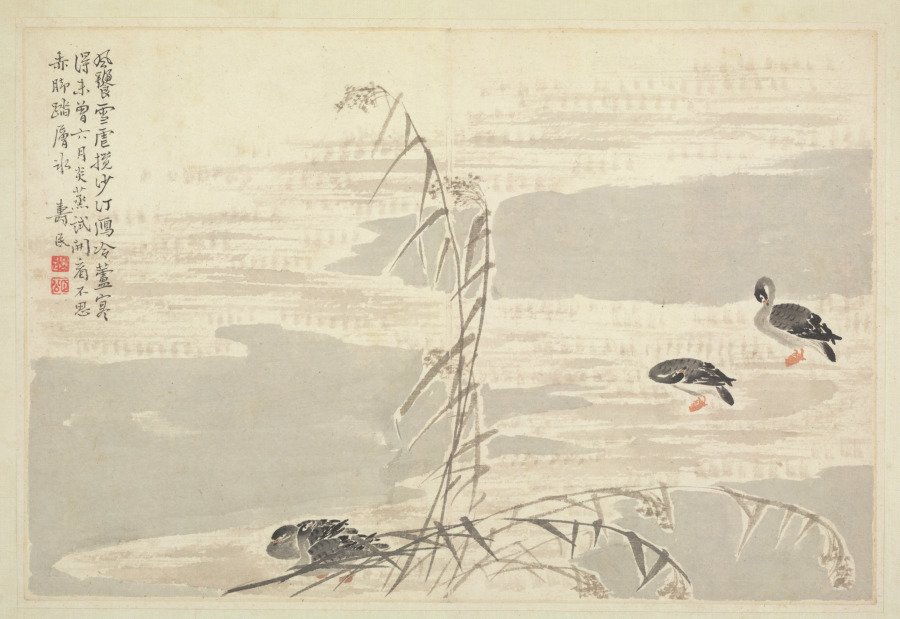
In the collection of Cleveland Museum of Art, Cleveland — check current display status with the museum.
FROM THE CLEVELAND MUSEUM OF ART’S CATALOG
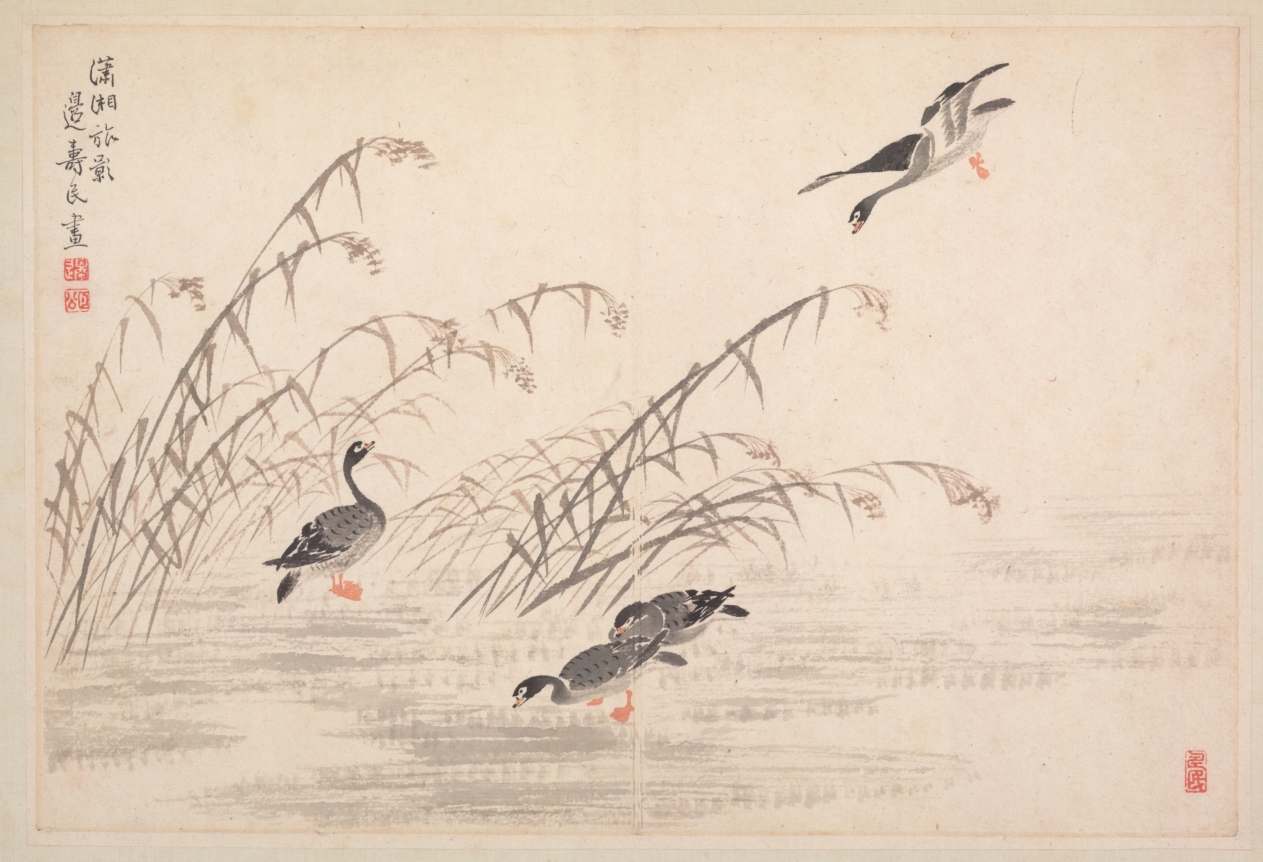
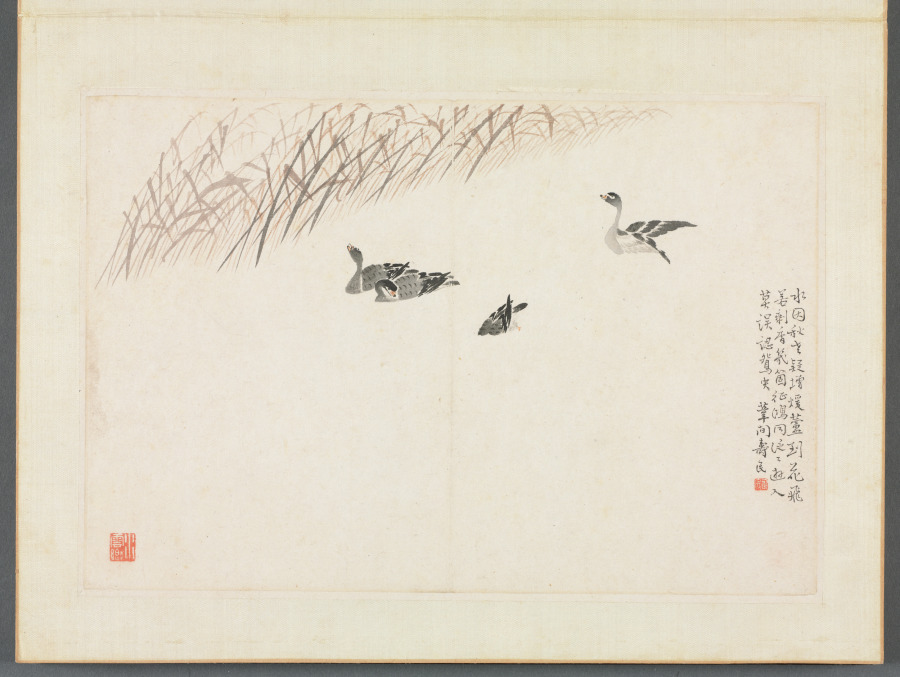
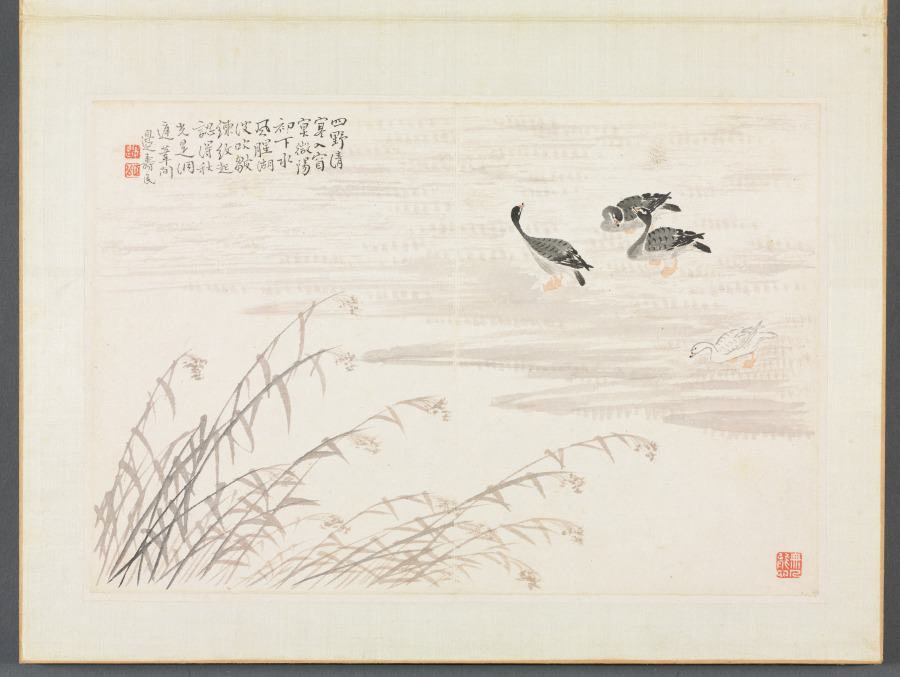
The artist Bian Shoumin is known for his depiction of wild geese, water, and reeds. The migrant birds in autumn and winter evoked, in the minds of the Chinese intelligentsia, a time of parting and sorrow.
Be the first to share your thoughts.
Sign in to join the discussion.
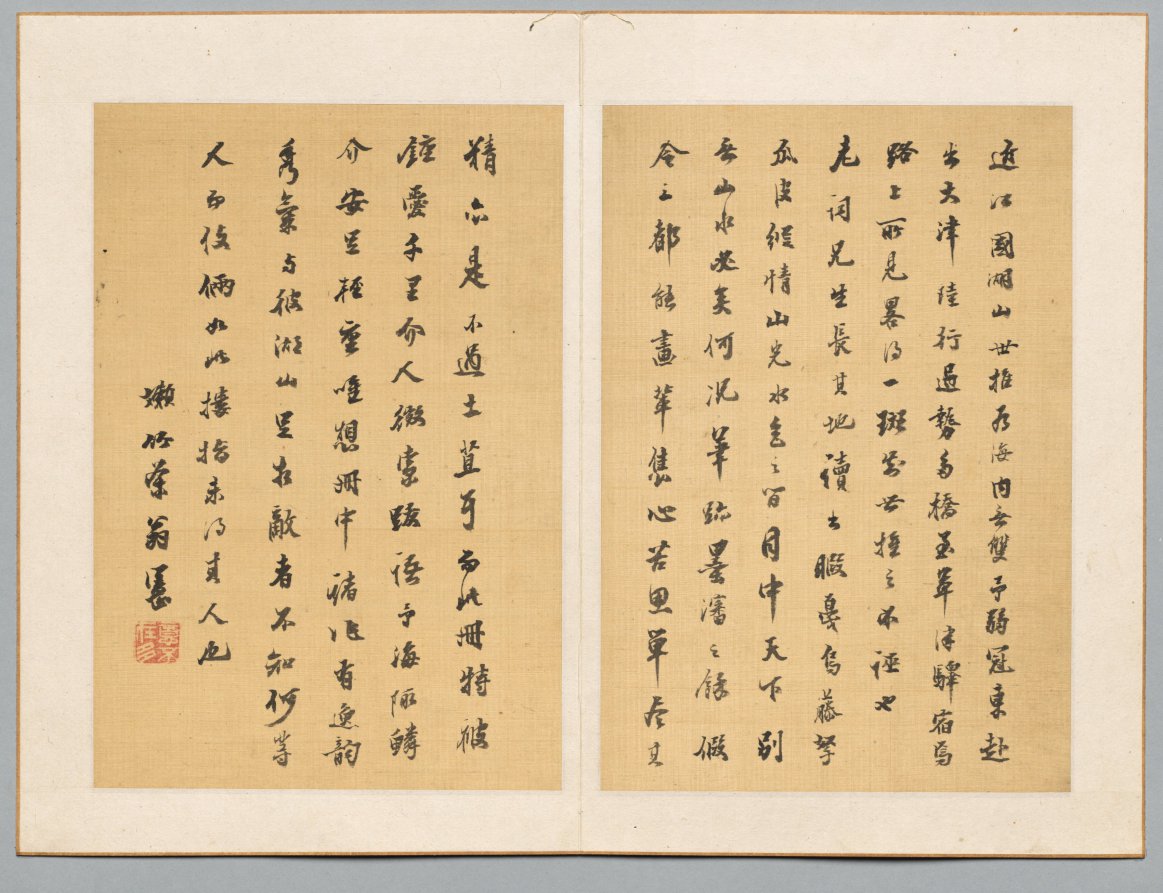 Tanomura Chikuden (Japanese, 1777–1835) — Calligraphy
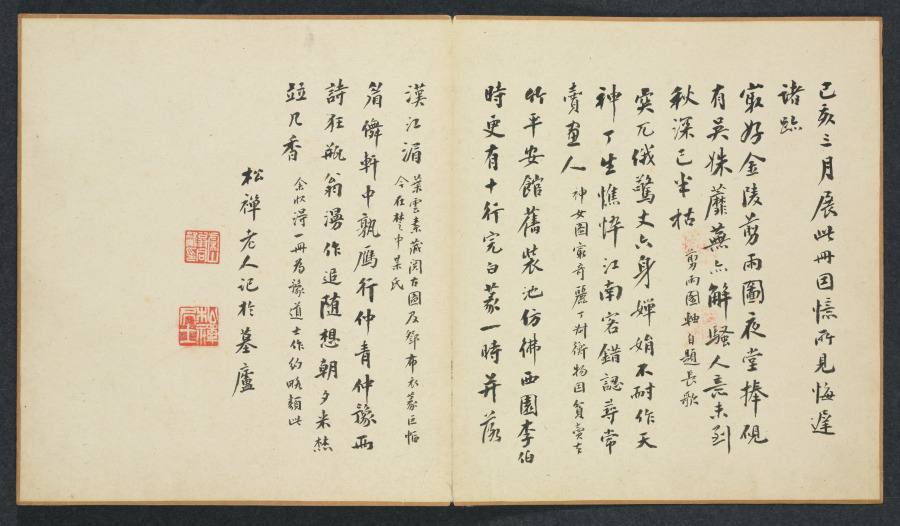 Chen Hongshou (Chinese, 1598/99–1652) — Paintings after Anci
 Wen Boren (Chinese, 1502–1575) — Saying Farewell at Xunyang
 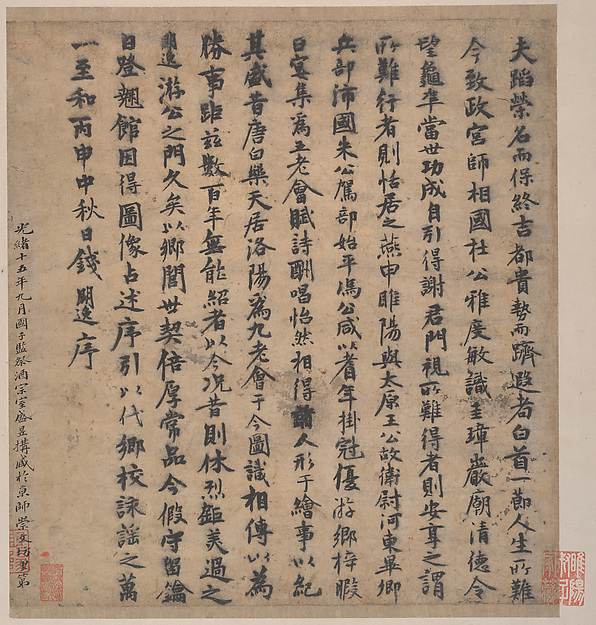 Various Scholars — 北宋–清 睢陽五老圖引首題跋 冊|Frontispiece and Col
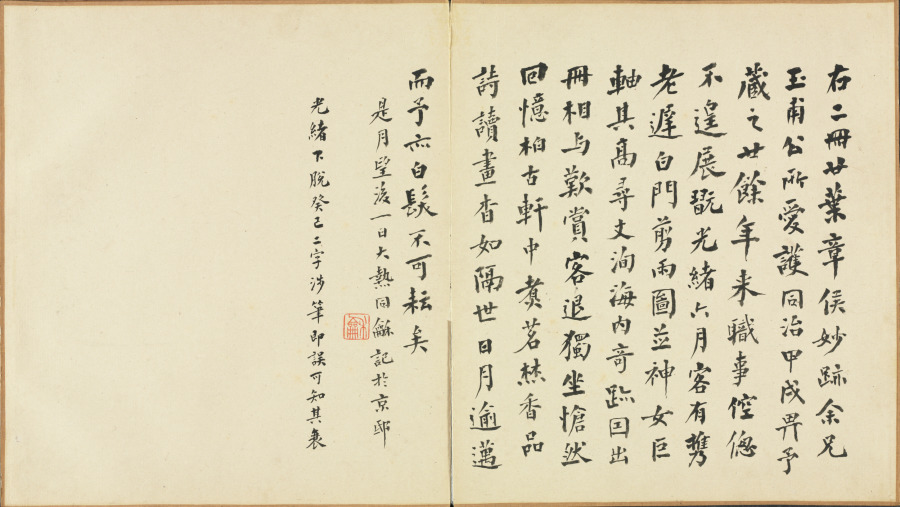 Chen Hongshou (Chinese, 1598/99–1652) — Paintings after Anci
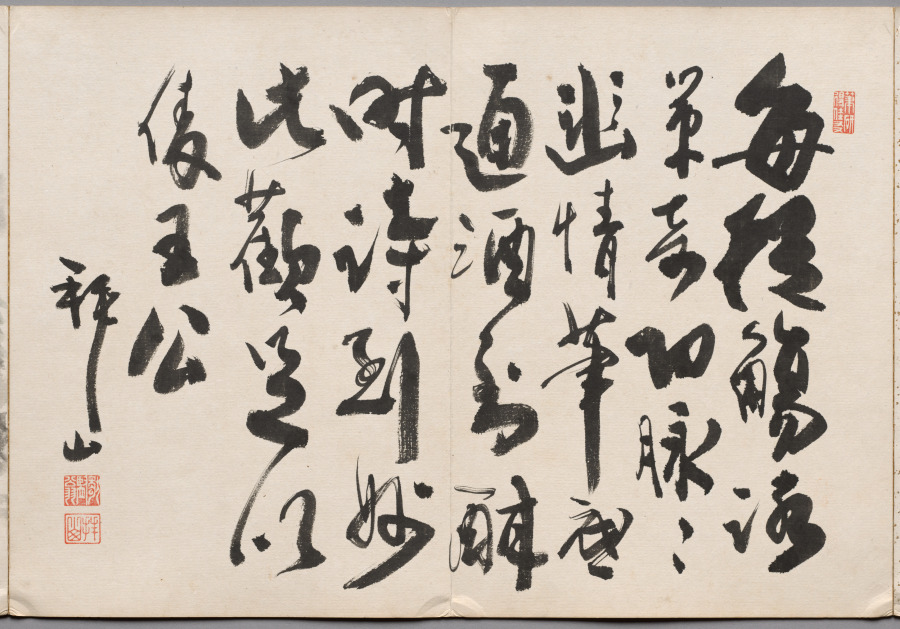 Yoshitsugu Haizan (Japanese, 1846–1915) — Preface from Album
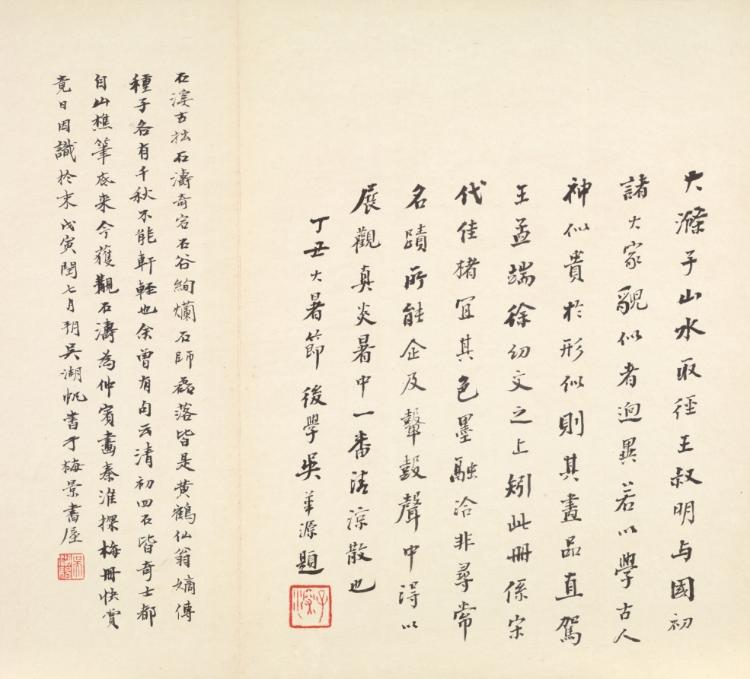 Shitao (Chinese, 1642–1707) — Reminiscences of Qinhuai River
 Chen Jiru — Letter
 Ju Jie — Letter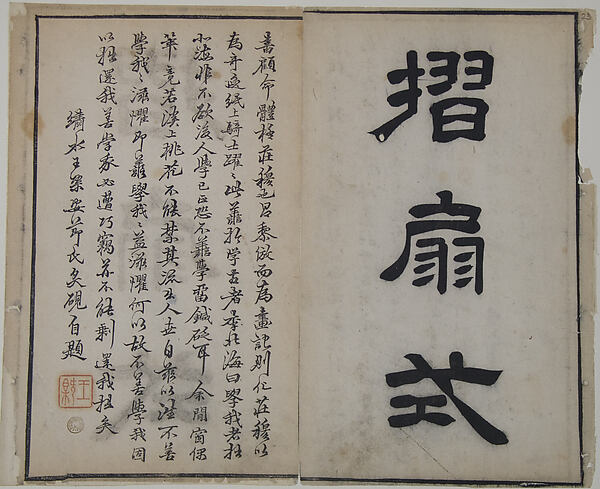
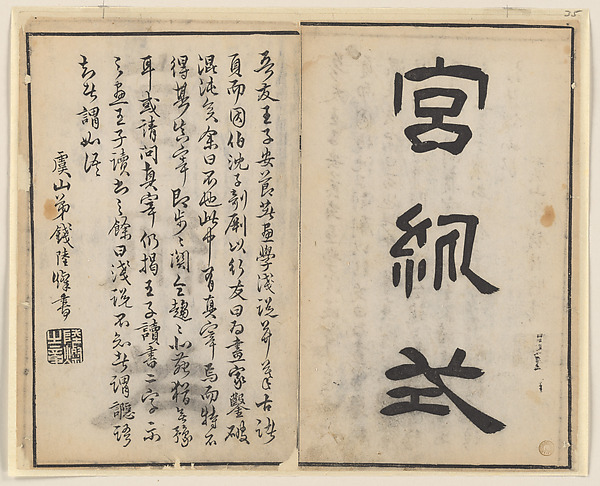
 Dong Qichang — Letter