Pink-Mouth Murex (phyllonotus erythrostomus)
SEE IT IN PERSON
Not currently on view
In the collection of Art Institute of Chicago, Chicago · as of July 2026
Discussion
FROM THE ART INSTITUTE OF CHICAGO’S CATALOG
In the 17th century, seashells became popular collectible objects because they were considered rare and exotic. They also became common subjects for still-life paintings known as Vanitas, which symbolically represent the transience of life. The etchings of both Wenceslaus Hollar and Rembrandt van Rijn could represent the simultaneous beauty and fragility of existence. While still lifes in general are exceedingly rare in Rembrandt’s work, Hollar’s etching comes from a series of seashells, consisting of 38 plates. Rembrandt’s shell (1938.1805) could have been inspired by Hollar’s work, though Rembrandt’s decision to render the shell in a three-dimensional space represents a marked difference between the two etchings.
Be the first to share your thoughts.
Sign in to join the discussion.
More by Wenceslaus Hollar
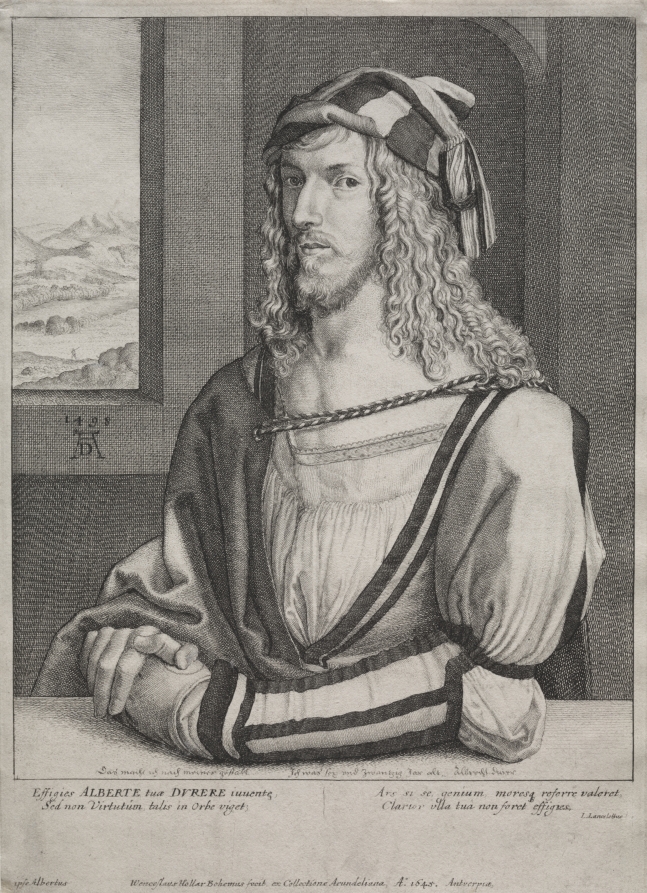 Portrait of Albrecht Dürer, at the age of 26
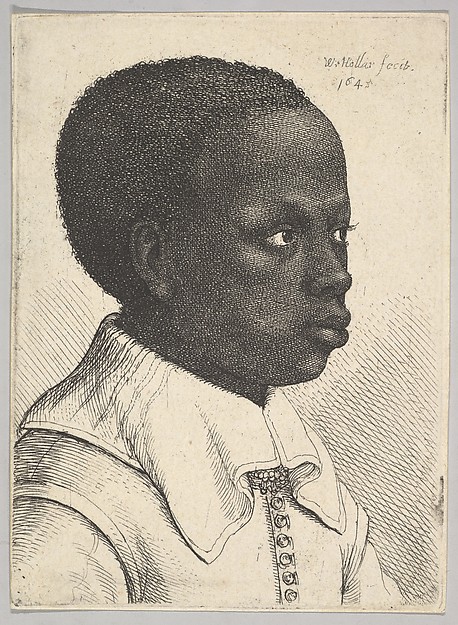 Head of a Young Black Boy in Profile to the Right
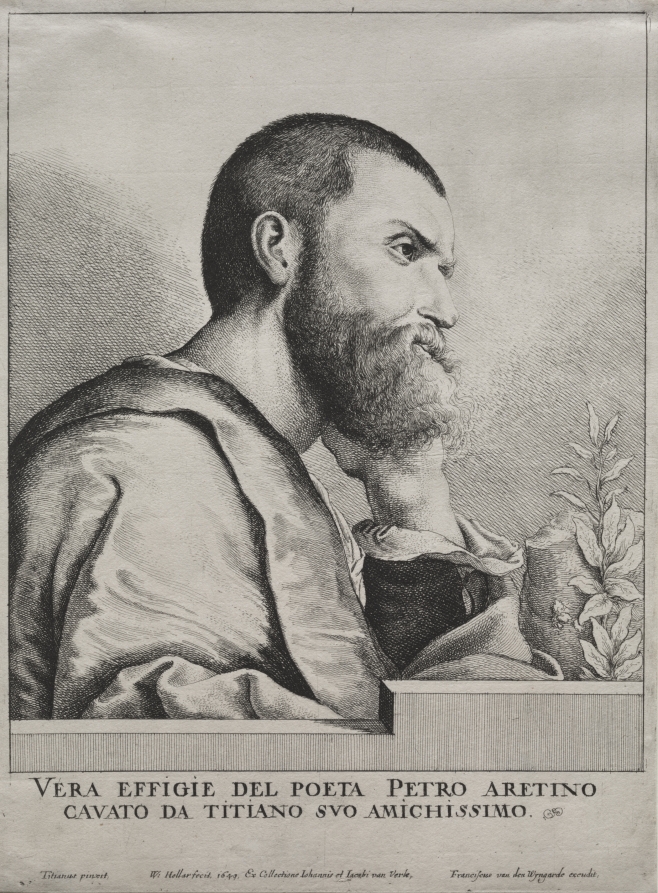 Portrait of Pietro Aretino
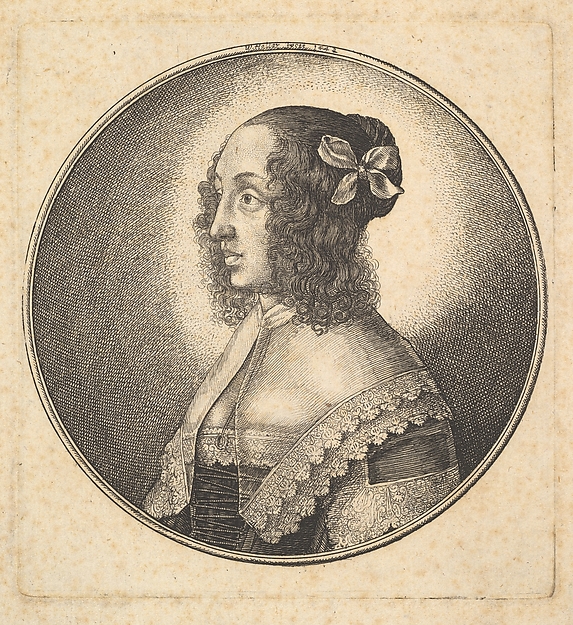 Woman with dark hair and a bow in profile to the left
 Woman with houpette on forehead turned to left
 Woman with circular lace ruff
 The Seasons
 Unus Americanus ex Virginia (An American from Virginia)
More like this
 George Jacobus Johannes van Os — Five Shells
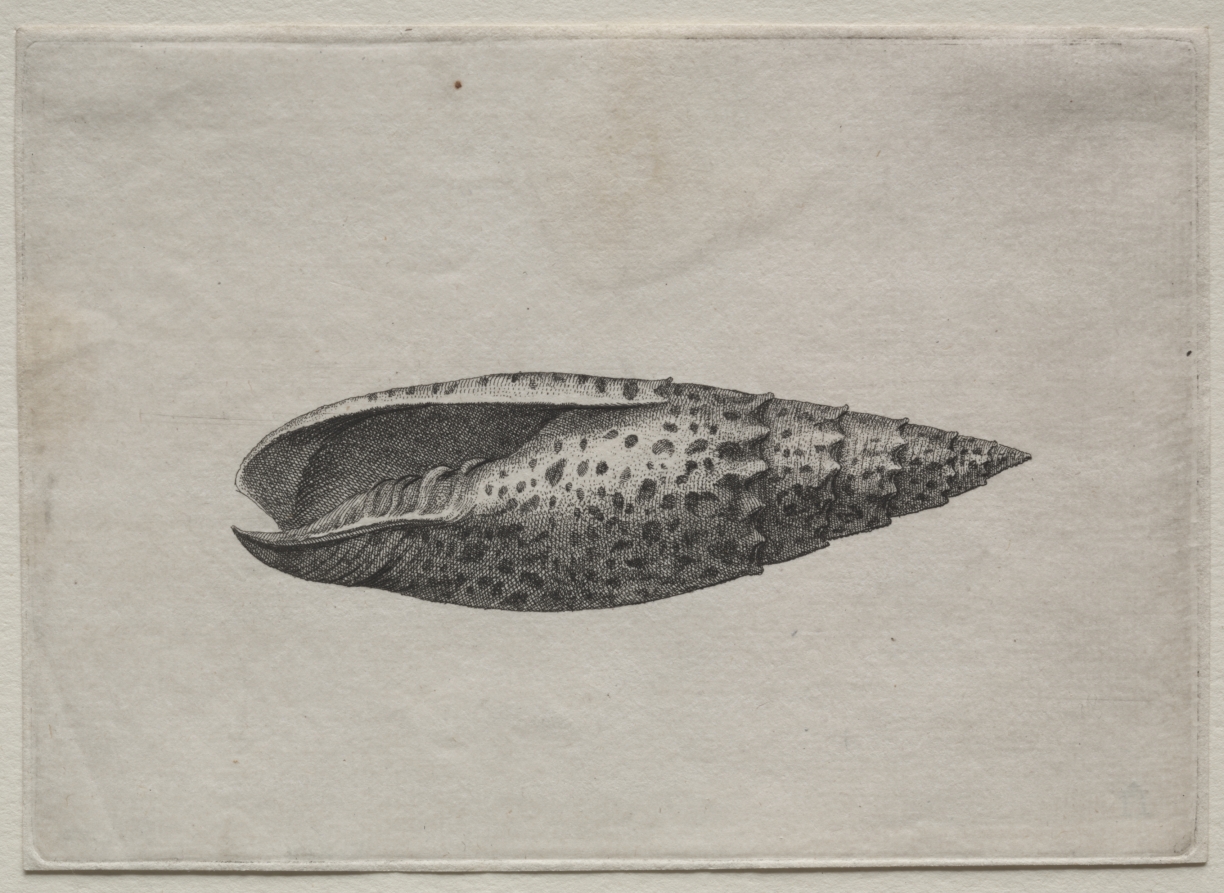 Wenceslaus Hollar (Bohemian, 1607–1677) — Shells: Mitra pap
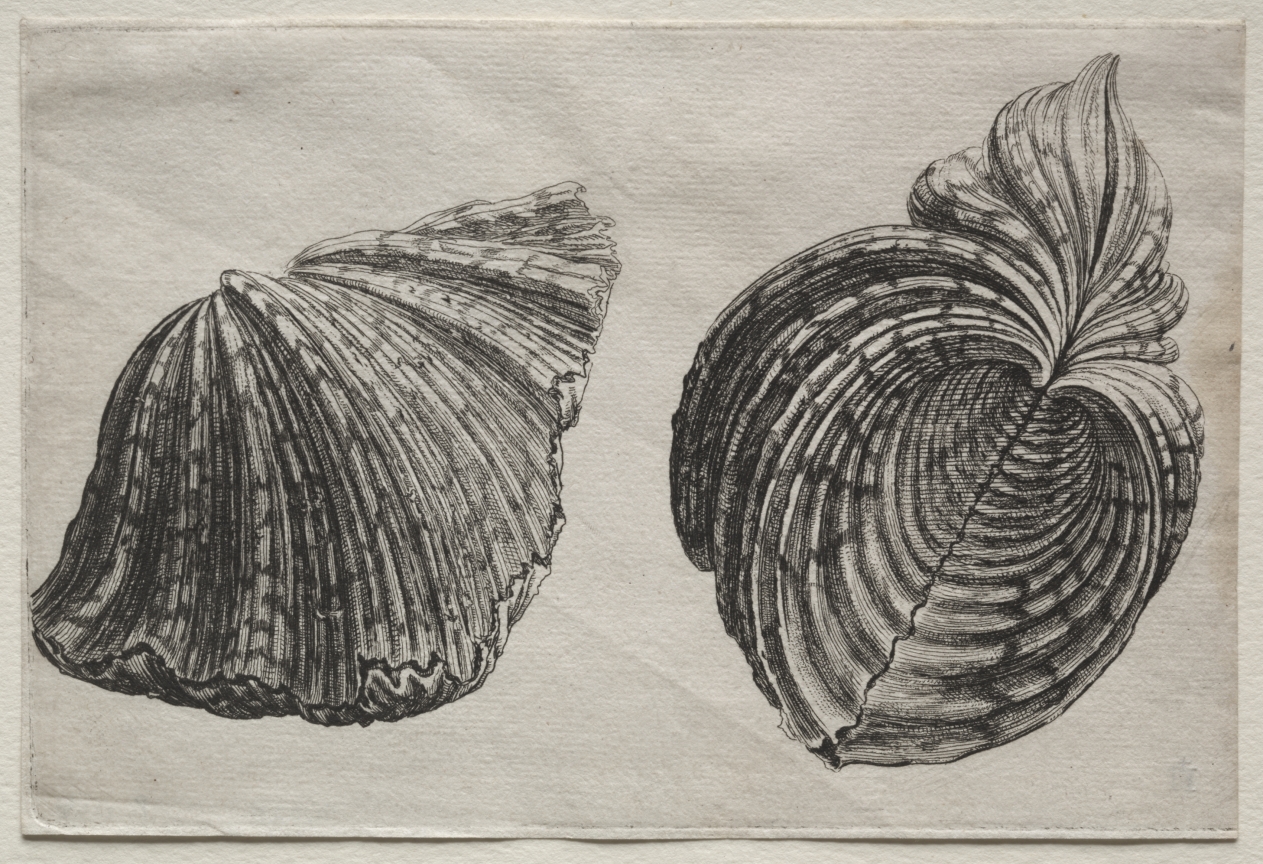 Wenceslaus Hollar (Bohemian, 1607–1677) — Shells: Hippopus
  Herman Henstenburgh|Anonymous — A Cowrie, and a Larger and T
 Franz Michael Regenfuss — Plate V, from "Choix de Coquillage
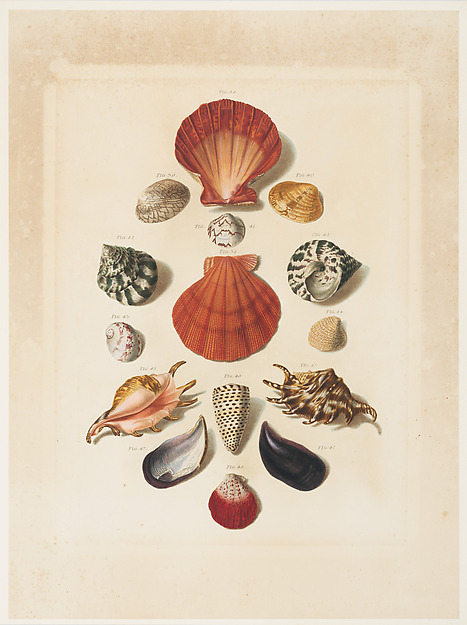 Franz Michael Regenfuss — Plate IV, from "Choix de Coquillag
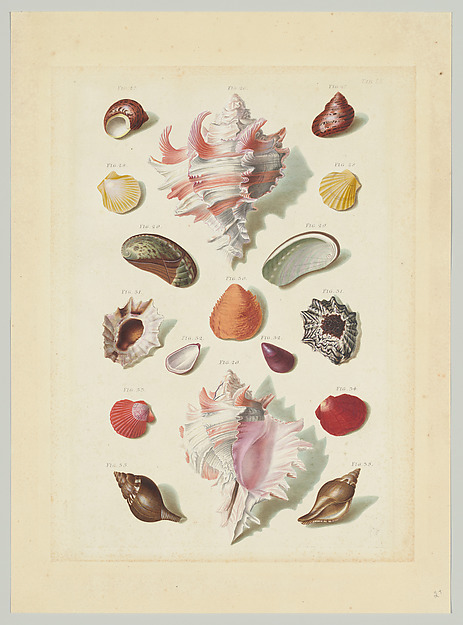 Franz Michael Regenfuss — Plate IX, from "Choix de Coquillag
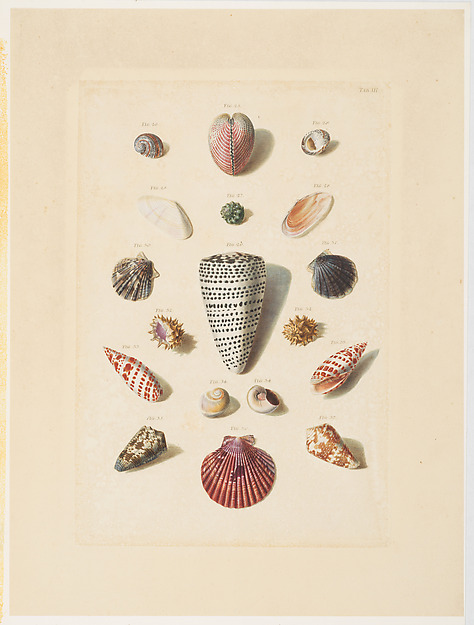 Franz Michael Regenfuss — Plate III, from "Choix de Coquilla
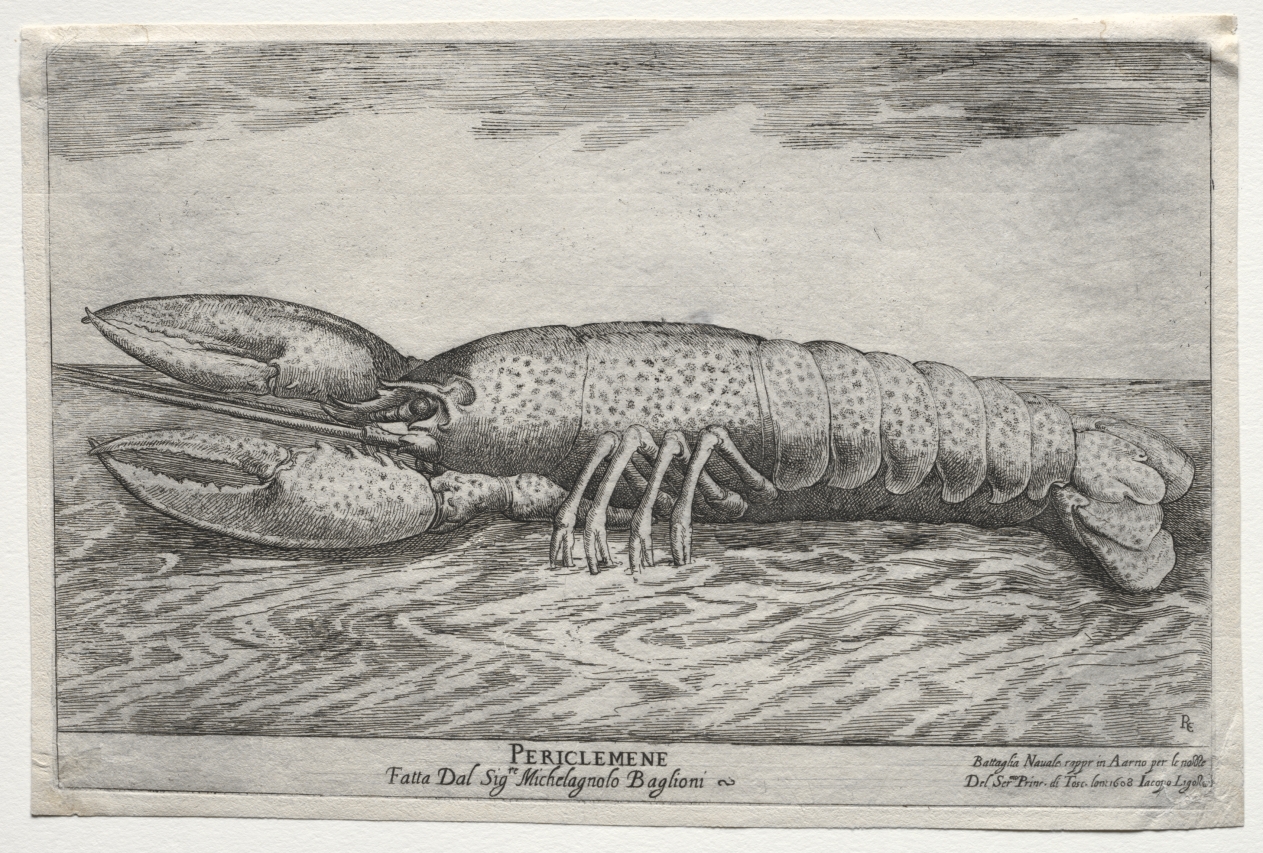 Remigio Cantagallina (Italian, 1582/3–1656) — Naval Combat R
 Jean François Niceron|Hendrick Goltzius — Soldier on Horseba
 Unknown artist — Bouquet of Roses and Lilies
 Theodor van Kessel|Christiaen van Vianen|Adam van Vianen I —