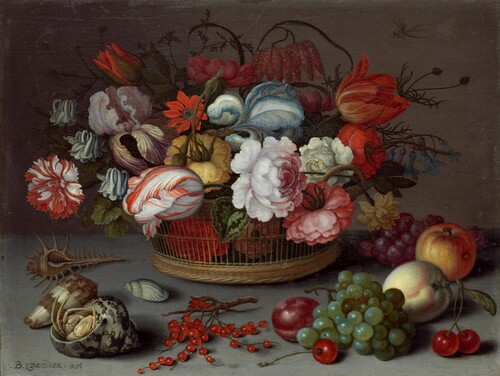
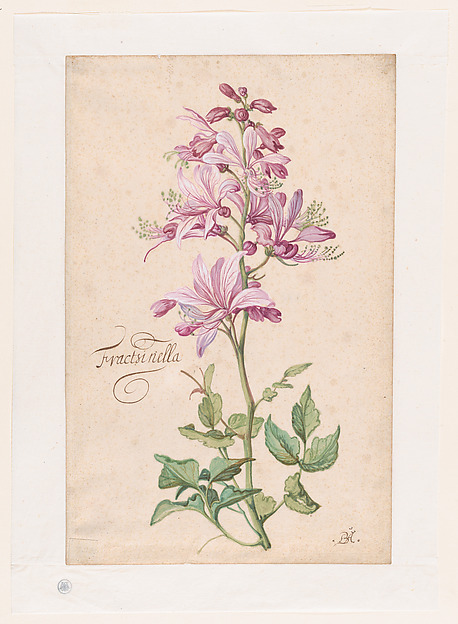
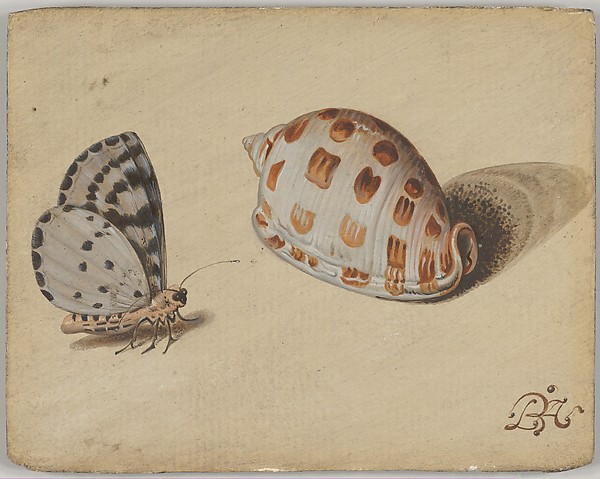
In the collection of Cleveland Museum of Art, Cleveland — check current display status with the museum.
FROM THE CLEVELAND MUSEUM OF ART’S CATALOG
According to Christian legend, carnations appeared when the Virgin Mary shed tears as Jesus carried the cross, thus the flower’s traditional association with Mother’s Day.
Be the first to share your thoughts.
Sign in to join the discussion.
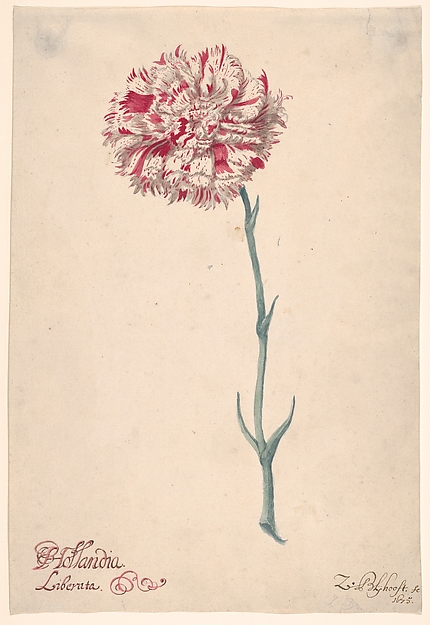 Zacharias Blijhooft — A Carnation ("Hollandia Liberata")
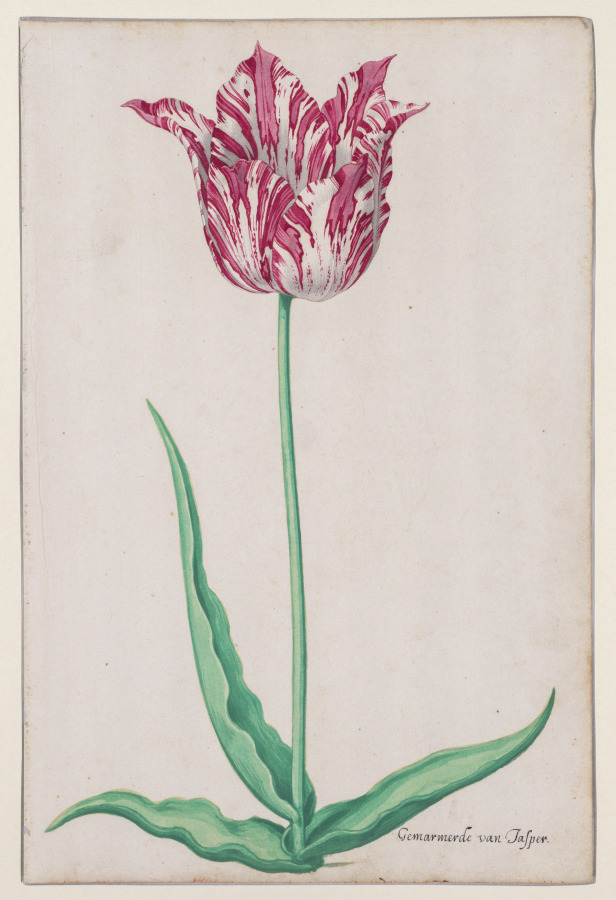 Pieter Holsteyn II (Dutch, c.1612–1673) — Study of a Tulip (
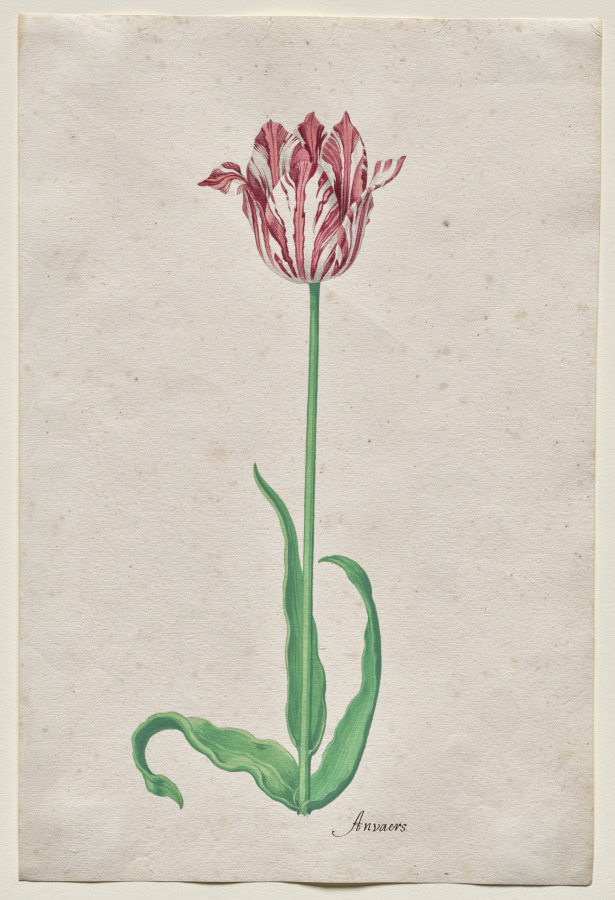 Pieter Holsteyn II (Dutch, c.1612–1673) — Study of a Tulip (
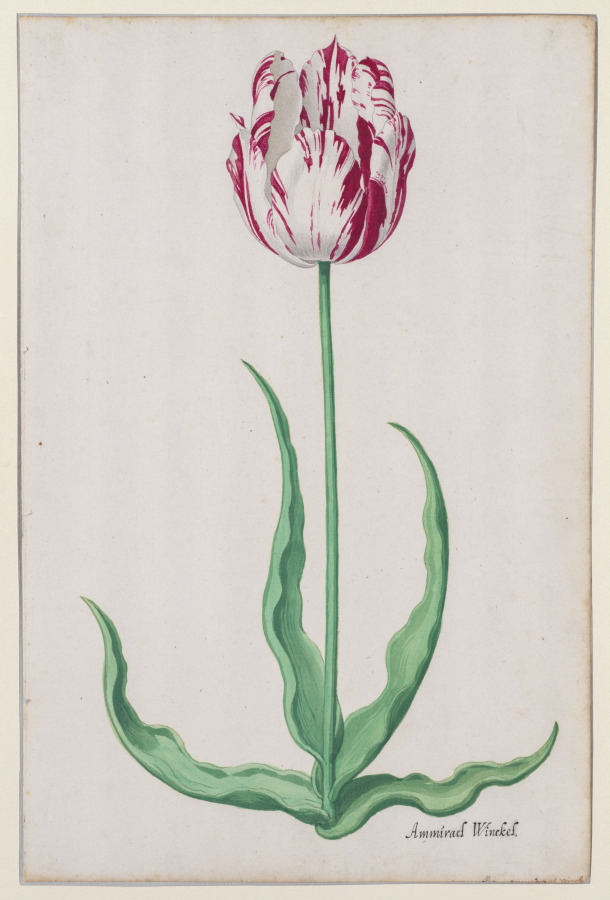 Pieter Holsteyn II (Dutch, c.1612–1673) — Study of a Tulip (
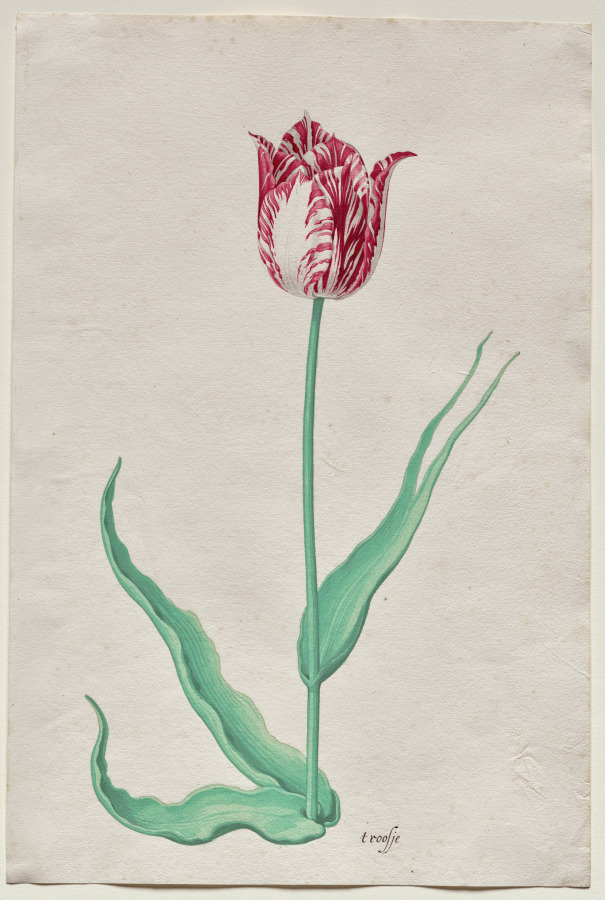 Pieter Holsteyn II (Dutch, c.1612–1673) — Study of a Tulip (
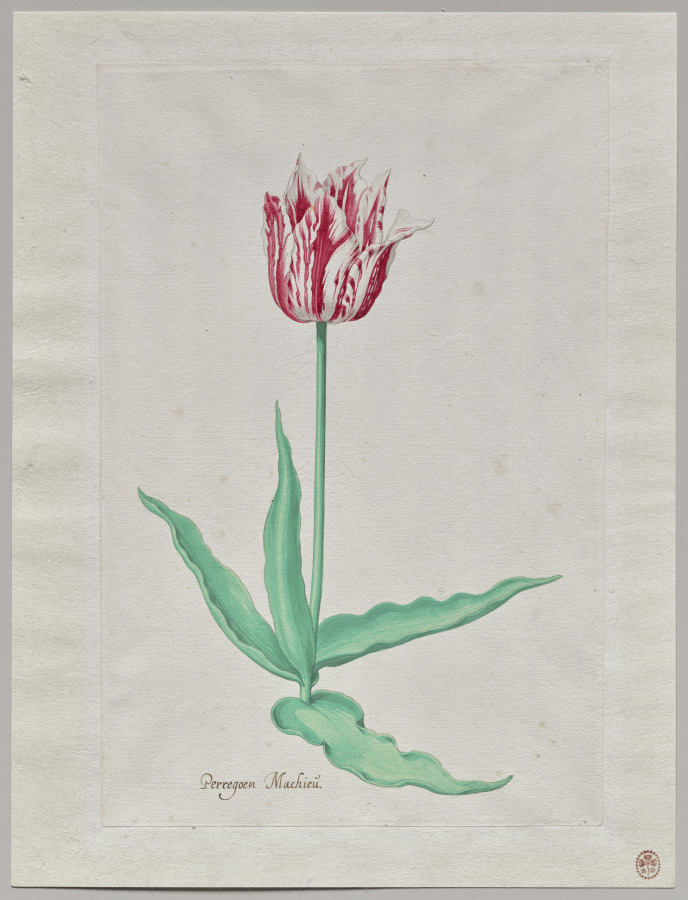 Pieter Holsteyn II (Dutch, c.1612–1673) — Study of a Tulip (
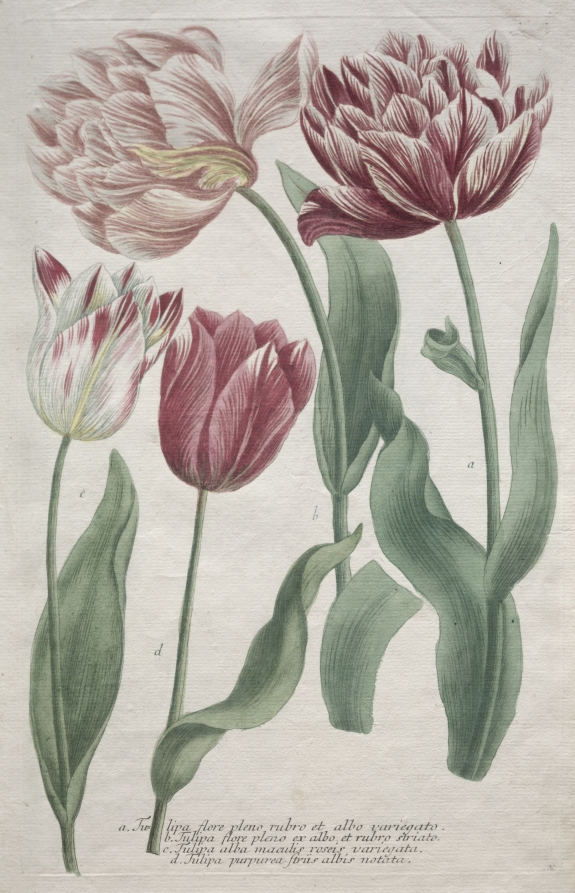 Bartholomaus Seutter (German, 1678–1754) — Tulips
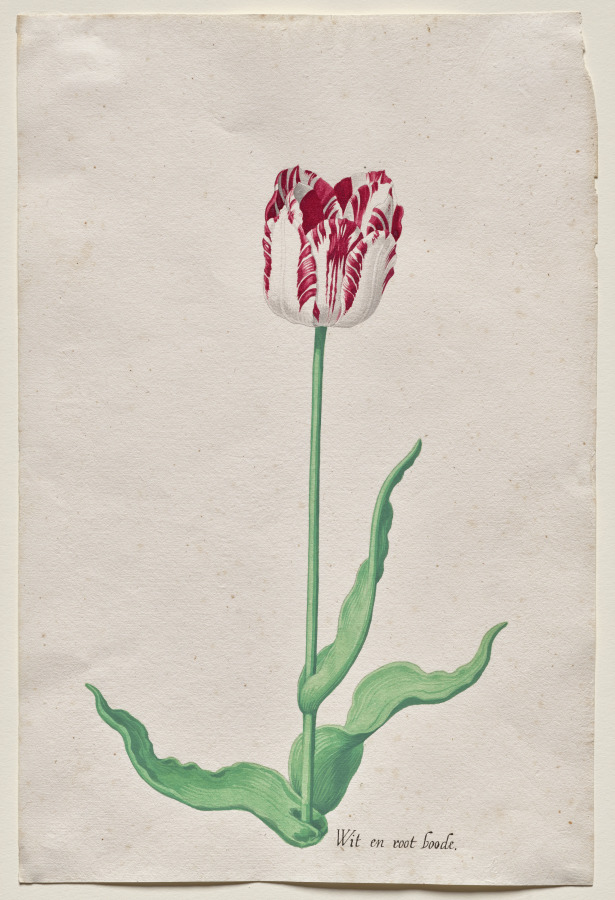 Pieter Holsteyn II (Dutch, c.1612–1673) — Study of a Tulip (
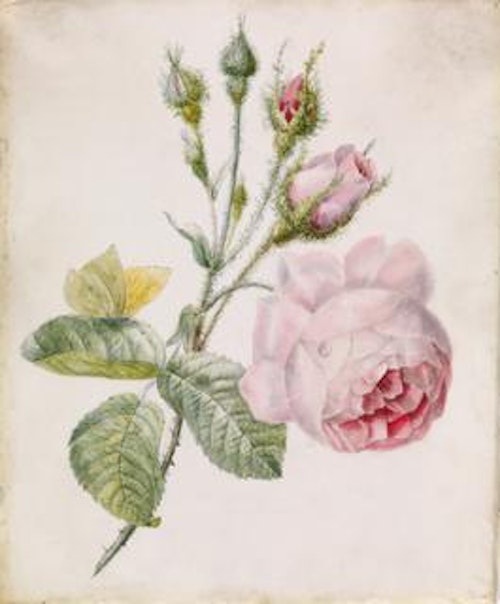 Pink Rose and Yellow Butterfly
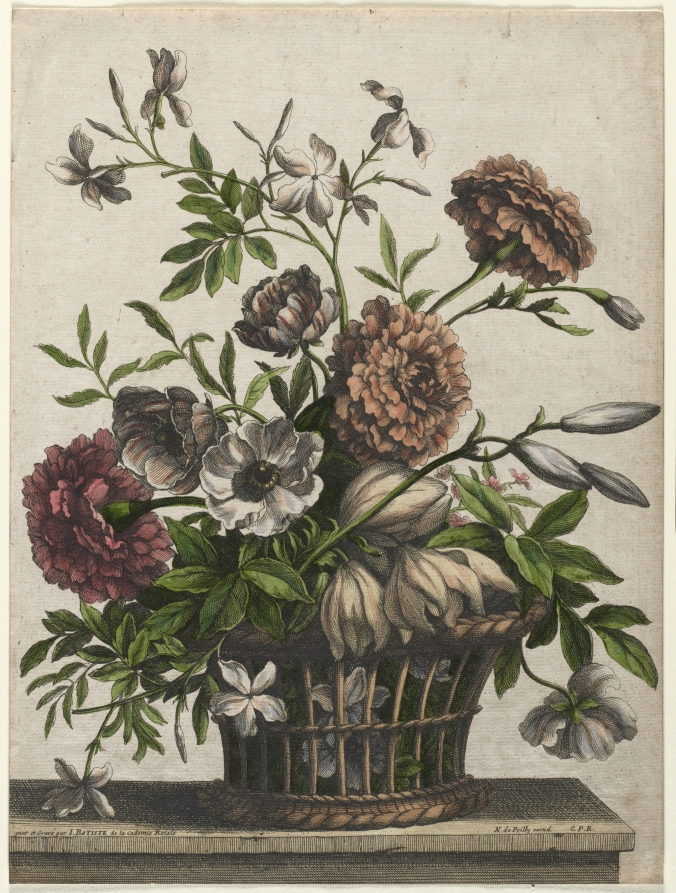 Jean-Baptiste I Monnoyer (French, c. 1636–1699) — Marigolds,
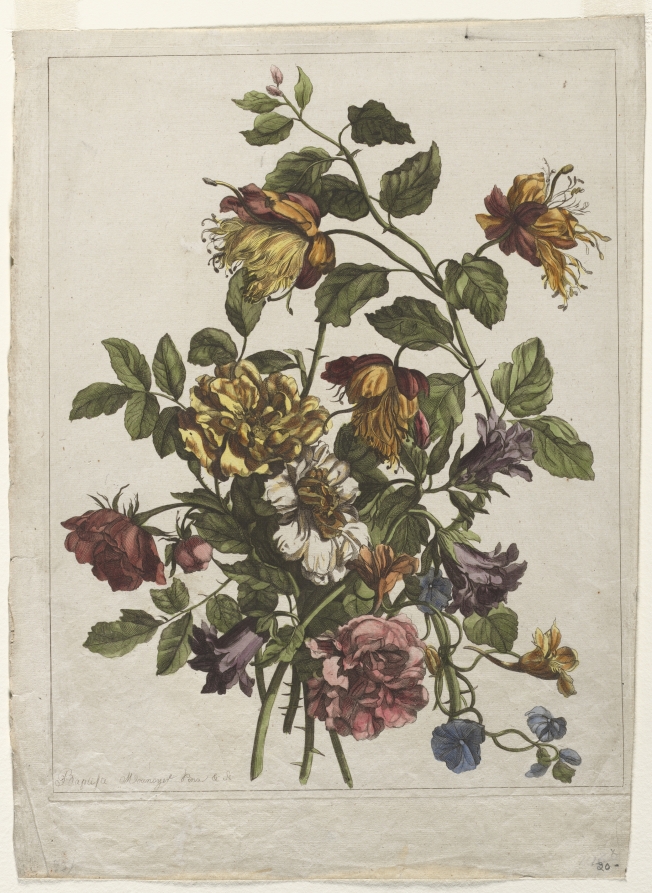 Jean-Baptiste I Monnoyer (French, c. 1636–1699) — Bouquet
 Jacob Marrel — Four Tulips: Boter man (Butter Man), Joncker