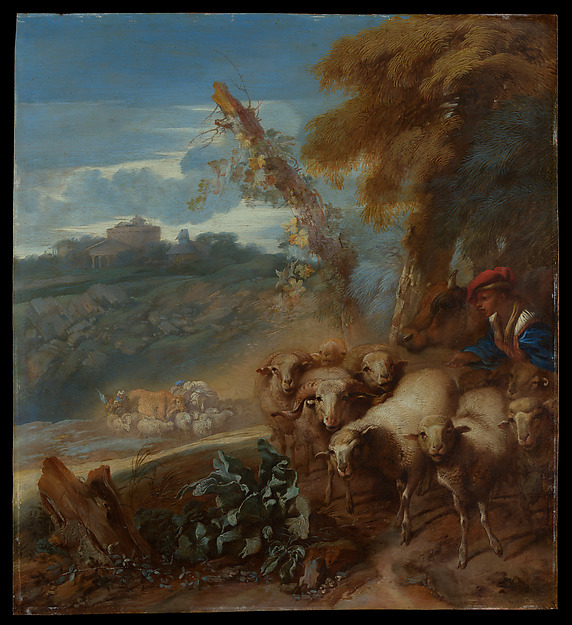
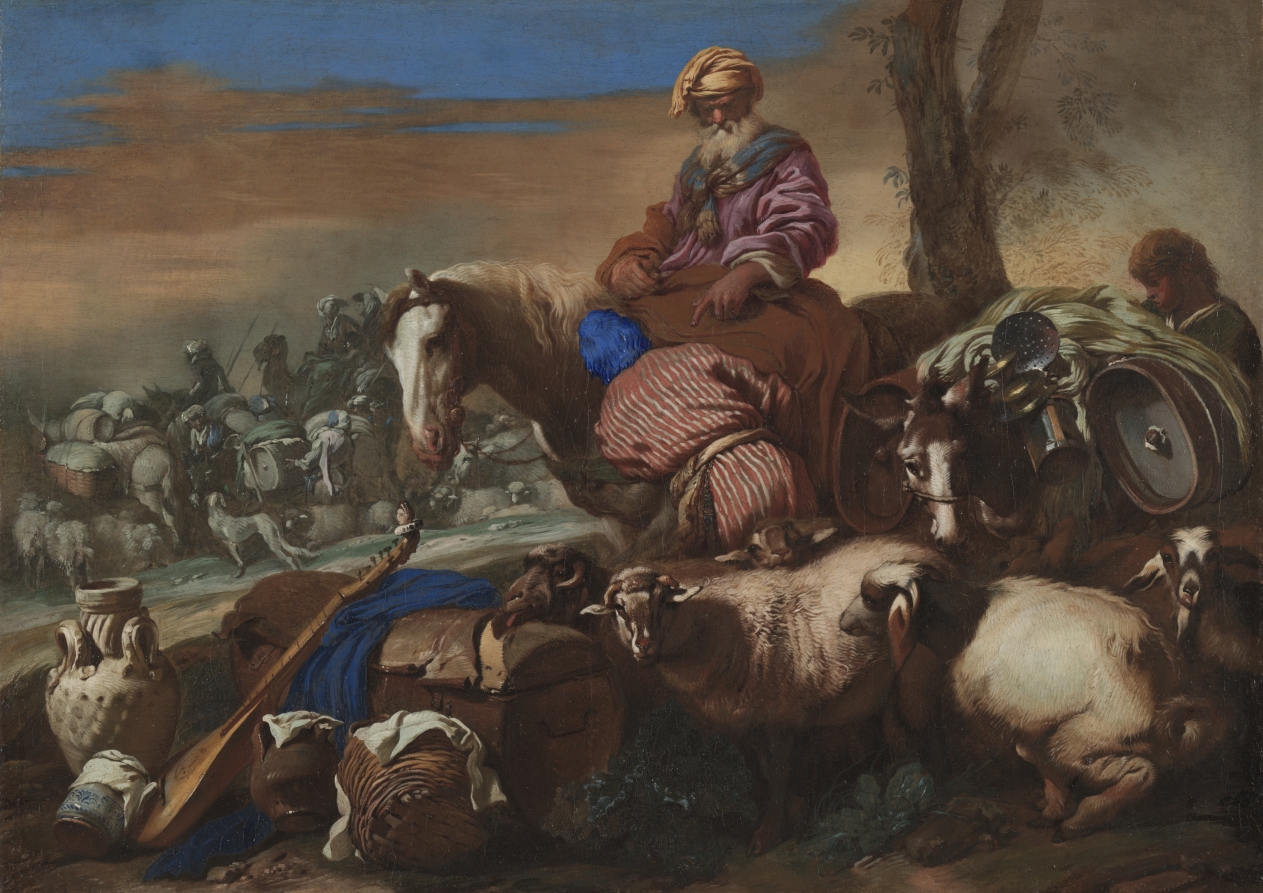
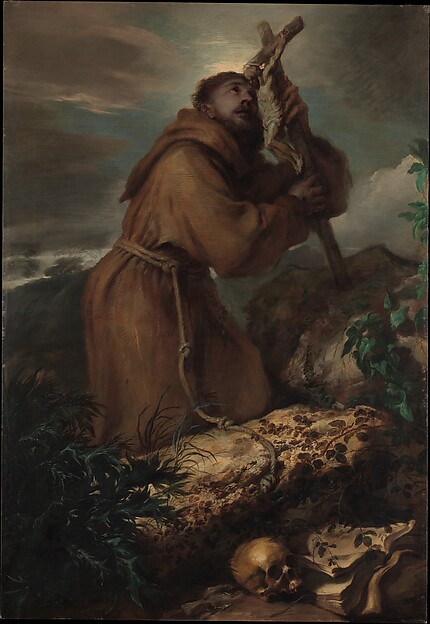
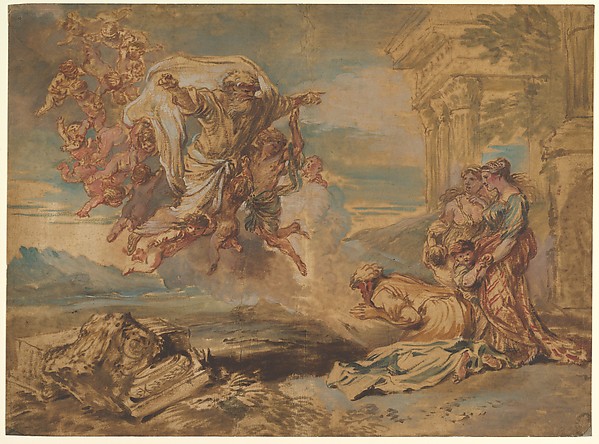
Giovanni Benedetto Castiglione
In the collection of The Metropolitan Museum of Art, New York — check current display status with the museum.
Be the first to share your thoughts.
Sign in to join the discussion.
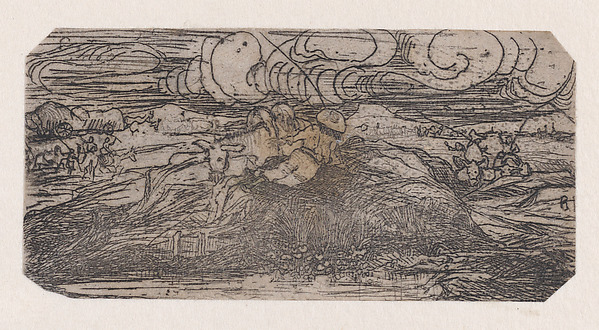 Rodolphe Bresdin — L'Homme à L'Âne (The Man with Donkey)
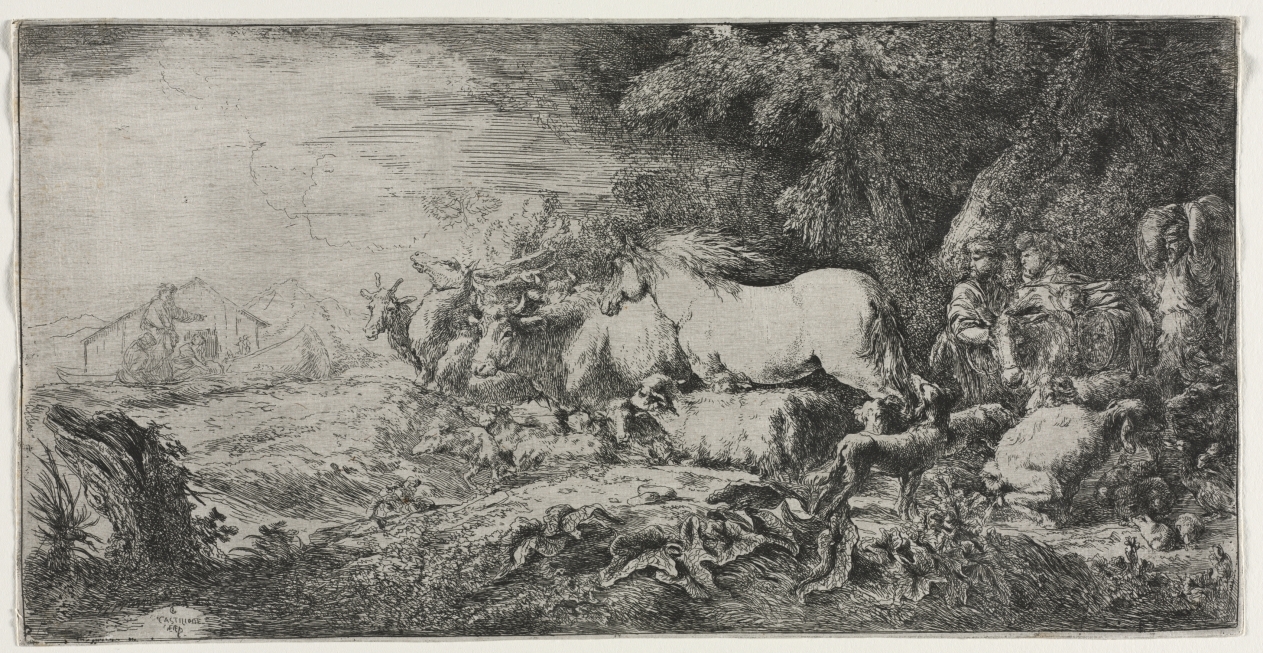 Giovanni Benedetto Castiglione (Italian, 1609–1664) — Noah a
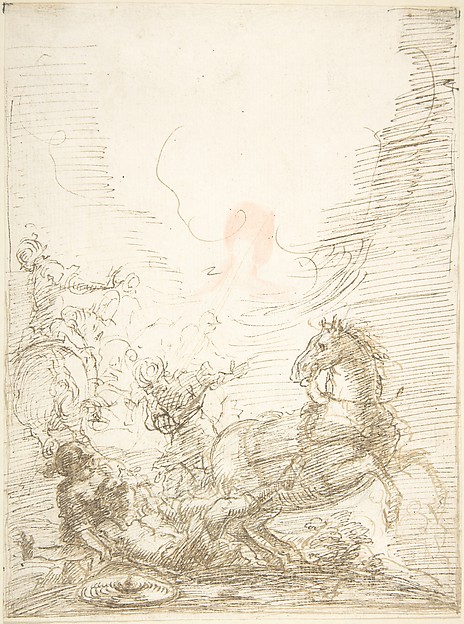 Anonymous, Spanish, School of Seville, 17th century — The Co
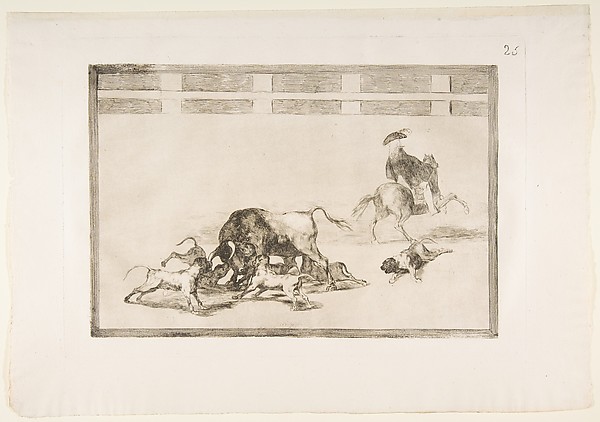 Goya (Francisco de Goya y Lucientes) — Plate 25 from "La Tau
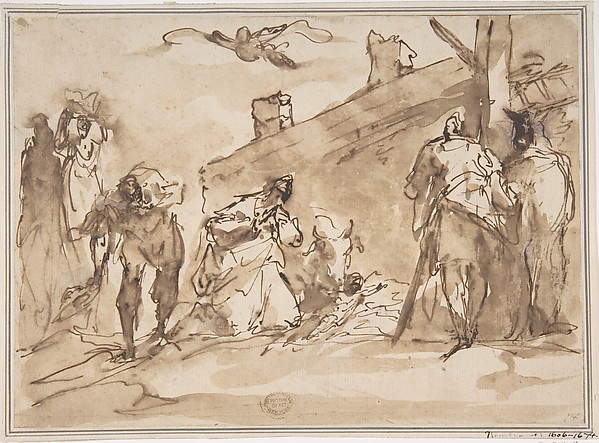 Anonymous, French, 17th century — Sketch for Adoration of th
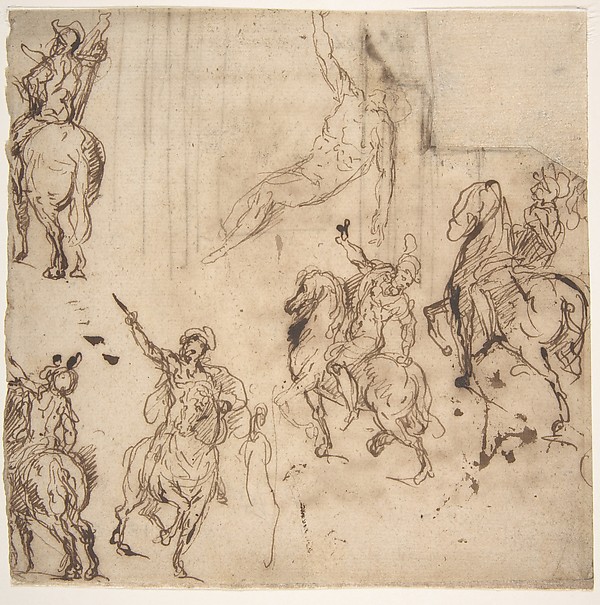 Jacopo Palma the Younger — Studies of Horsemen and Study of
 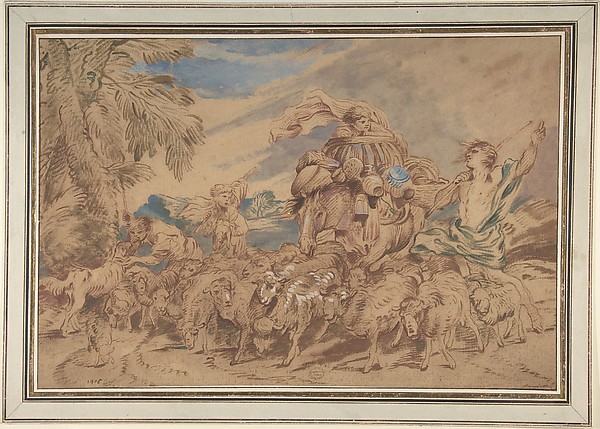 Giovanni Benedetto Castiglione (Il Grechetto)|Michel Corneil
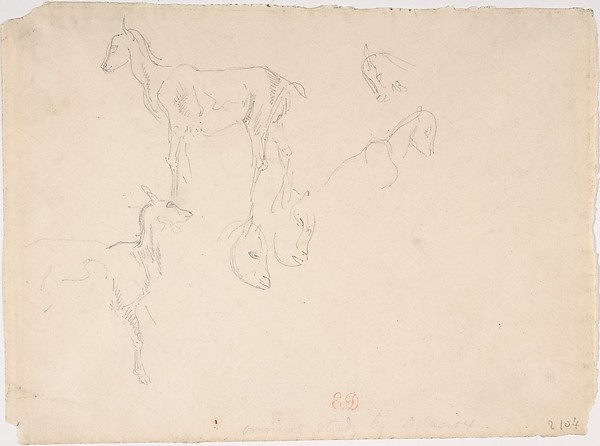 Eugène Delacroix — Studies of a Goat
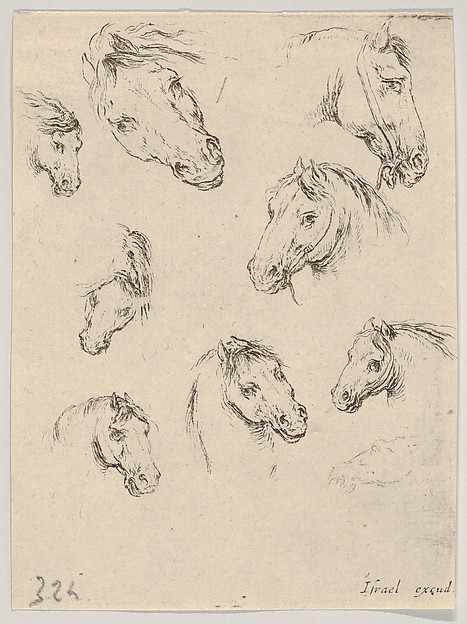 Stefano della Bella|Israël Henriet — Plate 17: Nine studies
 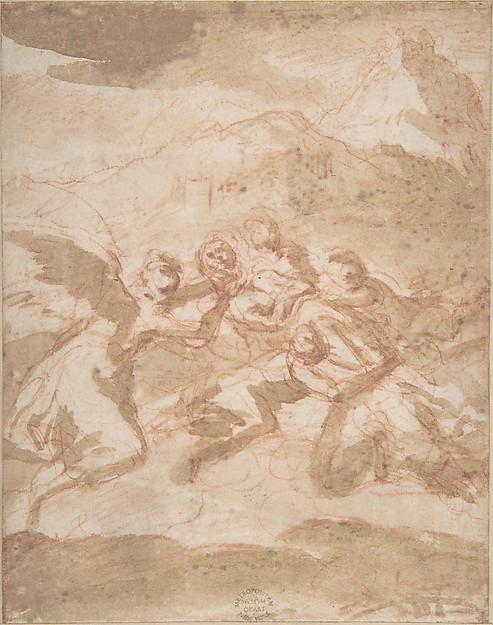 Anonymous, Italian, Roman-Bolognese, 17th century — Angels C
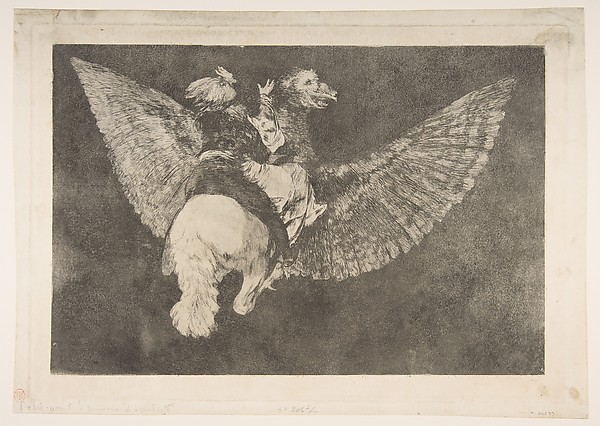 Goya (Francisco de Goya y Lucientes) — 'Flying Folly' from t
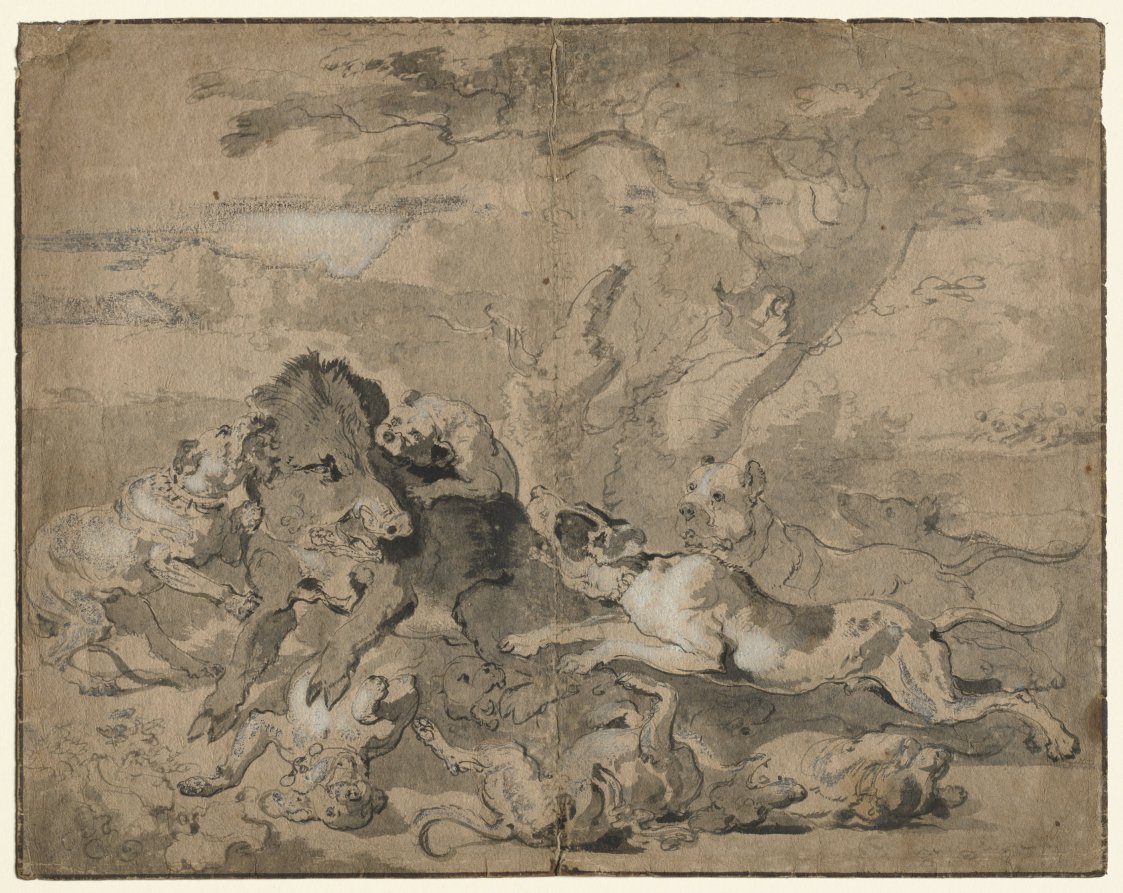 Abraham Hondius (Dutch, c. 1625–1695) — Boar Hunt