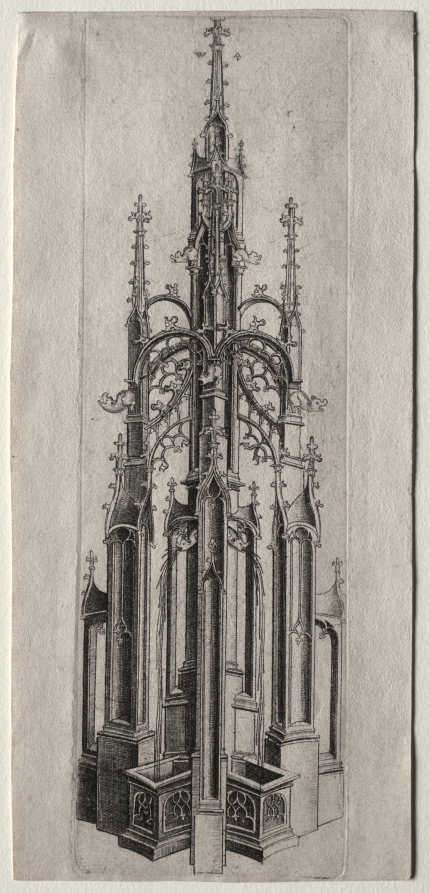
In the collection of Cleveland Museum of Art, Cleveland — check current display status with the museum.
FROM THE CLEVELAND MUSEUM OF ART’S CATALOG
The impression of the oak leaf is unique, as are the other nine leaf ornaments engraved by this master.
Be the first to share your thoughts.
Sign in to join the discussion.
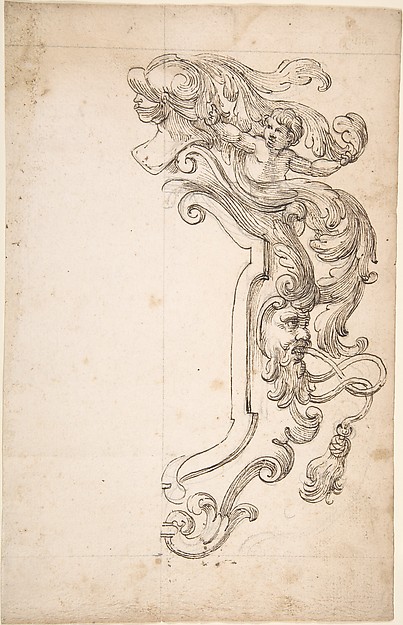 Anonymous, Italian, 17th century — Design for Half of Frame
 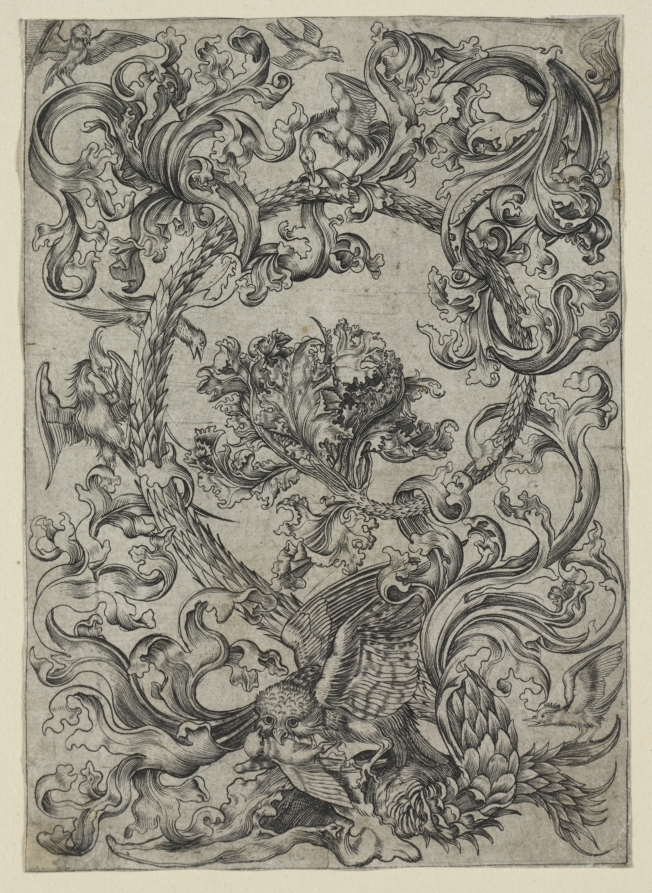 Ornamental Foliage, with an Owl and other Birds
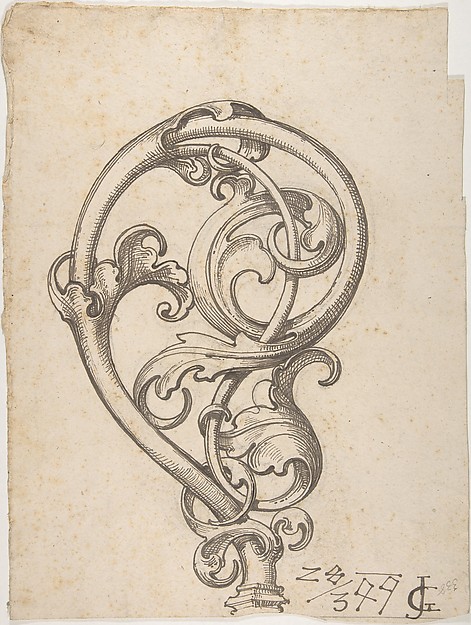 J. Gruenwald — Gothic Leaf Scroll (Top of a Crozier?)
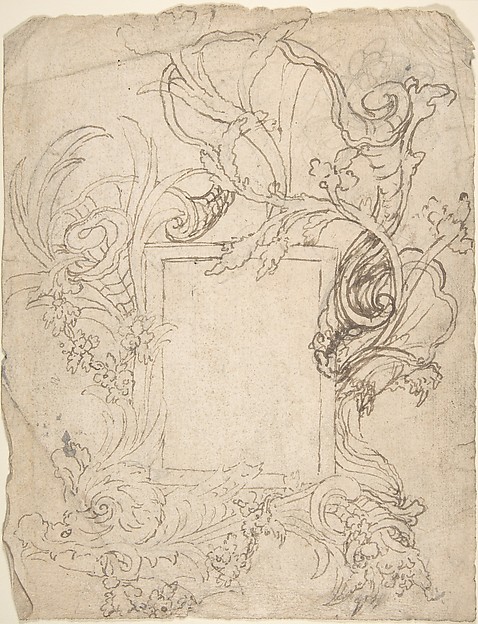 Anonymous, Italian, 16th to early 17th century — Design for
 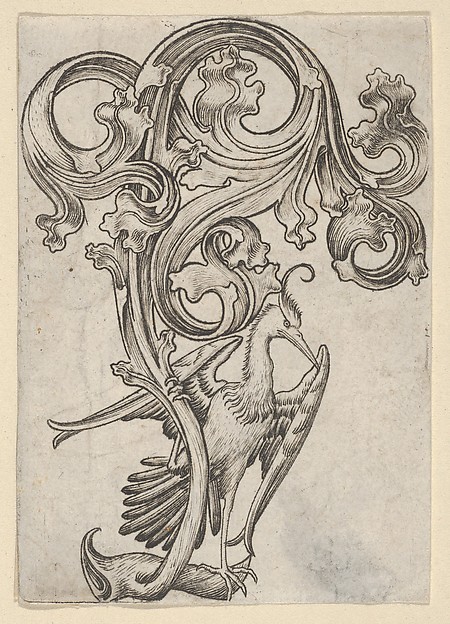 Master ES — Leaf-ornament with a Heron
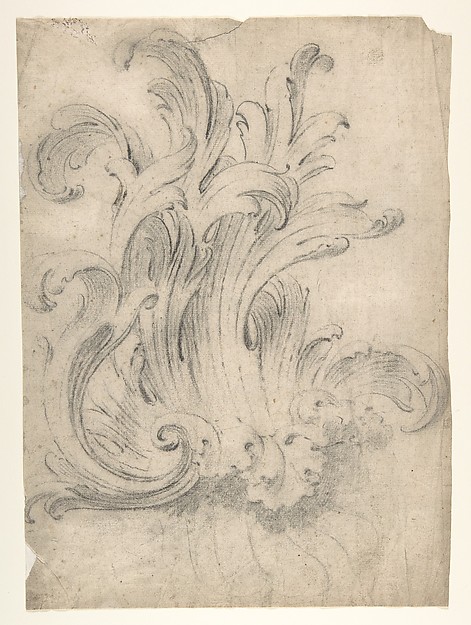 Anonymous, French, 18th century — Ornament design
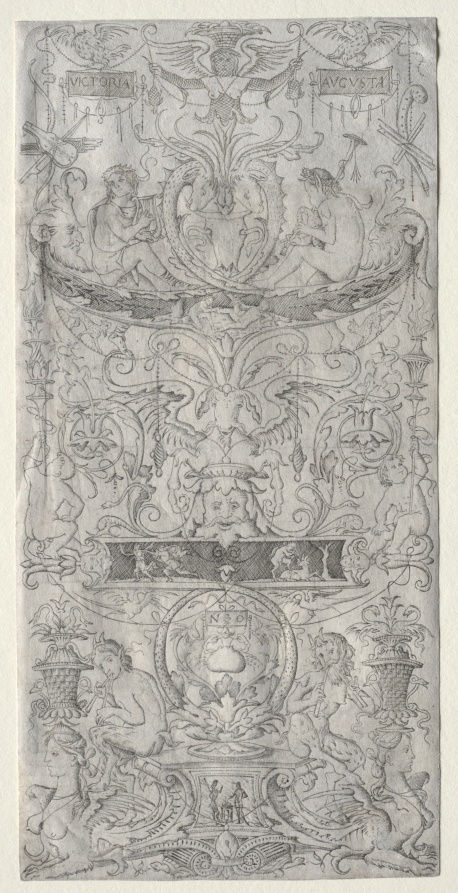 Nicoletto da Modena (Italian, active c. 1500–1520) — Panel o
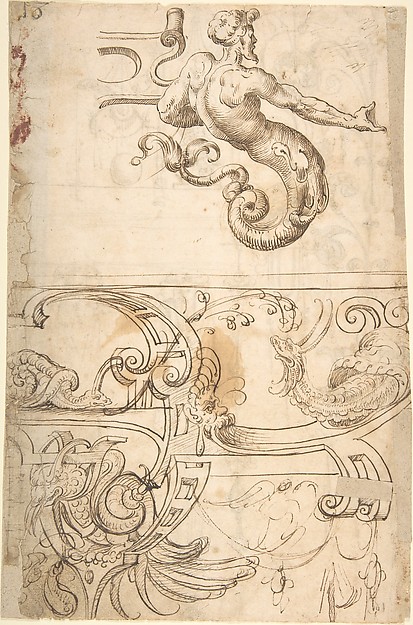 Andrés de Melgar — Various Designs of Strapwork and Grotesqu
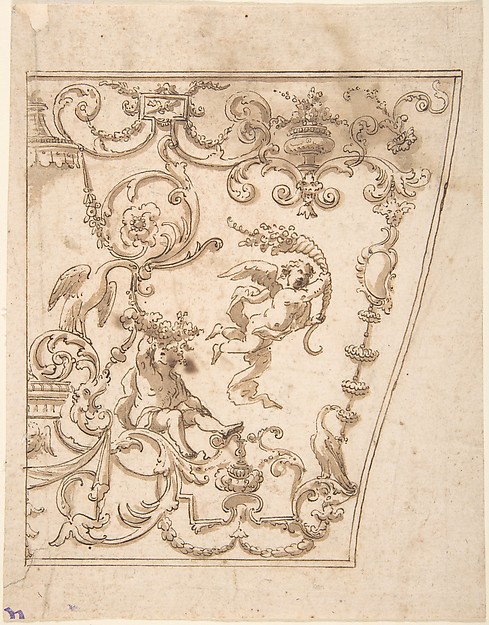 Giovanni Larciani ("Master of the Kress Landscapes") — Desig
 Alessandro Paganino — Libro quarto. De rechami per elquale s
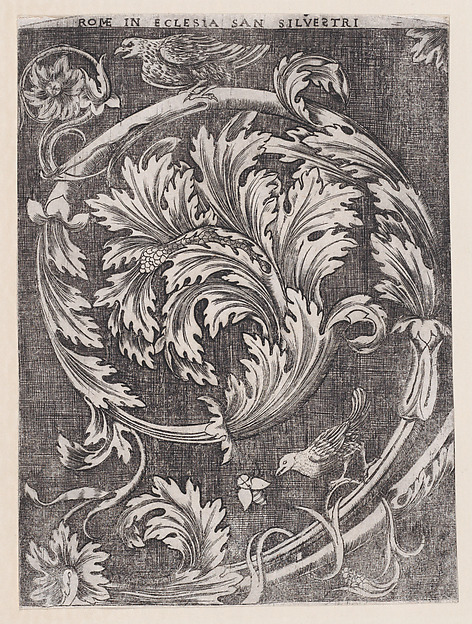 Anonymous, Italian, 16th to early 17th century|Agostino Vene
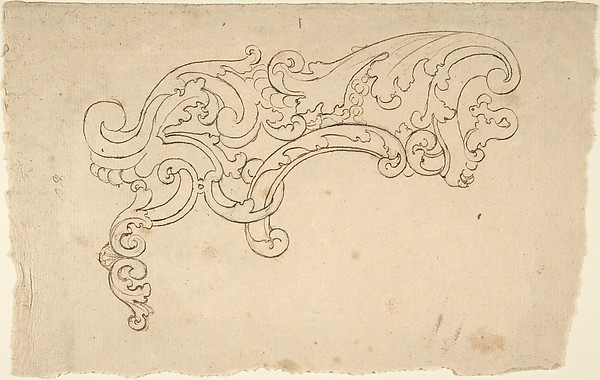 Anonymous, Italian, Piedmontese, 18th century — Design of Sc