In the collection of Cleveland Museum of Art, Cleveland — check current display status with the museum.
FROM THE CLEVELAND MUSEUM OF ART’S CATALOG
George Bellows made this lithograph as an illustration for an article in support of Prohibition published in Good Housekeeping by American suffragist Mabel Potter Daggett. Supporters of Prohibition, which had gone into effect in 1920, believed that alcohol was responsible for many societal problems, including physical violence. In this distressing image, a drunken father confronts his wife with a fist, while a daughter steps in to help and children cower in the corner. Bellows’s strong triangular composition reveals his fascination with an artistic theory called “dynamic symmetry,” in which geometry is used to promote continuity, flow, and balance.
Be the first to share your thoughts.
Sign in to join the discussion.
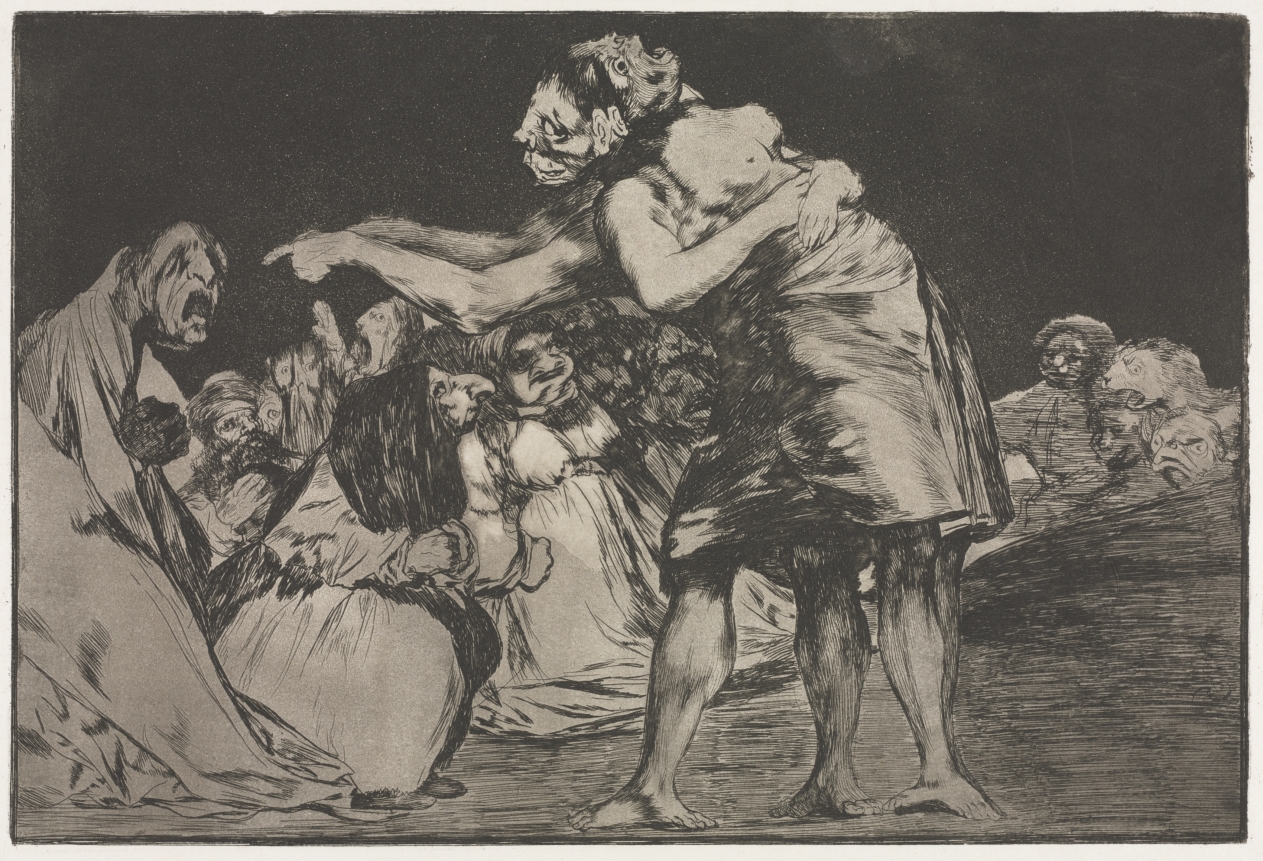 Francisco de Goya (Spanish, 1746–1828) — The Proverbs: Matr
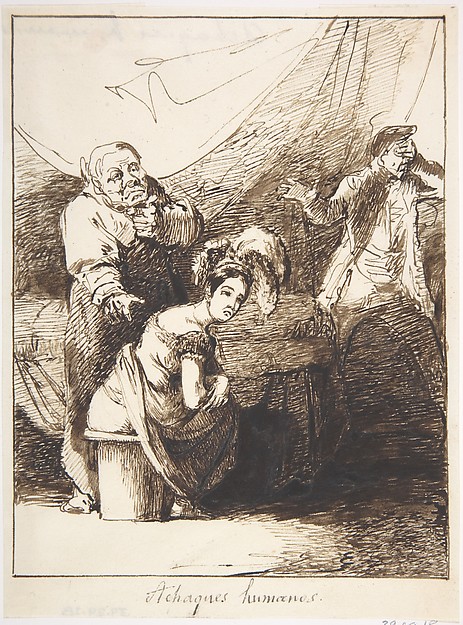 Leonardo Alenza y Nieto — Human Ailments ("Achaques humanos"
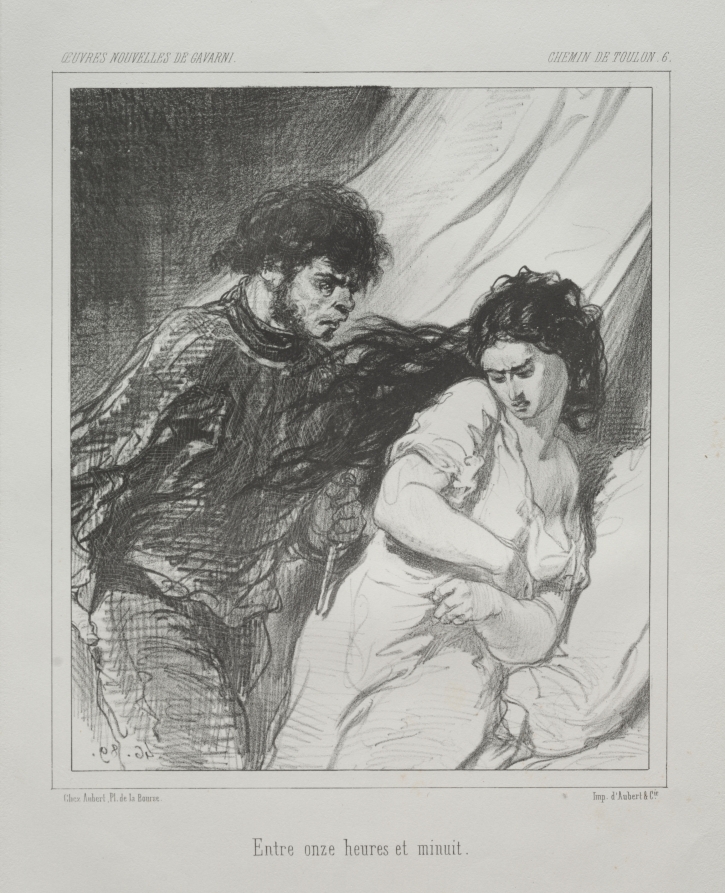 Paul Gavarni (French, 1804–1866) — Chemin de Toulon
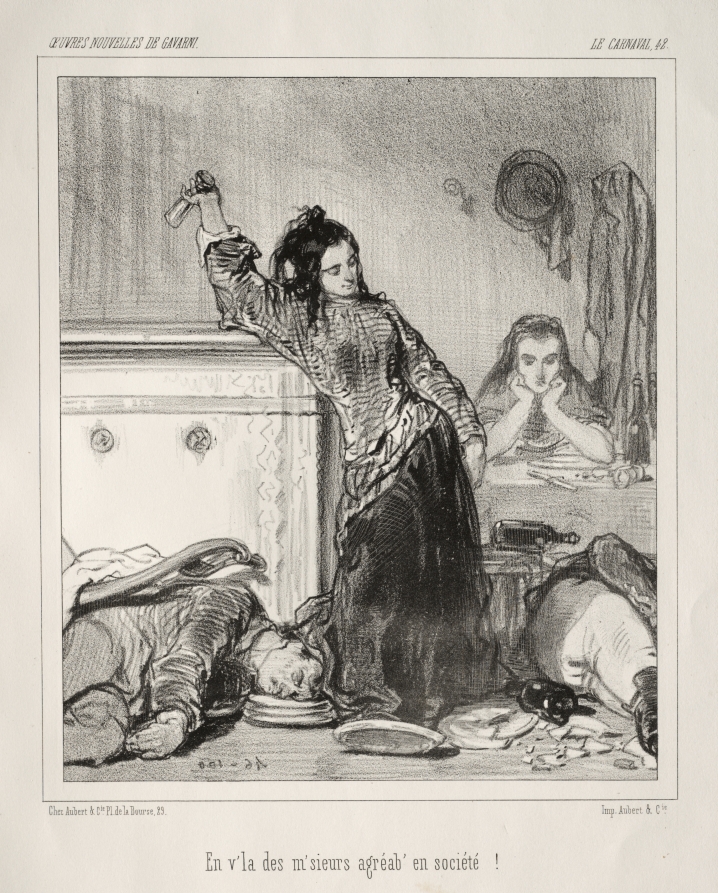 Paul Gavarni (French, 1804–1866) — Carnaval
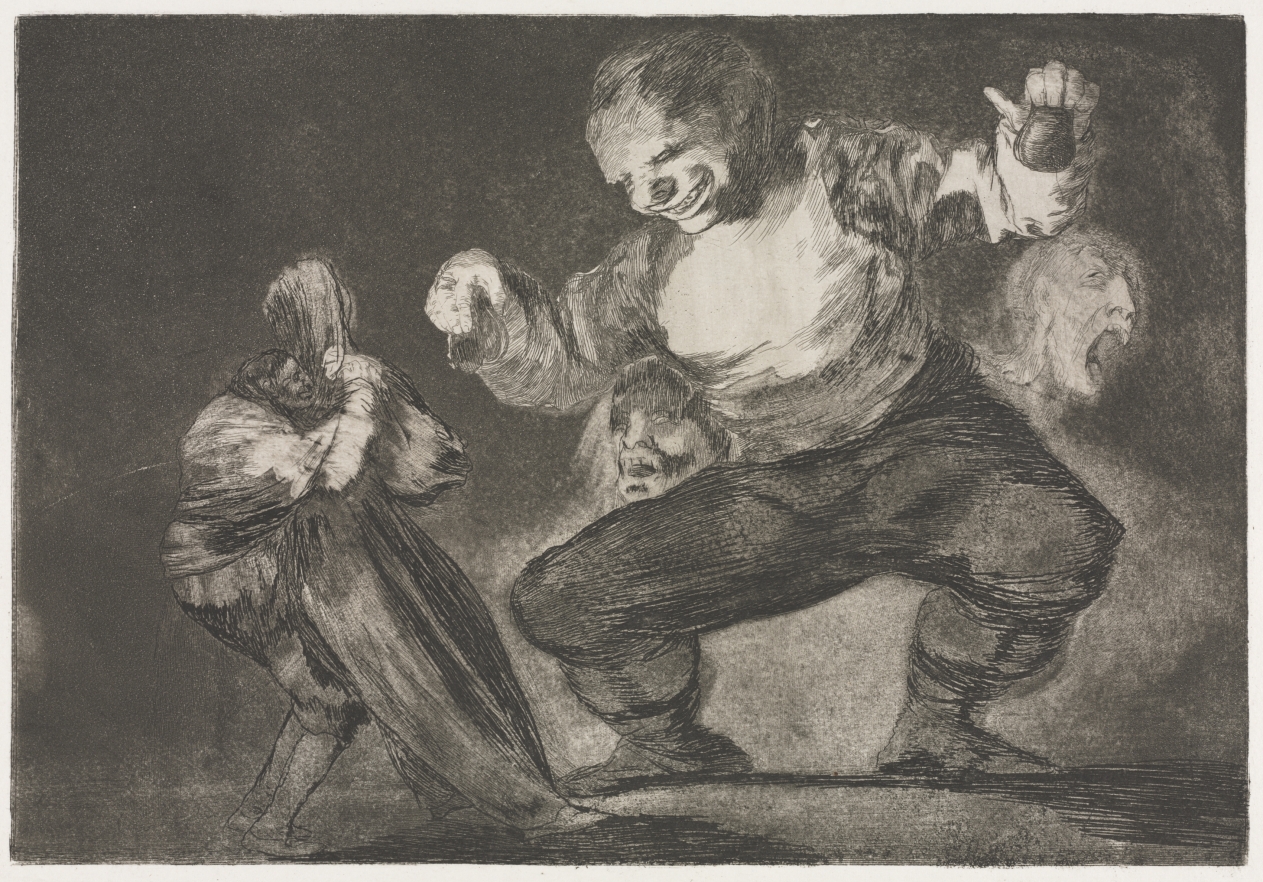 Francisco de Goya (Spanish, 1746–1828) — The Proverbs: Simp
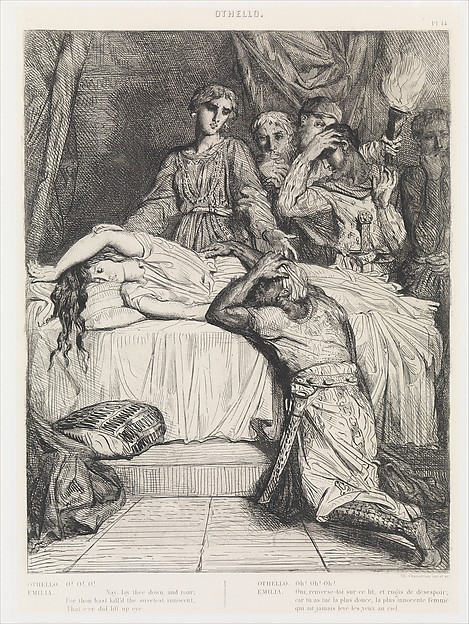 Théodore Chassériau|William Shakespeare — "Oh! Oh! Oh!": pla
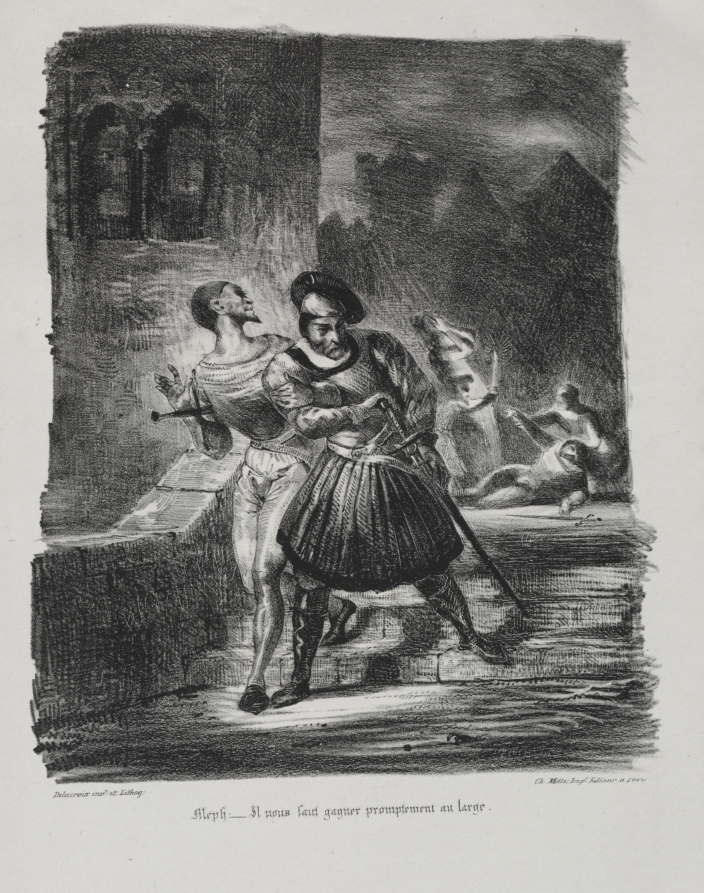 Eugène Delacroix (French, 1798–1863) — Illustrations for Fau
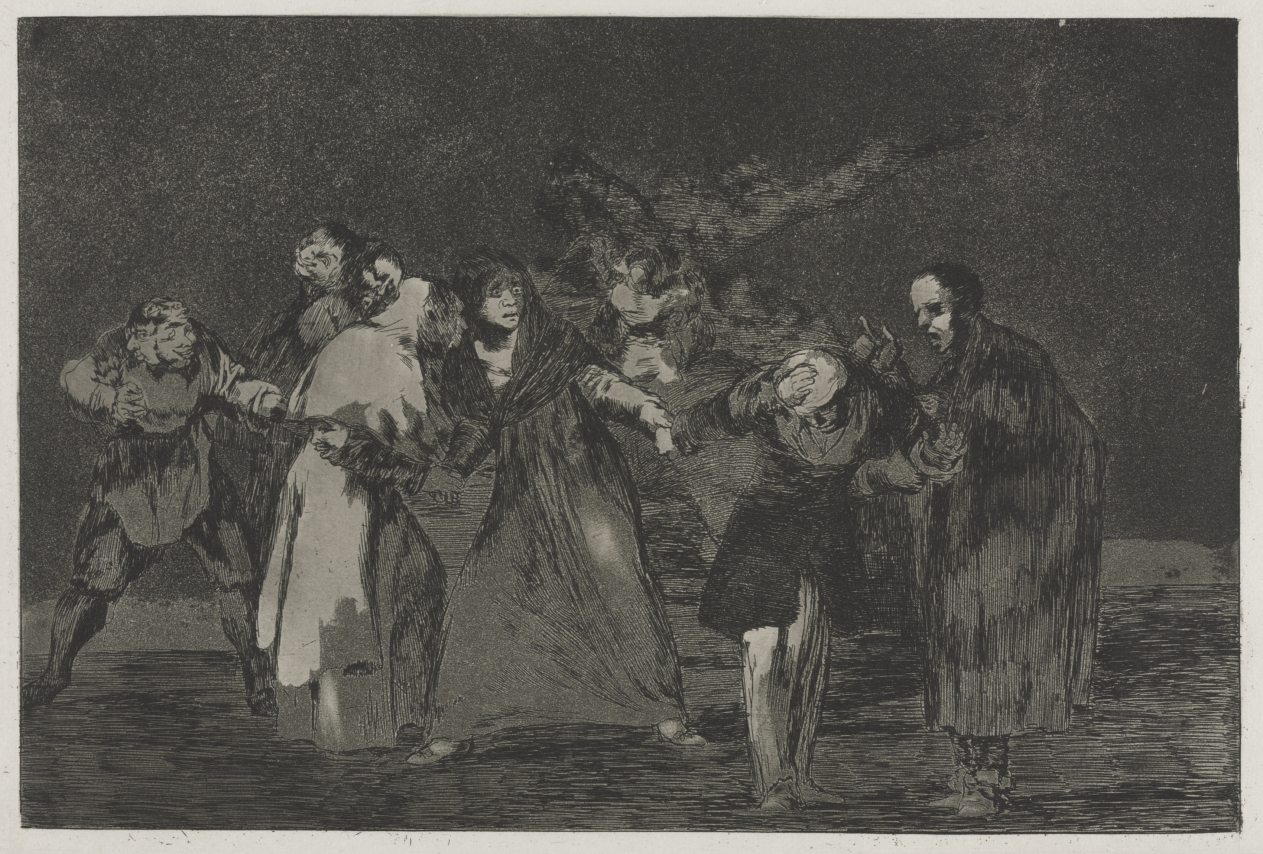 Francisco de Goya (Spanish, 1746–1828) — The Proverbs: Woun
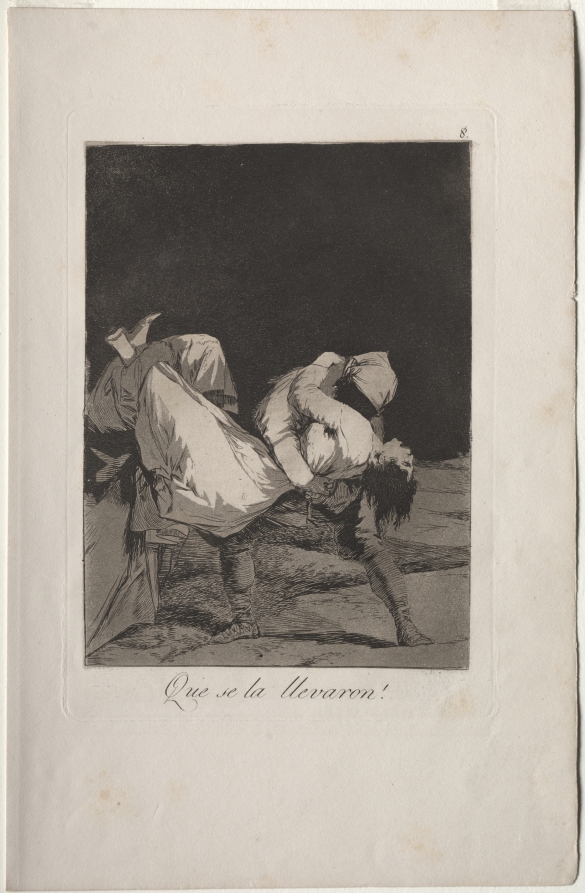 Francisco de Goya (Spanish, 1746–1828) — They Carried Her Of
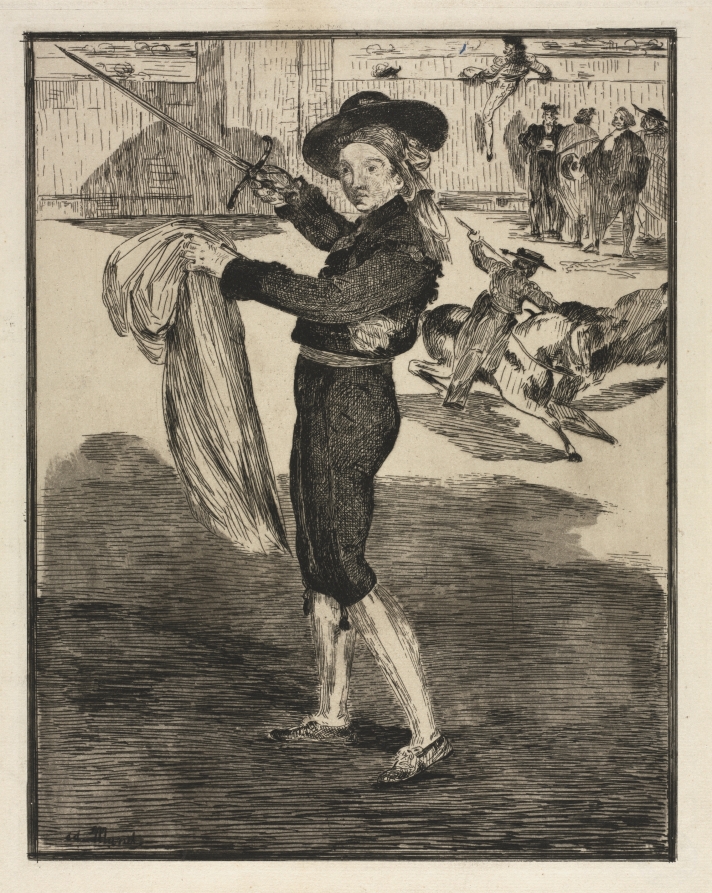 Édouard Manet (French, 1832–1883) — Mlle. Victorine in the C
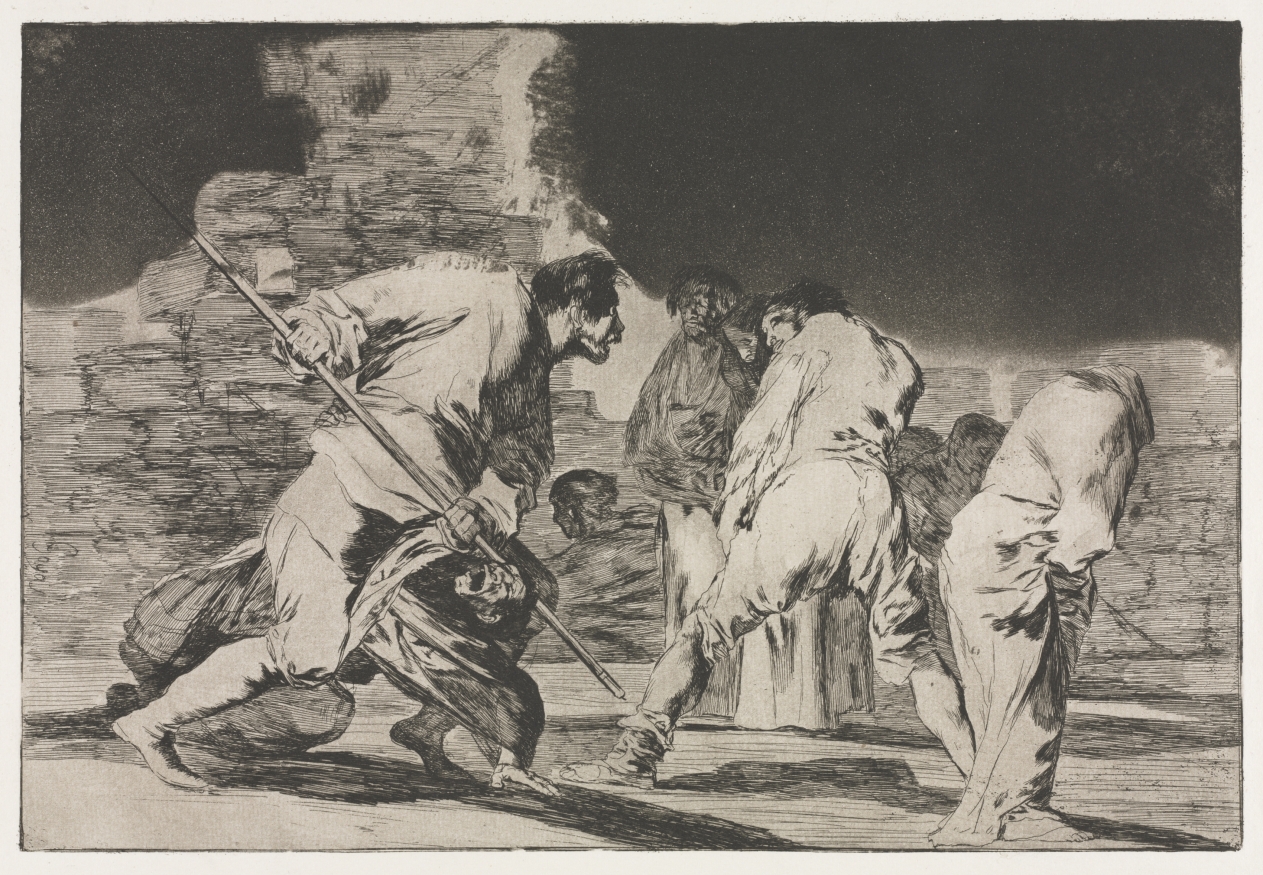 Francisco de Goya (Spanish, 1746–1828) — The Proverbs: The
 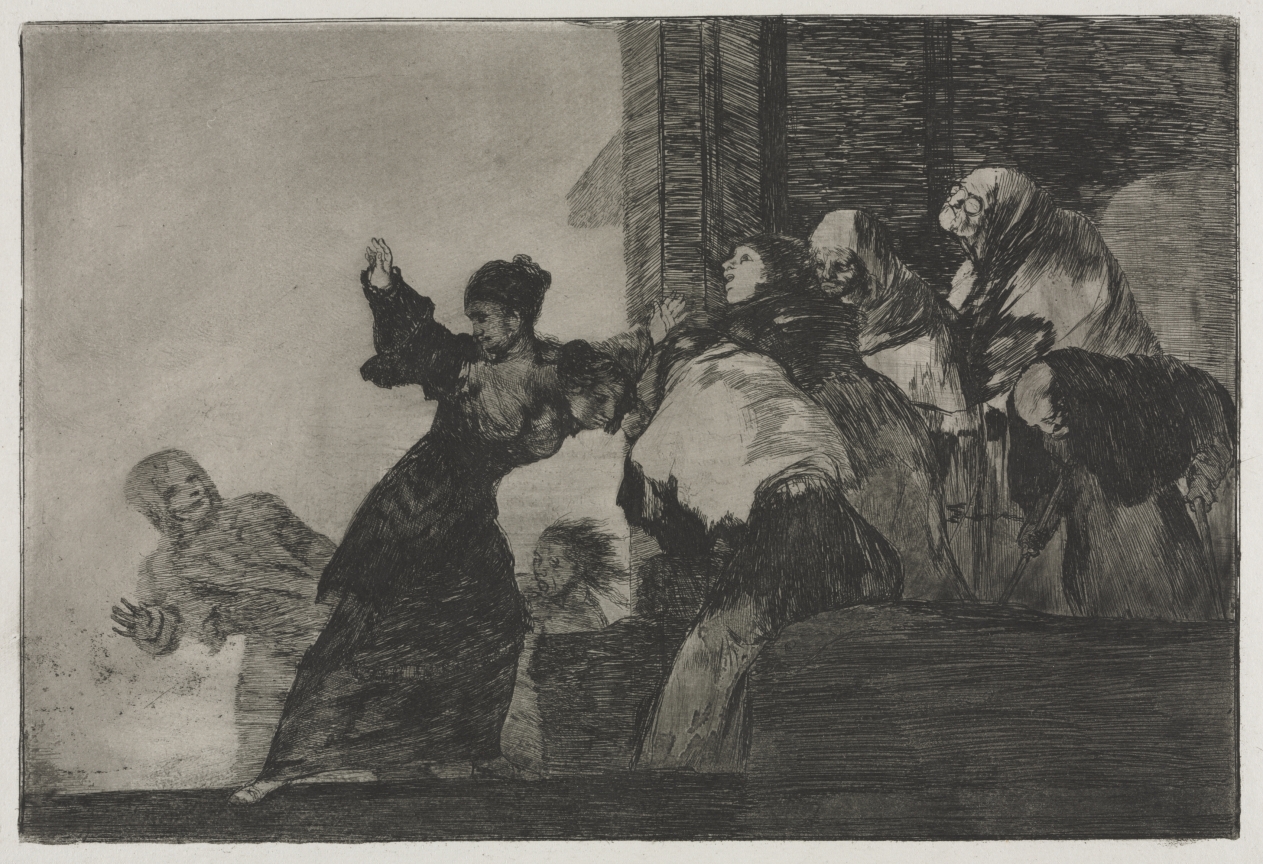 Francisco de Goya (Spanish, 1746–1828) — The Proverbs: Poor


