FROM THE CLEVELAND MUSEUM OF ART’S CATALOG
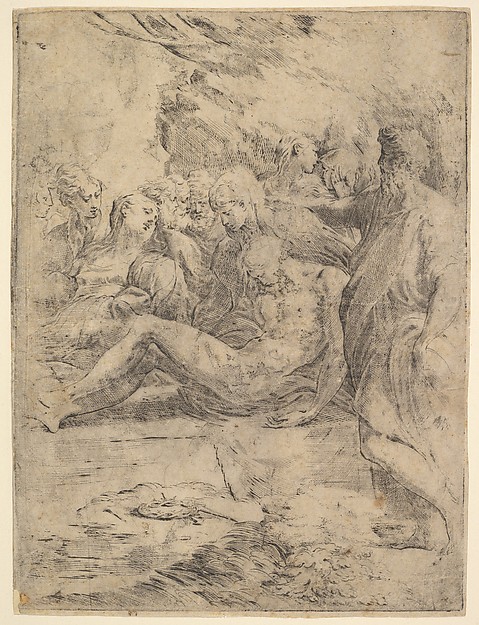
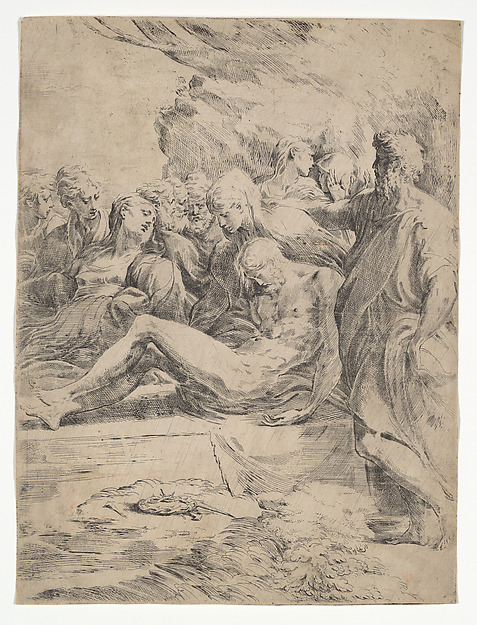
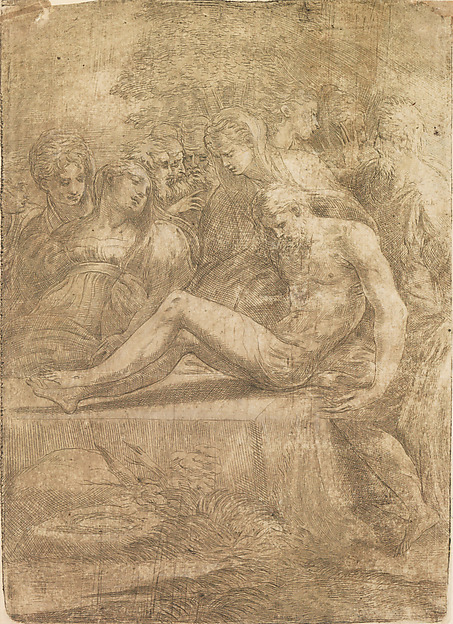
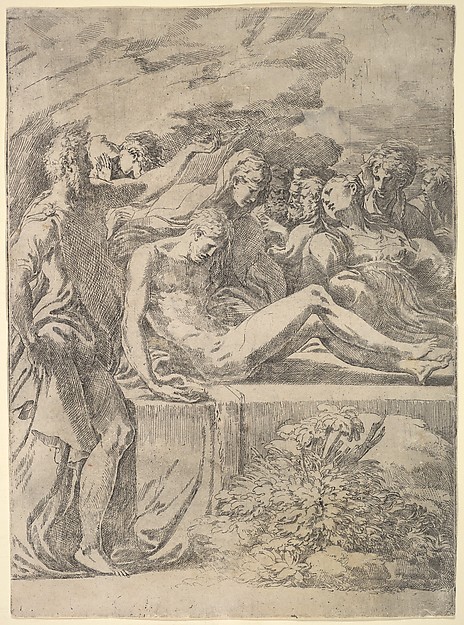
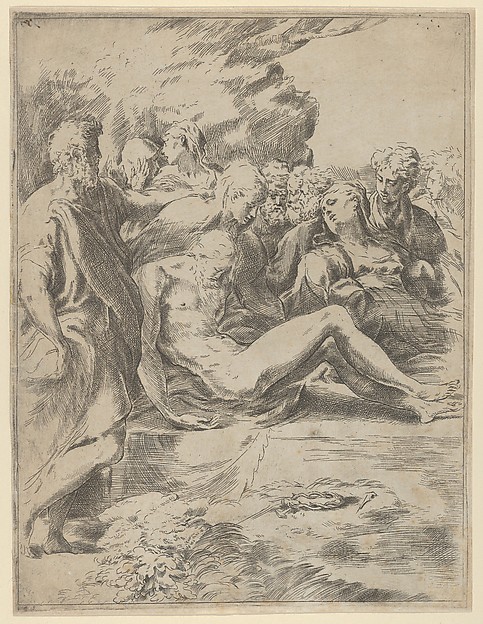
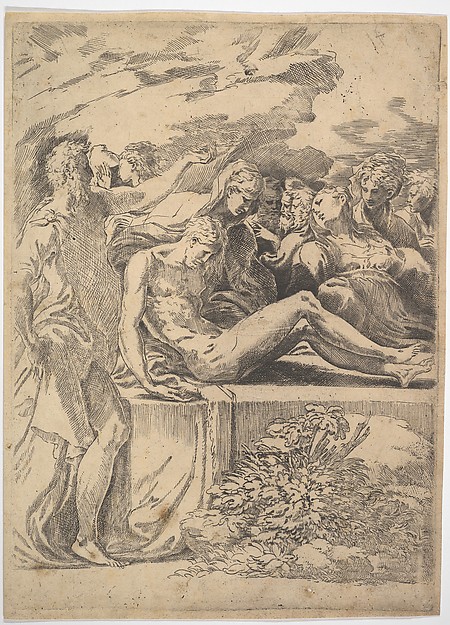
One of the most important Mannerist painters, Parmigianino was the first artist to exploit the fluid, expressive potential of etching. The graphic vocabulary of the day (derived from engraving techniques) consisted of parallel and cross-hatched lines. Etching, a new technique developed around 1510, freed the artist from both the traditional vocabulary of engraving and dependence on reproductive printmakers. Parmigianino used the medium to convey the grace and spontaneity of his pen and ink drawings. Of the twenty etchings attributed to him, this is generally considered his masterpiece.
Source ↗︎
Be the first to share your thoughts.
 Virgin and Child with Saint John the Baptist and Mary Magdal
 Madonna with child
 Nativity
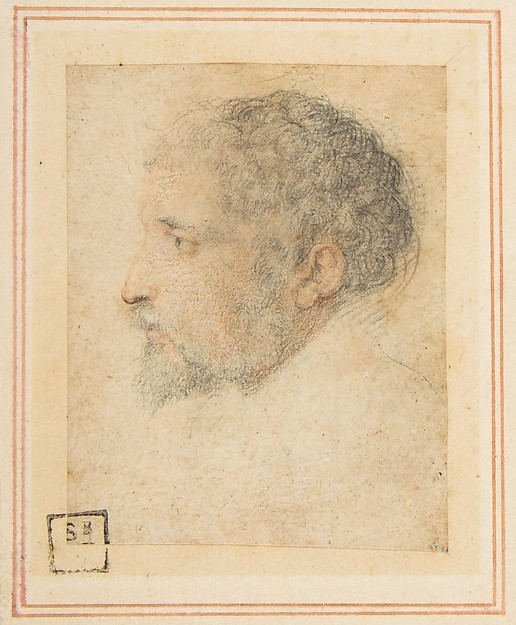 Head of man in Profile to Left
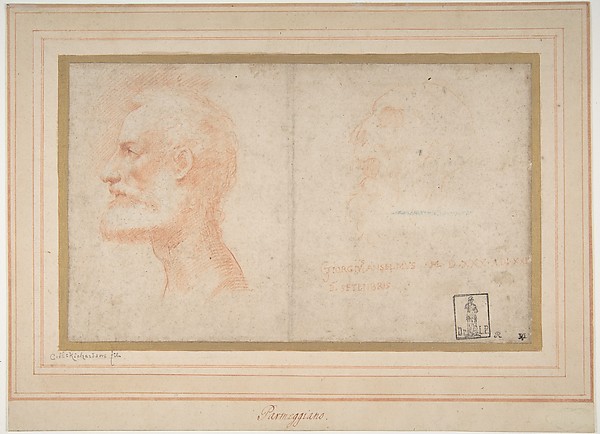 Head of a Bearded Man in Profile to Left, possibly the Portr
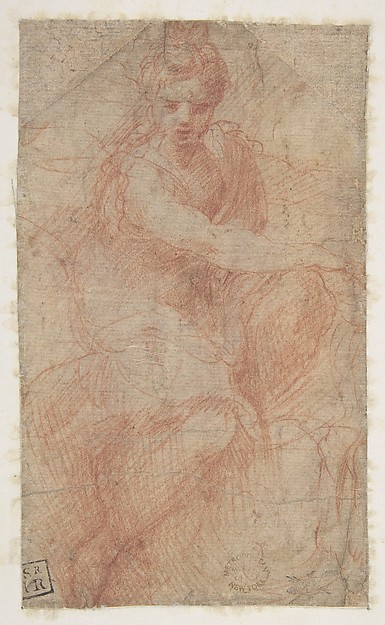 Seated Goddess Diana (recto); Studies of a Nude Male Torso S
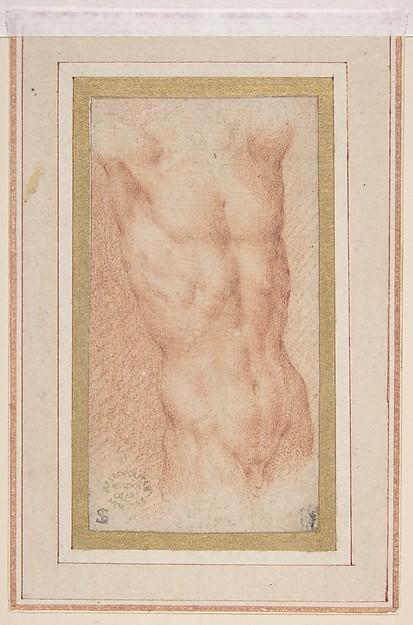 Male Nude Torso with Raised Arms
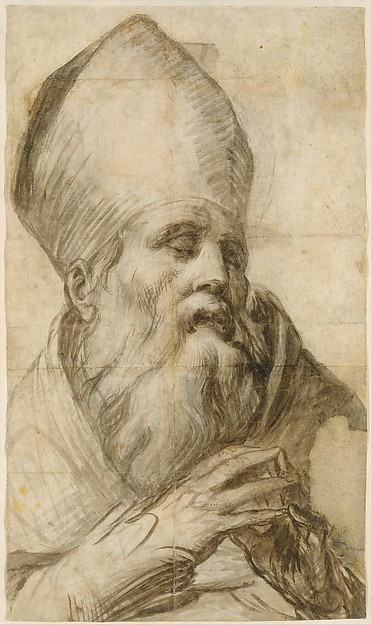 Bishop Saint in Bust-Length (Cartoon for an Altarpiece)