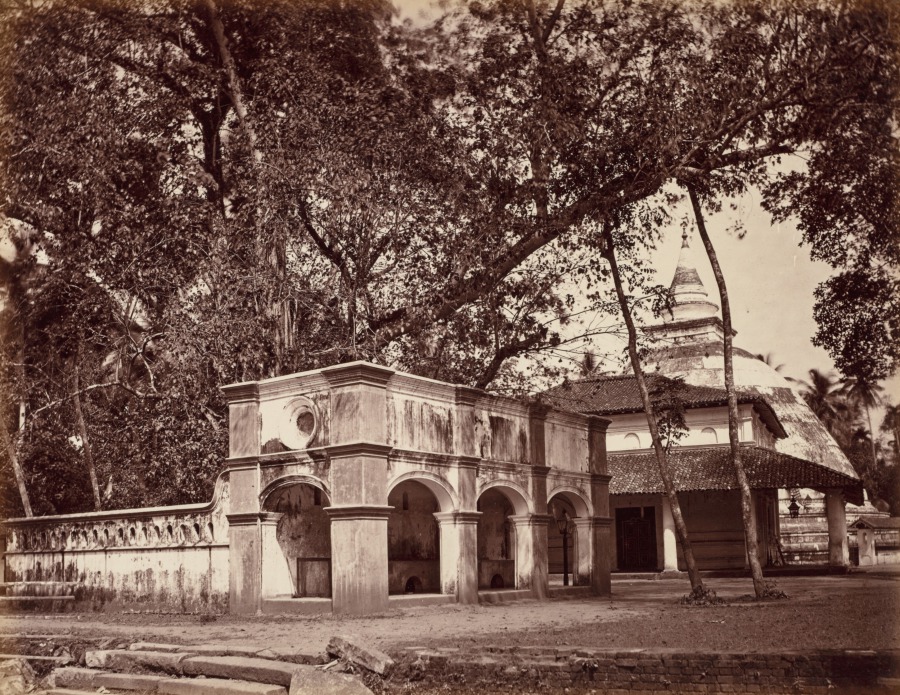
FROM THE CLEVELAND MUSEUM OF ART’S CATALOG
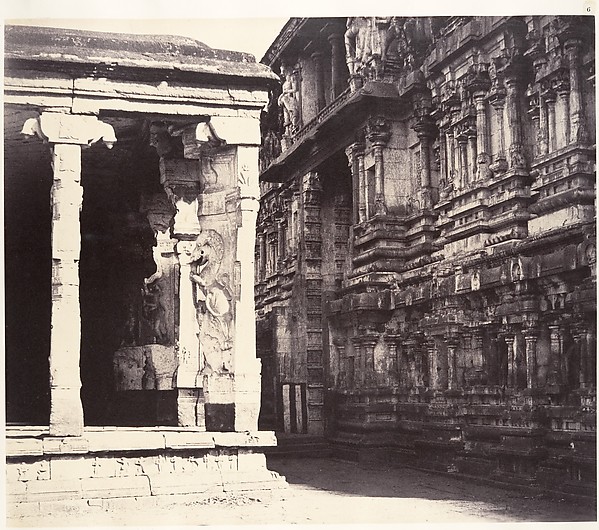
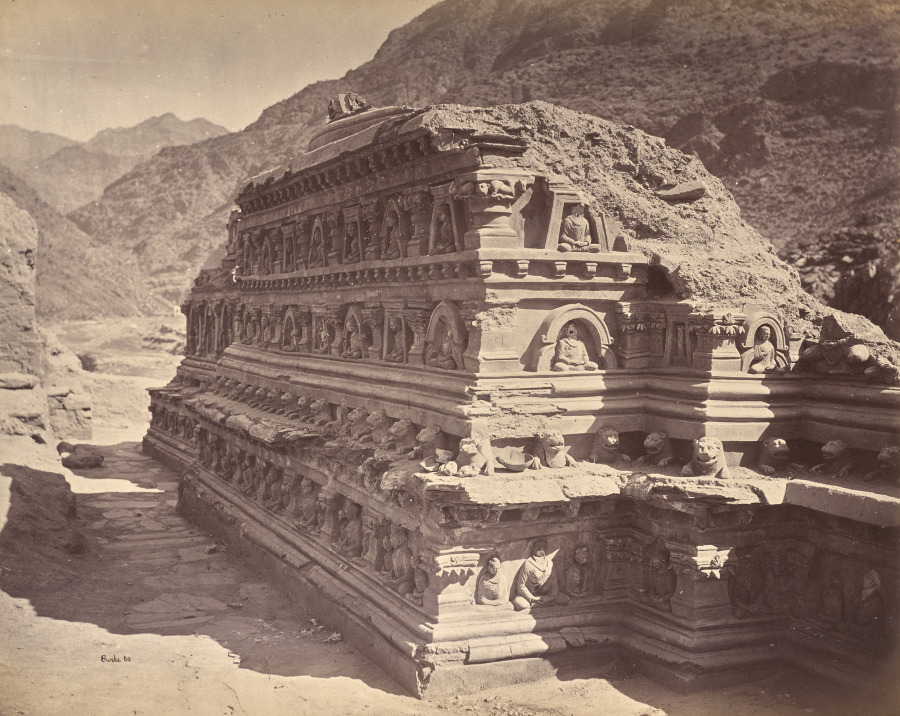
One of the most important British expeditionary photographers, Samuel Bourne was propelled by his great desire to travel to lovely, remote locations and to record images of what he considered picturesque. From 1863 to 1869, he worked widely in India, making three major expeditions to the Himalayas. This exquisite photograph of the decaying Temple of Naveshera was taken on his nine-month, second journey to this stunning, mountainous terrain. He balanced the ordered, constructed architectural forms with glimpses of the majestic natural landscape. Bourne included a few people in the scene to add a sense of scale, but they are incidental to the subject matter and symbolism of the photograph, which stresses the dominance of natural forces.
Source ↗︎
Be the first to share your thoughts.
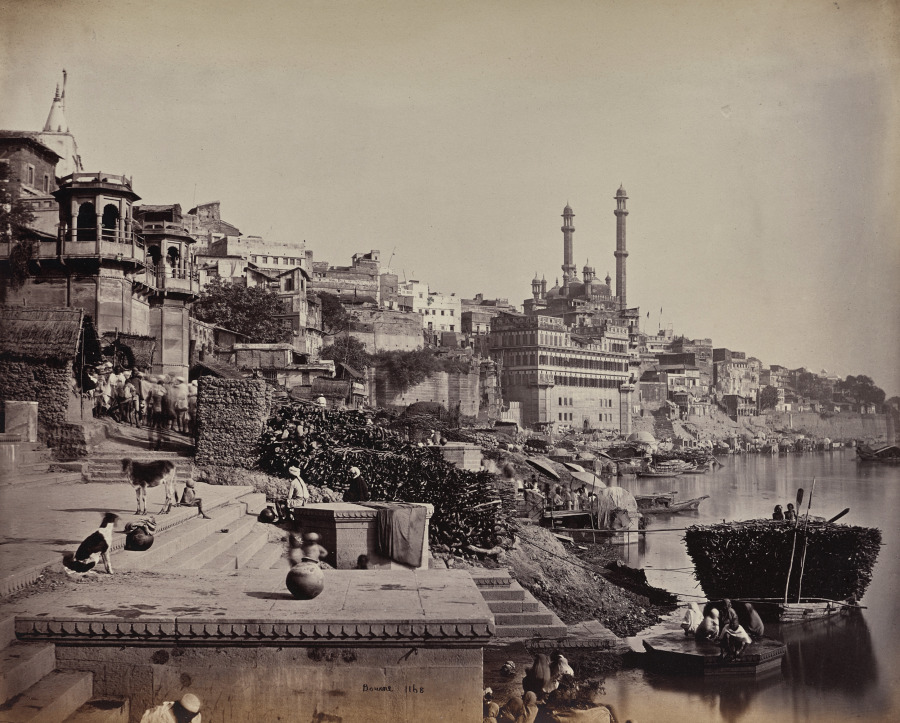 The City of Benares, on the Ganges, View of the Great Mosque
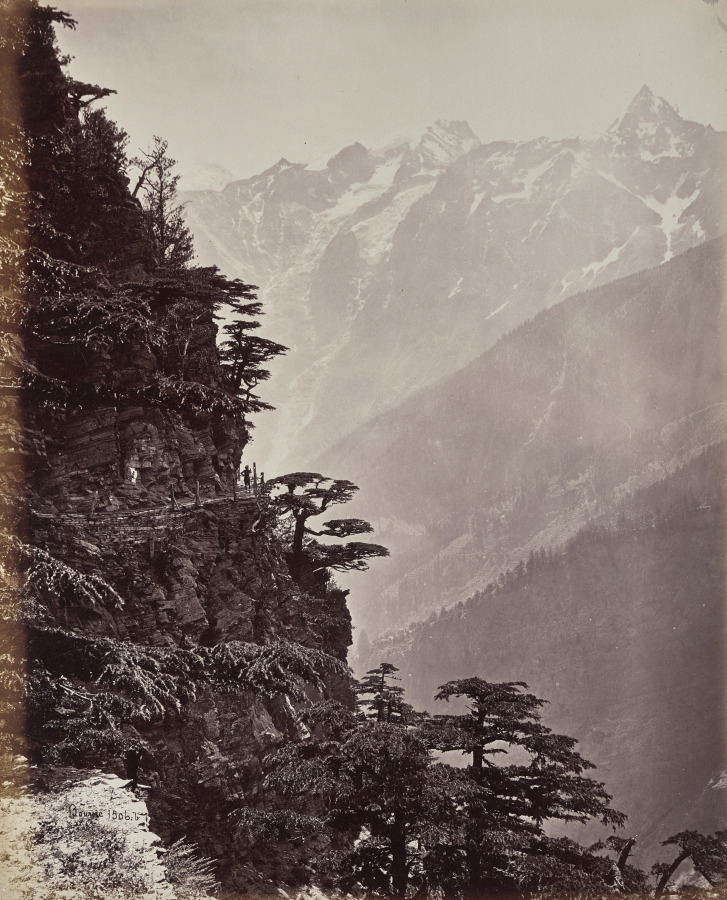 The Upper Himmalayahs. View on the New Road Near Rogi
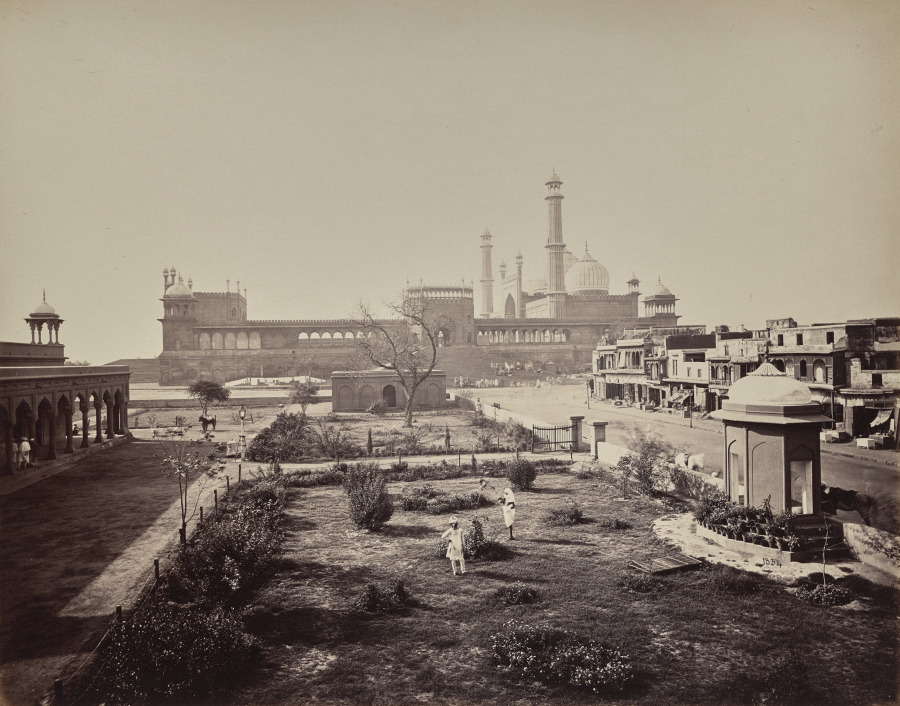 Delhi. View of North Side of the Jamma Musjid in Principal M
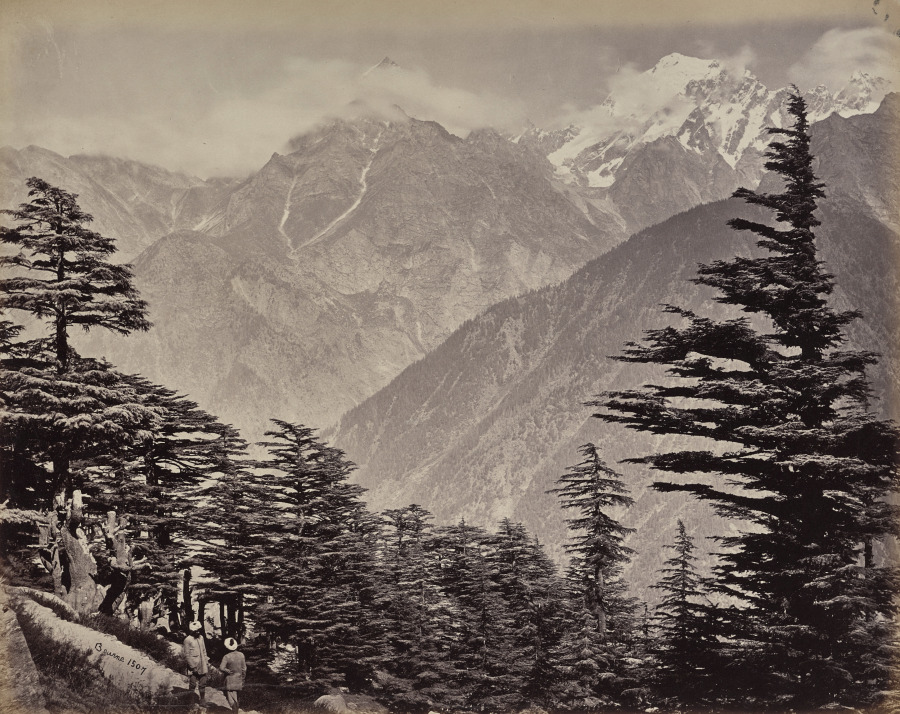 The Upper Himmalayahs. View Near China Mountains. Deoders in
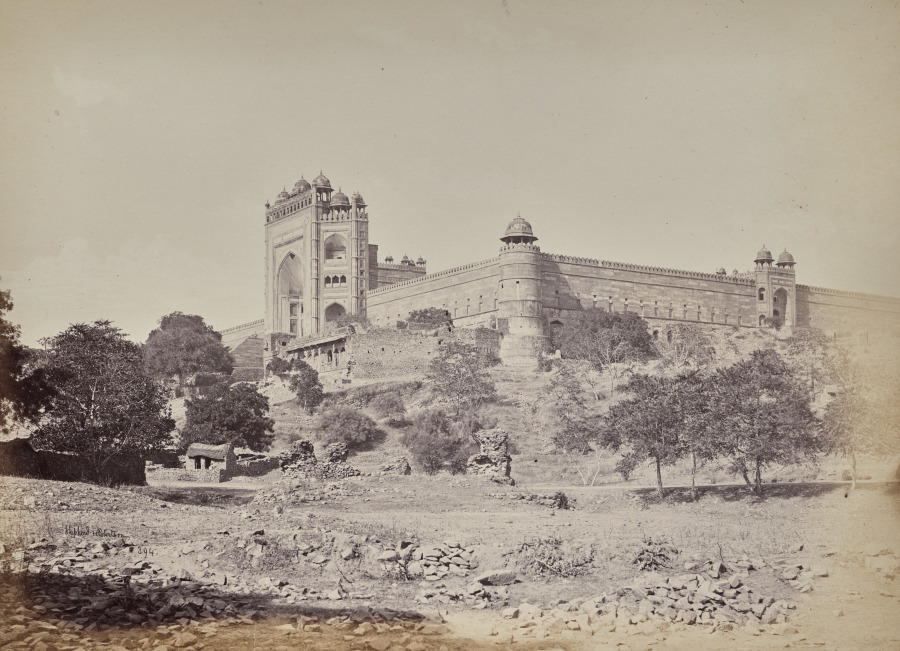 Fort of Futheypoor Sikre near Agra. The Residence of the Emp
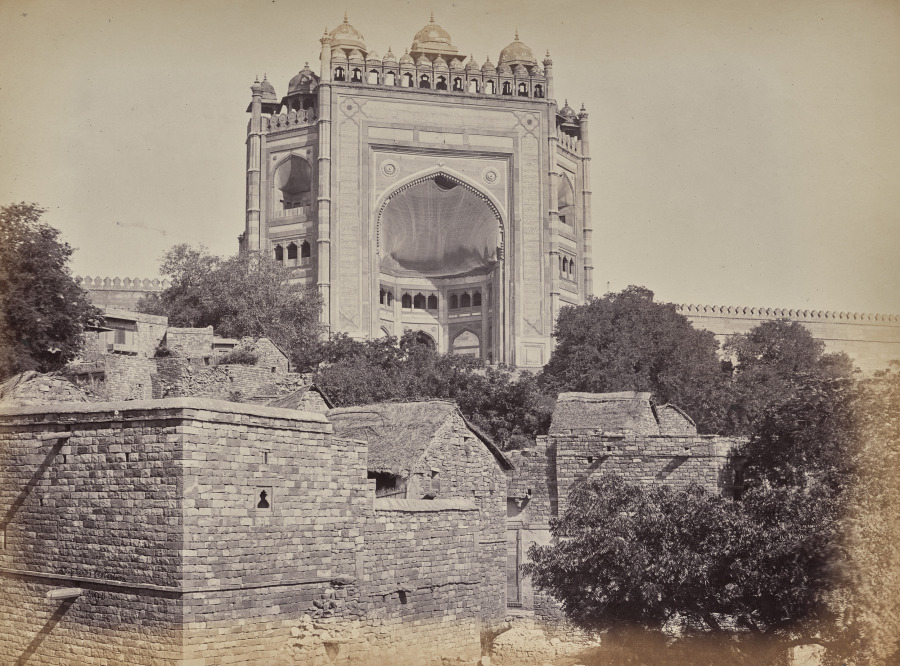 Futheypoor Sikre Guard Gate of the Fort
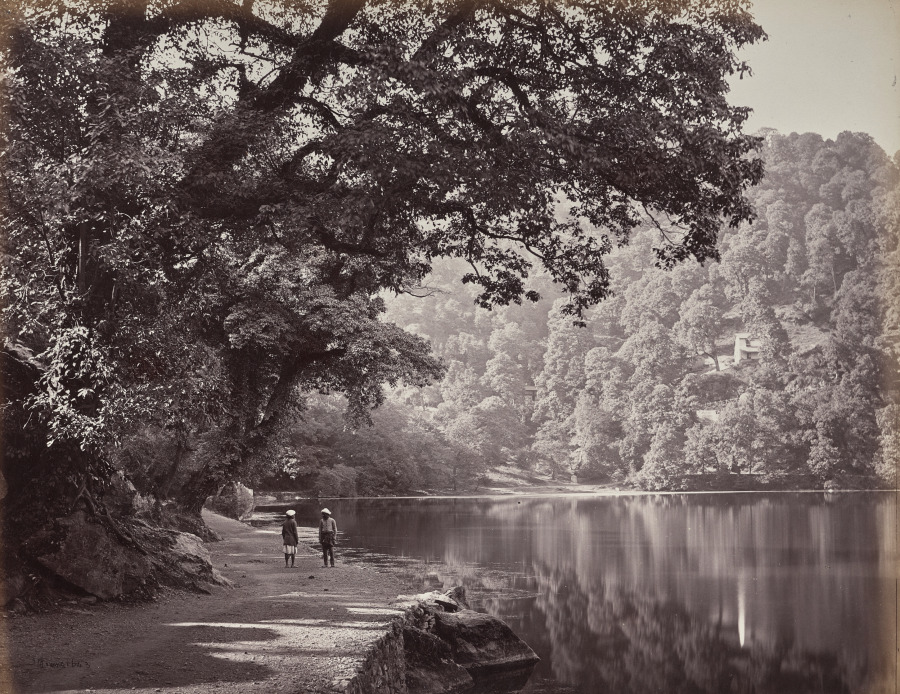 Hyree Lake. South End of the Lake
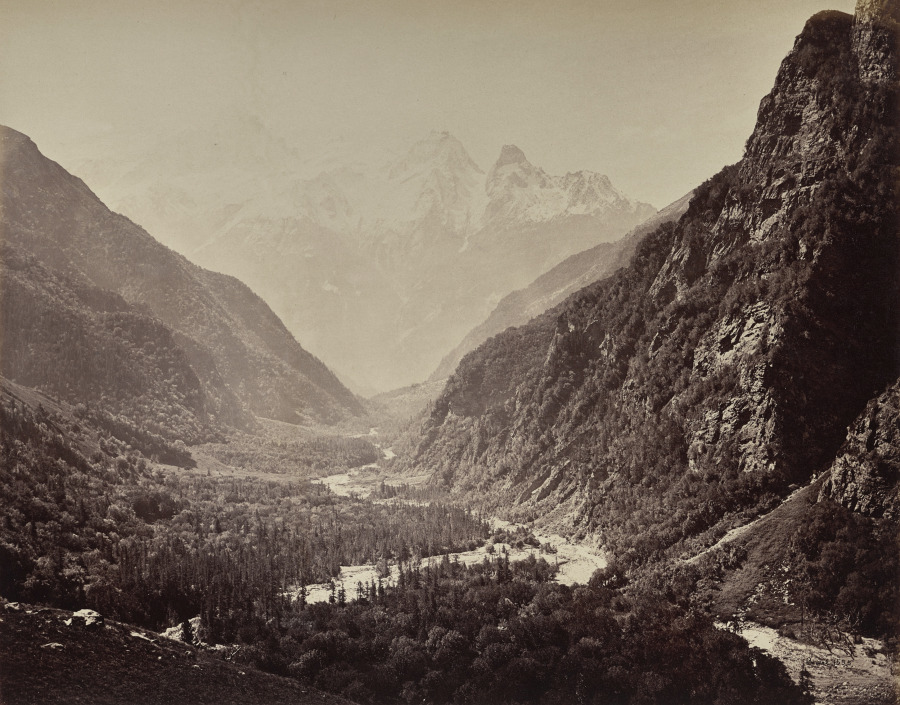 The Upper Himmalayahs. View of Valley from Fallaldasa with S
![[Simla Bazaar]](https://images.metmuseum.org/CRDImages/ph/web-large/DP146177.jpg)
![[Tomb at the Qutub Minar, Delhi]](https://images.metmuseum.org/CRDImages/ph/web-large/DP146159.jpg)