In the collection of Cleveland Museum of Art, Cleveland — check current display status with the museum.
FROM THE CLEVELAND MUSEUM OF ART’S CATALOG
The inscription in the center states: "I dedicate [this work] to the excellent painter Dirck de Vries in Venice out of friendship and to represent his absent son." The inscription in the bottom margin, written by the Dutch scholar Petrus Scriverius (or Peter Schrijver, 1576–1660), reads: "You may not understand what is contained in this work: Here is the meaning for you in a few words. Simplicity seeks and loves faithfulness. The faithful dog and the innocent boy, that Goltzius faithfully rendered with a Phidian hand in copper." Goltzius made this print for his friend the painter Dirck de Vries (Netherlandish, active 1590–1609) to let him know how his son was progressing under Goltzius’s care in the Dutch city of Haarlem. The two artists had met in Venice, where de Vries still lived. Phidias, referred to in the inscription, was an ancient Greek sculptor whose works were celebrated for their classical forms and their expressions of noble and moral character.
Be the first to share your thoughts.
Sign in to join the discussion.
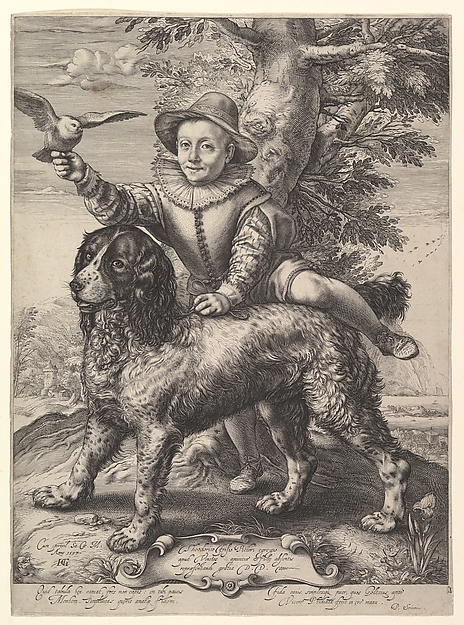 Hendrick Goltzius — Frederick de Vries
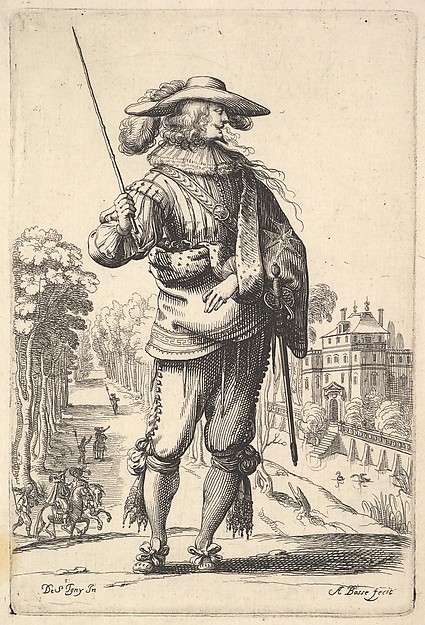 Abraham Bosse|Jean de Saint-Igny — A gentleman with his head
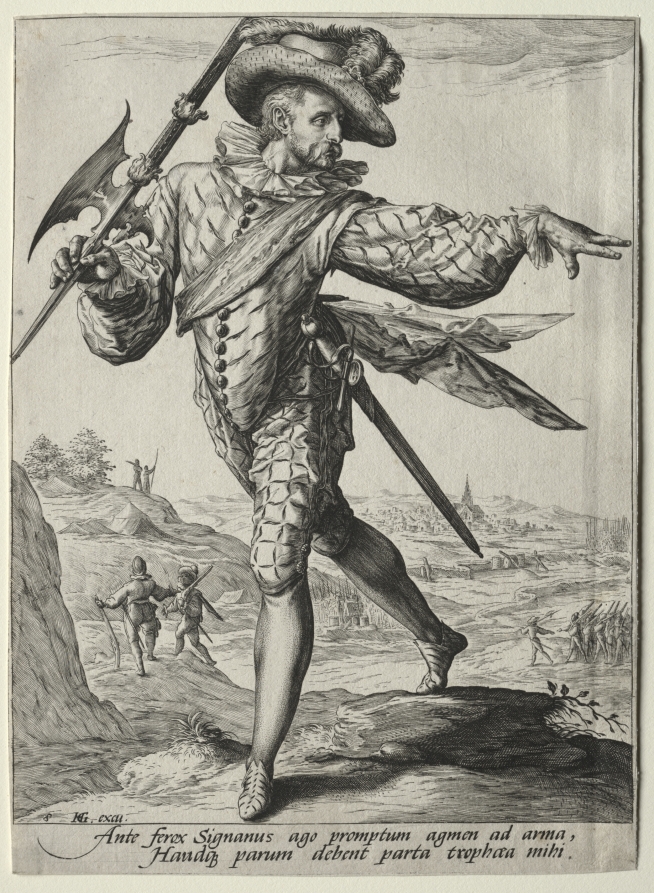 Jacob de Gheyn II (Netherlandish, 1565–1629) — Officers and
 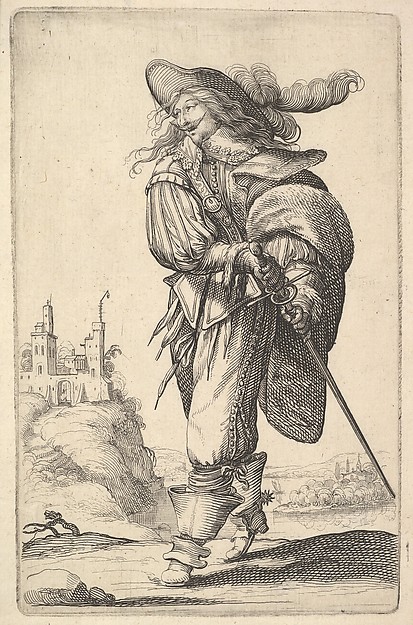 Abraham Bosse|Jean de Saint-Igny — A gentleman, walking towa
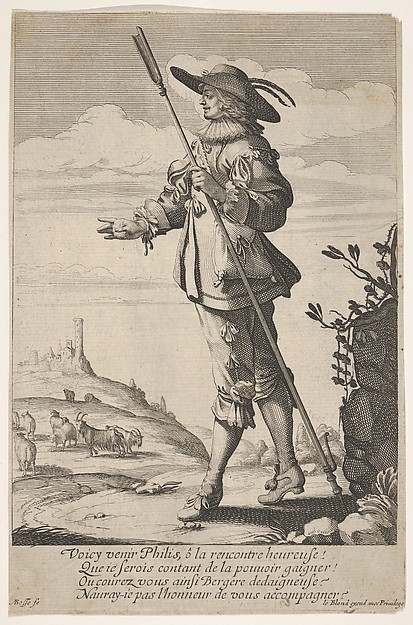 Abraham Bosse|Jean I Leblond — A shepherd holding a crook in
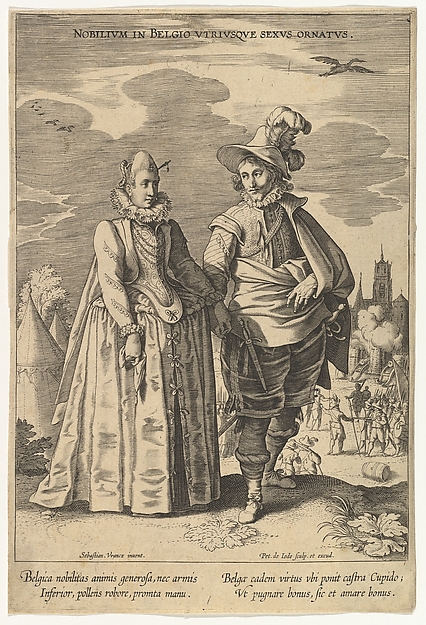 Pieter de Jode I|Sebastiaen Vrancx|Pieter de Jode I — Nobili
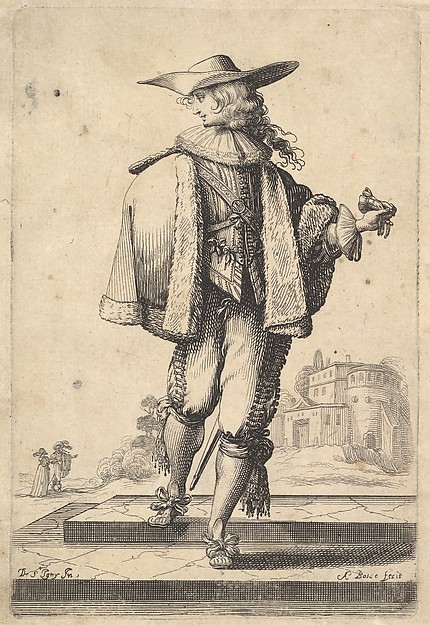 Abraham Bosse|Jean de Saint-Igny — A gentleman walking forwa
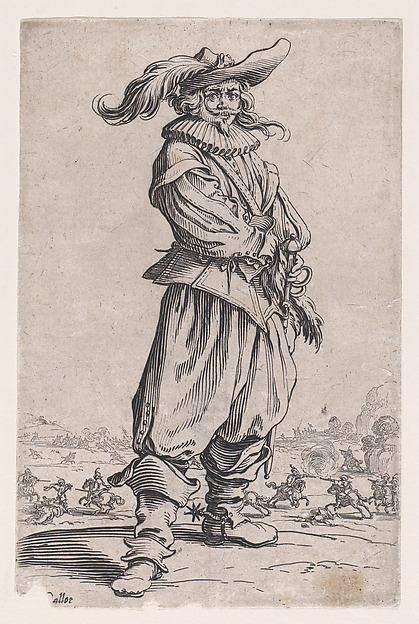 Jacques Callot — Le Guerrier au Chapeau Orné d'une Grande Pl
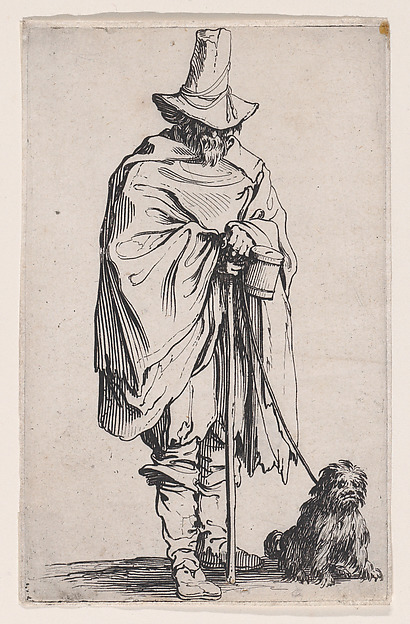 Jacques Callot — L'Aveugle et son Chien (The Beggar and his
  Jacques Callot (French, 1592–1635) — The Beggars: Blind Man
  Anonymous, French, 17th century|Abraham Bosse|Jean de Saint-
 Hendrick Goltzius — Captain of Infantry