In the collection of The Metropolitan Museum of Art, New York — check current display status with the museum.
Be the first to share your thoughts.
Sign in to join the discussion.
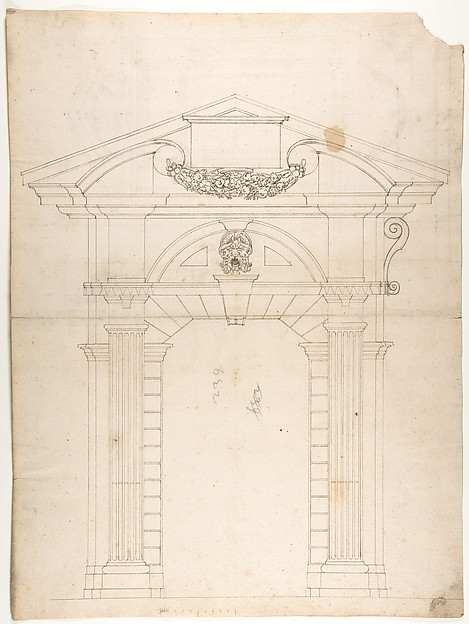 Anonymous, French, 16th century — Porta Pia, elevation (rect
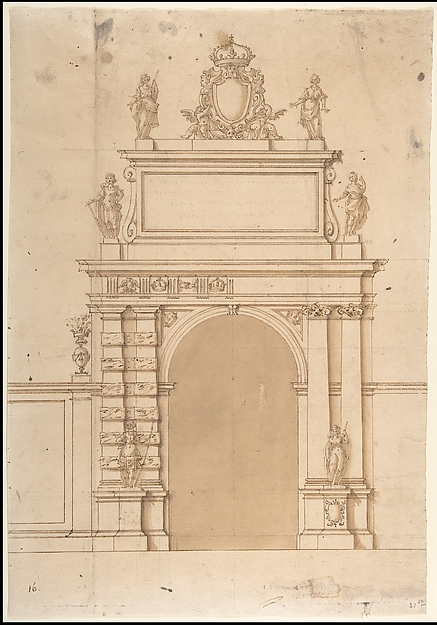 Francesco Maria Richini (or Ricchino) — Design for the Trium
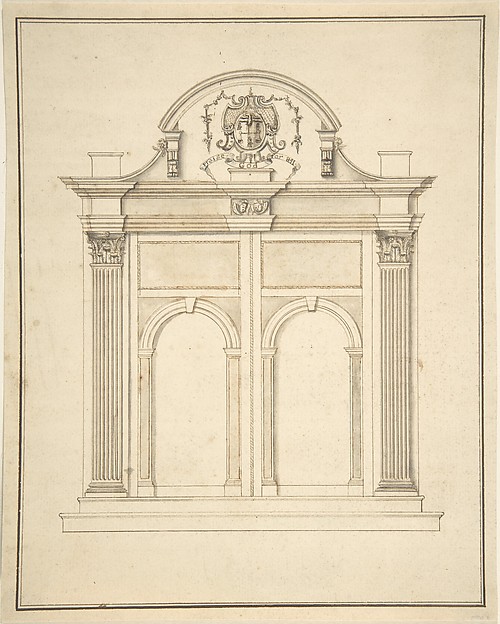 Anonymous, British, 17th century — Design for a doorway for
 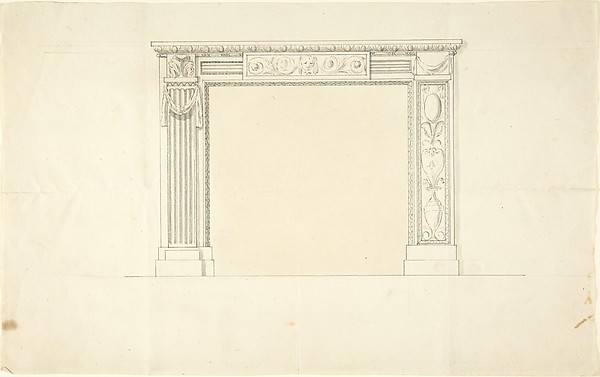 Sir William Chambers — Design for a Chimneypiece
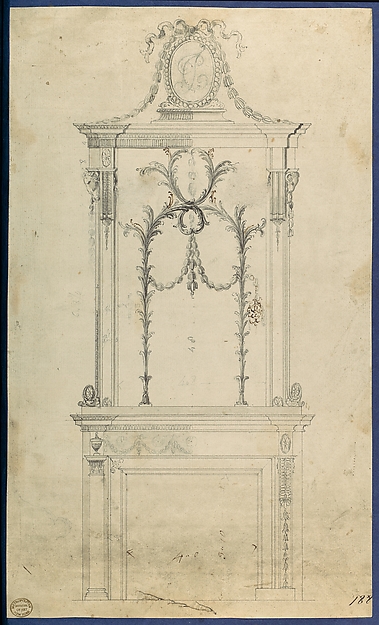 Thomas Chippendale — Design for a Chimneypiece with the a Mo
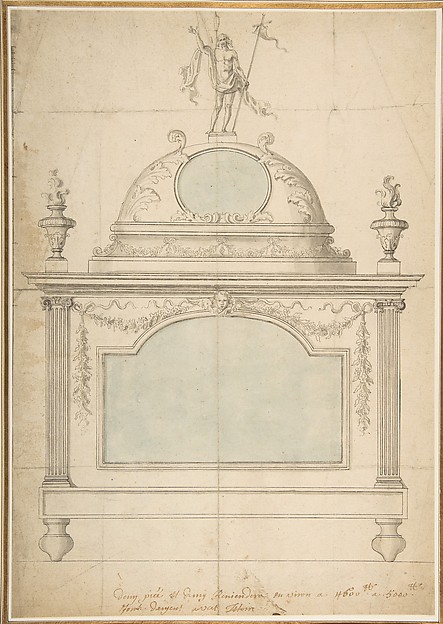 Anonymous, French, 18th century — Design for a Reliquary
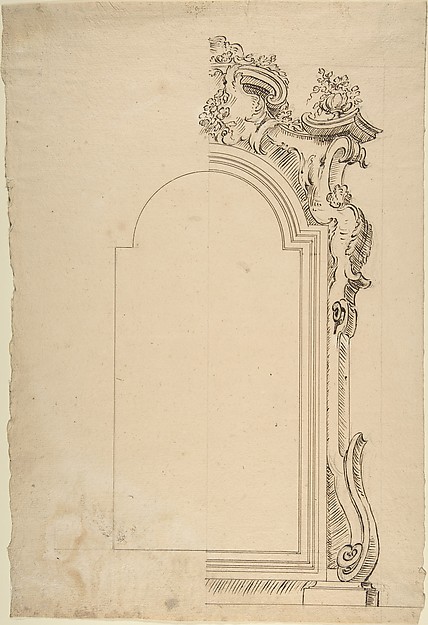 Anonymous, Italian, Piedmontese, 18th century — Design for o
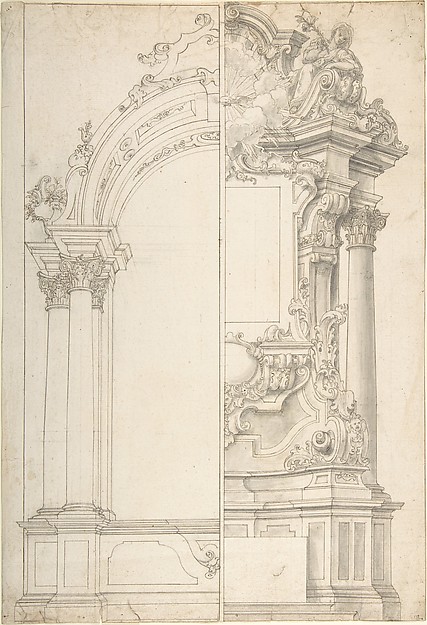 Anonymous, Italian, Piedmontese, 18th century — Two Alternat
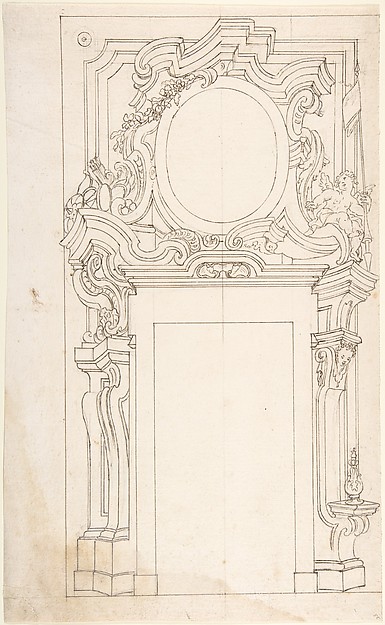 Anonymous, Italian, Piedmontese, 18th century — Architectura
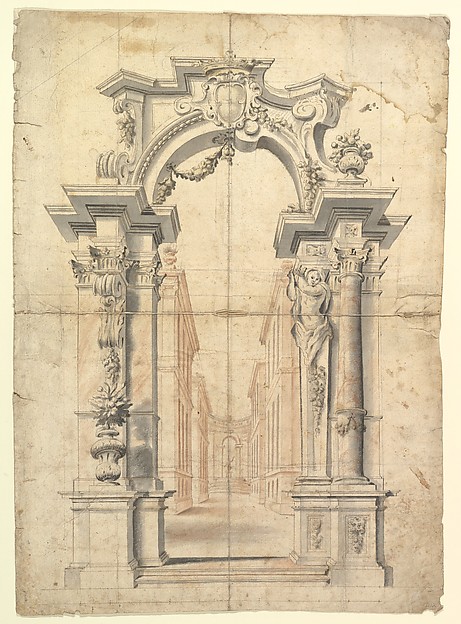 Anonymous, Italian, Piedmontese, 18th century — Two One Half
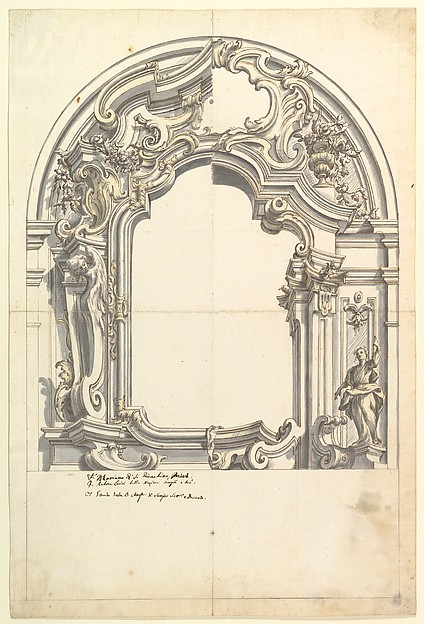 Anonymous, Italian, Piedmontese, 18th century — Two Alternat
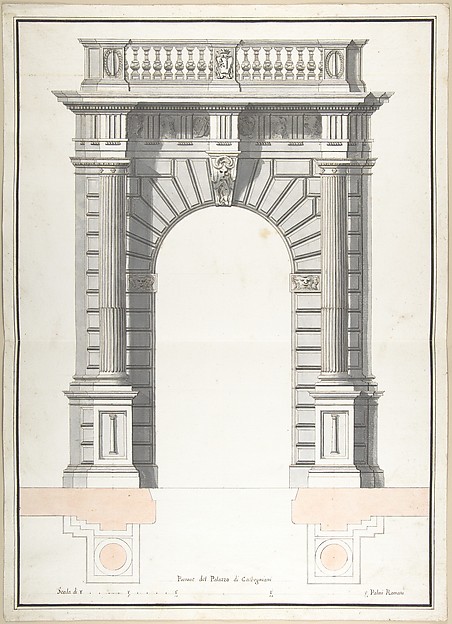 Pietro Paolo Coccetti (Cocchetti) — Portone del Palazzo di C