The Sick Child I
SEE IT IN PERSON
Not currently on view
In the collection of Art Institute of Chicago, Chicago · as of July 2026
Discussion
FROM THE ART INSTITUTE OF CHICAGO’S CATALOG
When Edvard Munch was thirteen years old, his sister Sophie died of tuberculosis. Nine years later, he created the first of five painted versions of The Sick Child , all representing Sophie just prior to her death. Munch later described the process of painting these works as a form of technical and personal catharsis. Due to the great success of the paintings and his own psychological preoccupations, in 1894–96 Munch made three prints based on the motif, of which The Sick Child I was the last. In 1896 the artist traveled to Paris to experiment with new print-making processes and work with respected printers such as Auguste Clot, hoping to gain the commercial success that had previously eluded him in the French capital. There he made this, his first color lithograph, which features Sophie’s head silhouetted against a pillow. Munch printed the lithograph with several different stones and a variety of color combinations: he made the keystone either black or red and added up to four other color stones in combinations of blue, gray, red, yellow, reddish brown, and purple-blue. Munch was keenly aware of the symbolic associations of various colors, and the icy blue and stark black of this
Be the first to share your thoughts.
Sign in to join the discussion.
More by Edvard Munch






More like this
 Odilon Redon — Enigma
 Odilon Redon — Des Esseintes, Frontispiece for A Rebours by
  Albert Besnard (French, 1849–1934) — Woman with a cape
 Hilaire Germain Edgar Degas — After the Bath II
 Odilon Redon — Intelligence was Mine! I Became the Buddha, p
 Odilon Redon (French, 1840–1916) — And Another Angel Came Ou
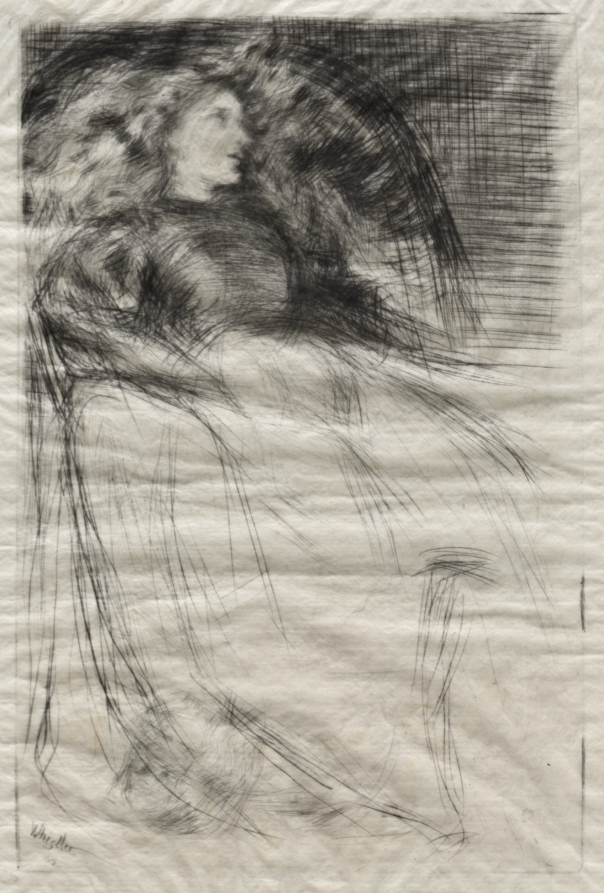 James McNeill Whistler (American, 1834–1903) — Weary
 James McNeill Whistler — The Boy (Charlie Hanson)
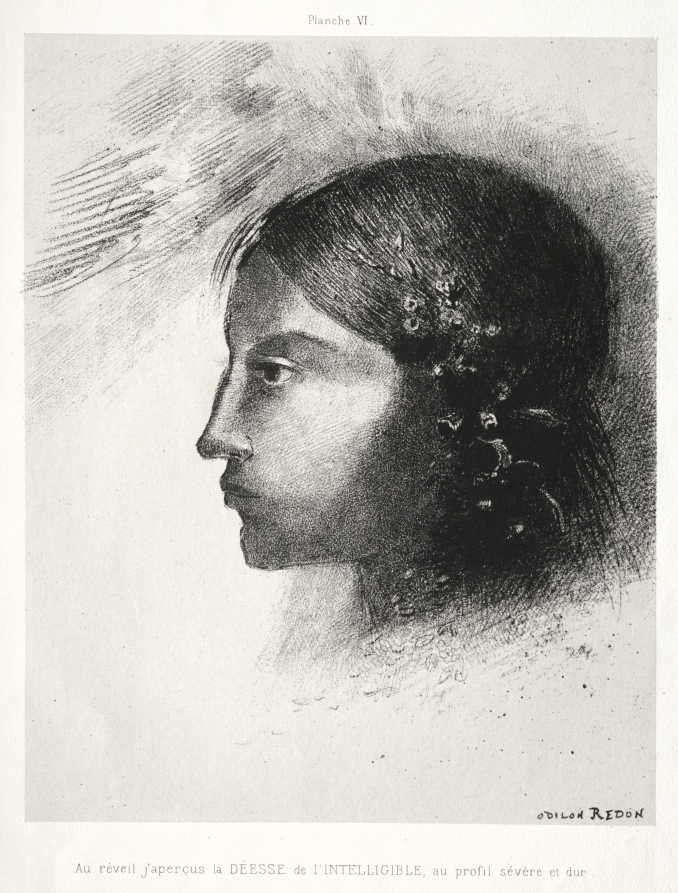 Odilon Redon (French, 1840–1916) — Upon Awakening I Saw the
 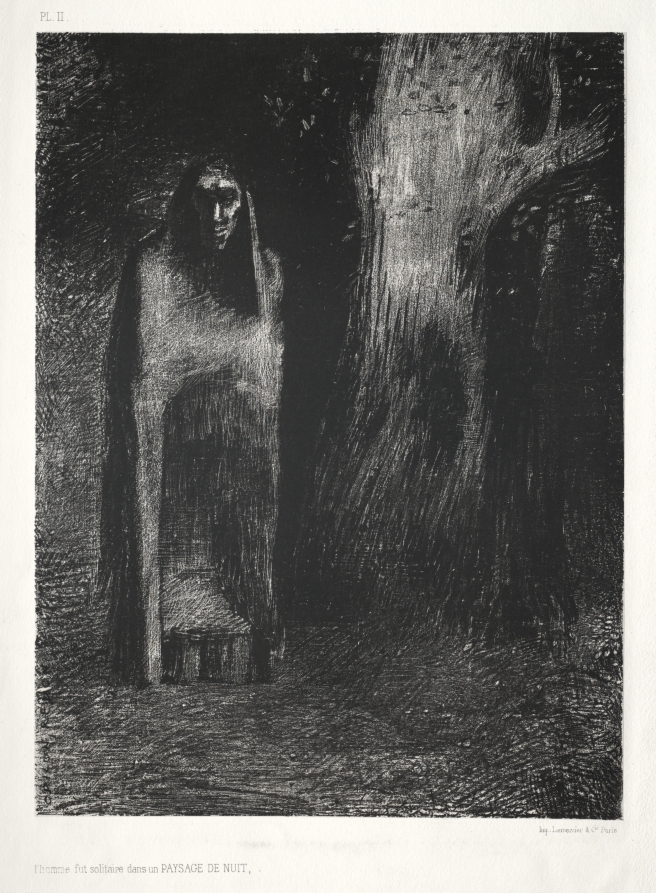 Lemercier & Cie. — The Man Was Alone in a Night Landscape
 Odilon Redon — Intelligence was Mine! I Became the Great Bud
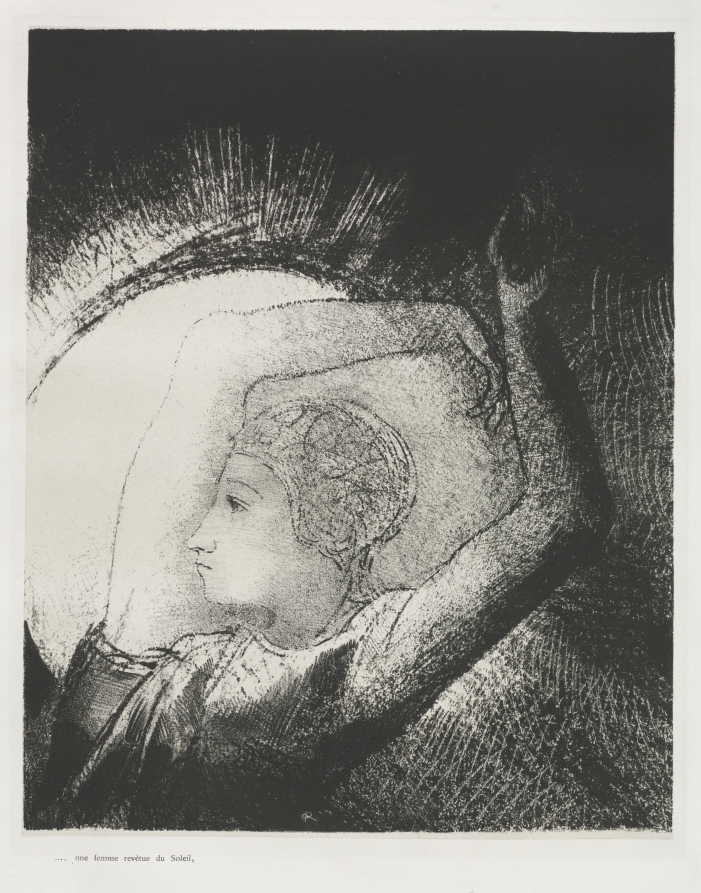 Odilon Redon (French, 1840–1916) — A Woman Clothed with the