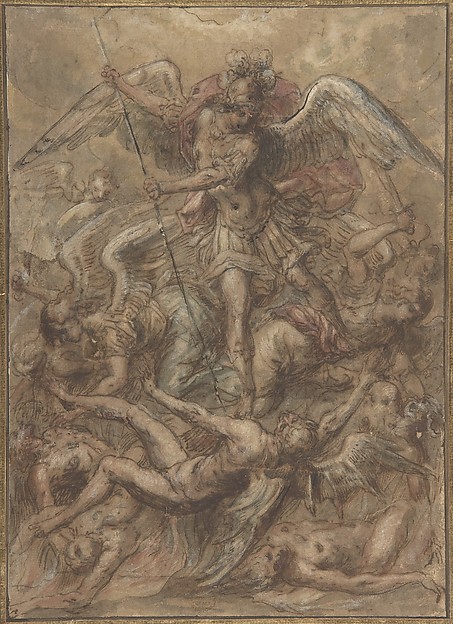
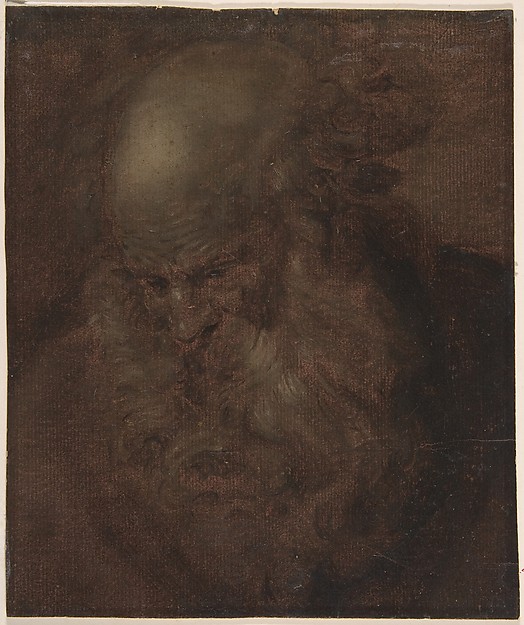
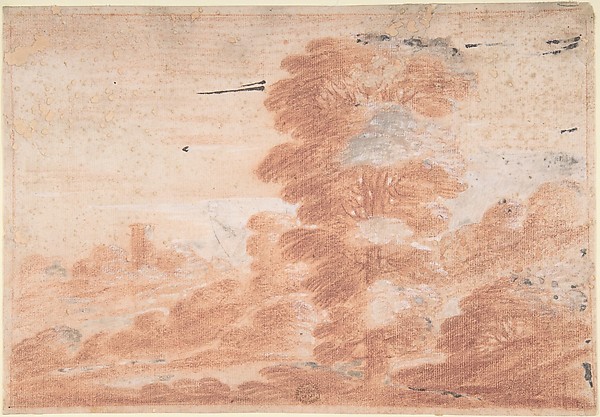
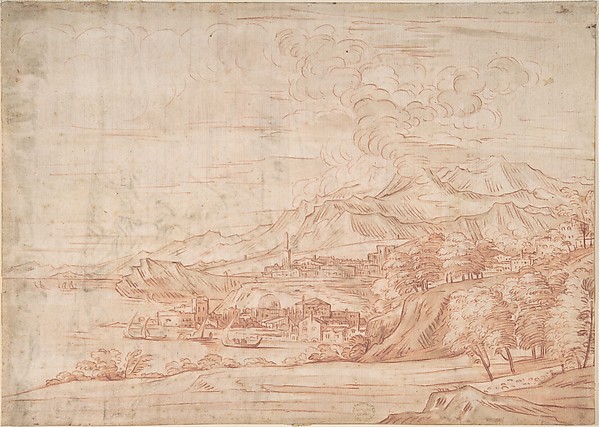
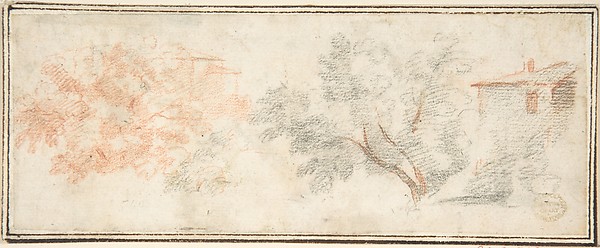
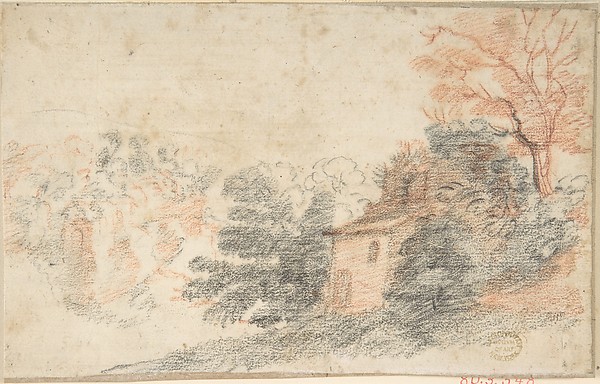
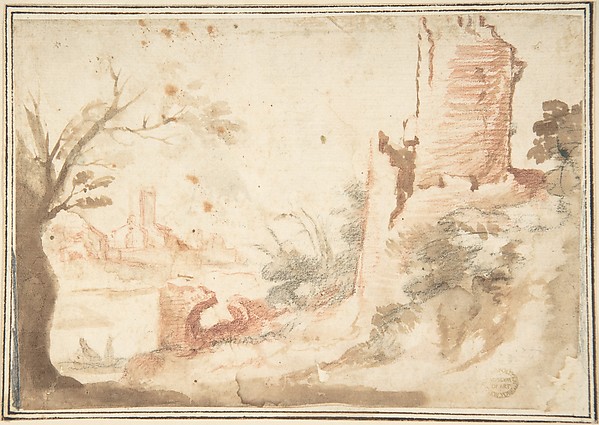
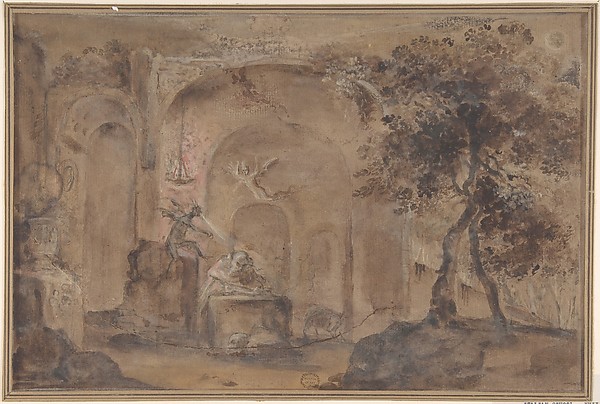
Anonymous, Italian, Roman-Bolognese, 17th century
In the collection of The Metropolitan Museum of Art, New York — check current display status with the museum.
Be the first to share your thoughts.
Sign in to join the discussion.
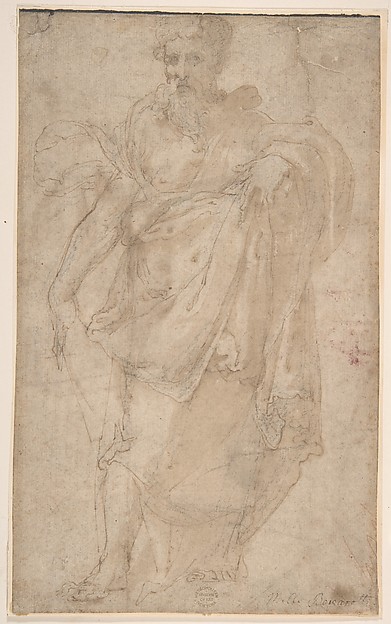 Anonymous, Italian, 16th century — Figure of a Prophet
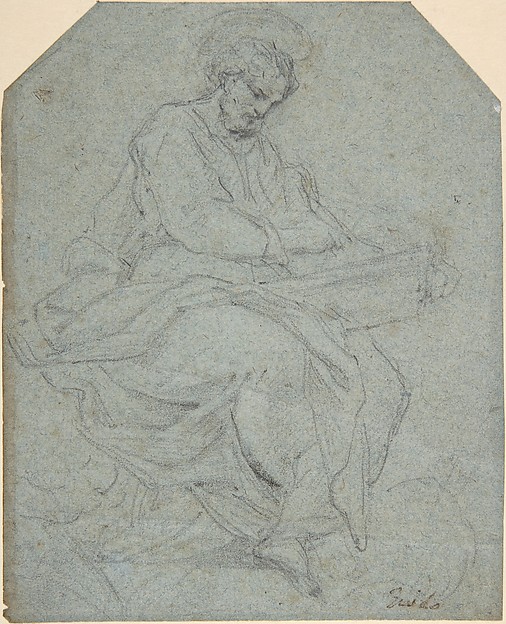 Anonymous, French, 18th century — A Seated Apostle (recto);
 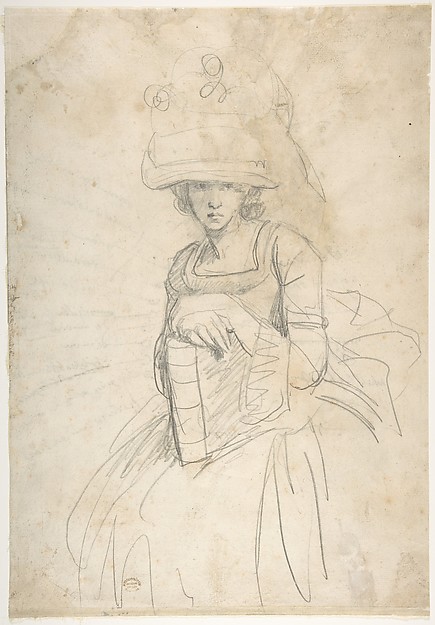 George Romney — Lady Holding a Book (recto); Plan of Placing
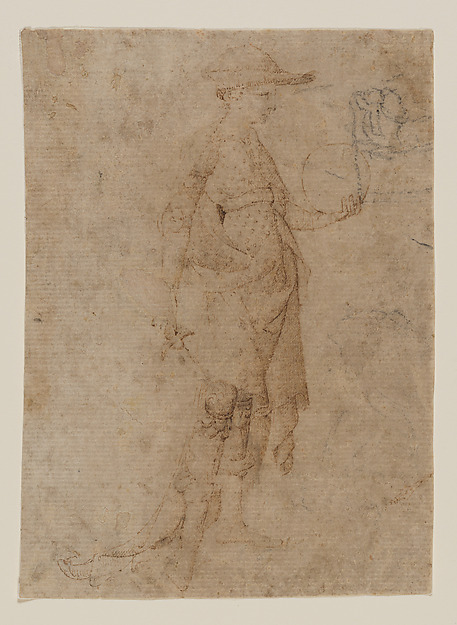 Arcangelo di Cola da Camerino — A Young Man in Armor, Facing
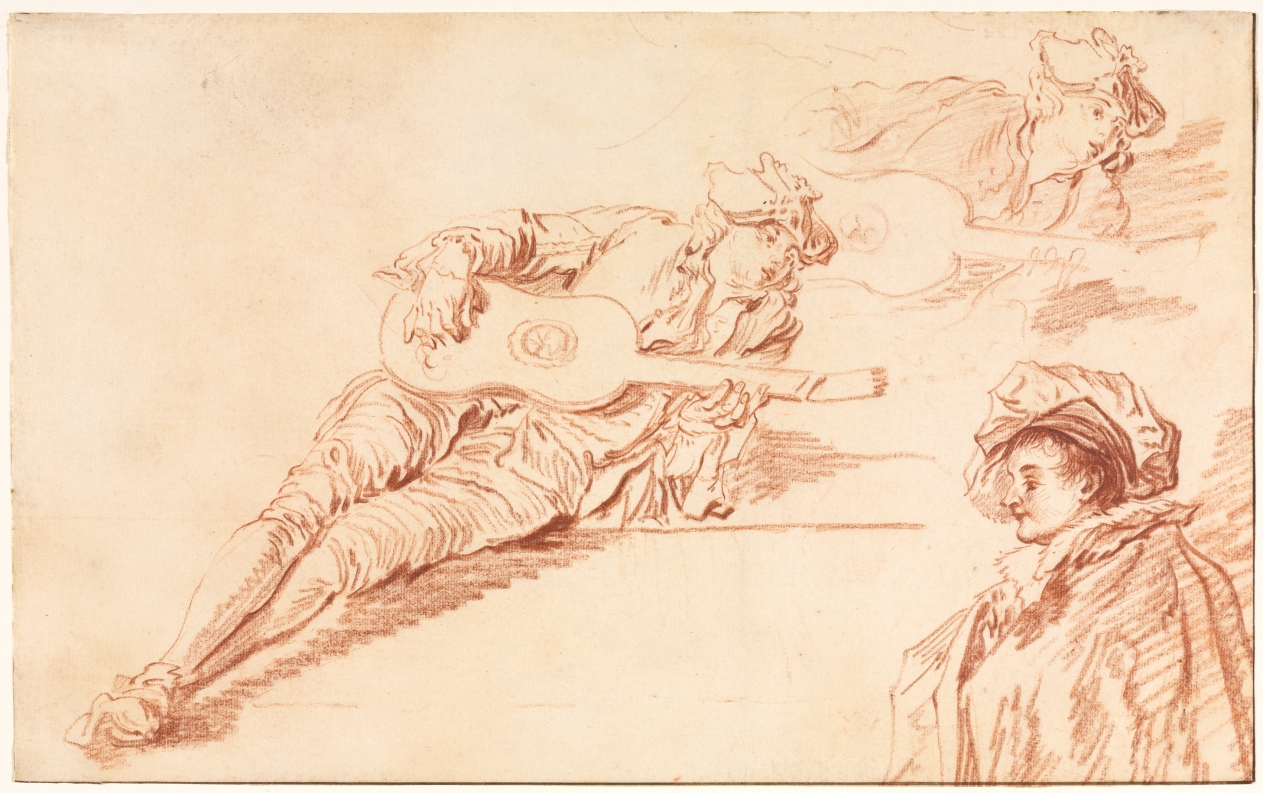 Jean-Baptiste Pater (French, 1695–1736) — The Guitarist
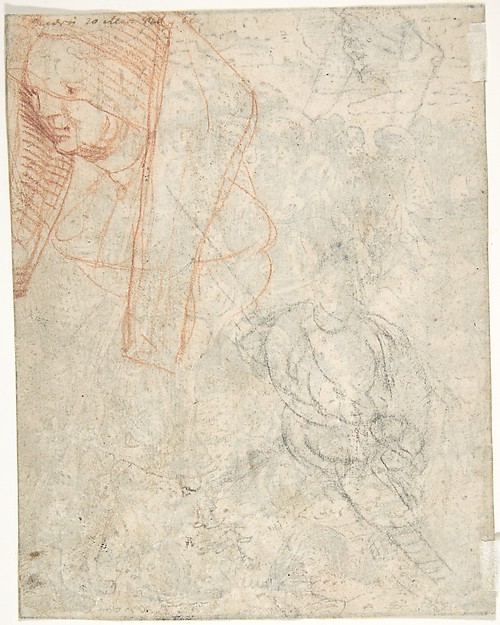 Anonymous, German, 16th century — Head of a Woman and Sketch
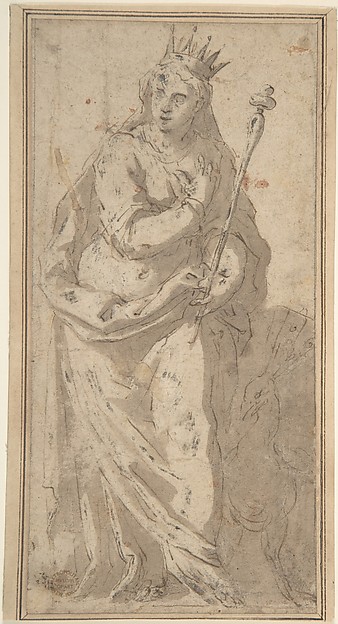 Anonymous, Italian, Roman, 16th century|Jacopo Palma the You
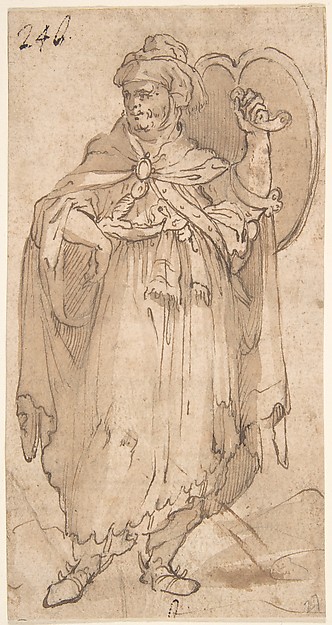 Anonymous, Netherlandish, 16th century|Anonymous, Italian, 1
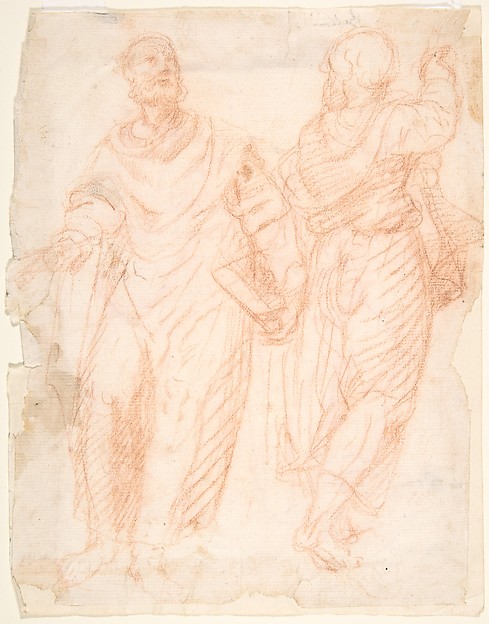 Anonymous, Italian, 17th century — Two standing male figures
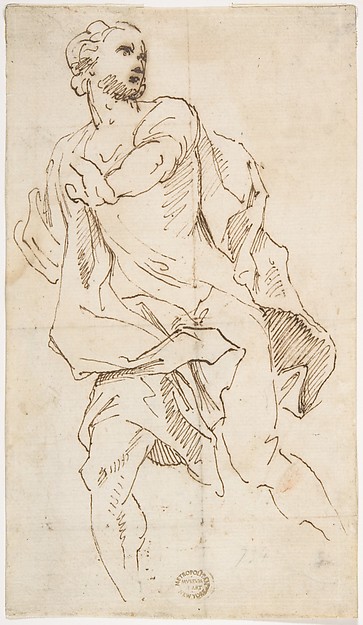 Giovanni Lanfranco — Male Figure Running
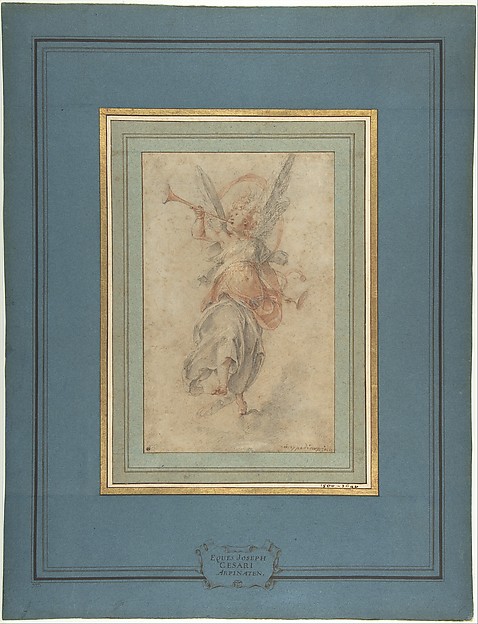 Cavaliere d'Arpino (Giuseppe Cesari) — Allegorical Figure of
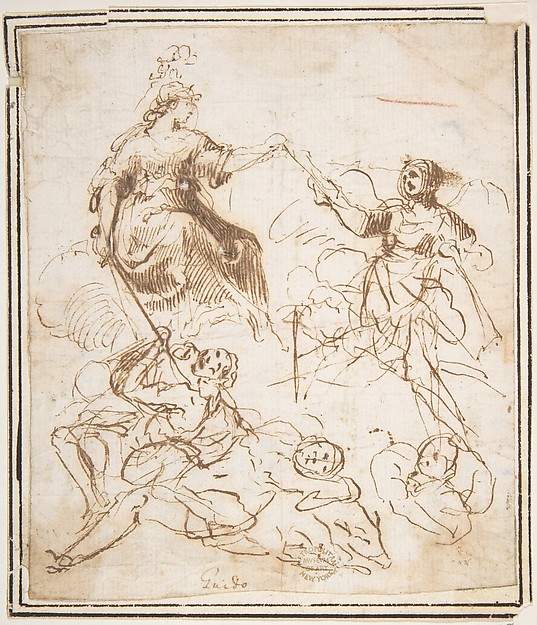 Francesco Allegrini — Group of Five Allegorical Figures