The Fall of Phaeton
SEE IT IN PERSON
Not currently on view
In the collection of Art Institute of Chicago, Chicago · as of July 2026
Discussion
FROM THE ART INSTITUTE OF CHICAGO’S CATALOG
Phaeton’s overweening ambition to guide his father’s chariot of the sun through the sky is recorded in Ovid’s Metamorphoses , as is the disastrous outcome of his attempt, here presented in a dramatic scene that captures the tumultuous moment of Phaeton’s being struck down by a thunderbolt from Zeus. The scalloped valance and matching side curtains that frame the scene link it to The Arrival of Telemachus on Calypso’s Island . The two tapestries are part of a Story of Telemachus suite based on François Fénelon’s Adventures of Telemachus (Les Aventures de Télémaque; 1699), which was originally written as an ethical guide for the education of Louis, Duke of Burgundy (1618–1712), the grandson and heir of Louis XIV (r. 1643–1715). Phaeton’s story—particularly his death, as depicted in this tapestry—conveys the consequences of youthful intrepidity and pride, and like the tapestries’ source material, offers viewers a powerful moral lesson.
Be the first to share your thoughts.
Sign in to join the discussion.
More by Antonio Tempesta
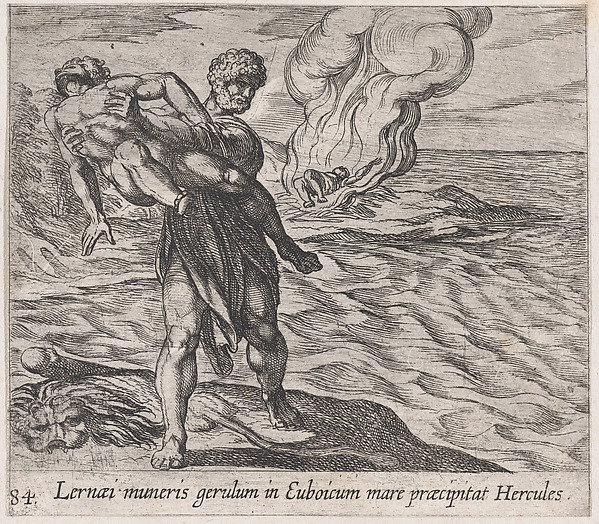 Plate 84: Hercules Throwing Lichas into the Sea (Lernaei mun
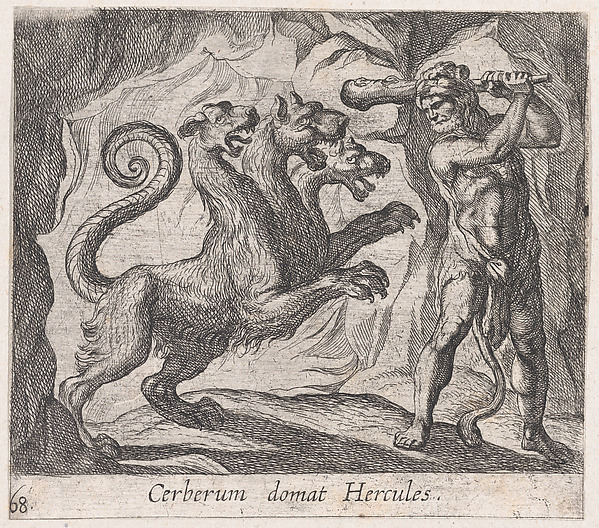 Plate 68: Hercules and Cerberus (Cerberum domat Hercules), f
 Plate 21: The Rape of Europa (Iupiter tauri imagine Europam
 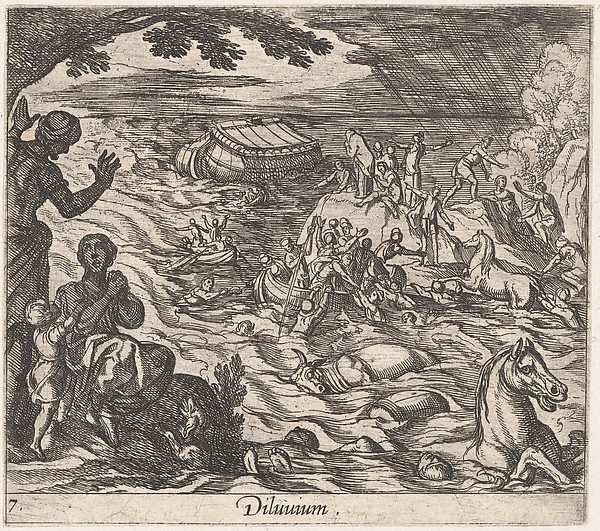 Plate 7: The Flood (Diluvium.), from Ovid's 'Metamorphoses'
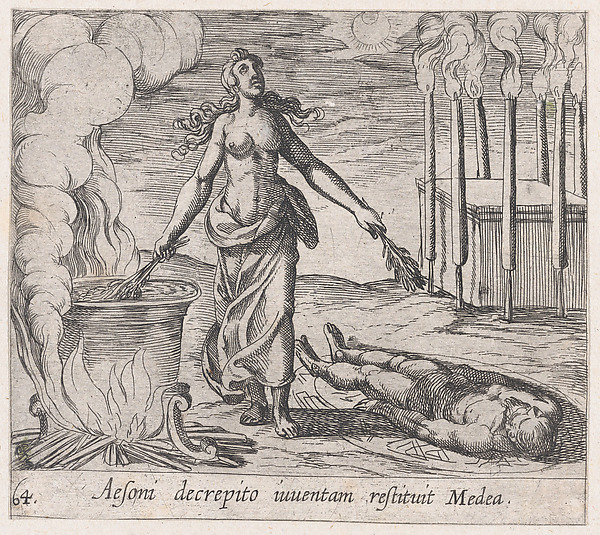 Plate 64: Medea Restoring Aeson's Youth (Aesoni decrepito iu
 Plate 6: The Giants Attempting to Storm Olympus (Gigantomach
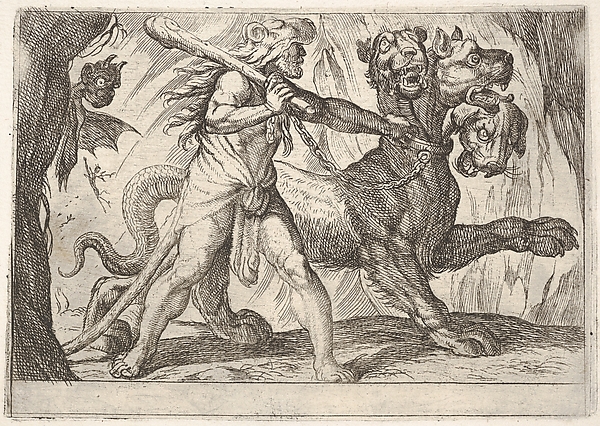 Hercules and Cerberus: Hercules grasps the collar of Cerberu
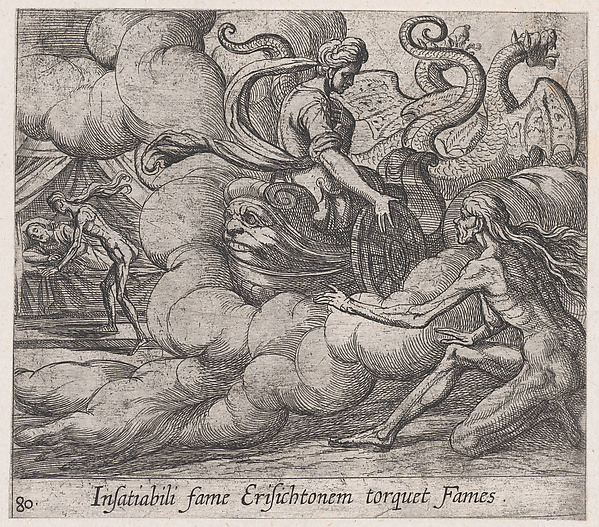 Plate 80: Ceres' Nymph Telling Famine to Strike Erysichthon
 More like this
 Geraert Peemans — Caesar Defeats the Troops of Pompey from T
 Geraert Peemans — The Triumph of Caesar from The Story of Ca
 Guilliam van Leefdael — Cleopatra Enjoys Herself at Sea from
 Guilliam van Leefdael — Caesar in the Gallic Wars from The S
 Geraert Peemans — The Battle of Actium from The Story of Cae
 Manufacture Royale d’Aubusson — The Arrival of Telemachus on
 Geraert Peemans — Discovery of the Plot to Kill Caesar and C
 Guilliam van Leefdael — Caesar and Cleopatra Enjoying Themse
 Jean Baptiste Monnoyer — The Elephant, from The Berain Grote
 Geraert Peemans — Clodius Disguised as a Woman from The Stor
 Charles Le Brun — Autumn, from The Seasons
 Karel van Mander, II — The Crossing of the Granicus, from Th