FROM THE CLEVELAND MUSEUM OF ART’S CATALOG
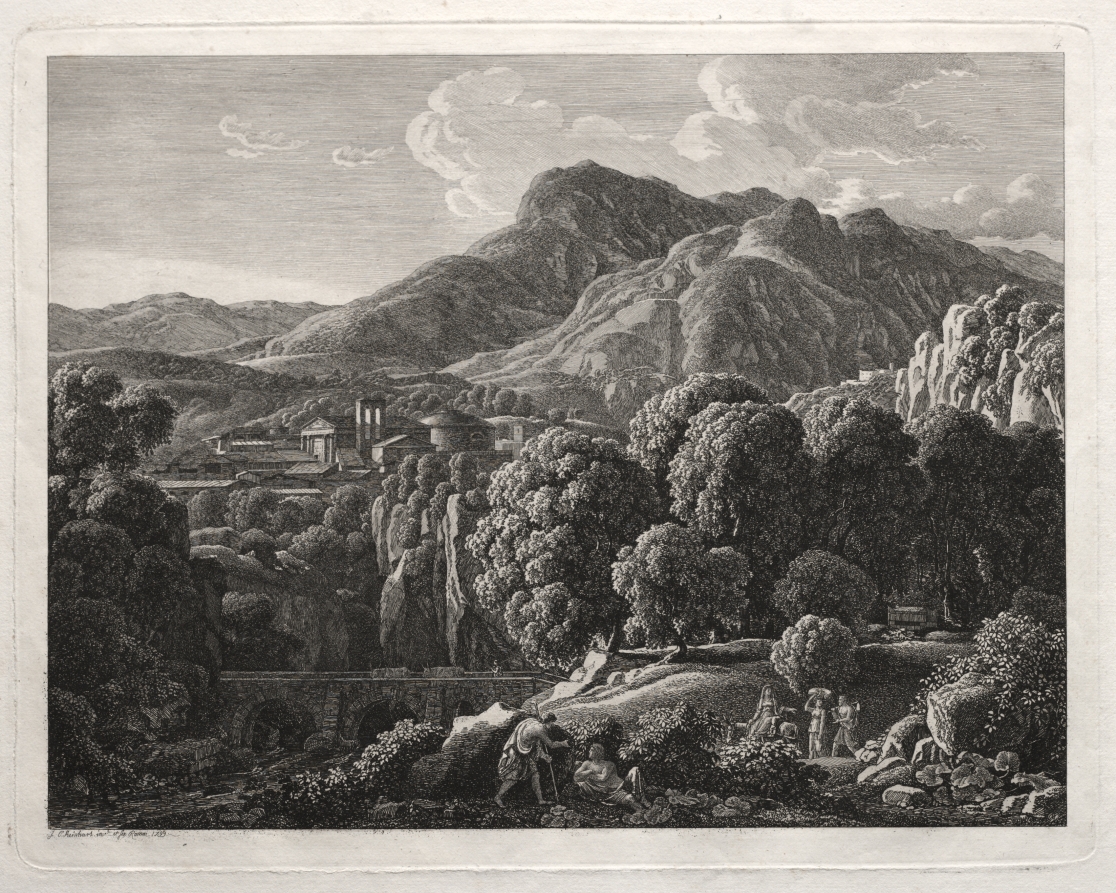
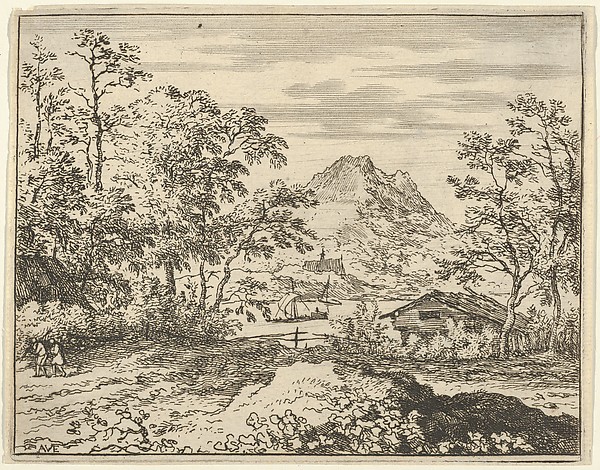
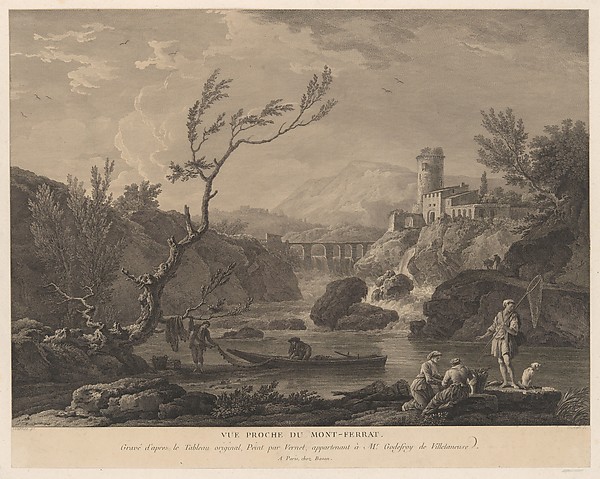
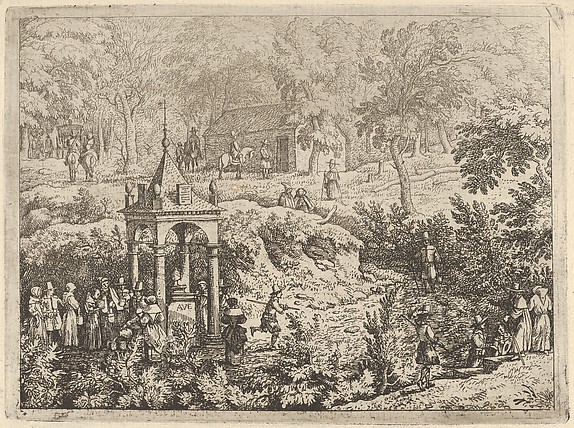
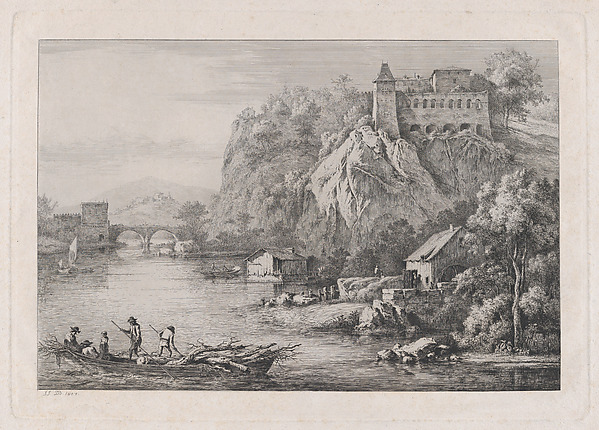
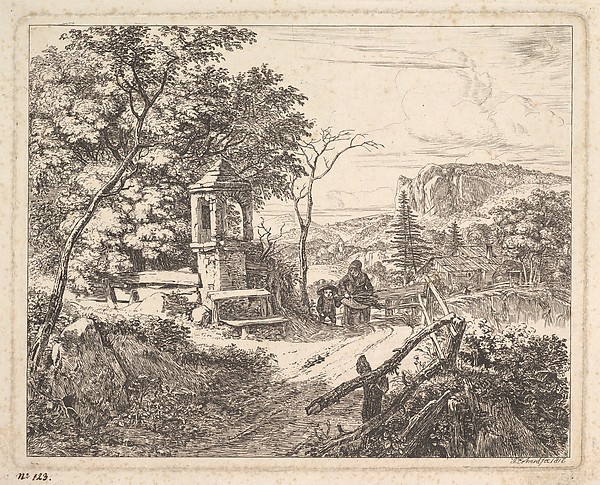
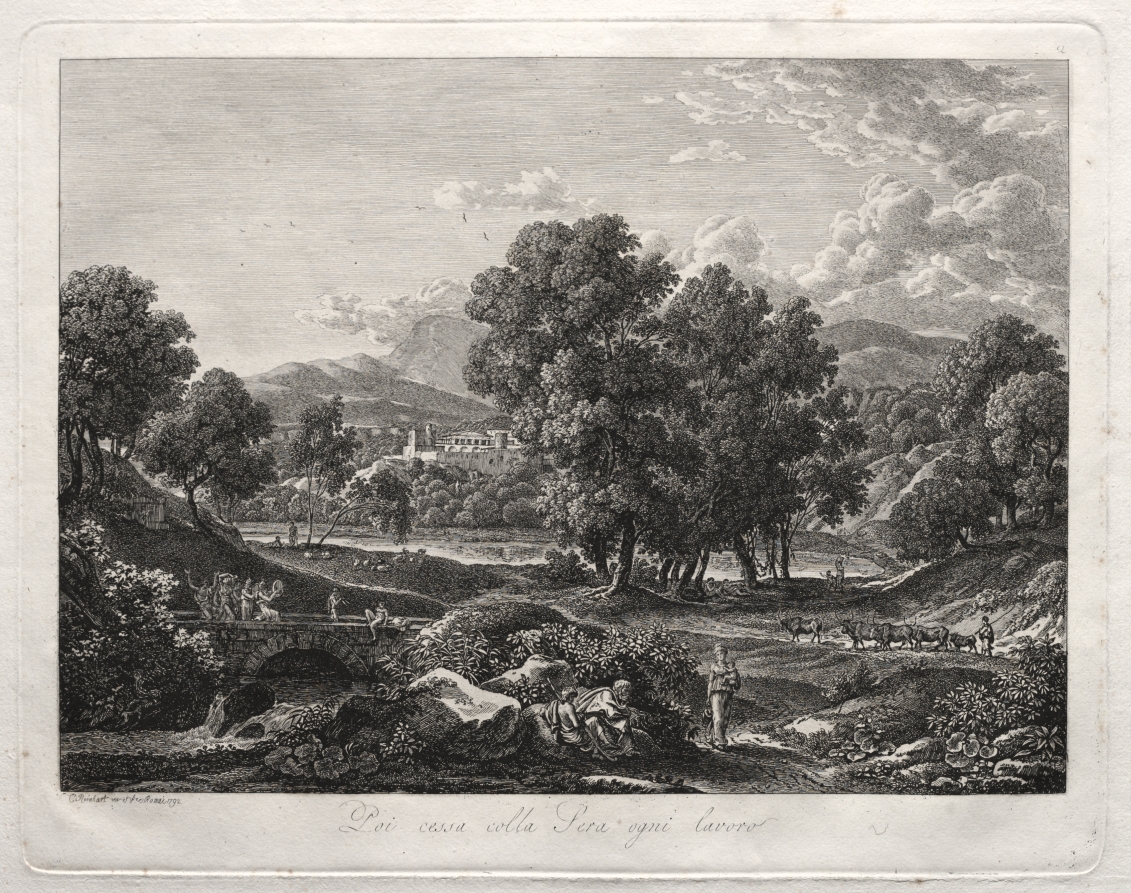
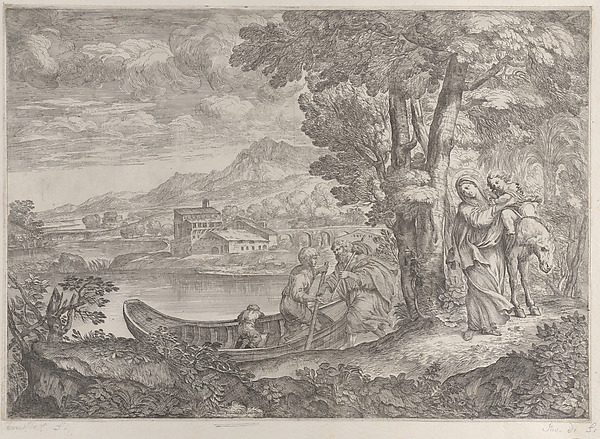
Various threads of German Romantic art---spiritualized landscape, medievalism, and religious imagery---were woven together in the work of Olivier, a Nazarene. Olivier based Seven Views in Salzburg and Berchtesgaden on sketches made during two trips to the Tyrolean Alps. In the series, Olivier used the days of the week to represent cycles of growth and decay, the stages of human life, and the Passion of Christ. Monday resonates with religious meaning; three figures allude to the Holy Family working in domestic harmony in the landscape.
Source ↗︎
Be the first to share your thoughts.
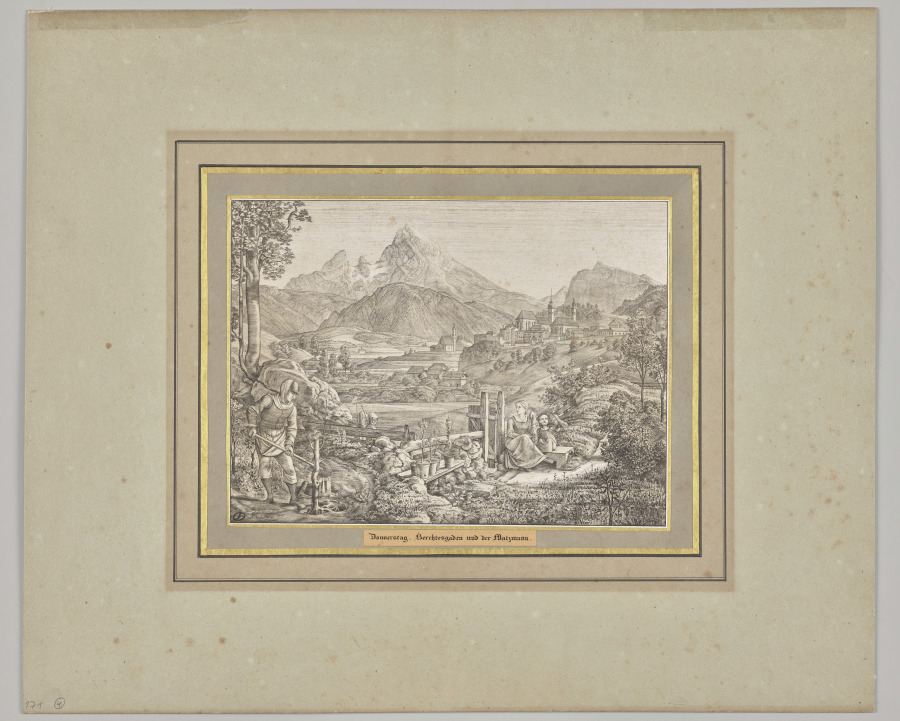 Thursday. Berchtesgaden and the Watzmann
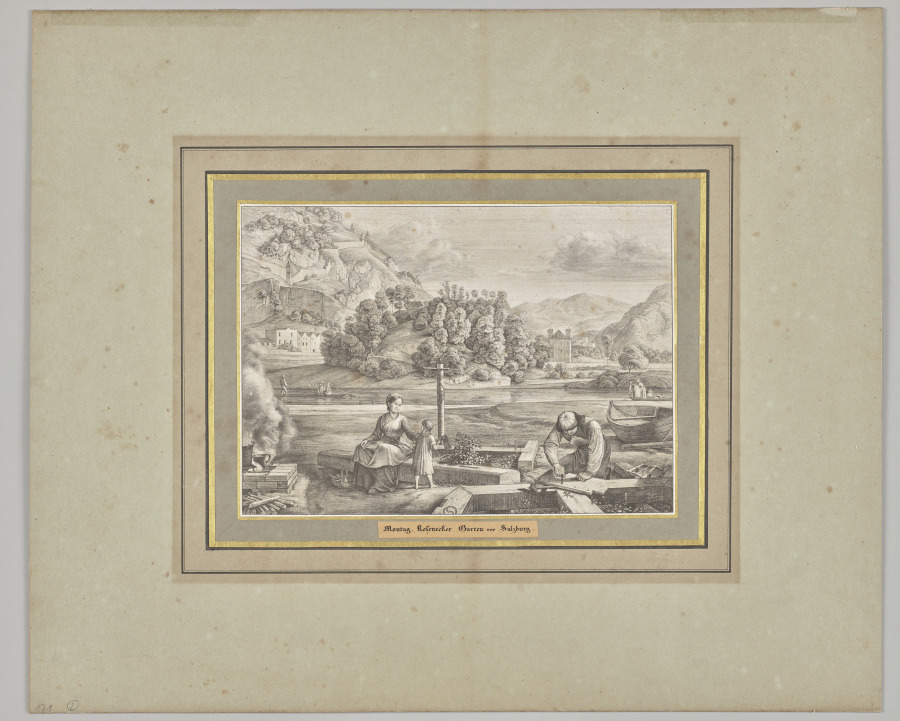 Monday. Rosenecker Garden in Front of Salzburg
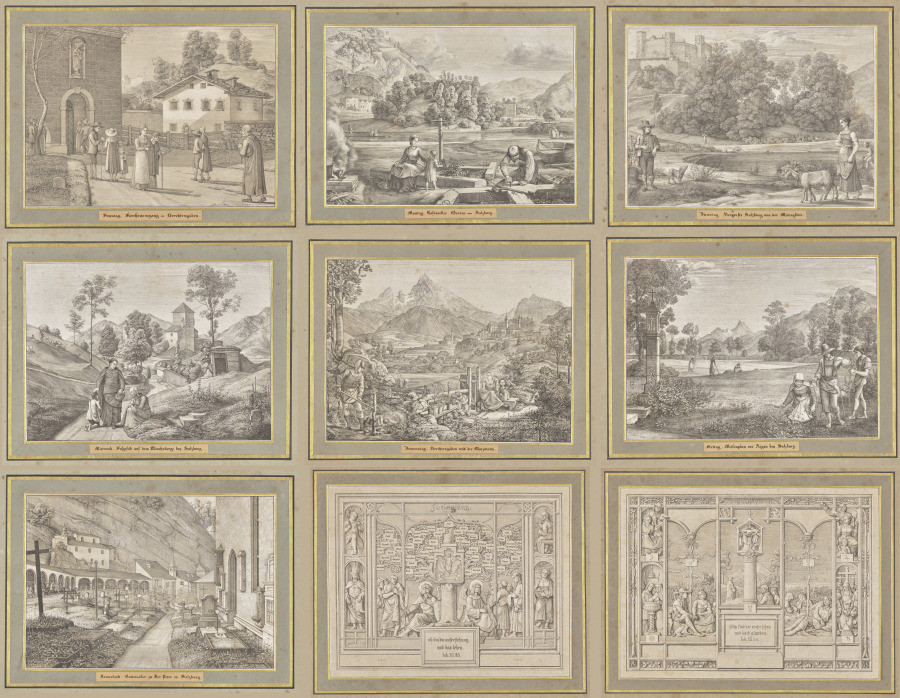 Seven Areas from Salzburg and Berchtesgaden. Arranged accord
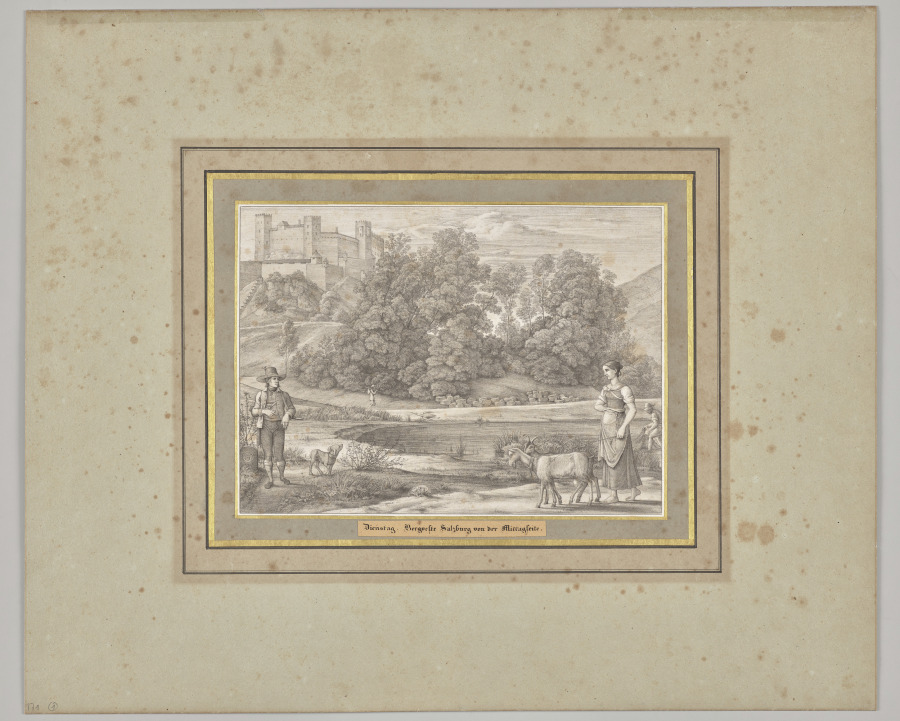 Tuesday. Bergveste Salzburg from the Midday Side
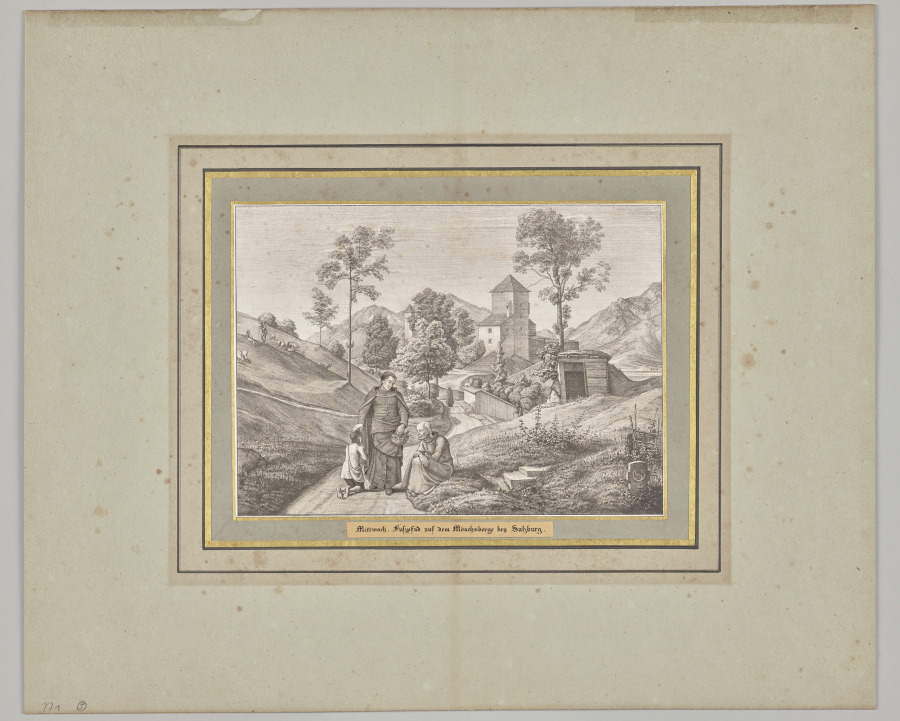 Wednesday. Footpath on the Mönchsberg near Salzburg
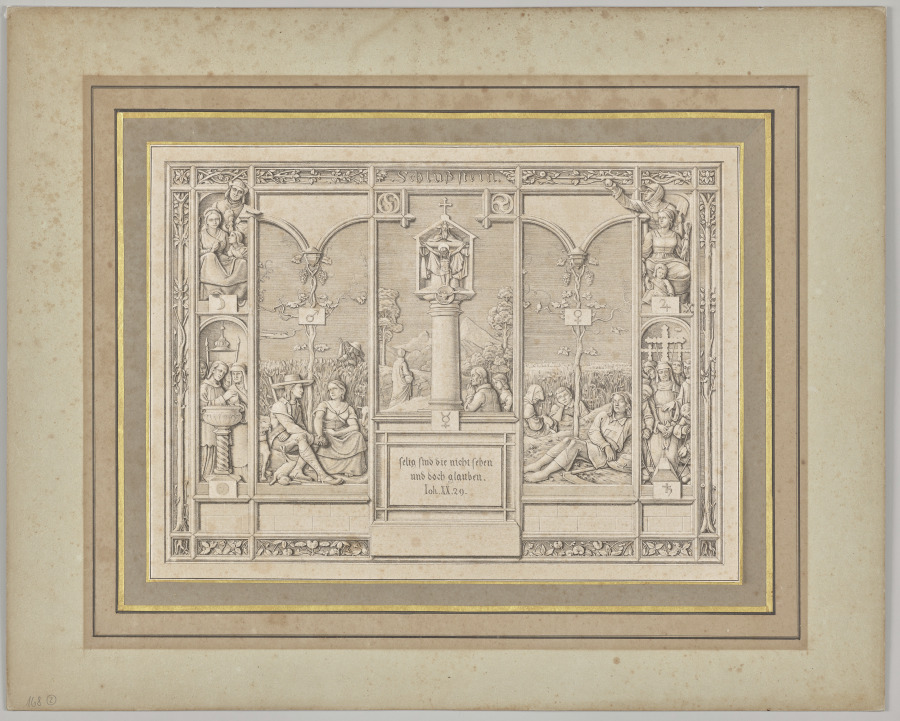 Capstone. John XX, 29
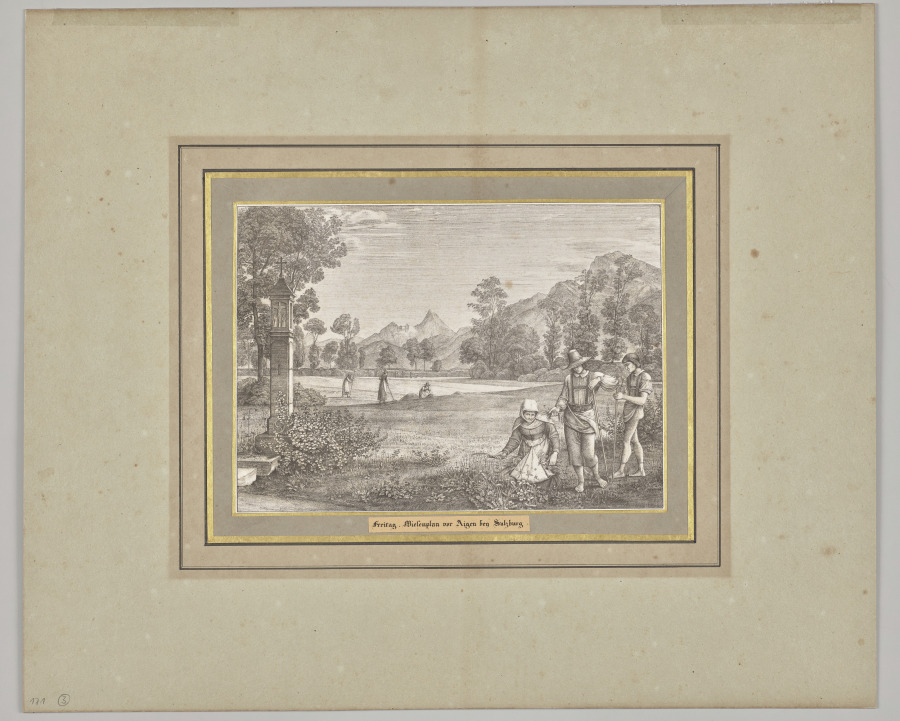 Friday. Meadow Plan in Front of Aigen Near Salzburg
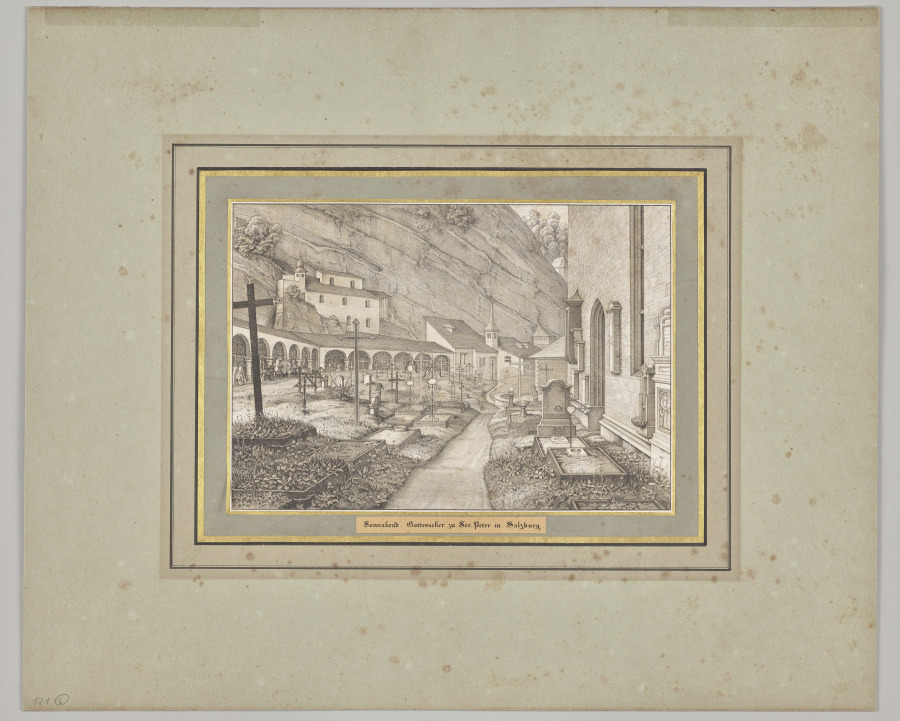 Saturday. Gottesacker to Sct. Peter in Salzburg