FROM THE CLEVELAND MUSEUM OF ART’S CATALOG
Michelangelo’s masterful rendering of the male nude set the standard for many generations of artists studying in academies across Europe. Life drawings (made from nude models) became so essential to an artist’s training at the Royal Academy of Painting and Sculpture in Paris (founded in 1648 by Louis XIV) that finished drawings like these were commonly called academies. Louis de Boullogne served as a professor of life drawing at the Royal Academy between 1694 and 1715. This work reflects the common practice of drawing from two models, which allowed artists to explore a narrative. Here the figures resemble a wounded warrior and his companion.
Source ↗︎
Be the first to share your thoughts.
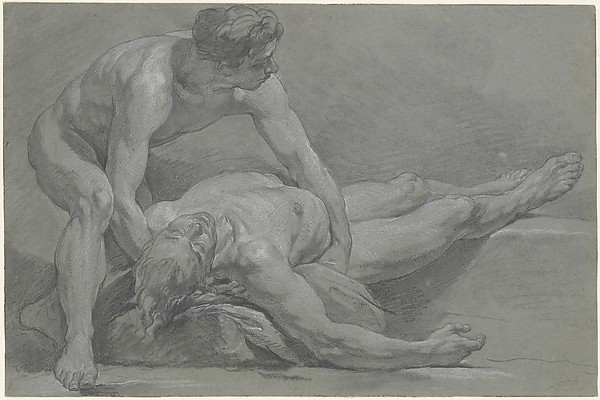 Nicolas Bernard Lépicié — Two Nude Male Figures
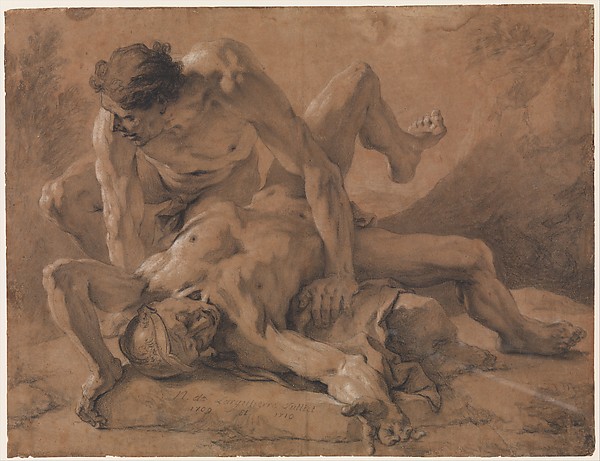 Nicolas de Largillierre (or Largillière) — Two Nude Male Fig
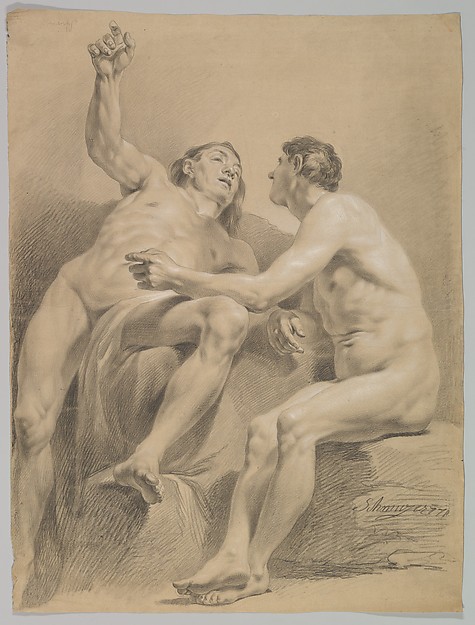 Jakob Matthias Schmutzer — Two Male Nudes, One Seated and On
 Gasparo Diziani — Studieblad met dansende jongeling
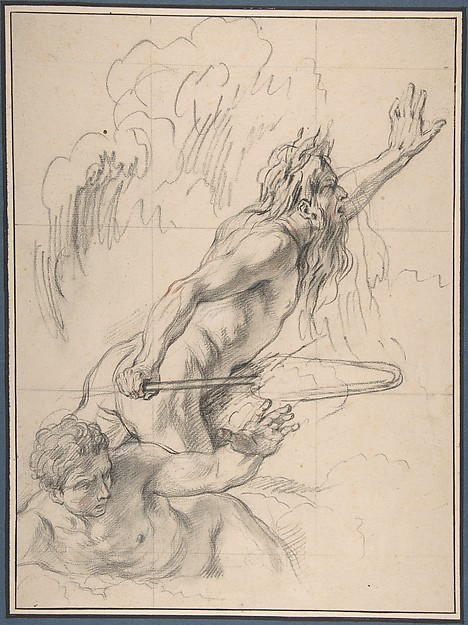 Charles Antoine Coypel — River God and Another Male Figure
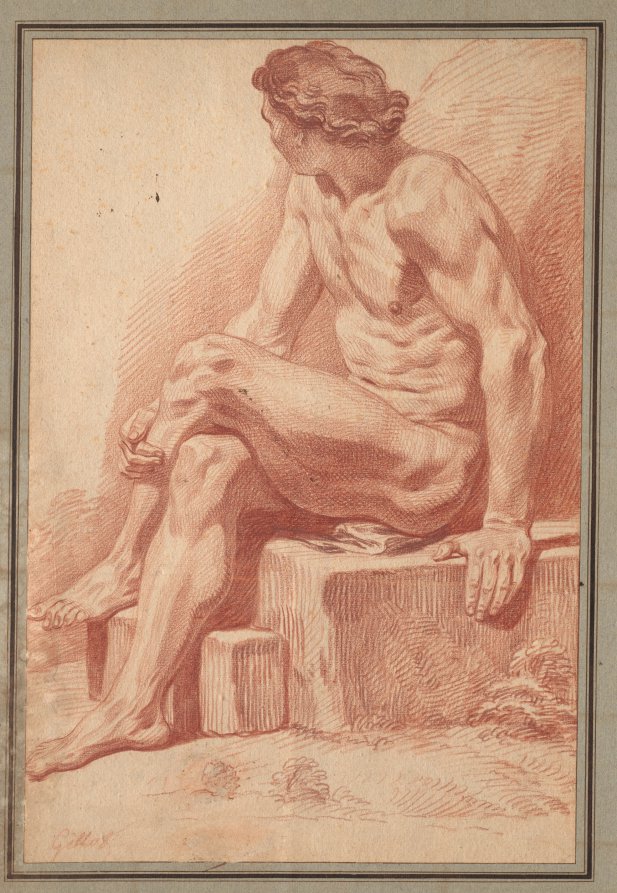 Claude Gillot (French, 1673–1722) — Seated Male Nude
 Giovanni Battista Tiepolo — Antiek beeld van de Sandalenbind
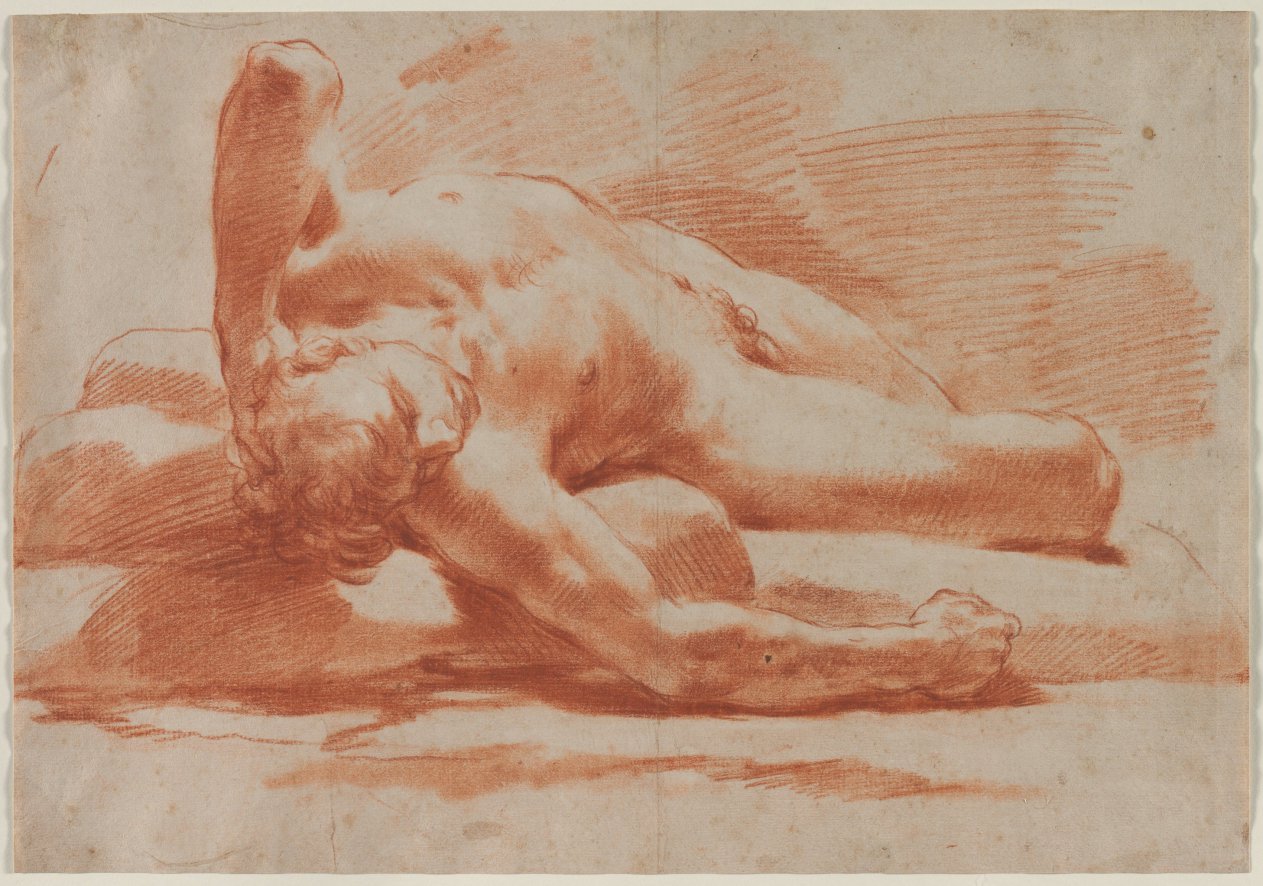 Gaetano Gandolfi (Italian, 1734–1802) — Reclining Male Nude
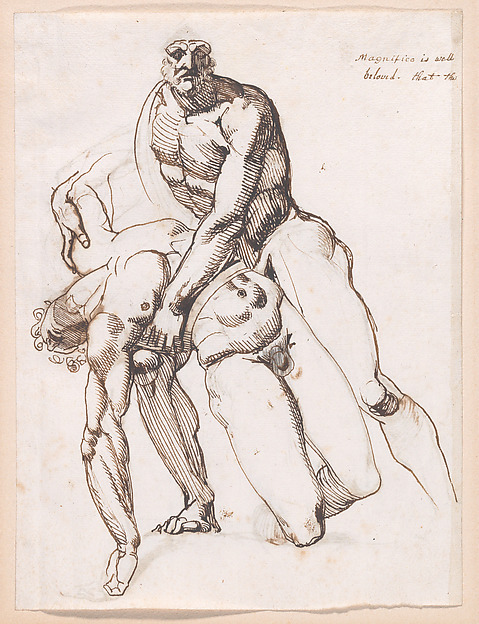 Henry Fuseli — Menelaus and Patroclus, after the Antique (re
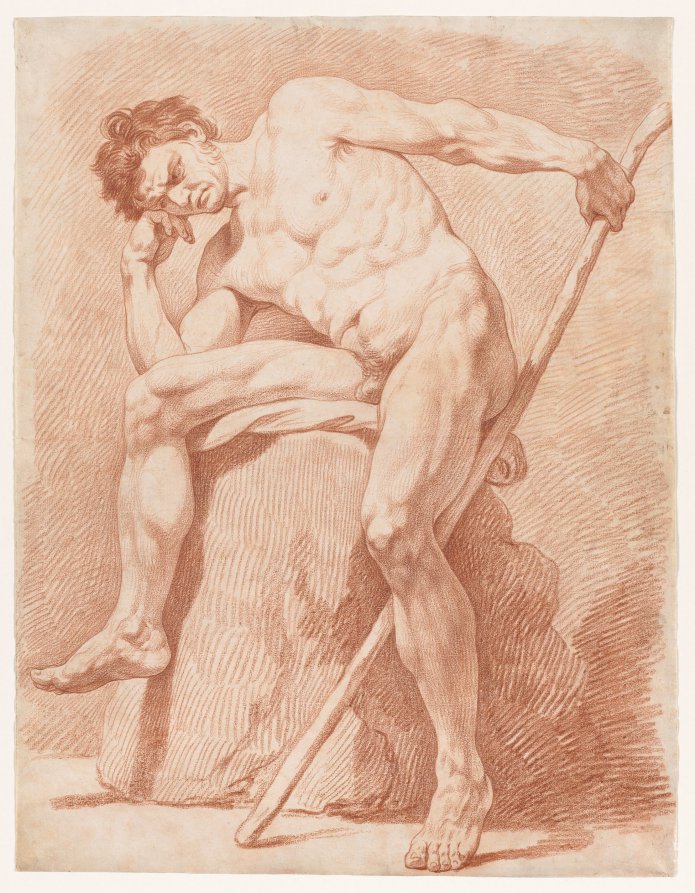 Edmé Bouchardon (French, 1698–1762) — Academy of a Seated Nu
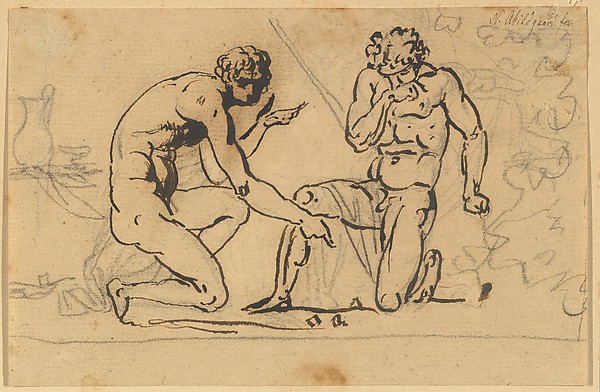 Nicolai Abraham Abildgaard — Two Nude Men Playing with Dice
 Bartholomeus Spranger|Jan Muller — Oreads Removing a Thorn f