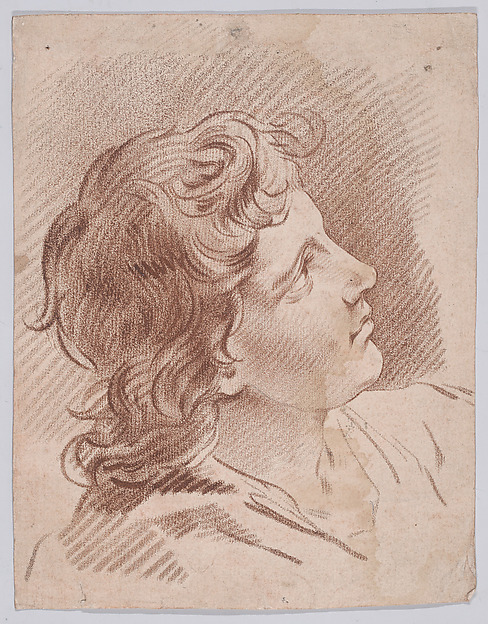
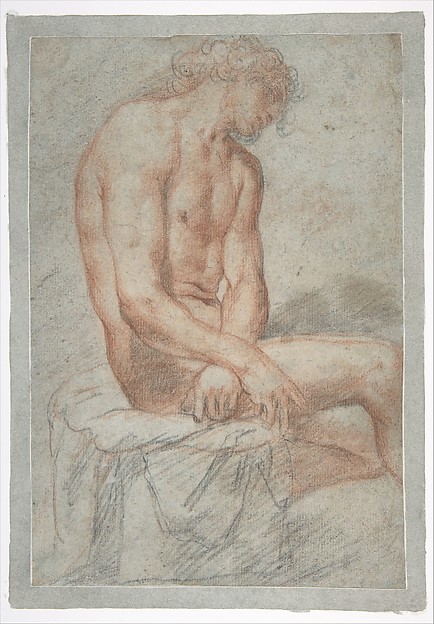
FROM THE CLEVELAND MUSEUM OF ART’S CATALOG
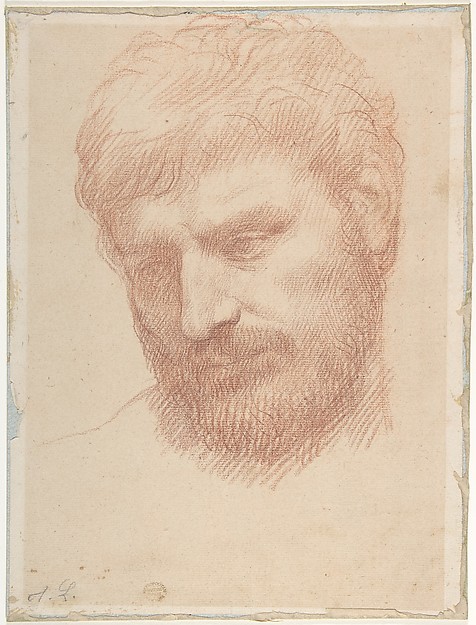
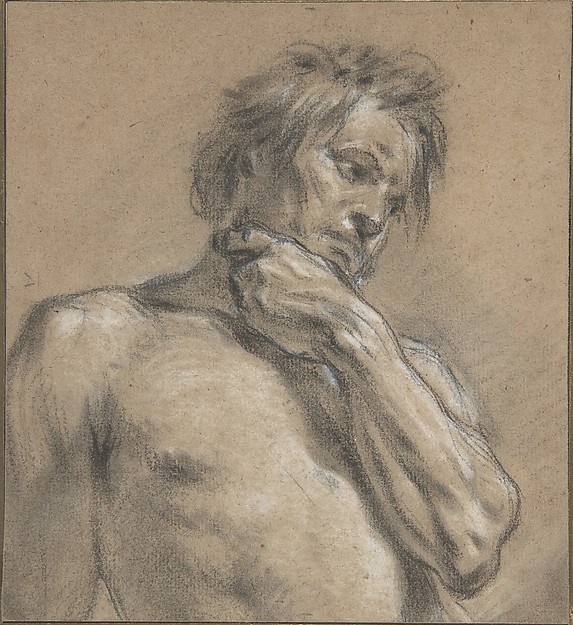
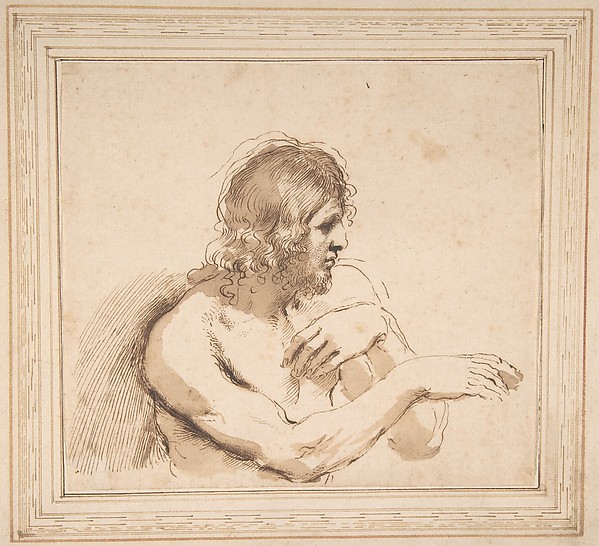
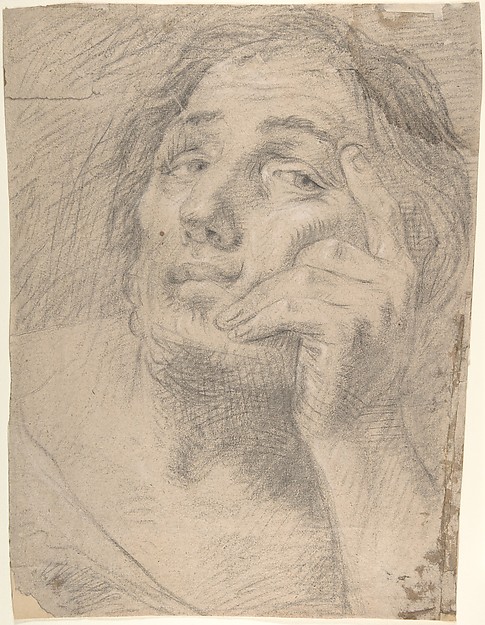
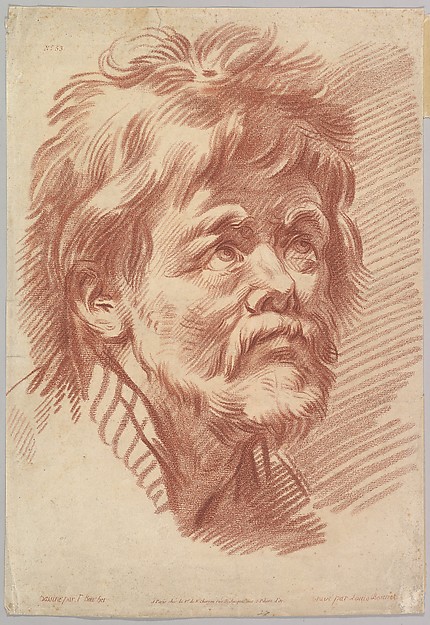
As part of their training in the late 18th century, French artists practiced drawing têtes d'expression, or expressive heads, that display subtleties of human emotion. Greuze made this chalk study in preparation for a painting in which the Roman emperor Septimius Severus rebukes his notoriously ruthless son, Caracalla, for attempting to assassinate him. Although Greuze based this face for the figure of Caracalla on a Roman portrait bust, he imaginatively adapted the facial expression to dramatize Caracalla’s resentment and humiliation during the confrontation.
Source ↗︎
Be the first to share your thoughts.
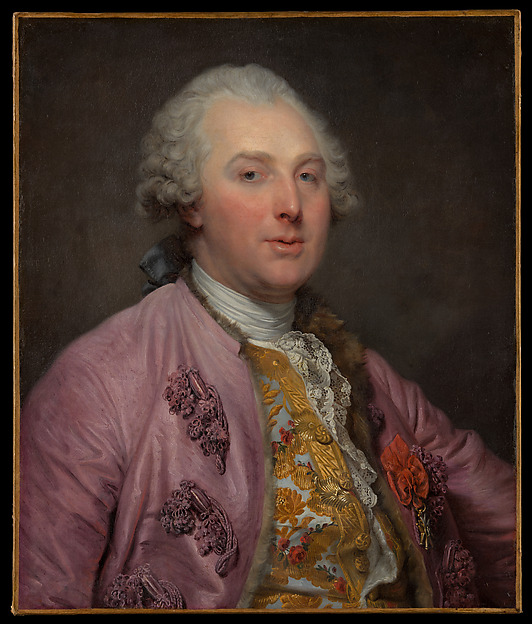 Charles Claude de Flahaut (1730–1809), Comte d'Angiviller
 Portrait of the Marquis de Saint-Paul
 Ange Laurent de La Live de Jully
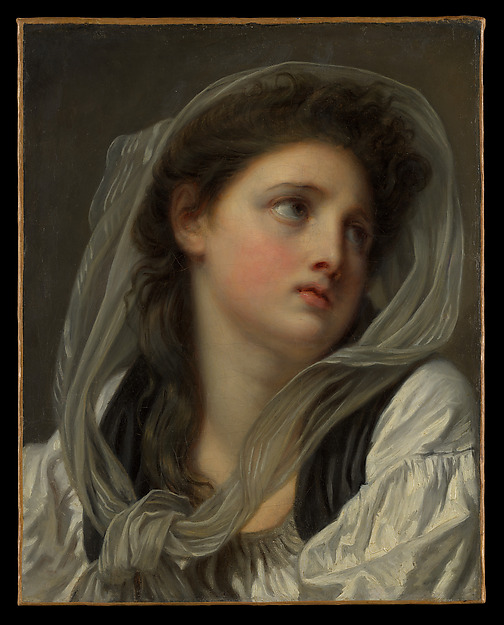 Head of a Young Woman
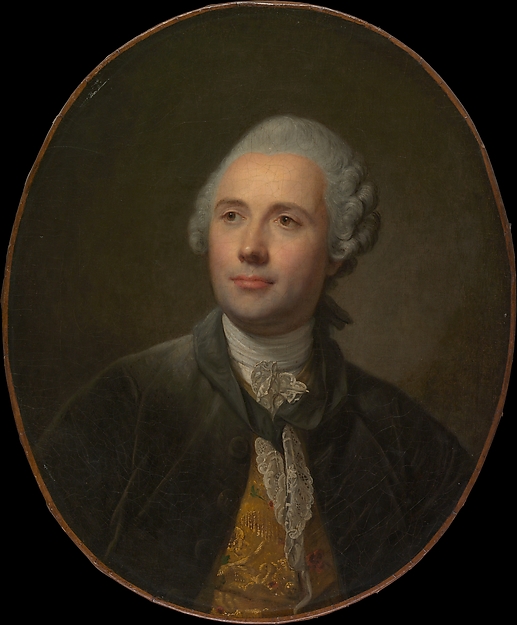 Jean Jacques Caffiéri (1725–1792)
 Portrait of a Lady in Turkish Fancy Dress
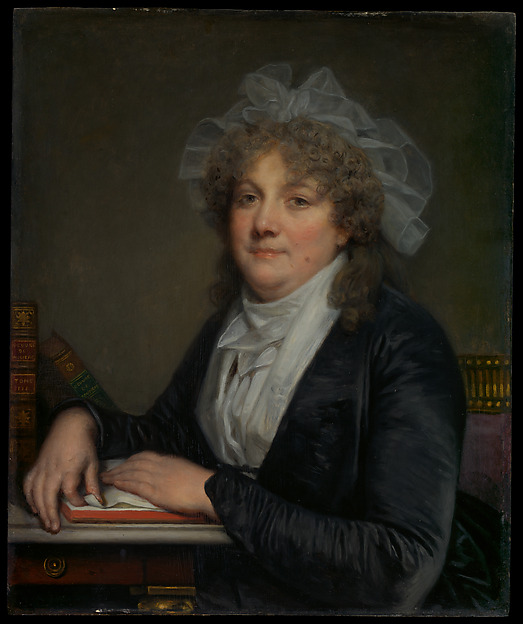 Madame Jean-Baptiste Nicolet (Anne Antoinette Desmoulins, 17
 Study of a Woman’s Head