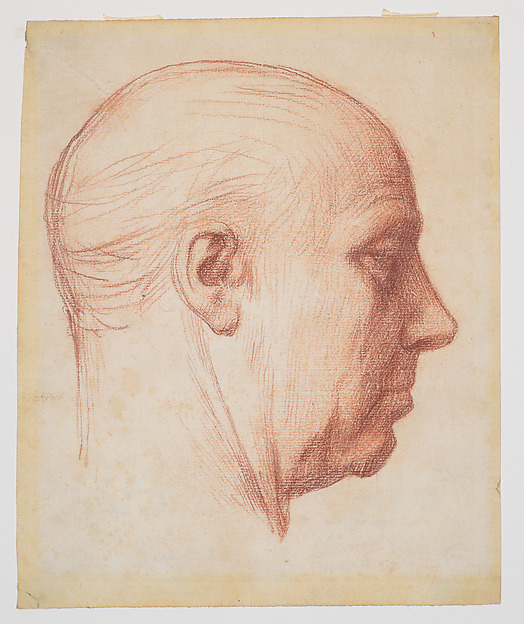
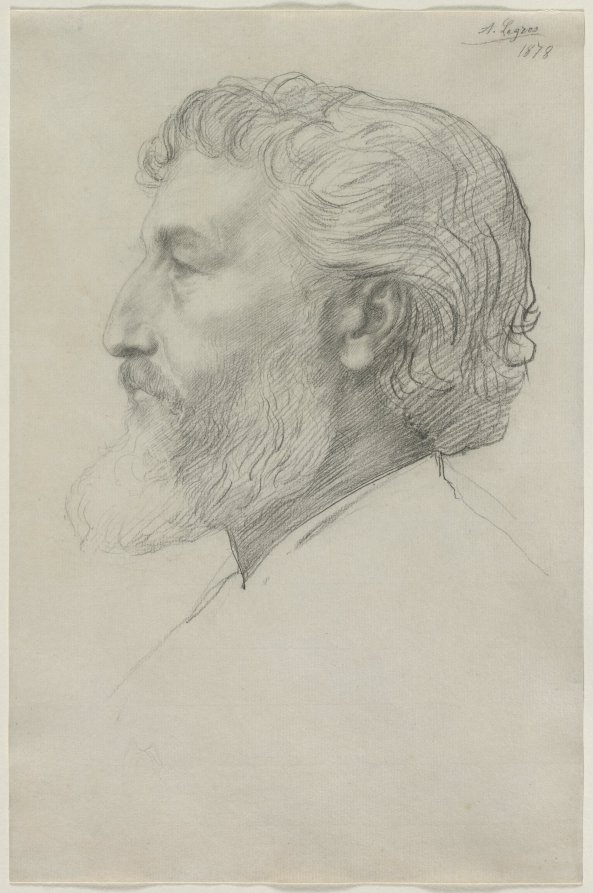
In the collection of Cleveland Museum of Art, Cleveland — check current display status with the museum.
FROM THE CLEVELAND MUSEUM OF ART’S CATALOG
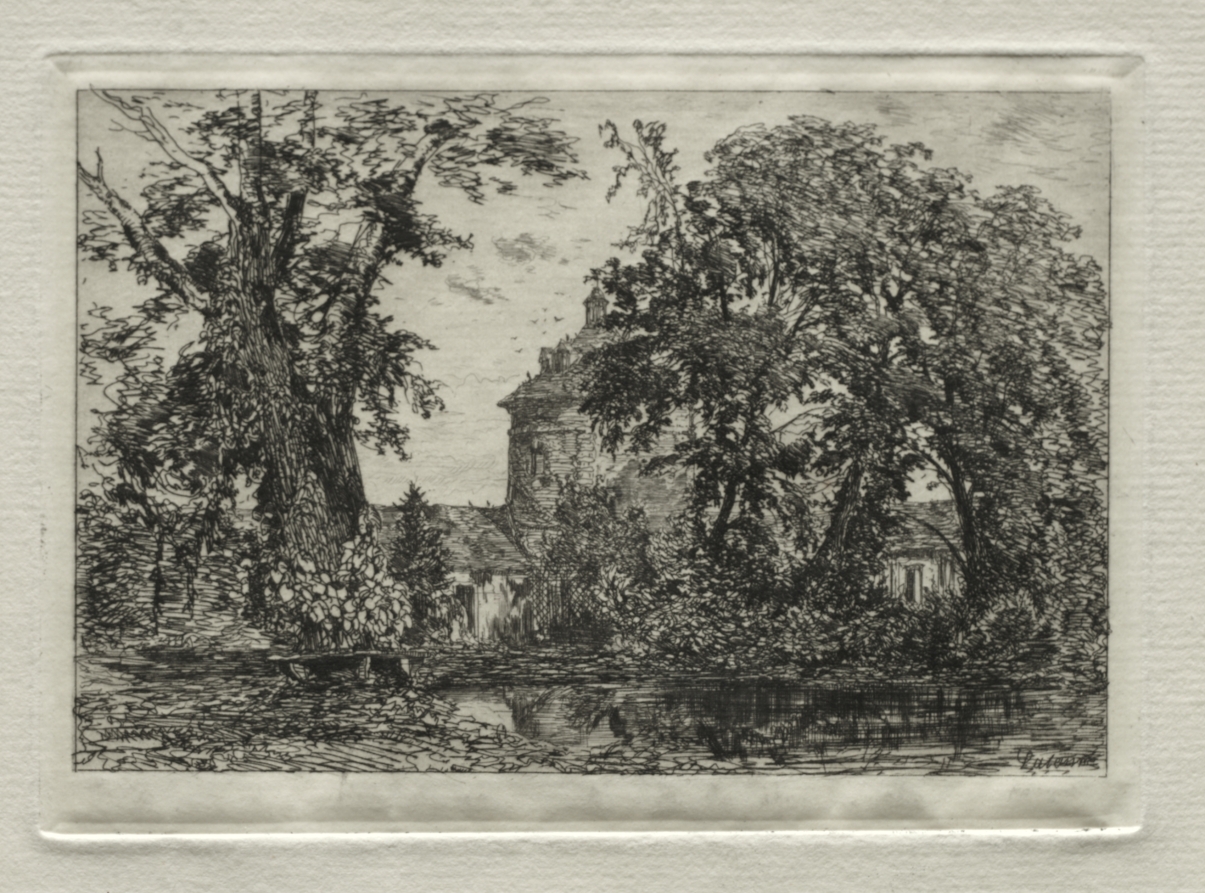
A prolific etcher, Legros played an active role in the French etching revival of the 1860s. Humble, rural landscapes peopled by farmhands and peasants were the subjects of many of his works. After forging a friendship with James Abbott McNeill Whistler, Legros left Paris and moved to London, where he became naturalized in 1880. In Legros’s work, French and English sensibilities merged. In The Abbey Farm , the softness of the rain and the stillness of the abbey farm are accentuated by the delicacy of Legros’s etched lines.
Be the first to share your thoughts.
Sign in to join the discussion.
 Maxime Lalanne (French, 1827–1886) — The Garret
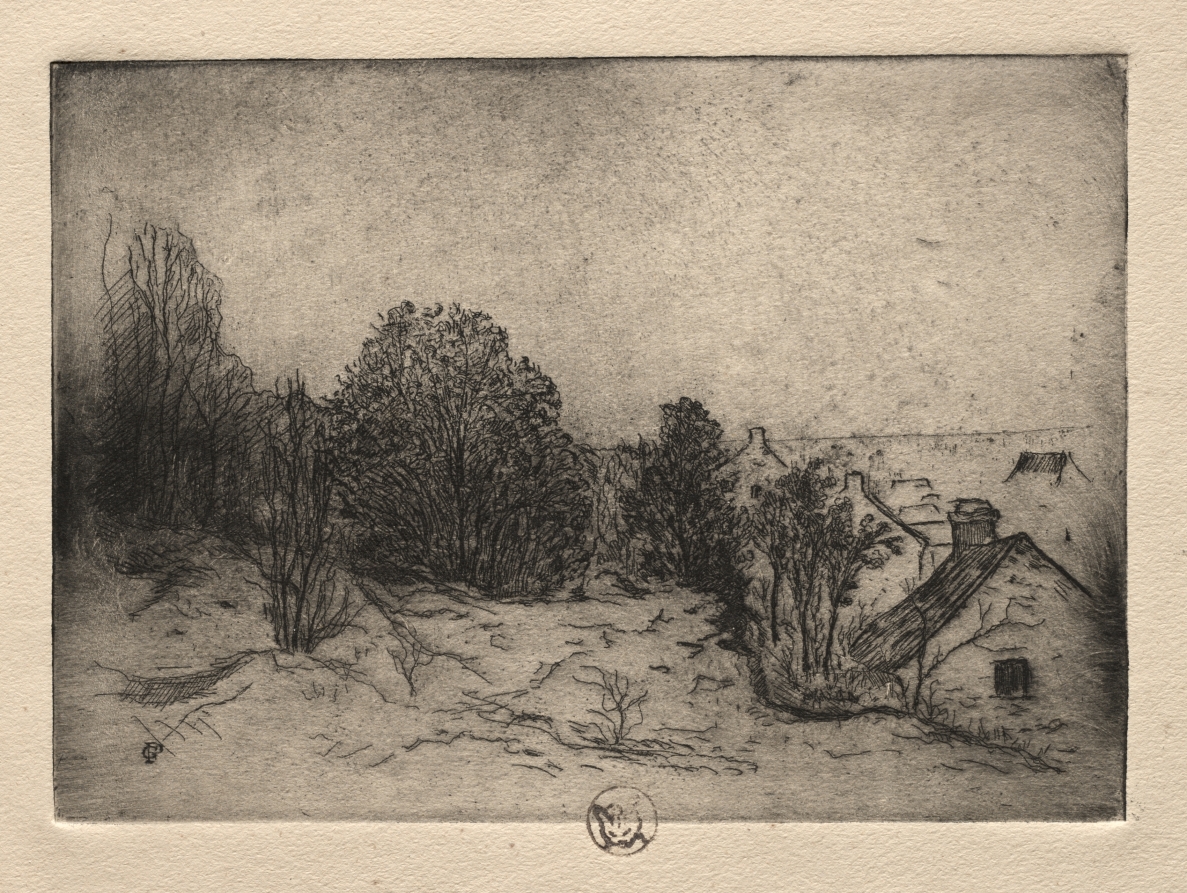 Paul Gachet (French, 1828–1909) — Six Etchings: Vesnots, Auv
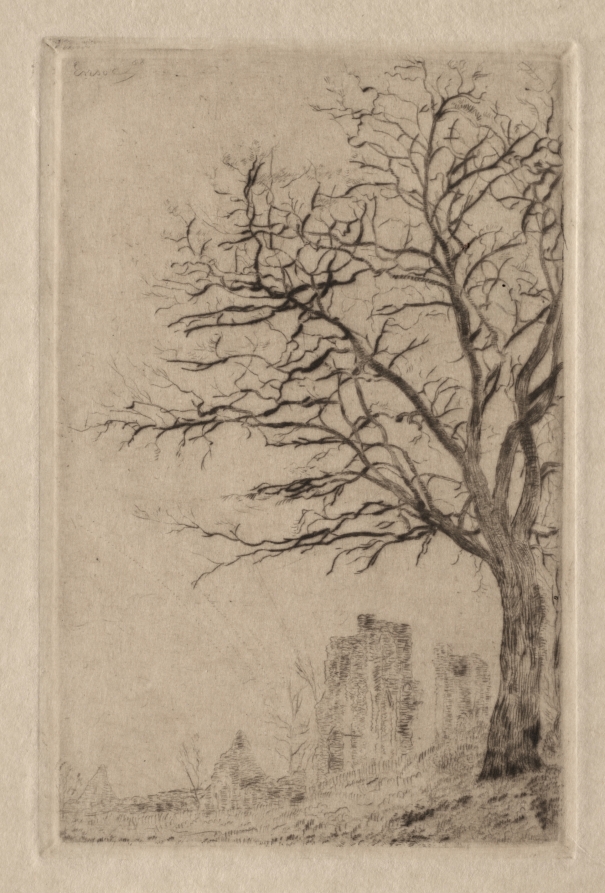 James Ensor (Belgian, 1860–1949) — Acacia
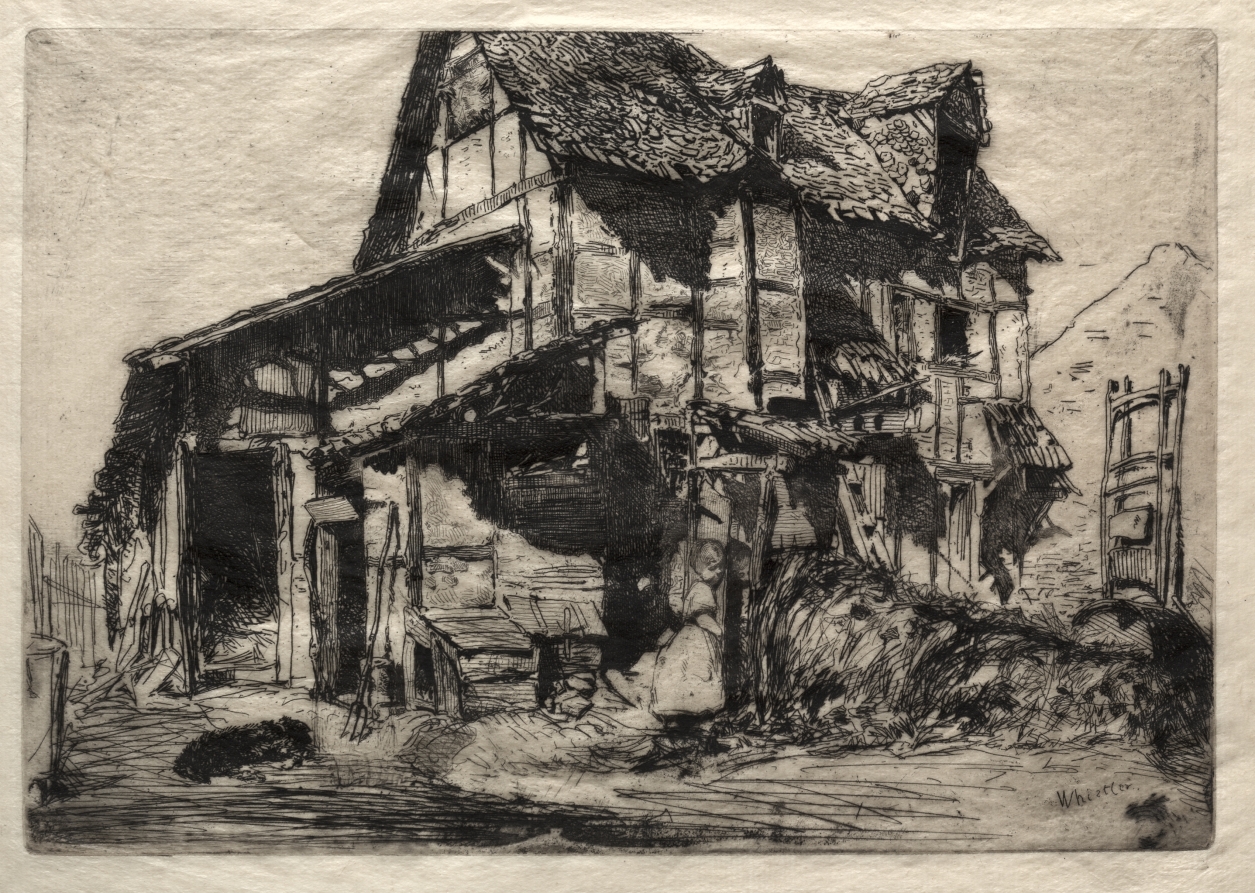 James McNeill Whistler (American, 1834–1903) — The Unsafe Te
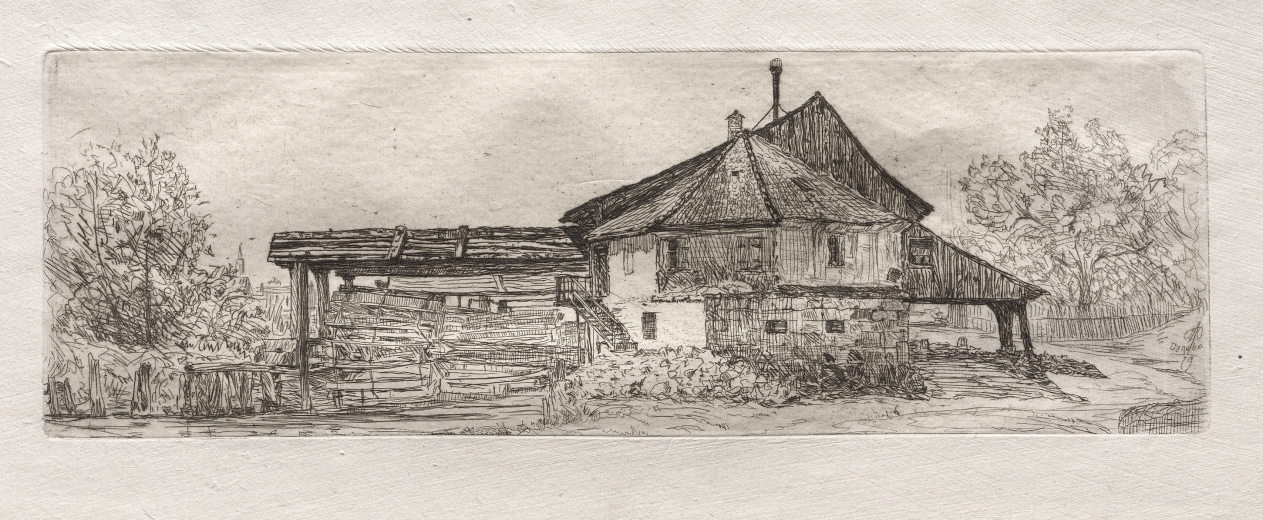 Otto H. Bacher (American, 1856–1909) — Old Mill on the Danub
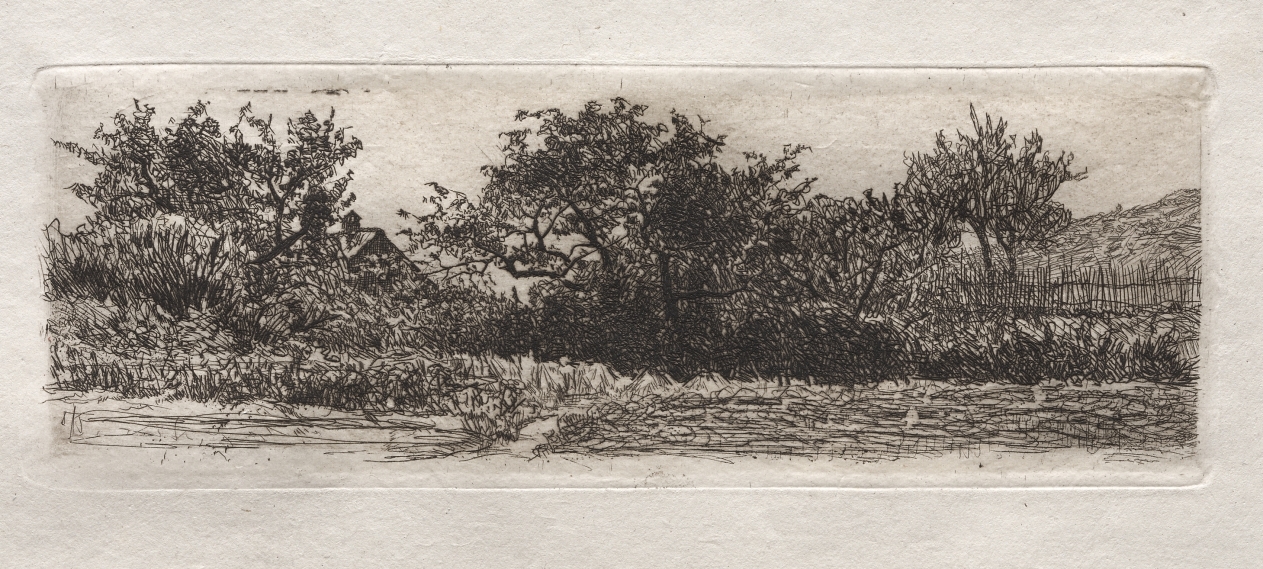 Otto H. Bacher (American, 1856–1909) — Roofs and Trees
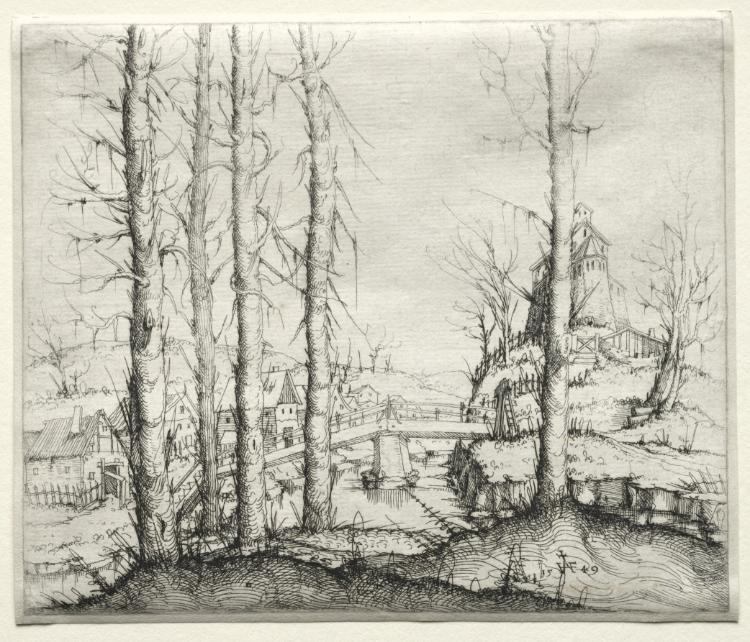 Augustin Hirschvogel (German, 1503–1553) — River Landscape w
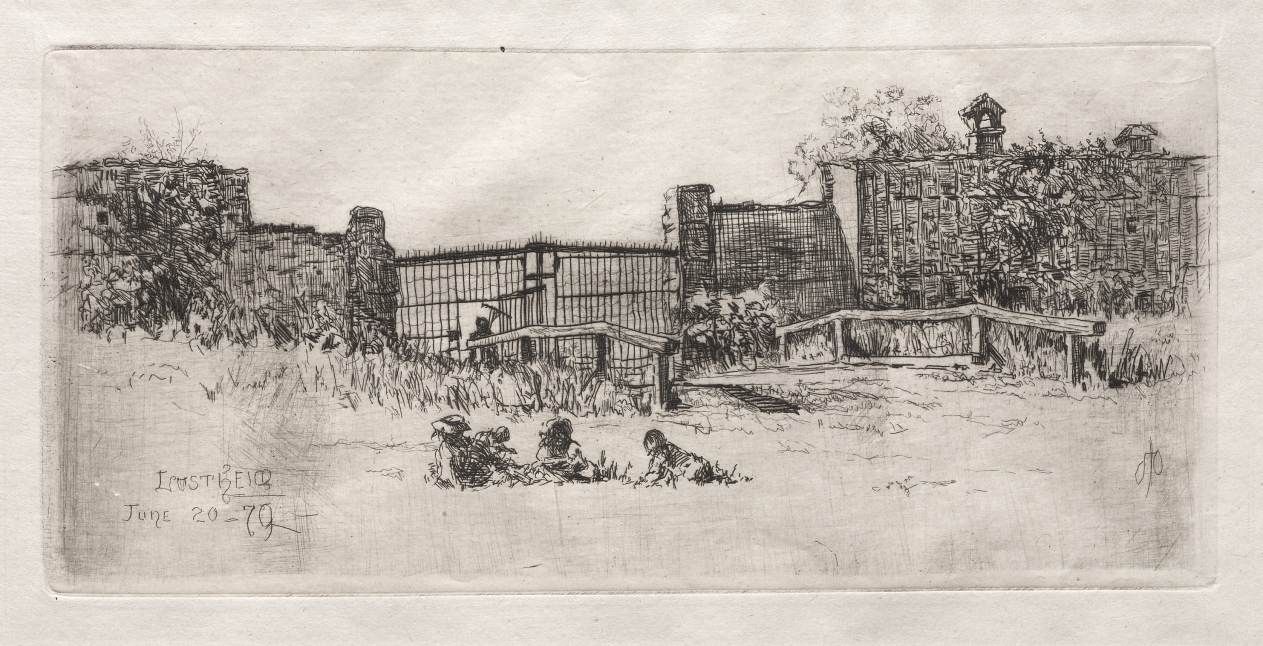 Otto H. Bacher (American, 1856–1909) — The Gate, Lustheim
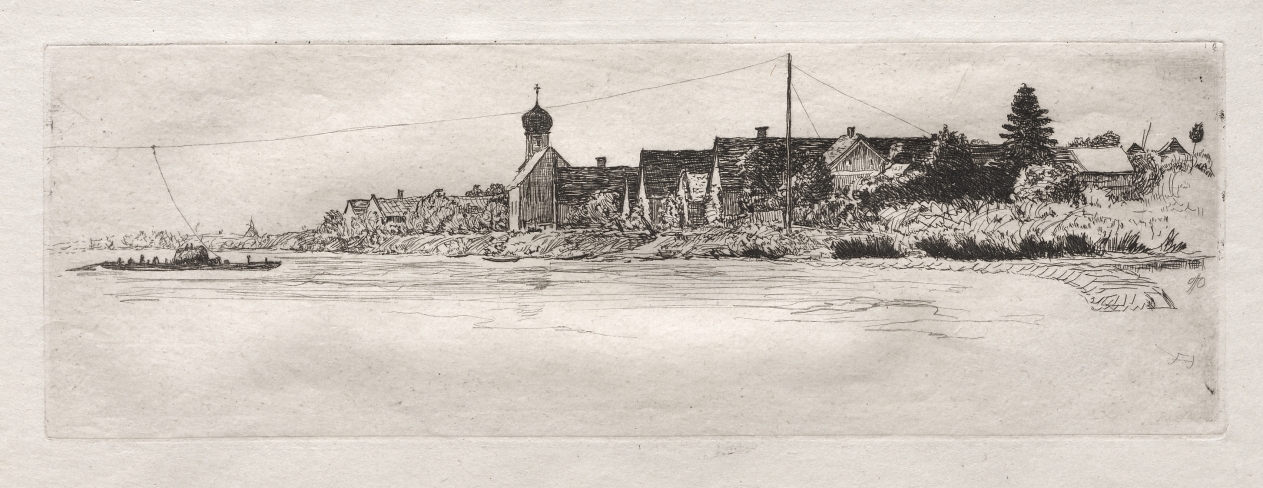 Otto H. Bacher (American, 1856–1909) — Ferry at Schwabel Wei
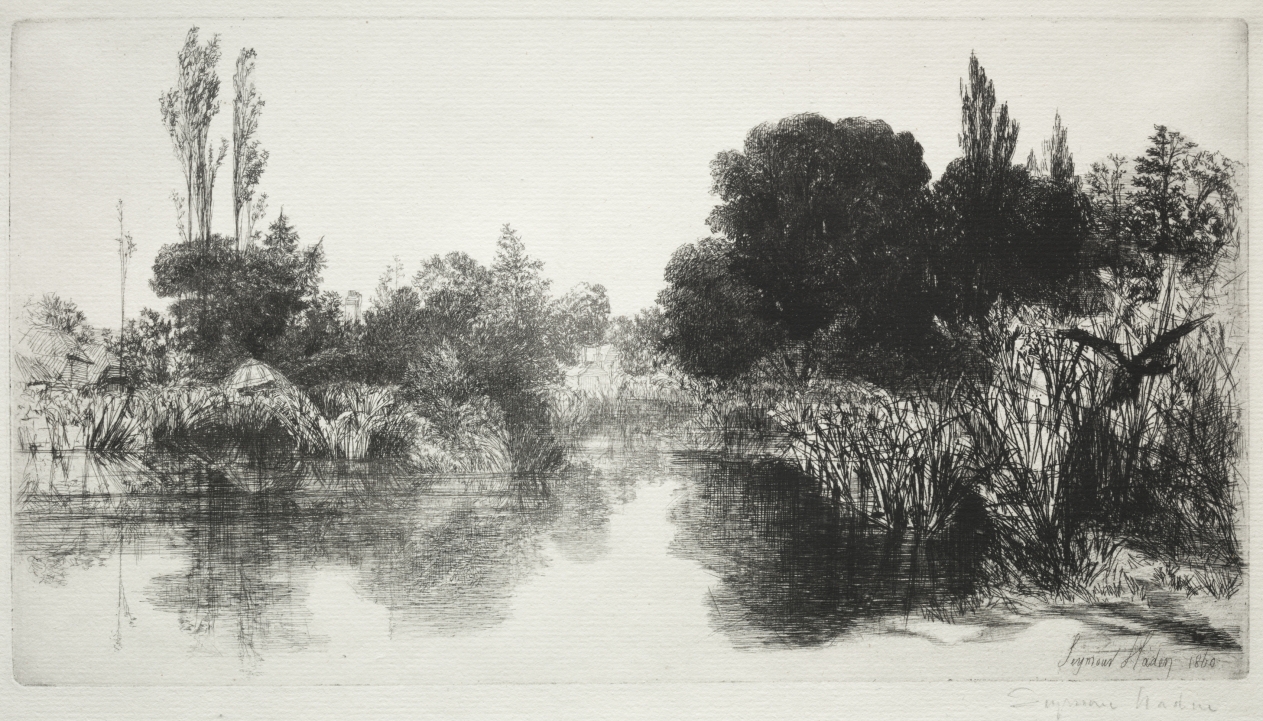 Francis Seymour Haden (British, 1818–1910) — Shere Mill Pond
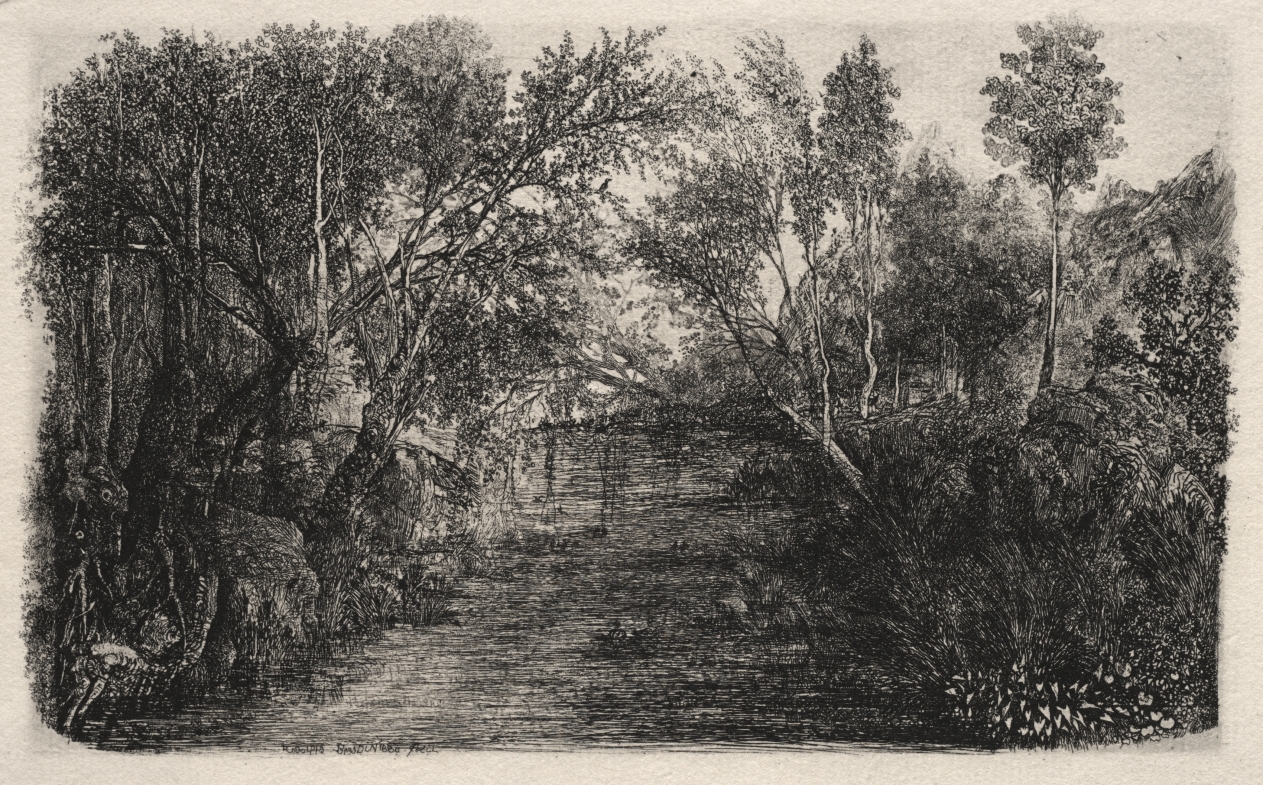 Rodolphe Bresdin (French, 1822–1885) — The Stream
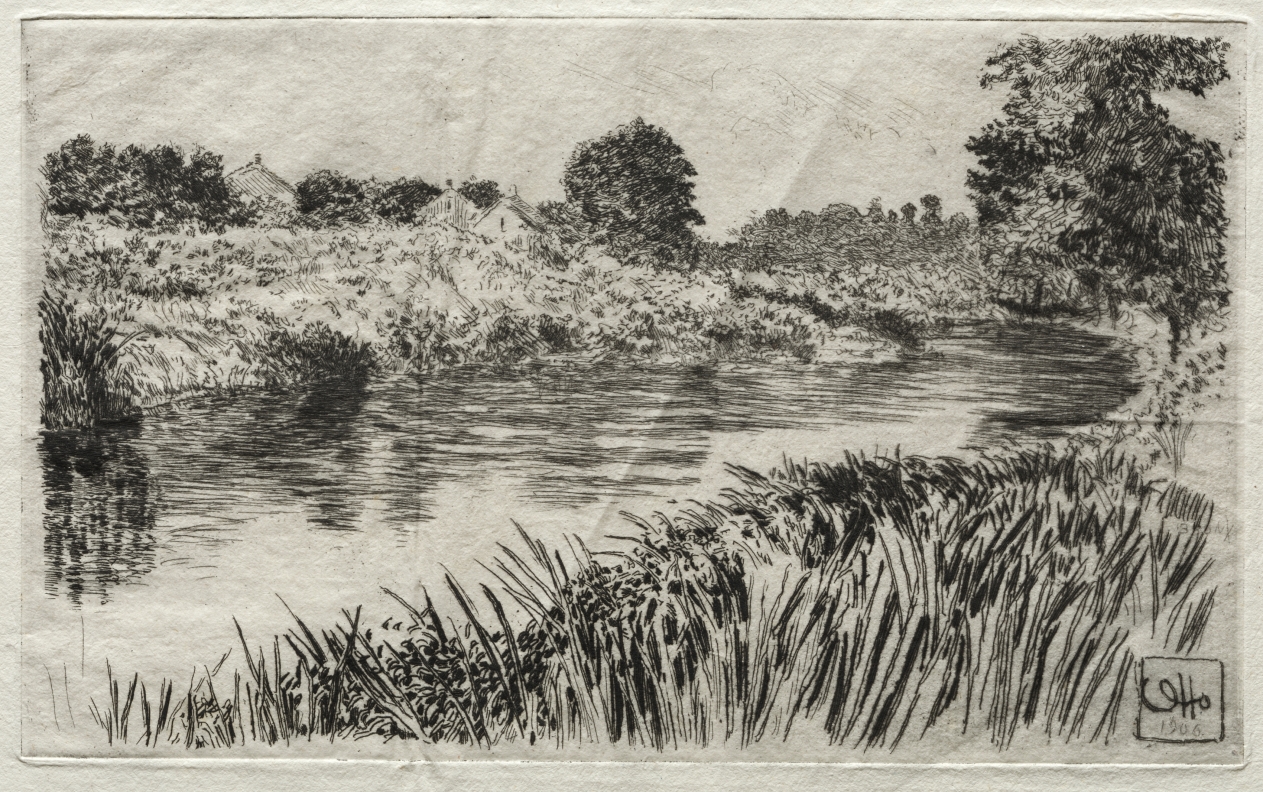 Otto H. Bacher (American, 1856–1909) — On the Bronx