In the collection of Cleveland Museum of Art, Cleveland — check current display status with the museum.
FROM THE CLEVELAND MUSEUM OF ART’S CATALOG
This watercolor provides a close-up view of the Abu Simbel temples, which were buried in sand until their rediscovery in the 19th century. The American artist Henry Roderick Newman portrayed their architecture in multiple drawings between 1894 and 1913. In this later work, he meticulously layered dots and other marks to capture the tonality of sand and desert light.
Be the first to share your thoughts.
Sign in to join the discussion.
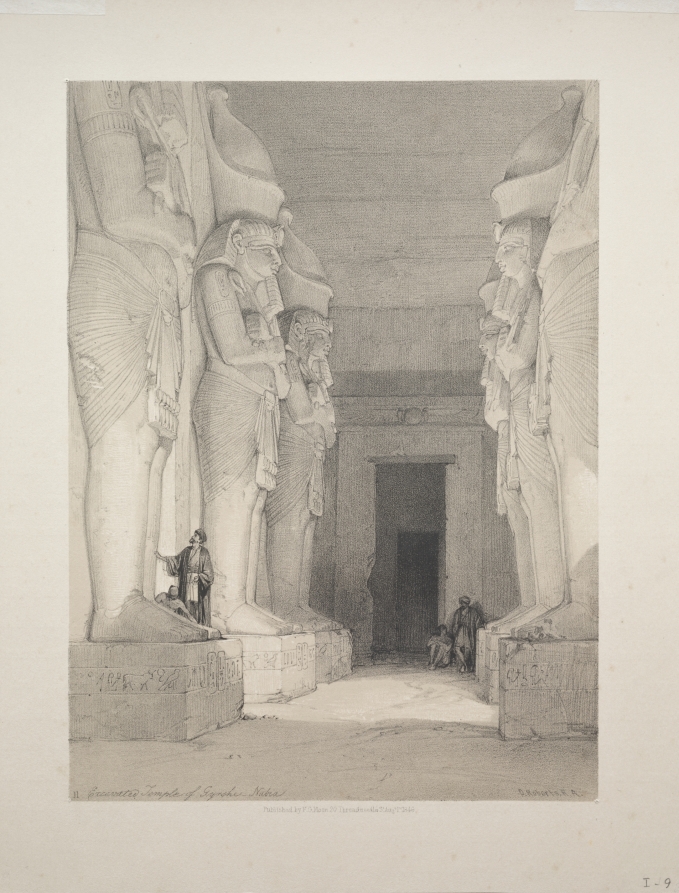 Louis Haghe (British, 1806–1885) — Egypt and Nubia: Volume
 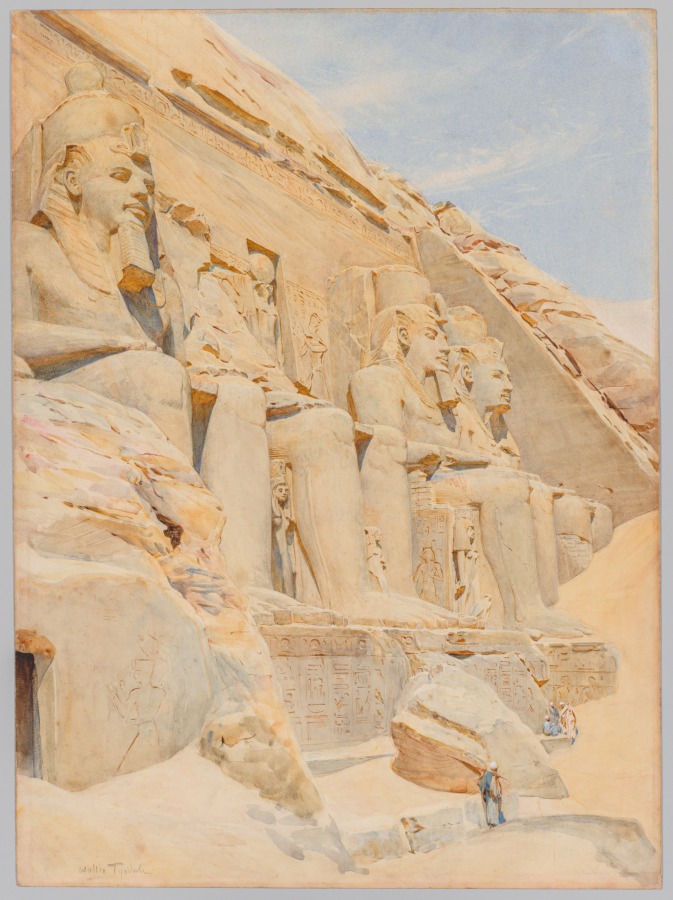 Walter Frederick Roofe Tyndale (British, born Belgium, 1855–
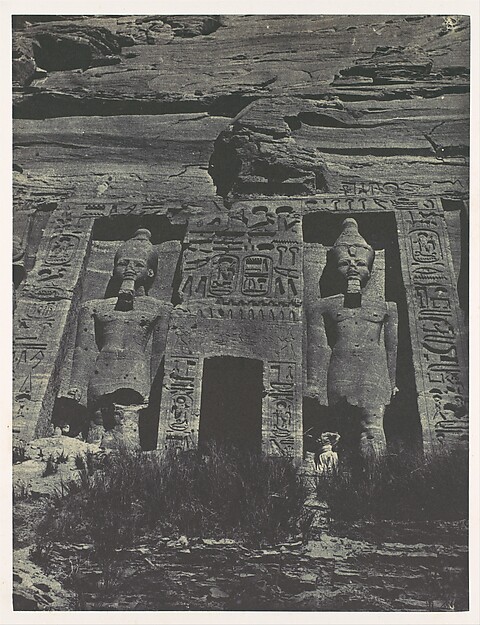 Maxime Du Camp|Imprimerie photographique de Blanquart-Évrard
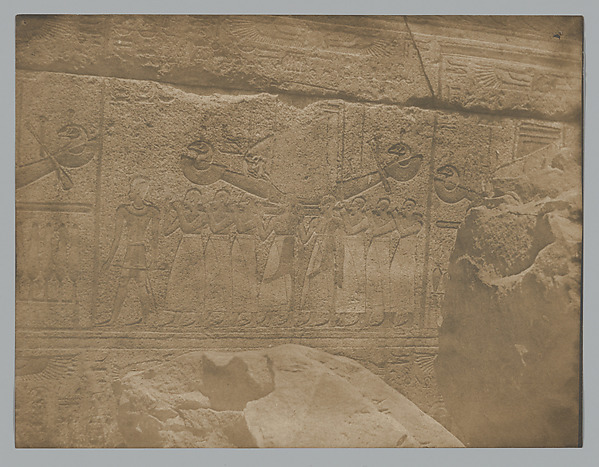 Maxime Du Camp — Palais de Karnak, sculptures extérieures du
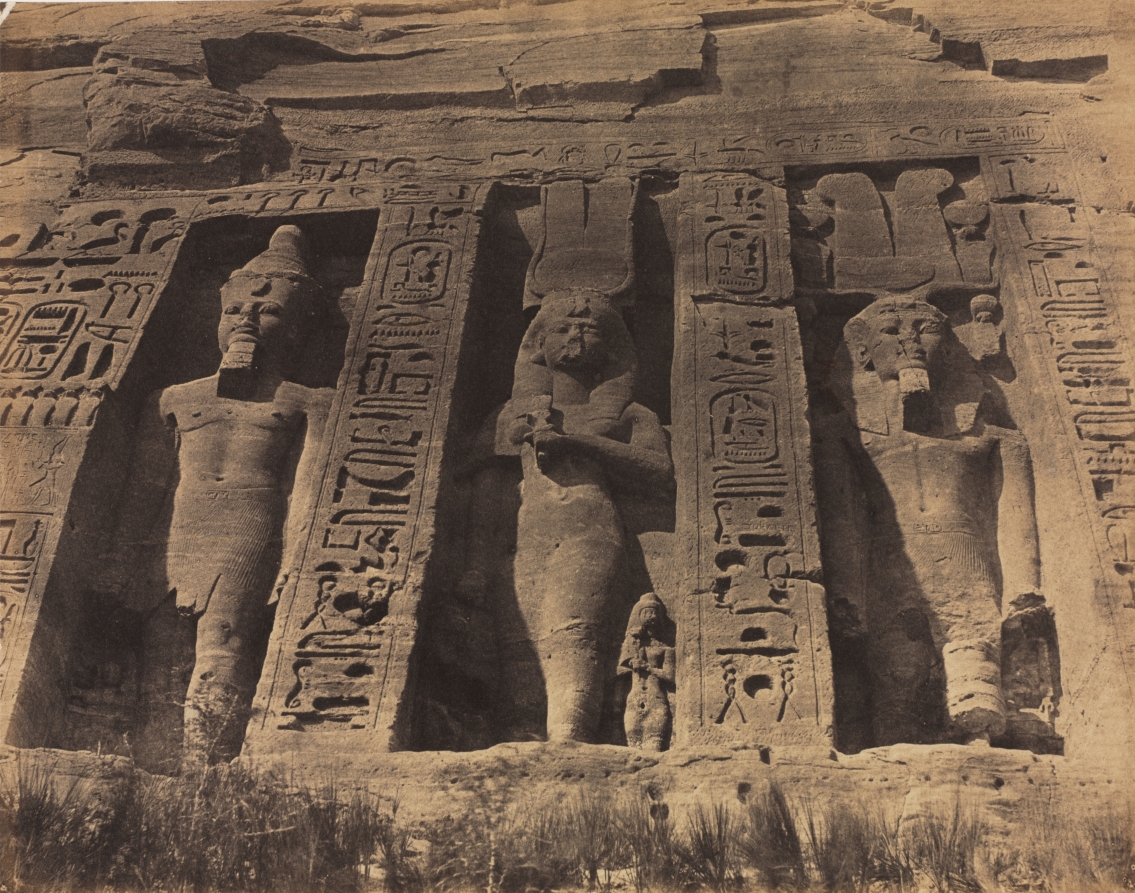 Robert Murray (British, 1822–1893) — Temple of Abu Simbel
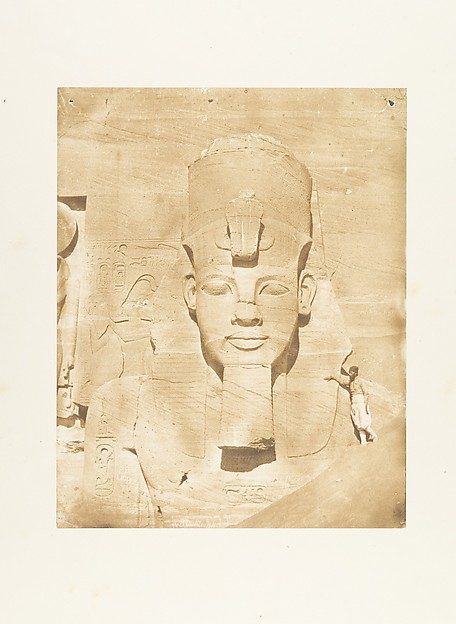 Maxime Du Camp — Colosse médial du Spéos d'Phré, à Abousembi
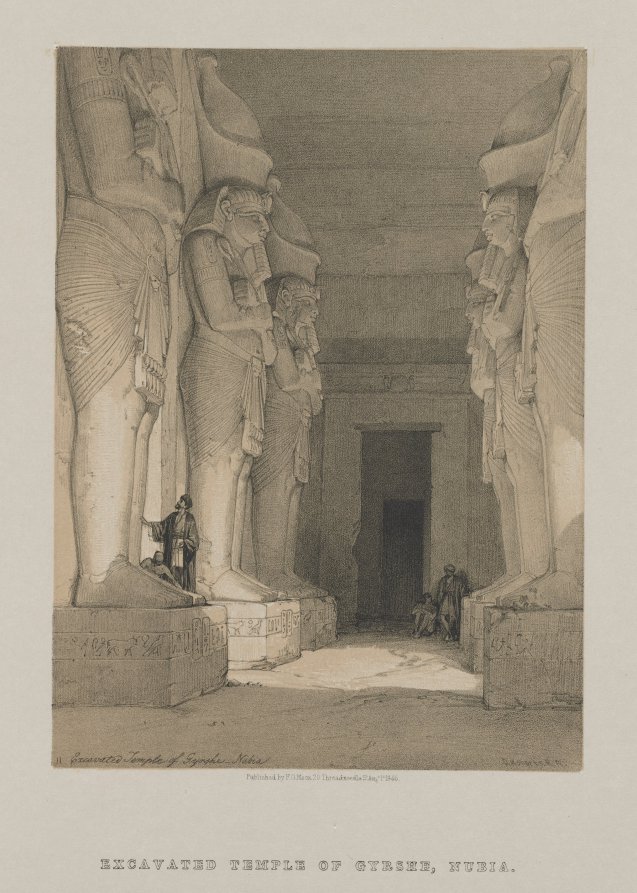 Louis Haghe (British, 1806–1885) — Egypt and Nubia, Volume I
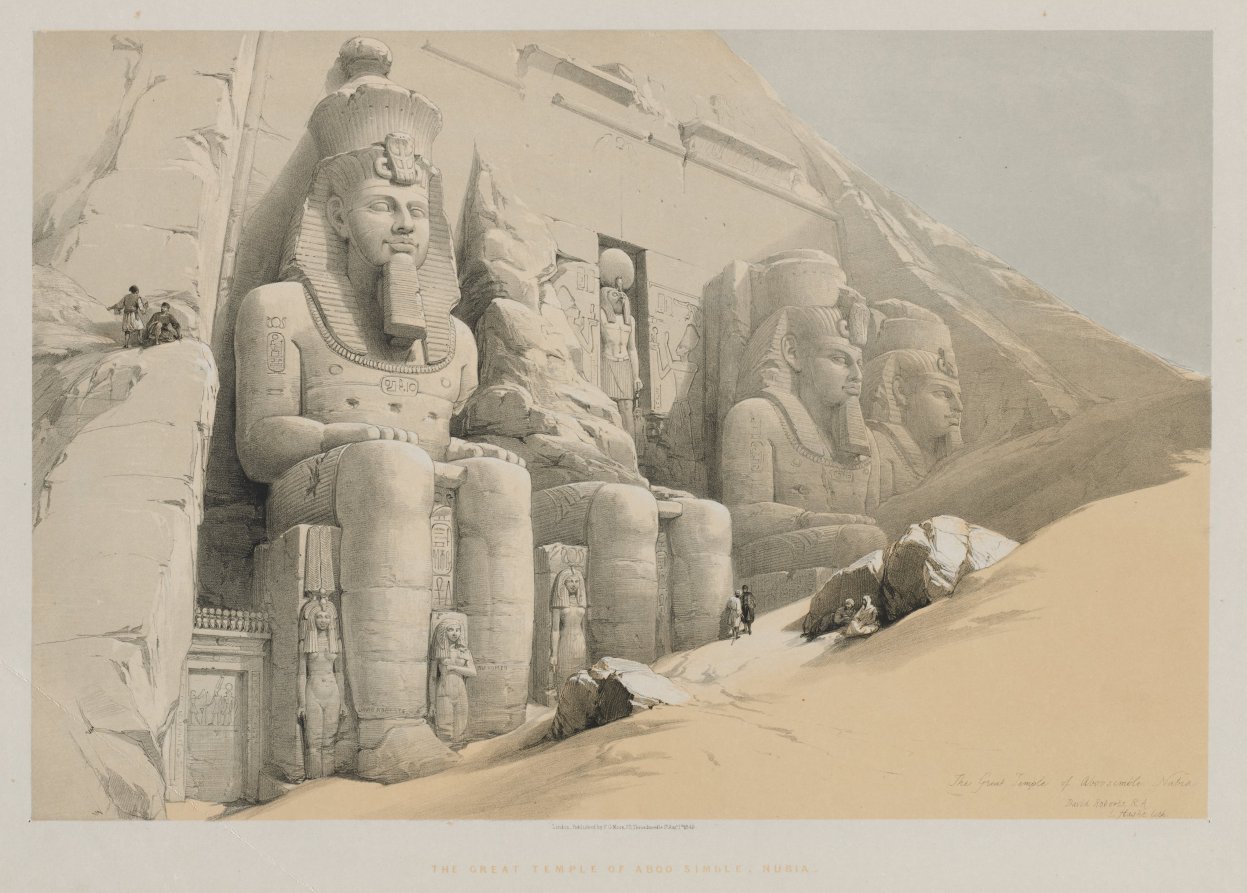 Louis Haghe (British, 1806–1885) — Egypt and Nubia, Volume I
 Félix Teynard — Abo-Sembil, Grand Spéos, Statues Colossales
 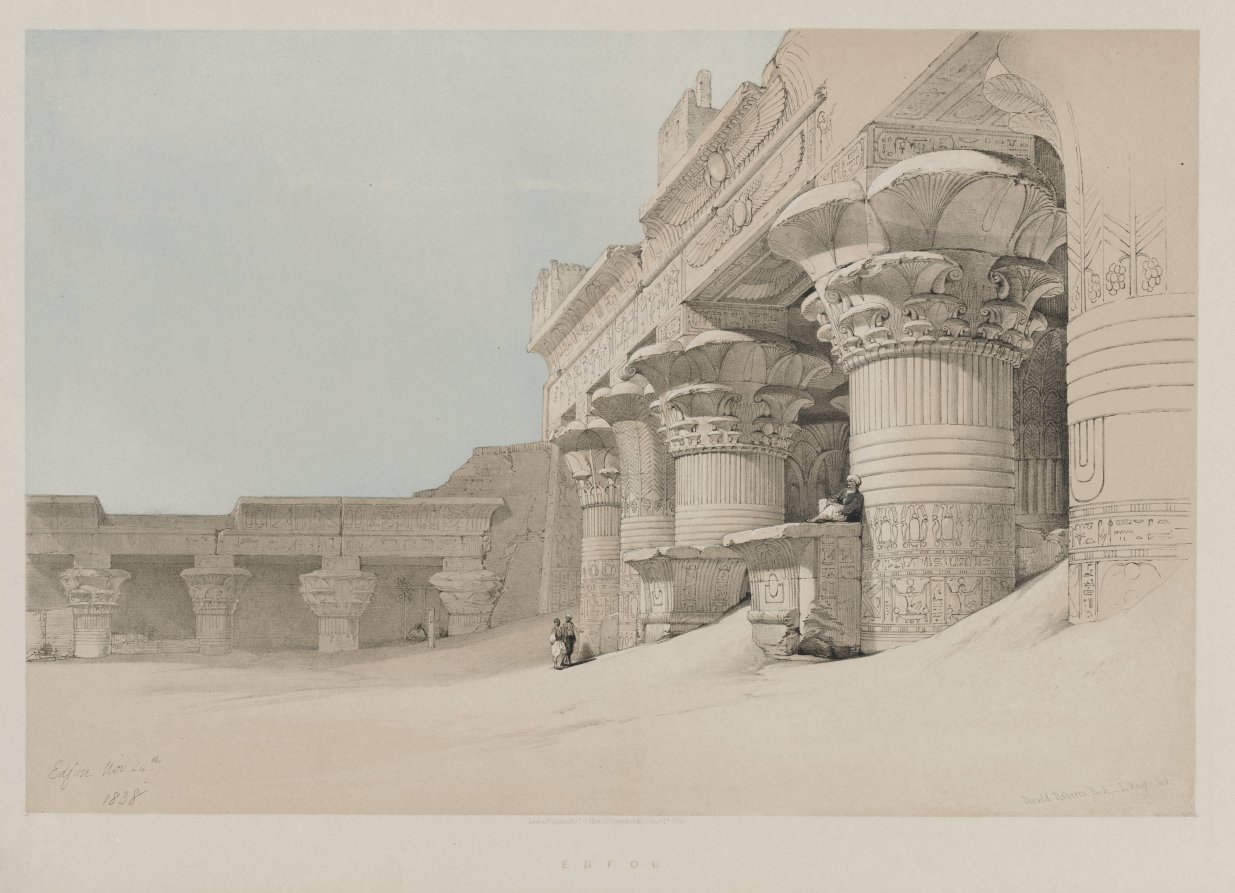 Louis Haghe (British, 1806–1885) — Egypt and Nubia, Volume I
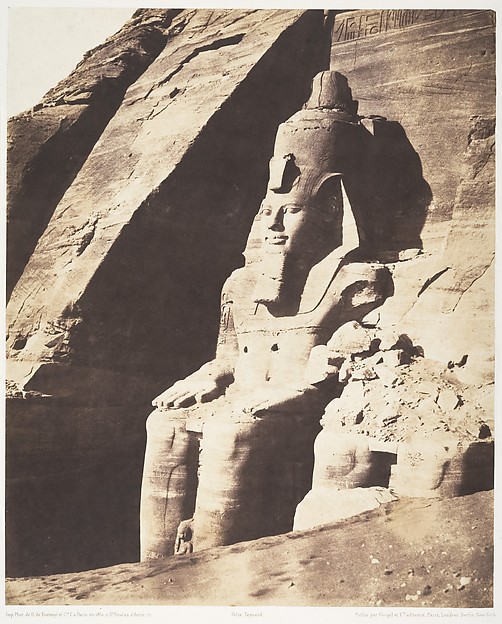 Félix Teynard — Abou Sembil, Grand Spéos - Statues Colossale
 David Roberts — Colossi, Thebes, Egypt