Lélio: The Aeolian Harp, from Hector Berlioz, sa vie et ses oeuvres
1888
Lithograph in black on off-white China paper, laid down on white wove paper (chine collé)
23.1 × 15.1 cm (9.1 × 5.9 in)
SEE IT IN PERSON
Not currently on view
In the collection of Art Institute of Chicago, Chicago · as of July 2026
Discussion
FROM THE ART INSTITUTE OF CHICAGO’S CATALOG
Hector Berlioz created Lélio , a work incorporating both music and spoken text, as a sequel to his Symphonie Fantastique. Like its predecessor, Lélio tells the story of a failed love affair, but it also describes the artist’s turn to music as an antidote to his heartbreak. This lithograph depicts Lélio ’s fifth song, in which the artist listens to an Aeolian harp. Played by the wind, this wooden instrument served as an important symbol of artistic inspiration during the Romantic era.
Be the first to share your thoughts.
Sign in to join the discussion.
More by Henri Fantin-Latour



More like this
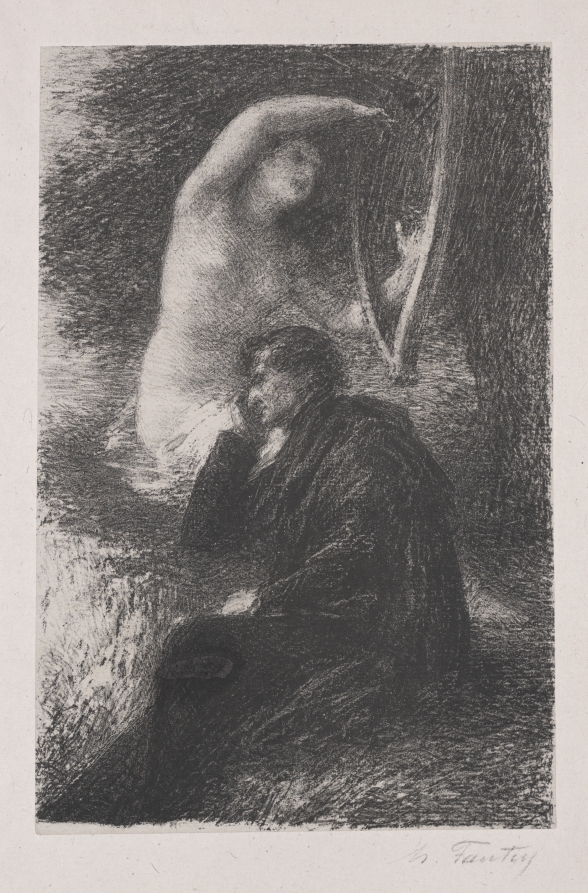 Henri Fantin-Latour (French, 1836–1904) — Lélio: The Aeolian
 Henri Fantin-Latour (French, 1836–1904) — Manfred and Astart
 Henri Fantin-Latour (French, 1836–1904) — The Muse
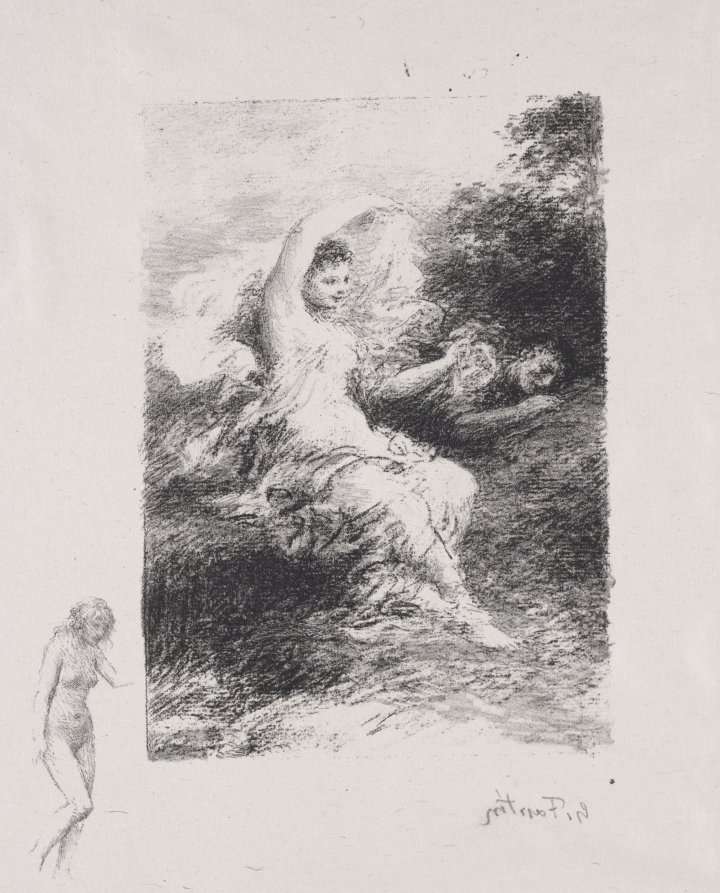 Henri Fantin-Latour (French, 1836–1904) — Lydé
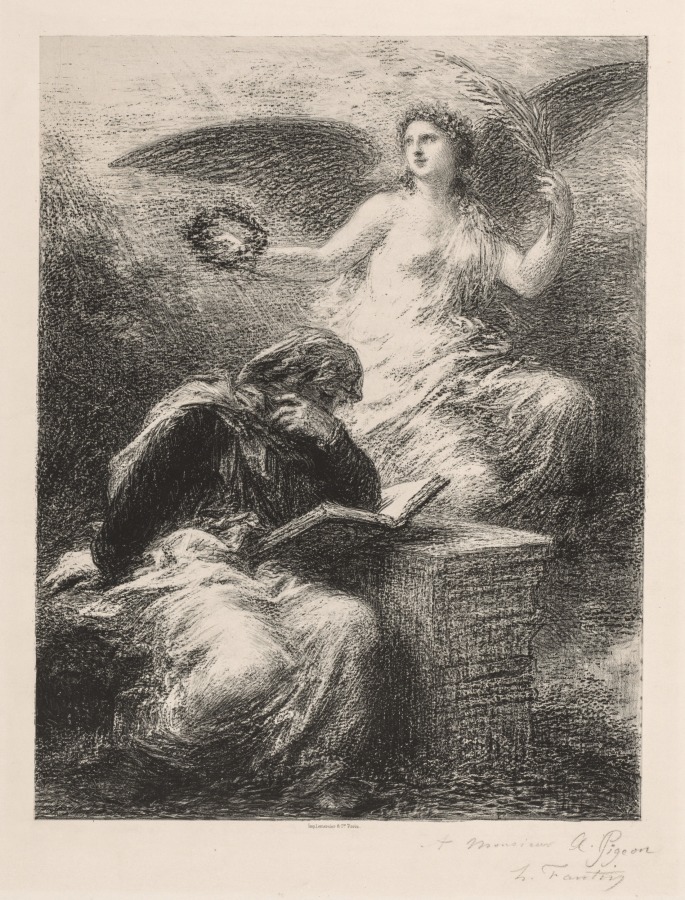 Henri Fantin-Latour (French, 1836–1904) — Glory
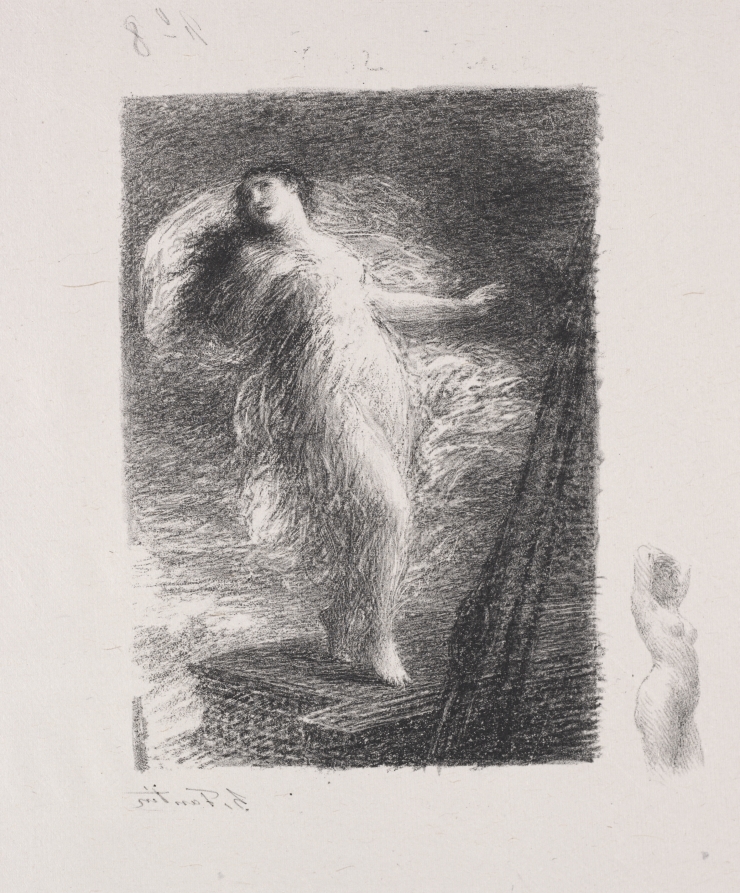 Henri Fantin-Latour (French, 1836–1904) — La jeune Tarentine
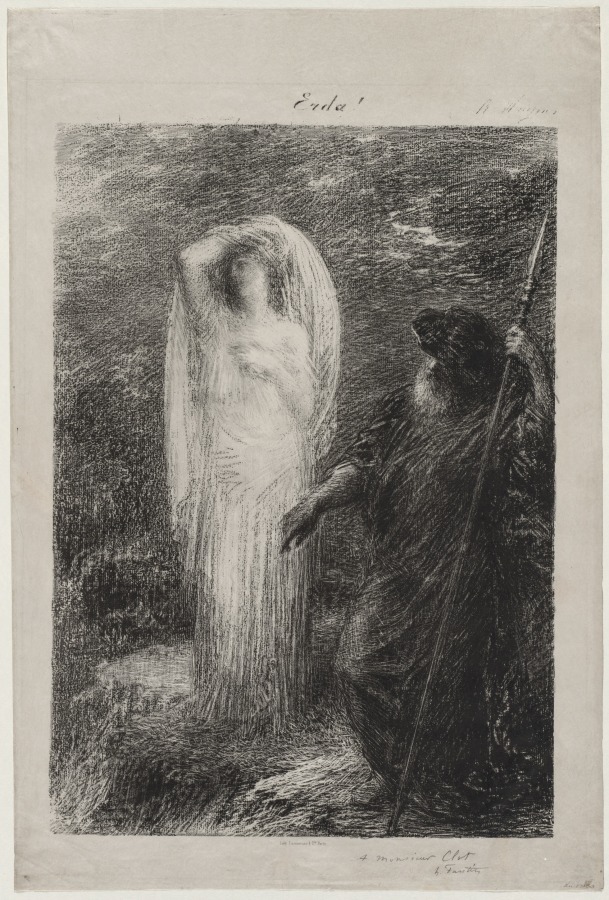 Henri Fantin-Latour (French, 1836–1904) — L'Evocation d'Erda
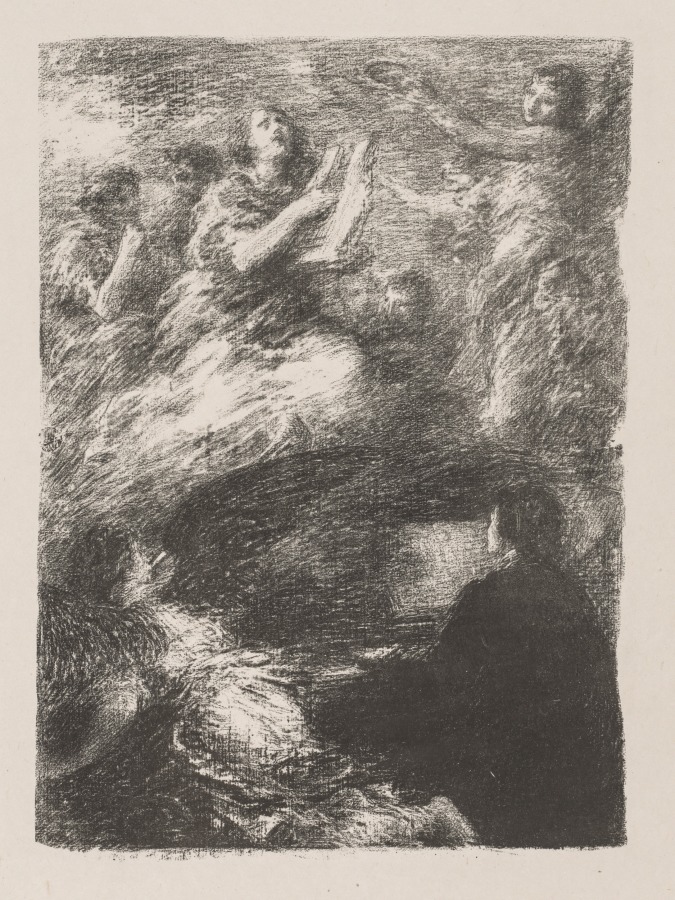 Henri Fantin-Latour (French, 1836–1904) — Last Theme of Robe
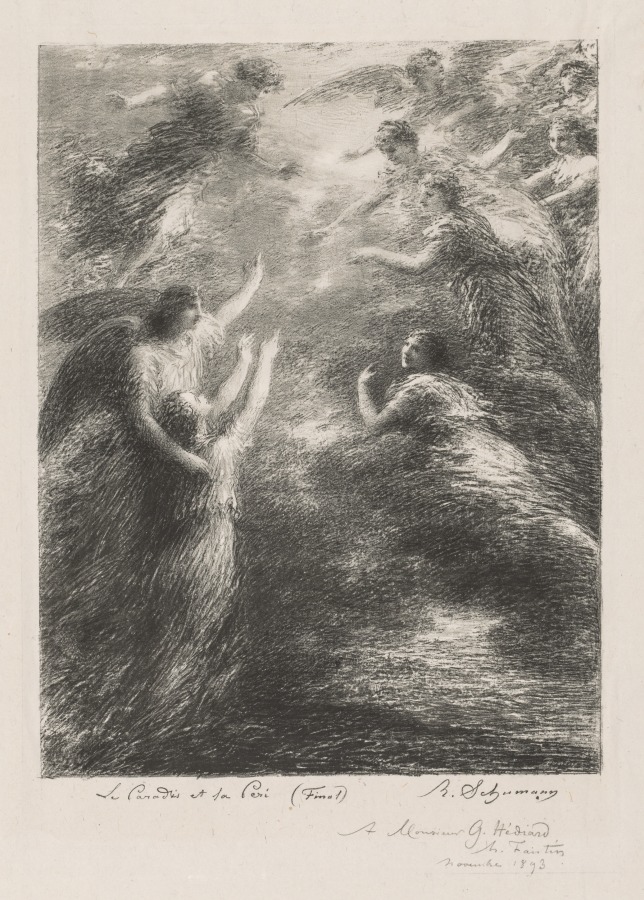 Henri Fantin-Latour (French, 1836–1904) — Le Paradis et la P
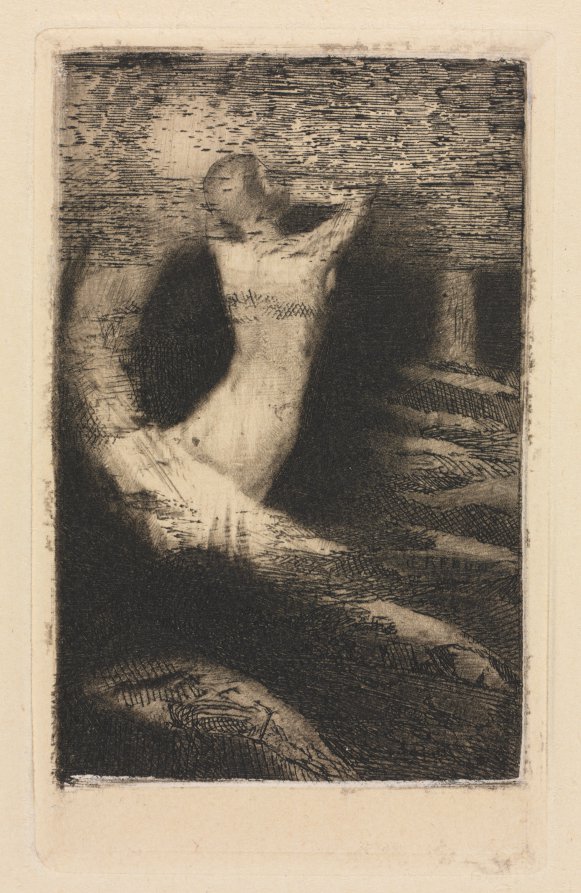 Odilon Redon (French, 1840–1916) — Passage of a Soul
 Rembrandt van Rijn — Woman with the Arrow
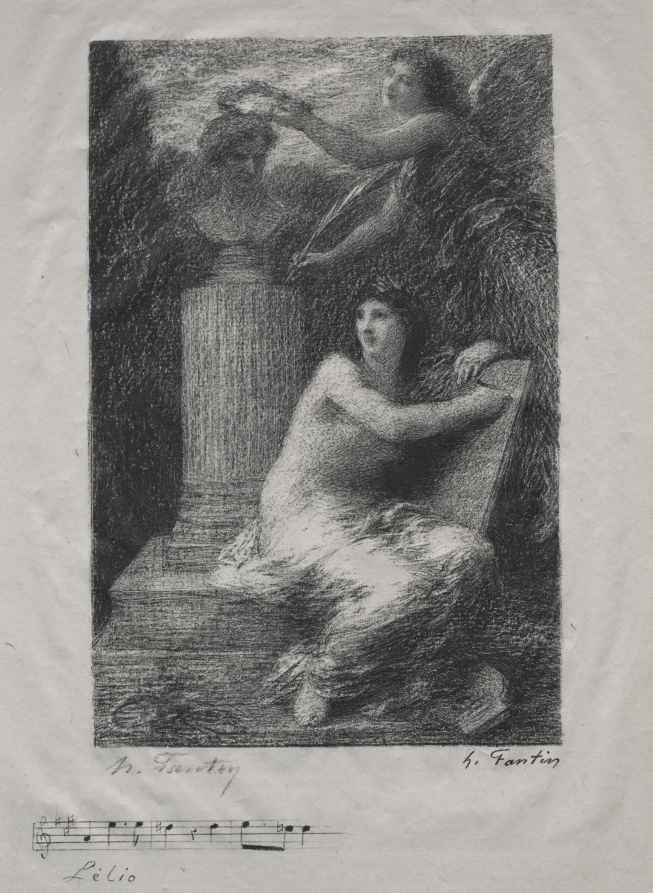 Henri Fantin-Latour (French, 1836–1904) — To Berlioz (Small