And Lycius' Arms Were Empty of Delight
1885
Brown and white gouache, over traces of black chalk, on cream wood-pulp laminate board
45.1 × 35 cm (17.8 × 13.8 in)
SEE IT IN PERSON
Not currently on view
In the collection of Art Institute of Chicago, Chicago · as of July 2026
Discussion
Be the first to share your thoughts.
Sign in to join the discussion.
More by Will Hicock Low


More like this
 John Douglas Miller — The First Whisper of Love
 The Printsellers' Association, London|Sir Lawrence Alma-Tade
 Leopold Löwenstam|Sir Lawrence Alma-Tadema|Sir Lawrence Alma
 Sir Lawrence Alma-Tadema|Leopold Löwenstam|Arthur Tooth & So
 Nicolas-François Chifflart (French, 1825–1901) — Melancholy
 Charles William Campbell — The Birth of Galatea
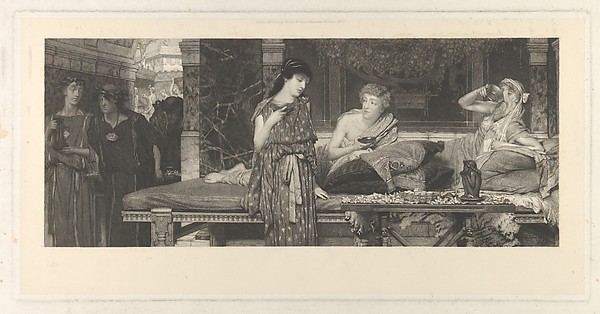 Sir Lawrence Alma-Tadema|Leopold Löwenstam|Thomas McLean — T
 Charles Robert Leslie — Scene from 'A Winter's Tale'
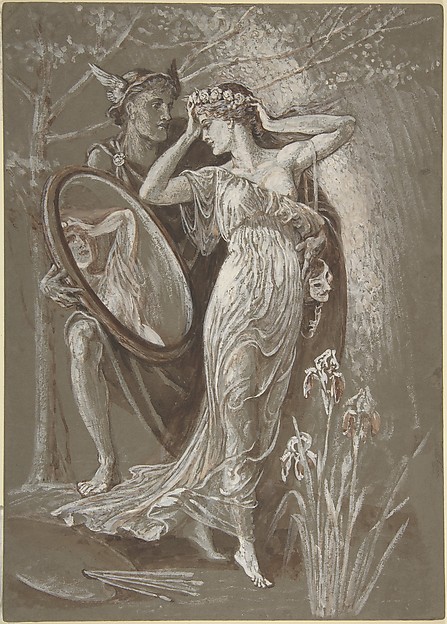 Walter Crane — The Mirror of Venus, or L'Art et Vie (Art and
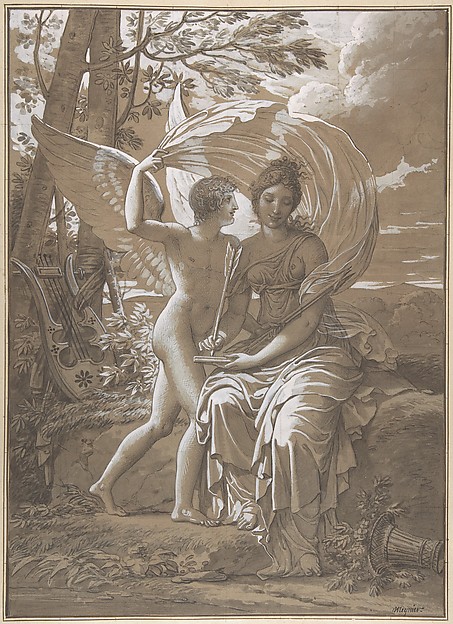 Charles Meynier — The Muse Erato Writing Verses Inspired by
 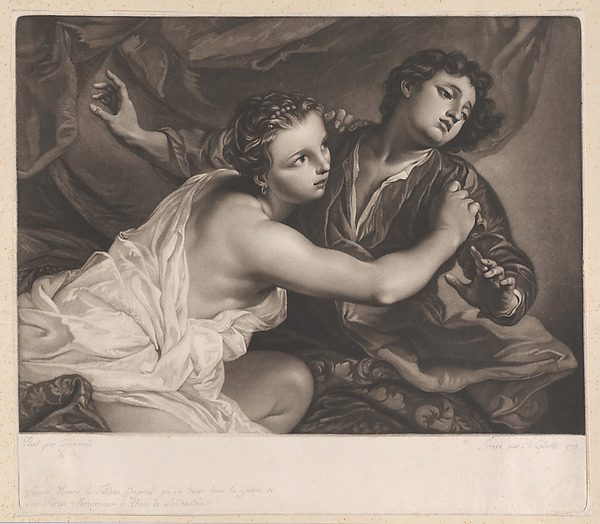 Joseph Adrianus Clarot|Giambettino Cignaroli — Joseph and Po
 Jean Michel Moreau — Creusa Pleads with Aeneas as He Leaves